 by
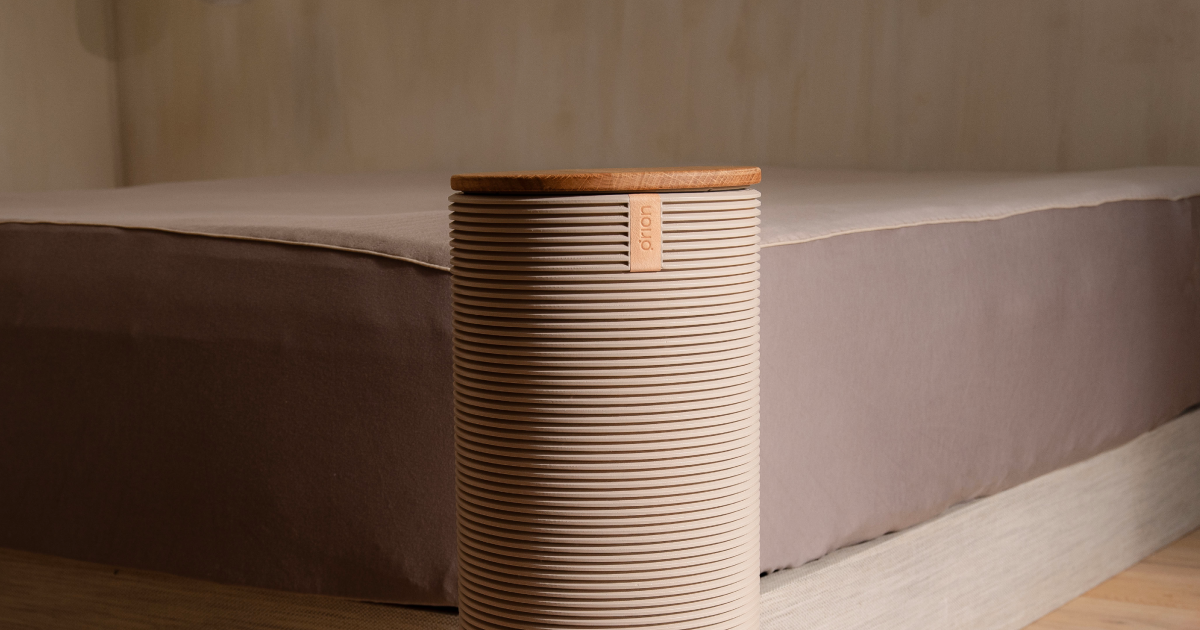
by Smart mattresses fall into two categories: sensor-embedded beds (Sleep Number 360, ReST Performance) and active-cooling covers (Eight Sleep Pod, Slumber Cloud). For most sleepers, the better investment is a high-quality traditional mattress with proven support construction. Our top pick is the Orion Sleep System, a dual-coil innerspring that outperforms most smart mattresses on durability, support, and long-term value, with no subscription fees or connectivity requirements.
Orion Sleep System
9.2/10
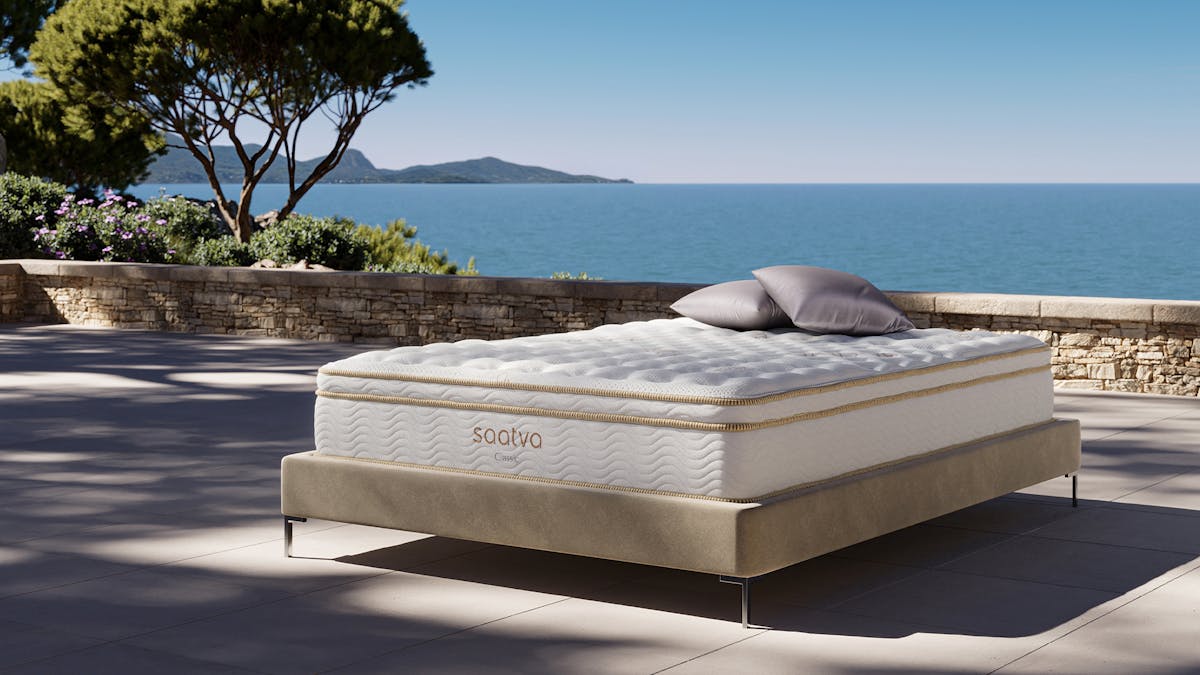
- Dual-coil construction with reinforced lumbar zone and Euro pillow-top
- Outstanding cooling: breathable open coil construction, surface temp 89.5°F in NapLab testing
- Exceptional edge support (10/10 NapLab) with perimeter reinforcement
- Free white-glove delivery, in-room setup, and old-mattress removal
- No subscription, no app, no maintenance required
- Moderate motion isolation: coil bounce transfers more partner movement than all-foam beds
- Heavy (~110 lb queen) and not roll-packed for easy setup
- $99 return fee applies during the trial
The honest alternative here is the Orion Sleep System, dual-zone smart cooling and wearable-free tracking, purchase without subscription, 30-night risk-free trial.
Check Price at Saatva
What makes a mattress "smart"
The marketing term "smart" covers a range of genuinely different technologies, and the category distinction matters before you spend $3,000 to $7,500. There are two main types:
- Sensor-embedded mattresses: Sleep Number 360 and ReST Performance use pressure arrays, accelerometers, or capacitive sensors to track movement, respiratory rate, and heart rate without a wearable. Some models (Sleep Number) use this data to automatically adjust air chamber firmness during the night.
- Active-cooling covers: Eight Sleep Pod and Slumber Cloud add water-based temperature control to any existing mattress. These are smart accessories layered on top of a conventional sleep surface, not standalone mattresses.
The distinction affects your total system cost, what you're actually buying, and what happens when the technology is discontinued or requires a paid subscription to remain functional.
Sleep Number 360: the market leader
Sleep Number's 360 series runs from $2,499 to $6,999 depending on model. The system uses air chambers to adjust firmness and embedded sensors to track sleep stages, breathing rate, and HRV. FlexFit models include adjustable bases for head and foot elevation, which is useful for snoring reduction and acid reflux management. The SleepIQ app provides daily scores and long-term trend data.
The dual air chamber design works well for couples with different firmness preferences, since each side adjusts independently. The sleep tracking data aligns reasonably well with PSG in Sleep Number's own published studies, though independent third-party validation is limited. The primary constraint is a proprietary ecosystem: Sleep Number's app does not integrate with third-party health platforms, which matters to data-driven users who want to correlate sleep data with other metrics.
The SleepIQ app is included with purchase. The SleepIQ+ subscription at $99 per year adds advanced insights and health integrations. Core functionality remains usable without it, which distinguishes Sleep Number from Eight Sleep's model where most features require ongoing payment.
ReST Performance Smart Bed: the athlete-focused option
ReST runs from $5,500 to $7,500 and uses approximately 2,000 pressure sensors per square foot to continuously map body position and automatically adjust five independent zones. The focus is pressure relief and spinal alignment for recovery, particularly for athletes with asymmetric injury patterns that benefit from position-specific support adjustments. The sensor density is the genuinely differentiating feature here; no other system at this price matches it for granularity.
The price reflects that sensor density. For the general population without specific recovery needs tied to athletic training loads, the cost-to-benefit ratio is difficult to justify.
When smart technology adds real value
Smart mattress technology produces the most benefit in three specific situations: temperature regulation is a primary sleep complaint (hot sleepers who wake repeatedly), partners have significantly different firmness preferences and a conventional mattress compromise causes actual sleep disruption, or real-time data integration is a genuine motivator for behavior change around sleep schedule and alcohol consumption.
It adds the least value when the underlying mattress quality is poor. Sensors cannot compensate for inadequate support or worn-out comfort layers. A $3,000 smart mattress built on mediocre foam construction will not outperform a $1,800 quality innerspring or latex mattress in terms of spinal support, pressure relief, or durability.
Complexity tradeoffs you should know
Smart mattresses require WiFi connectivity, app maintenance, periodic software updates, and in water-based systems, monthly water treatment. When technology fails, which includes hub malfunctions, app connectivity issues, and sensor drift, troubleshooting adds friction to what should be a passive sleep environment.
Planned obsolescence is a real risk with embedded technology. The mechanical and foam components of smart mattresses typically last 7 to 10 years, similar to conventional mattresses. The technology components, including sensors, hubs, and wireless modules, have shorter functional lifespans and may become unsupported as manufacturers update their ecosystems. A mattress that cost $5,000 in 2024 could have a non-functional app and unsupported hardware by 2030, leaving you with a foam bed at a premium price.
The better value argument
The most evidence-backed improvement for most sleepers is mattress quality itself: proper spinal alignment, correct firmness for sleep position, and durable comfort layer materials. A premium innerspring or latex mattress from a quality manufacturer provides sleep improvement that compounds nightly for 10 to 15 years without subscriptions, maintenance, or connectivity requirements.
For most sleepers, the rational hierarchy is: address mattress quality first, optimize temperature with a fan or cooling cover if needed, and add tracking data only if you will actually act on it. Buying a smart mattress as a first purchase because of the technology feature set often means paying $3,000 to $7,000+ for technology layered on top of a mattress you have not properly evaluated.
Amerisleep AS3
8.9/10
- HIVE 5-zone support system firms under the lumbar, softer at shoulders
- Plant-based Bio-Pur foam runs cooler than conventional memory foam
- Strong motion isolation, good for light sleepers and couples
- CertiPUR-US certified, made in the USA
- Softer edges than a coil hybrid
- Sleepers over 230 lb may prefer the firmer AS5 Hybrid
A solid all-foam alternative if you prefer the pressure-relieving feel of foam over innerspring bounce. The HIVE zoning adds active lumbar support without the complexity or ongoing costs of a smart mattress system.
Shop Amerisleep AS3
Who should buy a smart mattress
- Hot sleepers who have tried passive cooling options without success: Active temperature control (Eight Sleep Pod Cover, or a dedicated cooling mattress) is the most reliable intervention for chronic heat-related sleep disruption.
- Couples with significantly different firmness needs: Sleep Number's dual air chamber design solves this specific problem better than any conventional mattress, including split-firmness or flippable options.
- Athletes tracking recovery data: ReST provides granular pressure mapping that no conventional mattress matches. If training load management is a real concern, the data quality justifies the price.
You probably do not need a smart mattress if your primary sleep complaint is general discomfort, you have never tried a properly fitted traditional mattress, or your budget is below $2,500 where the technology is compromised by lower-quality foam construction underneath it.
Smart mattresses solve specific problems well. For most sleepers, a quality traditional mattress outperforms smart technology on long-term value, durability, and actual sleep improvement. The Orion Sleep System is our benchmark: dual-zone smart cooling on the mattress you already own, wearable-free sleep tracking, purchase without subscription, and a 30-night risk-free trial.
Frequently asked questions
Are smart mattresses worth the money?
For specific use cases, including couples with different firmness needs, hot sleepers requiring active temperature control, or athletes tracking recovery, smart mattress features can provide meaningful value. For most sleepers, a high-quality traditional mattress with proper support and materials provides better cost-adjusted sleep improvement than smart technology layered on mediocre construction.
Does Sleep Number require a subscription?
Sleep Number's SleepIQ app and basic tracking are included with purchase. The SleepIQ+ subscription at $99 per year adds advanced insights and health integrations. Core functionality is available without subscription, which distinguishes it from Eight Sleep's model where most smart features require ongoing payment.
How long do smart mattresses last?
The mechanical and foam components typically last 7 to 10 years, comparable to conventional mattresses. The technology components, including sensors, hubs, and wireless modules, have shorter lifespans and may become unsupported as manufacturers update their platforms. This planned obsolescence risk is worth factoring into the total cost calculation.
Can a smart mattress replace a sleep tracker?
Mattress-embedded sensors like those in Sleep Number and ReST can track sleep without requiring a wearable, which is an advantage for people who find wrist trackers uncomfortable at night. Data quality is broadly comparable to consumer wrist wearables, better than nothing but less precise than clinical measurement. If avoiding wearables is a priority, embedded sensor mattresses address that problem well.
What is the best smart mattress for couples?
For couples with different temperature preferences, an Eight Sleep Pod Cover on a quality mattress provides dual-zone temperature control at lower cost than a full smart mattress replacement. For couples with different firmness preferences, Sleep Number 360 models with dual air chamber zones are the most purpose-built solution available.
What is a better alternative to a smart mattress?
A high-quality innerspring or latex mattress with a long trial and strong warranty covers the majority of what smart mattress marketing promises around comfort, support, and longevity, without ongoing fees. The Orion Sleep System (30-night trial, no subscription) and the Amerisleep AS3 (20-year warranty, HIVE lumbar zoning) are the two mattresses we recommend evaluating before committing to a smart mattress at two to four times the price.
OUR VERDICT
Whatever brought you here, cooling, tracking, couples with different temperatures, the answer that holds up on total cost is the Orion Sleep System: no required subscription, 30 nights to prove it on your own bed.
OUR #1 SMART COOLING PICK · NO SUBSCRIPTION
Orion Sleep System
- From $2,295 in Queen, one-time, purchase without subscription
- Two independent temperature zones + AI thermoregulation
- Wearable-free sleep tracking, 30-night risk-free trial, free shipping