
 by
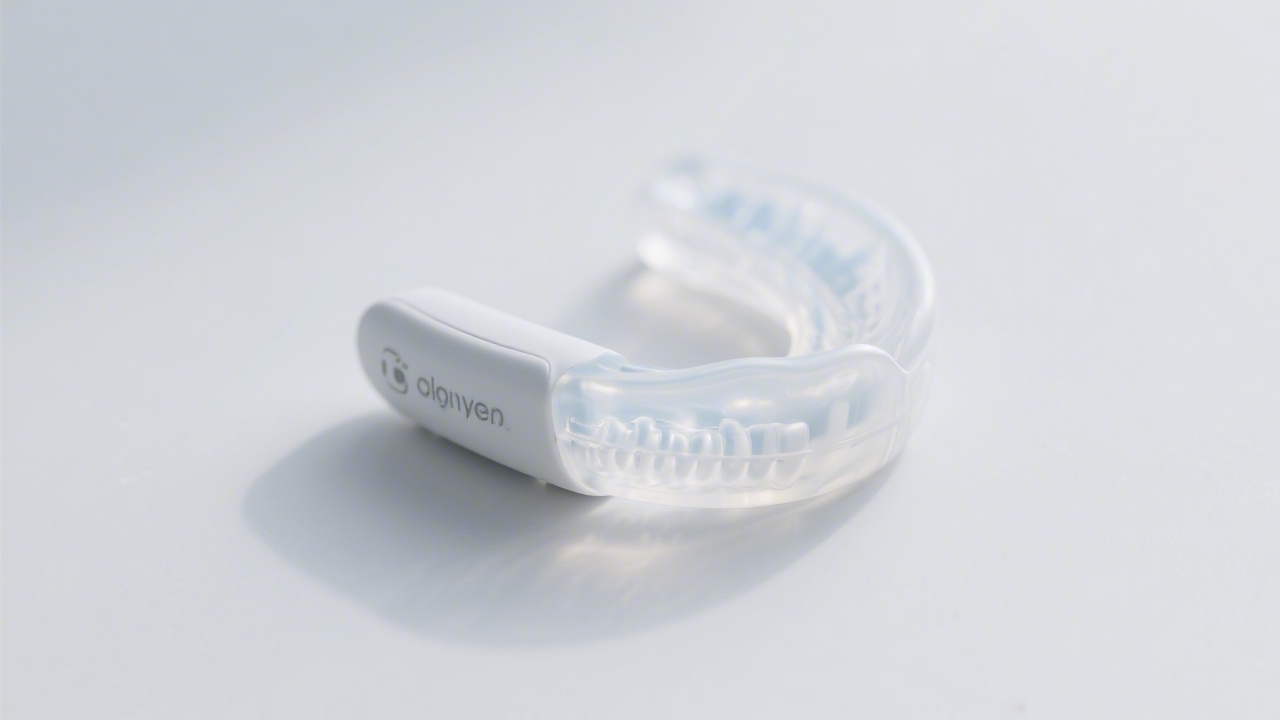
by Snoring mouthpieces work by physically repositioning the anatomy that creates snoring sound: the lower jaw (MADs), or the tongue (TRDs). Unlike nasal strips -- which only address nasal airway restriction -- mouthpieces treat the throat-level airway obstruction that causes the majority of adult snoring. Here is our ranked evaluation of the six best options available in 2026.
MAD vs TRD: Which Type Is Right for You?
Mandibular Advancement Devices (MADs) hold the lower jaw forward by 2-10mm, which pulls the tongue and soft palate forward with it, widening the posterior airway. They are effective for the majority of snorers where the soft palate and uvula are the primary vibration source. They require adequate jaw mobility and intact teeth for anchoring.
Tongue Retaining Devices (TRDs) use a suction bulb at the front to hold the tongue tip in a forward position. They work best when the tongue itself is falling back into the airway (macroglossia, sleep posture-related). They do not require jaw advancement and are suitable for people with TMJ issues or full dentures. However, they are bulkier and less comfortable for most users.
Verdict for most snorers: MADs.** They address the most common snoring anatomy, come in adjustable versions that allow gradual advancement to minimize jaw strain, and are better tolerated for nightly long-term use.
6 Snoring Mouthpieces Compared
| Device | Type | Adjustable? | Price | Best For |
|---|---|---|---|---|
| SnoreRx Plus | MAD | Yes (1mm increments) | $99 | Best overall adjustable MAD |
| VitalSleep | MAD | Yes (micro-adjust) | $80 | Budget-friendly adjustable |
| ZQuiet 2-Step | MAD | Two fixed sizes | $60 | First-time users, low commitment |
| Good Morning Snore Solution | TRD | No | $100 | Denture wearers, TMJ sufferers |
| AirSnore | MAD | Boil-and-bite only | $50 | Budget entry-level |
| Somnofit-S | MAD | Yes (thermoplastic) | $120 | Custom-fit feel at OTC price |
SnoreRx Plus: Our Top Pick
The SnoreRx Plus allows 1mm incremental jaw advancement across a 6mm total range, letting you dial in the minimum effective position to reduce jaw strain. It uses a medical-grade acrylic with a boil-and-bite fitting for a personalized impression. The posi-lock mechanism keeps the calibration set throughout the night, unlike softer thermoplastic devices that drift back to neutral during use. At $99, it is the best-performing OTC MAD we tested.
VitalSleep: Best Value
At $80 with a 60-night guarantee, VitalSleep is a strong value option. The micro-adjust hex wrench advancement and two size options (standard and small for petite jaws) make it genuinely customizable. The boil-and-bite fit is soft enough to be comfortable but firm enough to maintain position. Effective for most mild-to-moderate snorers.
Combining Mouthpiece with Positional Therapy
Mouthpiece therapy and head elevation are complementary, not exclusive. An adjustable base that raises the head 10-15 degrees reduces throat snoring independently of mouthpiece use. Together, the combination achieves greater airway opening than either method alone. The Saatva Adjustable Base Plus allows precise head elevation in 1-degree increments. For nasal-component snoring, combine with nasal strips -- see our nasal strips guide for when they add value. For comprehensive snoring guidance, see our how to stop snoring overview.
When a Mouthpiece Is Not Enough
If mouthpiece therapy does not reduce snoring or if you experience gasping, apnea episodes, or excessive daytime sleepiness, consult a physician. These are indicators of obstructive sleep apnea, which requires polysomnography (sleep study) and typically CPAP therapy -- OTC devices are not appropriate treatment for diagnosed OSA.
Pair Your Mouthpiece with Head Elevation
The Saatva Adjustable Base Plus raises the head 0-65 degrees for combined snoring reduction. Compatible with all Saatva mattresses.
Frequently Asked Questions
What is the most effective type of snoring mouthpiece?
Mandibular Advancement Devices (MADs) are consistently more effective than Tongue Retaining Devices (TRDs) for most snorers. MADs physically advance the lower jaw, which widens the posterior airway at the soft palate level -- the most common snoring origin. TRDs work only when the tongue itself is the primary obstruction, which is a less common anatomical pattern.
How long does it take a snoring mouthpiece to work?
Most users experience measurable snoring reduction from the first night of correct use. However, comfort and jaw adaptation typically takes 1-3 weeks. Initial side effects (jaw soreness, excess salivation, slight bite shift in the morning) diminish over the first two weeks as the jaw musculature adapts to the advanced position.
Can a snoring mouthpiece damage your teeth?
Lower-quality non-adjustable MADs that lock the jaw in a fixed forward position can cause TMJ discomfort and bite changes over time. Adjustable MADs (which allow 1mm incremental advancement) reduce this risk significantly. Custom-fit devices made by a dentist carry the lowest risk. Discontinue use and consult a dentist if you experience persistent jaw pain or tooth sensitivity.
Are over-the-counter snoring mouthpieces as good as prescription ones?
For most mild-to-moderate snorers, quality OTC adjustable MADs (VitalSleep, SnoreRx Plus, ZQuiet) perform comparably to entry-level prescription devices. The main advantages of custom-made dental appliances are superior fit comfort, better long-term bite preservation, and suitability for sleep apnea treatment when medically supervised. For severe snoring or diagnosed OSA, a dentist-fabricated device is recommended.
What is the difference between MAD and TRD mouthpieces?
A Mandibular Advancement Device (MAD) holds the lower jaw forward, widening the throat airway at the soft palate and uvula level. A Tongue Retaining Device (TRD) uses suction to hold the tongue tip forward, preventing it from falling back. MADs require normal jaw mobility; TRDs work for people who cannot tolerate jaw advancement, including those with TMJ issues or dentures.