
 by
by Our Top Pick
Saatva Classic (dual coil)
Disclosure: We earn a commission if you purchase through our links, at no extra cost to you.
What Makes a Mattress Springy?
Springiness is a function of immediate elastic rebound — how quickly the mattress returns to its original shape after pressure is removed. There are two main mechanisms:
- Coil construction: Tall, tempered steel coils (especially dual-coil or offset coil systems) compress under weight and snap back quickly. The taller the coil gauge, the more pronounced the bounce. This is why traditional innerspring mattresses feel more reactive than all-foam.
- Natural latex: Latex foam has molecular-level elasticity. It compresses, then rebounds faster than any synthetic foam. Natural Dunlop latex is slightly denser and less bouncy than Talalay latex, but both score significantly higher than memory foam on rebound speed.
Memory foam is the opposite of springy — it deliberately dampens elastic rebound through viscoelastic polymer chains that break down under heat and weight. This is a design feature, not a defect, but it means memory foam is the wrong choice for those who prioritize bounce. See our mattress feel guide for full material comparison.
Who Needs a Springy Mattress?
Combination sleepers
People who shift between back, side, and stomach positions during the night need a mattress that assists rather than resists position changes. High-bounce mattresses allow you to roll over without effort. On low-bounce memory foam, combination sleepers must consciously push up and reposition. Over months, this can cause sleep disruption even without full waking.
Active couples
Bounce is strongly correlated with couple satisfaction in mattress reviews. The physics are straightforward: elastic rebound amplifies applied force, which matters during intimacy. Low-bounce mattresses absorb energy; high-bounce mattresses return it.
People who feel "stuck"
A common complaint from memory foam users is feeling embedded in the mattress — getting up takes deliberate effort, and the surface does not assist movement. If you frequently feel stuck, a springy hybrid or latex mattress will resolve this immediately.
Hot sleepers
High-bounce materials (coils, latex) typically sleep cooler than dense memory foam because they allow more air circulation. This is a secondary benefit but worth noting for warm climates or night sweaters.
Springy Mattress Construction: What to Look For
Not all innerspring mattresses are equally springy. Key factors:
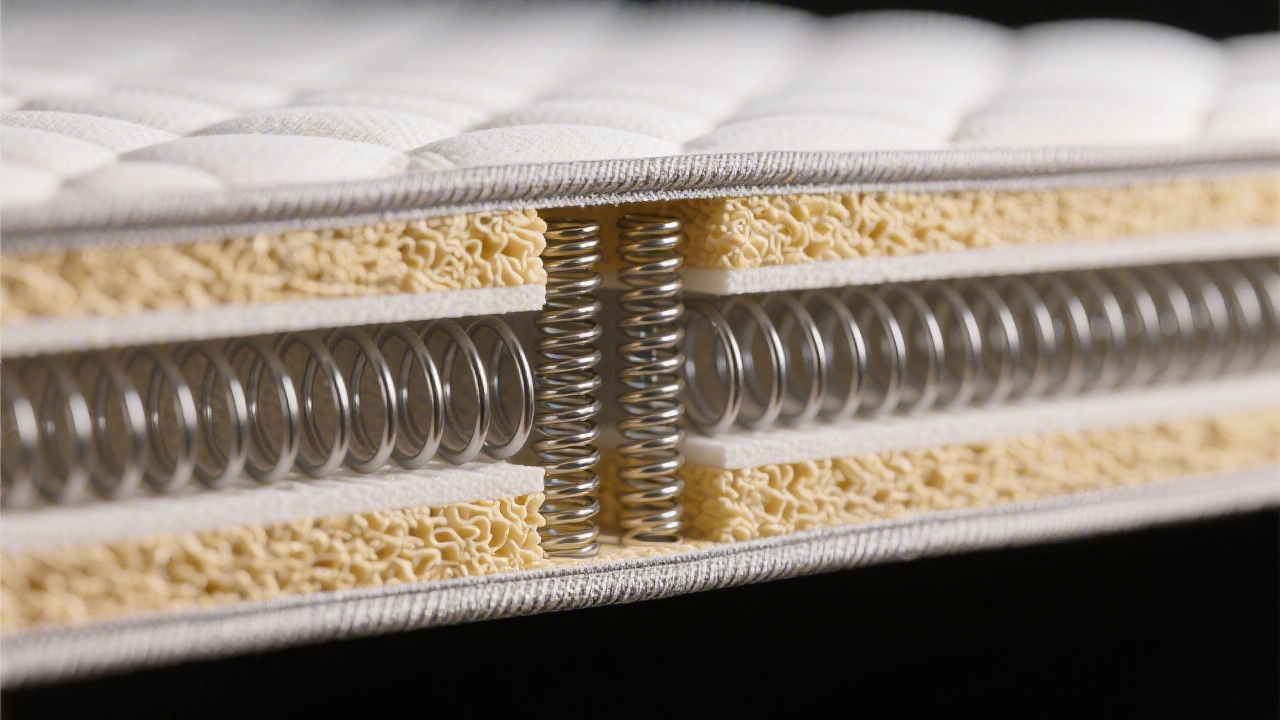
- Coil height: Taller coils (6–8 inches) create more pronounced rebound than shorter coils (3–4 inches). Dual-coil systems (like Saatva’s offset + tempered setup) layer two rebound mechanisms.
- Coil count vs. coil gauge: Higher coil count improves contouring, not necessarily bounce. Coil gauge (thickness) affects durability. Both matter, but neither directly determines springiness as much as coil height and material.
- Comfort layer thickness: A springy coil base covered with 4+ inches of slow-recovery foam will feel less springy overall. Look for thinner (1–2 inch) comfort layers or latex comfort layers to preserve bounce through to the surface.
Our Top Pick: Saatva Classic
The Saatva Classic review uses a dual-coil system — tempered Bonnell coils at the base layer topped by individually wrapped coils in the comfort zone. The result is one of the most responsive non-latex mattresses available. All three firmness options (Plush Soft, Luxury Firm, Firm) maintain high bounce due to the coil architecture. Compare it against best mattresses of 2026 for full market context.
Our Top Pick
Saatva Classic (dual coil)
Disclosure: We earn a commission if you purchase through our links, at no extra cost to you.
Frequently Asked Questions
What makes a mattress springy?
Springiness comes from two sources: coil construction and natural latex. Tall, tempered coils (especially Bonnell or offset coils) compress and release quickly, creating strong rebound. Natural latex has inherent elasticity that returns to shape almost instantly. Synthetic foam lacks this elasticity and rebounds slowly.
Are springy mattresses good for back pain?
Springy mattresses work well for back pain if they maintain spinal alignment. High-bounce innerspring mattresses with adequate comfort layer thickness perform comparably to medium-firm foam for back pain relief, according to most clinical comparisons. The key is not the bounce but the support layer underneath.
Do springy mattresses make more noise?
Traditional open coil (Bonnell) innerspring mattresses can squeak as the coils rub against each other. Individually pocketed coils and latex mattresses are near-silent. If noise is a concern, look for pocketed coil hybrids rather than open coil systems.
Are springy mattresses good for couples?
Yes, with caveats. High bounce can improve ease of movement and intimacy, but reduces motion isolation. Pocketed coil hybrids offer a middle ground — enough bounce for movement while containing partner motion better than open coil systems. Pure latex achieves similar balance.
How long do springy mattresses last?
Quality innerspring and hybrid mattresses last 8–10 years when rotated every 6 months. Latex lasts longer — natural latex mattresses often remain structurally sound for 12–15 years. The coil system is typically the last component to fail; the comfort layer (foam, pillow top) softens first.