
 by
by Why Mattresses Squeak — The 3 Real Sources
A squeaky mattress is rarely a single-component problem. The noise almost always traces to one of three sources: the mattress coils themselves, the box spring or foundation underneath, or the bed frame and hardware. Treating the wrong source wastes money and leaves the problem unsolved.
This guide covers how to isolate the exact source of mattress noise, what fixes work for each scenario, and which situations justify replacement over repair.
Our Top Pick
Saatva Classic — Quiet Dual Coil System
Individually wrapped coils virtually eliminate the metal-on-metal contact that causes squeaking.
Source 1: Innerspring Coil Fatigue
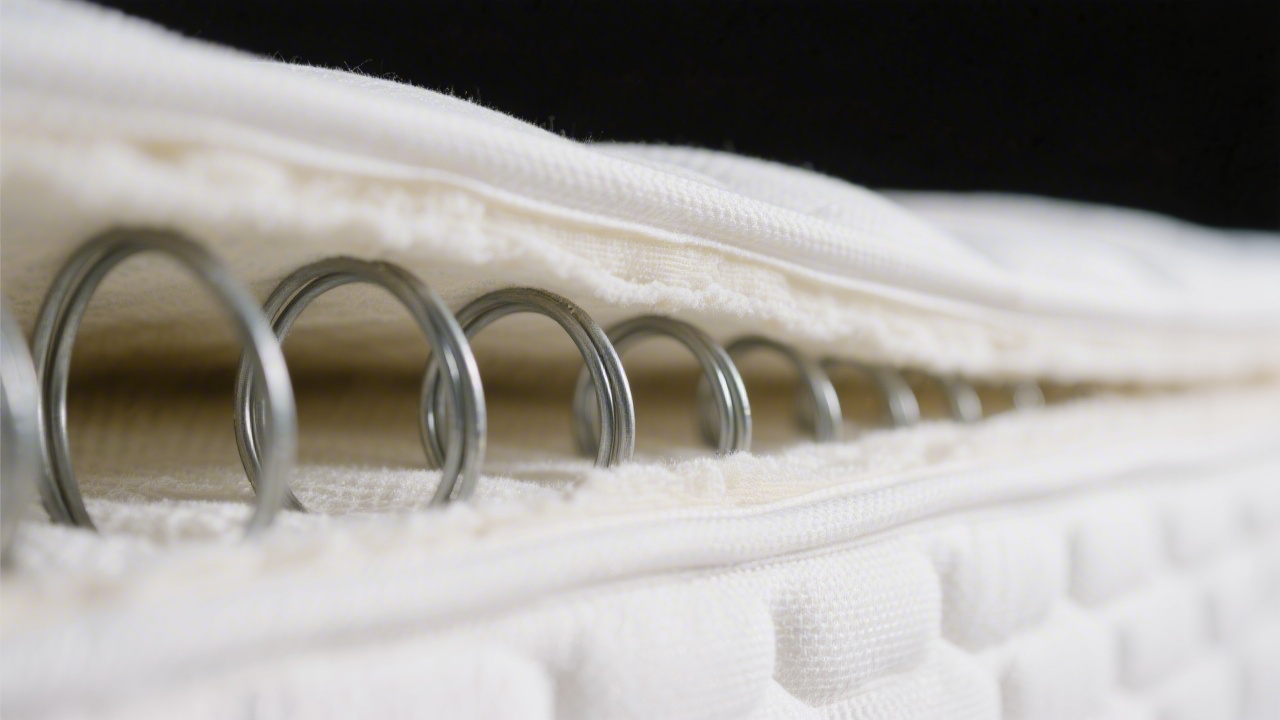
Traditional Bonnell coil systems and offset coil systems connect springs with helical wire. After years of compression, these connections loosen and produce metal-on-metal friction during movement. This is the most common cause of mattress-specific squeaking — and the hardest to fix without replacing the mattress.
How to confirm: Place the mattress on a flat, solid surface (floor). Press systematically across every 12-inch section. If you can reproduce the squeak, the coils are the source.
Fix options: Rotating the mattress 180 degrees redistributes wear and may reduce noise temporarily. Adding a 1.5-2 inch foam topper dampens vibration transfer. Neither is a permanent solution — coil fatigue only worsens over time.
Source 2: Box Spring or Foundation Problems
Box springs contain their own coil or wood-slat system inside a fabric shell. The coils compress and relax with every movement, and the internal wooden frame can crack or loosen over time. Both produce rhythmic squeaking that mimics mattress noise.
How to confirm: Remove the mattress and press directly on the box spring surface. Listen for creak or squeak under pressure.
Fix options:
- WD-40 through fabric: Insert a straw nozzle through the fabric corner vent and spray lightly on the interior springs. Work well on metal coil box springs.
- Foam between coils and fabric: Slip thin craft foam or felt sheets inside the box spring shell to dampen coil-to-fabric contact.
- Full box spring replacement: If internal wood is cracked, replacement is more practical. Budget box springs run $80–$150.
Source 3: Bed Frame and Hardware
Metal bed frames, slatted wood frames, and platform beds all develop squeaks from loose bolts, metal-on-metal contact between slats and side rails, or wood-on-wood friction at joints. This is the easiest category to fix.
Diagnostic: Remove mattress and box spring entirely. Sit on the empty frame and move. Any remaining squeak is frame-only.
Fix by frame type:
- Metal frame: Tighten all bolts with a wrench. Add rubber washers between metal contact points. Apply WD-40 to all joints.
- Wood slat frame: Add cork or felt adhesive strips to the top of each slat where it contacts the side rail. Prevents wood-on-wood friction.
- Center support legs: Ensure all support legs contact the floor evenly. Add rubber tips to prevent movement on hard floors.
The Quiet Coil Advantage of Pocketed Springs
Not all innerspring mattresses squeak equally. Individually wrapped pocketed coil systems — like those in the Saatva Classic — eliminate the helical wire interconnections that cause most coil noise. Each coil moves independently and is wrapped in a fabric pocket, so metal-on-metal contact between springs is eliminated by design.
If you are evaluating whether to repair or replace a noisy innerspring mattress, the coil construction of the replacement matters significantly for long-term noise performance.
When Replacement Is the Right Answer
Repair makes sense when the mattress itself is not the noise source. Replacement becomes necessary when:
- The mattress is more than 7 years old with Bonnell or offset coils
- You can hear coil noise without moving — just lying still, the coils creak under static load
- Visible sagging of 1.5 inches or more exists at sleeping positions
- Rotating the mattress provides no noise reduction
Our Top Pick
Saatva Classic — Quiet Dual Coil System
Individually wrapped coils virtually eliminate the metal-on-metal contact that causes squeaking.
Internal Links
Related guides: Mattress Sinking: Sagging vs. Softening | Innerspring Mattress Lifespan | Mattress Foundation Guide | Can You Put Any Mattress on a Box Spring?
Frequently Asked Questions
Why does my mattress squeak?
Most mattress squeaking comes from three sources: fatigued innerspring coils rubbing against each other, a loose or worn box spring or foundation, or the bed frame itself. Identifying which component is producing the noise is the first diagnostic step.
Can I fix a squeaky mattress without replacing it?
Often yes. If the squeak is from the frame, tightening bolts, adding felt pads, or lubricating metal joints solves it. Box spring noise responds to WD-40 or foam padding between coils and fabric. If the mattress coils themselves are the source, replacement is usually the only fix.
How do I tell if the squeak is from the mattress or the frame?
Remove the mattress and place it flat on the floor. Compress different sections with your hands and knees. If squeaking persists, the mattress is the culprit. If it goes silent, the frame or box spring is the problem.
Does memory foam squeak?
No. Memory foam, latex, and other foam mattresses produce no coil noise. If you hear squeaking and sleep on an all-foam mattress, the source is definitively the foundation or bed frame.
When should I replace a squeaky mattress instead of fixing it?
If the mattress is over 7 years old, shows visible sagging greater than 1.5 inches, or if you can hear coil noise when lying still (not just during movement), replacement is more cost-effective than continued patching.