
 by
by 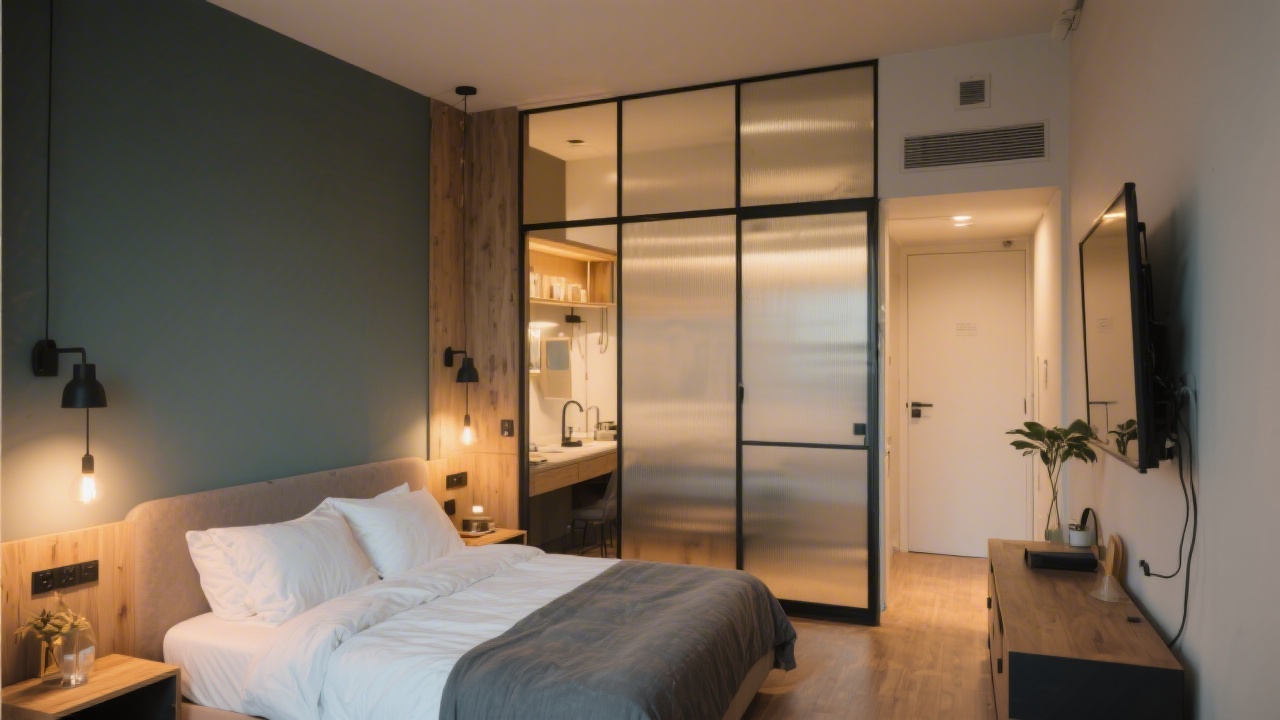
Studio apartments require a different approach to sleep setup. When your bedroom is also your living room, office, and kitchen, creating genuine sleep conditions requires intentional choices — from mattress selection to space division to environmental controls. Getting it right dramatically affects how well you function in that space.
Our top pick for this room type
The Saatva Classic is our recommended mattress for this setup — available in three firmness options, backed by a lifetime warranty, and delivered with free white-glove service.
Mattress Size: When to Go Full vs. Queen
The queen vs. full decision in a studio is genuinely consequential. Here's the honest breakdown:
- Full (54" x 75"): Works for one person up to about 5'10". Leaves 2-3 extra feet of floor space compared to a queen. Feels noticeably cramped if two people sleep there regularly.
- Queen (60" x 80"): The right choice if you share the bed regularly or are taller than 5'10". Fits in most studios without making the space feel entirely consumed — but measure carefully. You want at least 24" on both sides for circulation.
Measure your studio floor plan and tape out the mattress footprint before deciding. The visual impact of a queen vs. full in a small space is more significant than the 6 inches of width suggests.
Bed Frame Options for Small Spaces
Bed frame choice matters as much as mattress choice in a studio:
- Platform with storage drawers: Under-bed storage reclaims space you'd otherwise need dressers for. Requires a lower-profile mattress (10-12") to maintain accessible height.
- Low-profile platform: Keeps the visual weight of the bed lower, making the space feel less dominated by the sleeping area.
- Murphy beds: Best for studios under 400 sq ft where you genuinely need the floor space during the day. Limits mattress choices to thinner, compatible options.
Creating Sleep Conditions When Your Bedroom Is Everything
The main challenge in studios isn't the mattress — it's sleep hygiene when your bed is 12 feet from your desk. These interventions help:
- Room dividers: Even a curtain or bookshelf between the sleeping area and living area creates psychological separation that helps your brain shift into sleep mode.
- Blackout curtains: Studios often have large windows (natural light sells). Blackout curtains are non-negotiable for quality daytime or early-morning sleep.
- Sound management: White noise machines or earplugs compensate for city noise and the lack of interior walls.
- Temperature: Studios heat up faster than multi-room apartments from cooking and body heat. Our guide to sleeping with AC covers the optimal settings for better sleep.
Mattress Profile and Visual Balance
In a studio, mattress height visually impacts the room more than in a house with dedicated bedrooms. A 14" mattress on a standard platform frame creates a sleeping area that visually dominates the space. A 10-12" mattress on a low-profile frame integrates better. See our Saatva Classic vs. Loom and Leaf comparison — both have different profile heights that suit different space requirements. Also helpful: our sleep optimization guide covers environmental factors that affect sleep quality in compact living spaces.
Frequently Asked Questions
What size mattress works best in a studio apartment?
A full (54" x 75") is often the practical choice for studio apartments — it provides reasonable sleeping space for one person or occasional couples while fitting in tighter floor plans. Queen (60" x 80") fits in most studios but leaves less circulation space. Measure your floor plan carefully, accounting for 24" walkways on both sides of the bed.
Should I get a Murphy bed for a studio apartment?
Murphy beds are worth considering if your studio is under 400 sq ft and you entertain regularly. The downsides: Murphy beds require specific mattress types (thinner, bifoldable), limit mattress quality options, and have upfront installation costs ($1,500-$4,000). For most studio dwellers, a well-placed regular bed with a room divider is more practical.
How do I create sleep-promoting conditions in a studio?
The biggest challenge in studios is light and noise bleed from living areas. Blackout curtains or a room divider with blackout panels help signal sleep time to your brain. A white noise machine compensates for the lack of a dedicated quiet zone. Cooler temperatures (65-68F) also help — studios tend to run warmer from cooking and lack of room separation.
What mattress height works in a studio apartment?
Lower-profile mattresses (10-12") look better in studio apartments where ceiling heights are often standard (8 ft) and visual lightness matters. Very thick mattresses (14"+) on platform frames can visually dominate a studio. They also don't typically work with Murphy bed systems.
Can I use a mattress directly on the floor in a studio?
Temporarily, but not long-term. Floor placement traps moisture under the mattress, accelerating mold and mildew growth and voiding most warranties. If floor-level aesthetics appeal to you, a Japanese-style low platform frame (4-6" height) is the right solution — it maintains airflow while achieving the visual effect.
Ready to upgrade this room?
The Saatva Classic is available in a range of heights and firmness levels — white-glove delivery handles the logistics even in tight studio access situations.