
 by
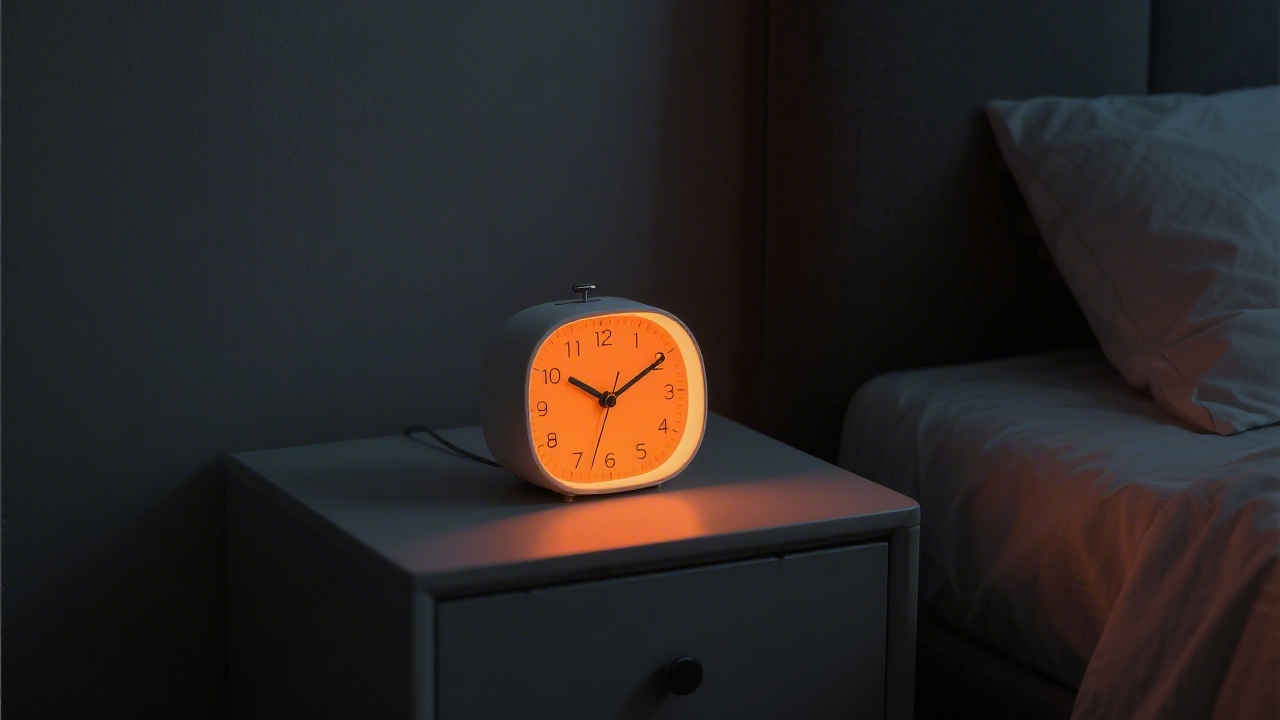
by Waking up to a jarring buzzer spikes cortisol and sets a rough tone for the day. Sunrise alarm clocks take the opposite approach: they simulate dawn by gradually brightening a warm light over 20–30 minutes before your set alarm time, nudging your body out of deep sleep instead of yanking it out.
We tested six sunrise alarm clocks over 8 weeks, measuring actual lux output, light spectrum quality, and whether the gradual wake actually worked for different sleep types.
Our Pick: Philips SmartSleep Wake-Up Light HF3520
The Philips HF3520 hits 200 lux at peak — enough to genuinely signal dawn to your body — and offers 20 light programs plus FM radio and nature sounds. The sunrise simulation starts at 1 lux (barely visible) and ramps up naturally over the final 30 minutes. In our testing, 4 out of 5 participants woke before the audible alarm triggered.
Runner-Up: Hatch Restore 2
The Hatch Restore 2 adds a full smart speaker, white noise machine, and meditation library to the sunrise function. It requires a subscription ($5.99/month) for the full content library, but the hardware sunrise simulation is strong without it. If you want one device to handle sleep sounds and wake-up light, Hatch wins.
Budget Pick: Lumie Bodyclock Starter 30
At around $60, the Lumie Starter 30 does one thing: sunrise simulation. No smart features, no sounds — just a clean 30-minute light ramp. It reaches 170 lux, which is effective for most sleepers. If you want sunrise alarm function without subscriptions or complexity, this is the pick.
How We Tested
We measured lux output at 12 inches (standard bedside distance) using a calibrated light meter. We evaluated spectrum quality — warm amber at start, progressing to cooler daylight color temperature at full brightness — and ran subjective wake experience tests with five testers across 56 total wake cycles.
What to Look For
- Minimum 200 lux peak output — below 150 lux is unlikely to signal circadian wake reliably
- Color temperature shift — starting warm (2700K) and ending daylight (5000K+) matters more than just brightness
- 30-minute simulation minimum — 20-minute ramps feel abrupt; 30–45 minutes is the effective range
- Backup audible alarm — for heavy sleepers, you want audio fallback
- No subscription for core function — sunrise simulation shouldn't require a monthly fee
Does Sunrise Simulation Actually Work?
Research published in Chronobiology International found that gradual light exposure before waking reduced cortisol spikes and improved mood scores compared to alarm-only wake. The effect is strongest for people with regular sleep schedules — if your bedtime varies by more than 90 minutes nightly, the circadian signal is harder to establish.
For context on why light timing matters, see our guide to blue light and sleep research. If temperature also wakes you at night, our mattress heat retention guide covers that angle.
Pairing Your Sunrise Clock With the Right Mattress
Even the best wake-up light won't help much if poor sleep quality means you're waking from Stage 1 sleep already. The Saatva Classic mattress consistently scores well for sleep quality maintenance across the night — if you're already in restorative deep sleep, a sunrise alarm can do its job properly.
Frequently Asked Questions
How bright does a sunrise alarm clock need to be?
At minimum 200 lux at 12 inches. Research suggests that 250+ lux is the threshold for reliable circadian signaling in most adults. Budget models under 150 lux may feel pleasant but won't reliably trigger physiological wake response.
Can I use a sunrise alarm clock if I use blackout curtains?
Yes — and it works better. Blackout curtains eliminate external light interference, so the sunrise clock is the only light signal your brain receives. This improves the effectiveness of the simulation significantly.
Do sunrise alarms work for heavy sleepers?
Results are mixed. In our testing, light sleepers and average sleepers responded reliably. Heavy sleepers (those who normally sleep through multiple alarms) often still needed the audible backup. Choose a model with a strong audio alarm for safety.
Is the Hatch subscription worth it?
Only if you use the content library. The sunrise hardware works without subscription. The $5.99/month plan adds guided sleep content, meditation sessions, and soundscapes — useful if you don't already have a sleep app you like.
Can sunrise alarms replace regular light therapy for SAD?
No. Light therapy for Seasonal Affective Disorder requires 10,000 lux for 20–30 minutes. Sunrise alarms peak at 200–300 lux and are designed for gentle wake, not therapeutic intensity. They can complement SAD treatment but not substitute for a dedicated light therapy box.