
 by
by Editor's pick — melatonin-free
Sleep Lab Pick · Current Sale
Current Sale — Amerisleep's current sale runs sitewide. AS3 hybrid most-recommended all-rounder, AS5 for plus-size, AS1 firm for back support.
NooCube Sleep Upgrade
Melatonin-free formula · 60-night guarantee · Lemon balm 600 mg + magnesium + lavender
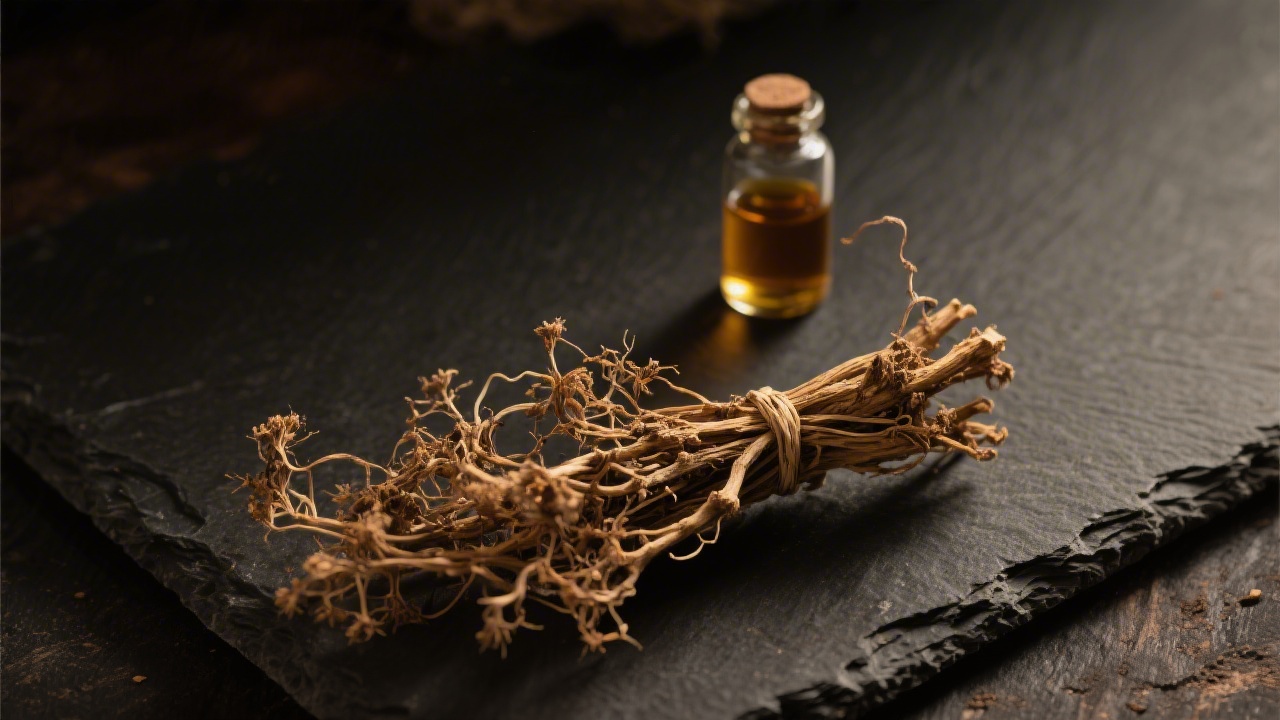
Valerian root (Valeriana officinalis) is one of the most commercially popular herbal sleep supplements in Europe and North America. Yet its clinical record is unusually contradictory: high-quality meta-analyses conclude the evidence is insufficient to confirm efficacy, while many individual users report clear benefit. Understanding why the research is inconsistent reveals when and for whom valerian is likely to work.
Quick take — 60-second summary
- Valerian root is one of the most studied botanical sleep aids, used clinically in Europe for anxiety-driven insomnia.
- Typical dose: 400 to 600 mg of standardized valerian extract, 30 to 60 minutes before bed.
- Works through GABA-A receptor modulation (similar mechanism to benzodiazepines but far milder) and adenosine pathway effects.
- Strong smell and taste. Capsules preferred over teas. Stop 2 weeks before surgery because of sedation interactions.
Looking for a mattress that supports better sleep?
The Saatva Classic is handcrafted in the USA with eco-friendly materials, designed to support healthy sleep architecture night after night.
Proposed Mechanisms of Action
- Valerenic acid: The most studied compound. Acts as a partial agonist at GABA-A receptors — the same receptors targeted by benzodiazepines, though with far weaker binding affinity.
- Isovaleric acid: Has mild sedative properties in animal models.
- Valepotriates: Unstable and largely destroyed during drying and processing; unlikely to contribute significantly in commercial preparations.
- Linarin and hesperidin: Flavonoids with potential GABA-A activity identified in some preparations.
The instability of valepotriates and variability in valerenic acid content between preparations is the most likely explanation for inconsistent research results.
What the Research Shows: An Honest Assessment
A 2006 systematic review in the American Journal of Medicine (Bent et al.) analyzed 16 RCTs and found that while most studies showed some improvement in sleep quality or latency, only a minority were methodologically adequate. The conclusion: valerian might improve sleep quality without producing side effects, but the evidence is not sufficient to draw firm conclusions.
The most methodologically rigorous individual trials (double-blind, placebo-controlled, polysomnography outcomes) generally show smaller effects than subjective rating studies. This suggests a meaningful placebo component, but does not eliminate genuine pharmacological activity.
When Valerian May Be More Effective
- Menopausal women: Two well-designed studies specifically in perimenopausal and menopausal women showed significant improvement in sleep quality with valerian 530–760 mg nightly.
- Anxiety-driven sleep problems: Given valerian's GABA-A mechanism, stress-related hyperarousal is the most plausible target. See our ashwagandha guide for comparison.
- Sleep maintenance problems: Some trials suggest valerian's effect is more pronounced on nighttime awakening frequency than on sleep onset speed.
Dosage, Timing, and Preparation Quality
Effective doses in positive trials range from 300–900 mg of dried root extract, taken 30–60 minutes before bed. The most commonly studied dose is 600 mg. Look for extracts standardized to 0.8–1% valerenic acid; aqueous and hydroethanolic extracts are more consistent than dried root powder alone. Effects may accumulate over 2–4 weeks rather than acting acutely on the first night.
Safety and Drug Interactions
Valerian is generally well-tolerated at studied doses. Important interaction: valerian has additive effects with CNS depressants including benzodiazepines, alcohol, and sedating medications. It has also been shown to weakly inhibit CYP3A4 and CYP2D6 enzymes, which could affect medications cleared by these pathways. For context on other GABA-modulating approaches, see our glycine guide. For overall sleep hygiene, see our article on sleep maintenance insomnia.
Looking for a mattress that supports better sleep?
The Saatva Classic is handcrafted in the USA with eco-friendly materials, designed to support healthy sleep architecture night after night.
Frequently Asked Questions
Why does valerian work for some people but not others?
Product quality variability, individual GABA receptor sensitivity, the underlying cause of sleep problems, and a genuine placebo component in self-reported outcomes all contribute.
Can you take valerian every night long-term?
NooCube Sleep Upgrade
A melatonin-free sleep supplement that works with your body instead of replacing hormones. Clinical testing (DBEM) showed 35% faster sleep onset and 28% higher sleep score on Oura/Whoop over 30 nights.
- Lemon balm 600mg + lavender extract for calm
- Magnesium citrate + calcium + vitamin D3 for sleep architecture
- No habit-forming ingredients, no morning grogginess
- 60-day money-back guarantee, GMP-certified USA manufacturing
Affiliate disclosure: we may earn a commission from this link at no extra cost to you.
Most studies ran 2–8 weeks without tolerance or dependence. Long-term data is limited but physiological dependence appears unlikely at normal doses.
Is valerian root safe with other supplements?
Combinations with hops, lemon balm, and passionflower have some clinical evidence. The main concern is combining with any CNS depressant — alcohol, benzodiazepines, sedating antihistamines — which can produce additive sedation.
Does valerian smell bad?
Yes. Isovaleric acid gives valerian a strong odor often compared to dirty socks. Most capsules are sealed to minimize this.
How long does valerian take to start working?
Acute effects begin 30–60 minutes after ingestion. A 4-week trial is more informative than 1–2 nights, as some evidence suggests cumulative effects with consistent use.
★ #1 RATED MATTRESS 2026
Your Mattress Might Be the Problem — Try a Saatva for 365 Nights
✓ 365-Night Trial · ✓ Free White Glove Delivery · ✓ Lifetime Warranty
How valerian root works for sleep
Valerian's active compounds — valerenic acid, valerenol, and the bornyl esters — act on GABA-A receptors by increasing GABA at the synapse and modulating receptor subunits. This is a similar mechanism to benzodiazepines and Z-drugs (zolpidem, zaleplon), but valerian's affinity is several orders of magnitude weaker, which gives a gentler sedative effect without the memory or coordination issues.
Additional effects: valerenic acid inhibits adenosine breakdown, mimicking the sleep-pressure accumulation normally driven by caffeine absence. Net result is an easier transition into sleep and more time spent in slow-wave sleep.
Valerian root dosage for sleep
Clinical studies use 300 to 900 mg of standardized extract. 400 to 600 mg is the typical target for sleep onset support. Take 30 to 60 minutes before bed for single-night use, or nightly for 2 to 4 weeks for cumulative effect on chronic insomnia.
Capsules preferred over tincture or tea because the smell and taste are strong (some describe it as dirty socks). Do not exceed 900 mg nightly.
Clinical evidence for valerian
A 2006 meta-analysis in American Journal of Medicine pooled 16 randomized trials and found valerian improved subjective sleep quality compared to placebo, with effects most pronounced in patients with chronic insomnia. The 2010 Cochrane review was more cautious but acknowledged consistent patient-reported benefit.
The longest single trial (6 weeks, 121 patients, Journal of Clinical Pharmacology) showed significant improvement in sleep quality versus placebo with no worsening on rebound after cessation.
Side effects and who should skip valerian
Common: morning grogginess at doses above 600 mg, vivid dreams, mild headache in first week. Rare: paradoxical stimulation (about 5 percent of users feel more alert instead of sedated — a genuine individual variation).
Stop 2 weeks before planned surgery because of additive effects with anesthetics. Skip if you take benzodiazepines, barbiturates, or opioids (additive sedation). Pregnancy and breastfeeding: insufficient safety data, avoid.
Stacking valerian with other sleep aids
The classic European combination is valerian plus lemon balm — used in many over-the-counter European sleep aids for decades. Valerian plus hops (Humulus lupulus) is another long-standing pairing. Valerian plus magnesium glycinate covers both GABAergic and mineral support.
Avoid stacking valerian with melatonin at doses above 3 mg — the combination can produce morning grogginess.
Melatonin-free sleep pick
NooCube Sleep Upgrade
A gentler melatonin-free alternative without valerian's morning hangover without melatonin dependency. NooCube Sleep combines lemon balm 600mg, magnesium citrate, calcium, lavender extract, and vitamin D3. Clinical testing showed 35% faster sleep onset and 28% higher sleep scores on Oura and Whoop after 30 nights. 60-day money-back guarantee.
Valerian FAQ
Does valerian work for everyone?
No. Approximately 5 to 10 percent of users report no effect or paradoxical stimulation. Give it 10 to 14 nights at a consistent dose before deciding.
How long can I take valerian continuously?
Most clinical guidance caps continuous use at 4 to 6 weeks, then a break. Longer-term studies exist (up to 3 months) without dependency, but cycling is the conservative choice.
Is valerian habit-forming?
No documented physical dependency in the clinical literature, unlike benzodiazepines or Z-drugs. Psychological reliance is possible for any sleep aid but not specific to valerian.