
 by
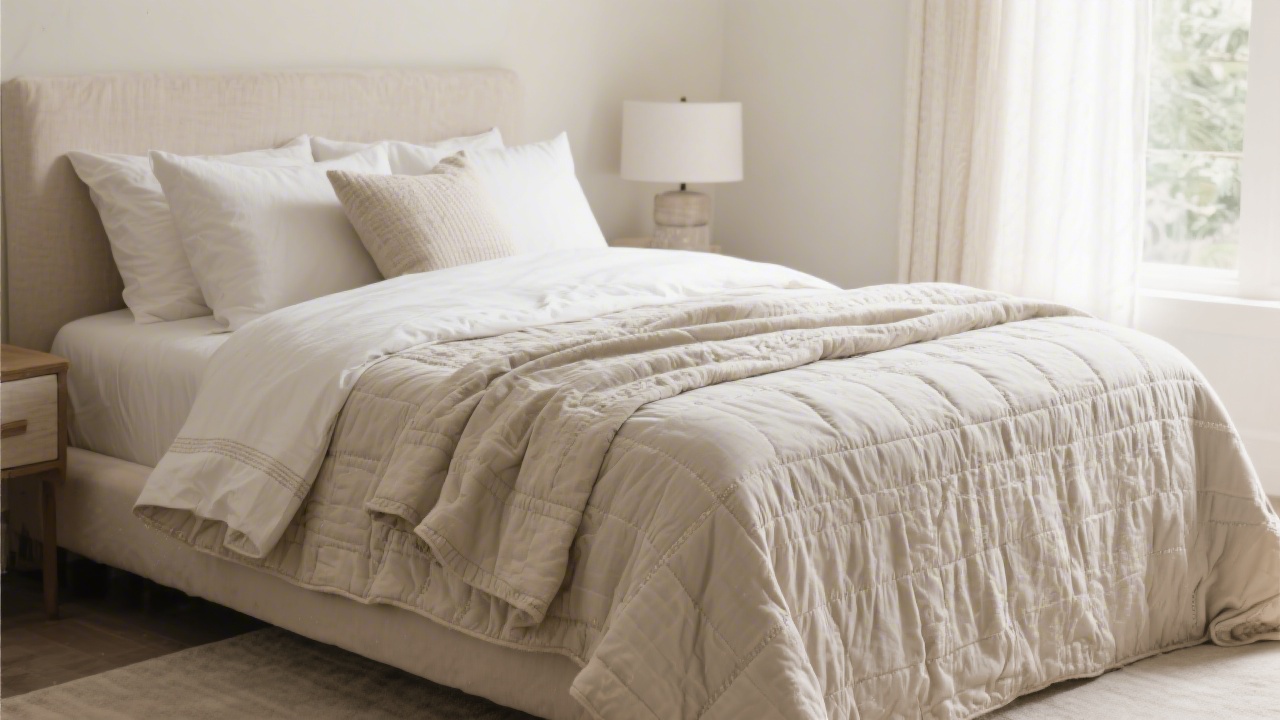
by A coverlet is a thin, flat bed cover — typically without any filling — used on top of sheets for decoration or as a lightweight layer. It differs from a comforter (which is thick and filled) and a duvet (which needs an insert). Understanding which is which helps you build a bed that looks and functions the way you want.
Coverlet vs Comforter vs Duvet: Quick Comparison
| Item | Filling | Primary Use | Warmth | Style |
|---|---|---|---|---|
| Coverlet | None (or very thin) | Decorative top layer, light warmth | Low | Tailored, structured |
| Comforter | Yes (fiber or down) | Main warmth layer | High | Fluffy, casual |
| Duvet | Separate insert | Main warmth layer (with cover) | High | Clean, interchangeable |
| Quilt | Thin batting | Decorative or light warmth | Low–Medium | Patterned, artisanal |
| Bedspread | Minimal | Full coverage, decorative | Low | Traditional, tailored to floor |
What Makes a Coverlet Different?
The defining features of a coverlet are:
- No significant fill: A coverlet is woven or quilted flat, with at most a thin layer of batting. It provides minimal insulation.
- Structured drape: Unlike a comforter, a coverlet hangs smoothly over the sides of the bed without excessive bunching.
- Decorative function: Coverlets are often used in hotel-style bed making — folded at the foot or layered over a duvet for a crisp, finished look.
- Size: A coverlet covers the mattress and sides but typically doesn't reach the floor. It's smaller than a bedspread.
When to Use a Coverlet
- Warm climates or summer use: A coverlet provides a light layer without the heat of a comforter or duvet.
- Layered bedding looks: Place a coverlet at the foot of the bed over a duvet for a hotel-style finish.
- Guest rooms: The tailored look reads as intentional and polished without requiring a full duvet ensemble.
- Children's beds: Easy to wash, lightweight, and less likely to be kicked off or tangled than thick comforters.
When Not to Use a Coverlet Alone
If you need actual warmth — temperatures below 65°F, cold sleepers, or winter bedding — a coverlet alone won't be sufficient. It works best as a layer on top of another warmth source (duvet insert, blanket) or as a standalone in warm conditions.
Coverlet Materials
- Cotton: Most common, breathable, washable. Percale and matelasse weaves are popular for a clean look.
- Linen: Textured, naturally cooling, gets softer with each wash.
- Velvet: Luxurious appearance, traps heat, dry-clean recommended.
- Microfiber: Budget option, wrinkle-resistant, less breathable.
Frequently Asked Questions
Is a coverlet the same as a quilt?
No. A quilt has three layers stitched together — a decorative top, batting middle, and backing — and features visible quilting patterns. A coverlet is typically flat-woven or very lightly padded without the three-layer construction or visible stitching patterns of a quilt.
Can a coverlet replace a comforter?
Only in warm conditions. A coverlet provides minimal warmth. For cooler temperatures, use it as a decorative layer over a duvet or blanket rather than as a standalone warmth solution.
How do you wash a coverlet?
Most cotton and microfiber coverlets are machine washable in cold or warm water on a gentle cycle. Velvet and some delicate weaves may require dry cleaning. Always check the care label before washing.
What size coverlet do I need for a King bed?
For a King bed (76x80"), look for a coverlet at least 108x90". King coverlets are typically sold as 108–110 inches wide to allow adequate side drape without reaching the floor.
Do I need both a coverlet and a duvet?
Not necessarily. Many sleepers use a duvet insert alone. The coverlet is used when you want a layered, hotel-style look — folded at the foot of the bed or layered over a duvet for visual structure and a finished aesthetic.
Voted best luxury innerspring mattress with exceptional lumbar support and white-glove delivery.
Check Price & Availability FAQPage", "mainEntity": [ {"@type":"Question","name":"Is a coverlet the same as a quilt?","acceptedAnswer":{"@type":"Answer","text":"No. A quilt has three stitched layers with visible quilting patterns. A coverlet is flat-woven or lightly padded without the layered construction."}}, {"@type":"Question","name":"Can a coverlet replace a comforter?","acceptedAnswer":{"@type":"Answer","text":"Only in warm conditions. A coverlet provides minimal warmth — use it as a decorative layer over a duvet or blanket in cooler temperatures."}}, {"@type":"Question","name":"How do you wash a coverlet?","acceptedAnswer":{"@type":"Answer","text":"Most cotton and microfiber coverlets are machine washable on gentle cycle in cold or warm water. Check the care label; velvet may require dry cleaning."}}, {"@type":"Question","name":"What size coverlet do I need for a King bed?","acceptedAnswer":{"@type":"Answer","text":"Look for at least 108x90 inches for a King (76x80") bed to allow adequate side drape."}}, {"@type":"Question","name":"Do I need both a coverlet and a duvet?","acceptedAnswer":{"@type":"Answer","text":"Not necessarily. A coverlet adds a hotel-style layered look when folded at the foot of the bed over a duvet, but it's optional."}} ] }