
 by
by White noise is a specific type of sound signal that contains equal energy across all audible frequencies simultaneously -- from 20 Hz to 20,000 Hz. Because it covers every frequency band, it effectively masks unpredictable sounds (a car door, a barking dog, a conversation) that would otherwise interrupt sleep. Here is everything you need to know about how it works, how it compares to other noise types, and how to use it effectively.
How White Noise Helps Sleep
The sleep disruption mechanism is contrast, not volume. A sudden sound at 55 dB will wake you even if ambient noise is 45 dB -- because the brain detects the change, not just the absolute level. White noise raises the ambient floor uniformly, reducing the perceptual contrast between background and sudden sounds. The result is fewer micro-arousals (brief wakings that fragment sleep without being remembered) and faster sleep onset in noisy environments.
A 2021 meta-analysis in Sleep Medicine Reviews found that white noise reduced sleep onset latency by an average of 38% compared to silence in noisy environments. The benefit was smaller in quiet rooms, where the masking effect is less necessary.
White Noise vs Pink Noise vs Brown Noise
| Type | Frequency Profile | Sounds Like | Best For |
|---|---|---|---|
| White noise | Equal energy all frequencies | TV static, fan hiss | Maximum masking in loud environments |
| Pink noise | More energy at low frequencies | Steady rainfall, rustling leaves | Longer sessions, more pleasant sustained listening |
| Brown noise | Even more bass emphasis | Heavy rain, distant thunder | Deep focus, ADHD-related sleep difficulty |
| Grey noise | Adjusted to equal perceived loudness | Neutral, flat | Tinnitus masking |
For pure noise masking, white noise is most effective. For comfort over a full night, most users prefer pink or brown noise -- the lower frequency emphasis is less fatiguing over 7-8 hours of continuous listening.
Best White Noise Options for Sleep
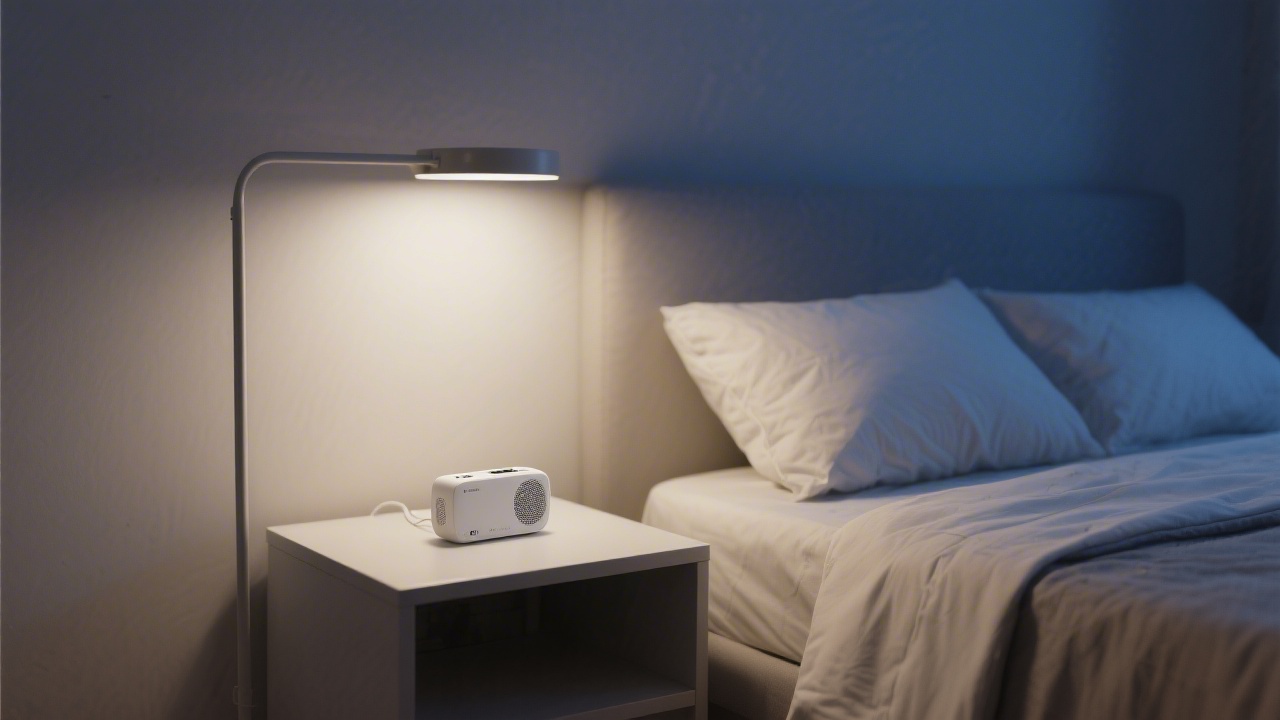
- Dedicated white noise machines: The LectroFan EVO ($50) and Marpac Dohm Classic ($45) are the category standards. The Dohm uses a mechanical fan for non-looping, natural white noise. The LectroFan uses digital synthesis with 22 sound options including fan sounds, white, pink, and brown noise.
- Box fan: An inexpensive analog option. A 20-inch box fan on medium provides effective broadband masking at approximately 55-60 dB. Not adjustable, but consistent and never requires charging.
- Apps: Calm, Headspace, and dedicated apps like White Noise Lite (free) provide adjustable noise types without purchasing hardware. Use a phone speaker at low volume or a Bluetooth speaker pointed away from the bed.
- Smart speakers: Alexa, Google Home, and Siri all offer white or pink noise commands. Convenient but requires active internet and voice activation -- some users find this less reliable for uninterrupted overnight use.
Volume and Placement Guidelines
Volume is the only genuine risk with white noise. Keep the machine or speaker at least 7 feet from the sleeping position. Target 50-60 dB at the ear -- roughly the volume of a normal conversation. At these levels, nightly use poses no hearing risk. Above 70 dB sustained exposure can accumulate hearing damage over time.
For infants specifically, the American Academy of Pediatrics recommends a maximum of 50 dB at the infant's ear and placement on the far side of the room, not adjacent to the crib.
Does White Noise Work for Everyone?
No. Approximately 10-15% of users find continuous broadband noise stimulating rather than relaxing, particularly those with hyperacusis (sound sensitivity) or certain anxiety profiles. For this group, pink or brown noise at lower volumes, or nature sounds (rain, ocean waves), are better starting points. The mechanism is the same -- steady masking -- but the lower high-frequency content is less activating for sensitive listeners.
White noise addresses one dimension of sleep quality: environmental noise disruption. For full sleep improvement, it works best combined with a sleep-supportive mattress and consistent sleep hygiene. See our best mattress for couples guide for managing another common disruption source (partner movement), and our best mattress overall guide for the foundation.
A Quieter Sleep Environment Starts With Your Mattress
White noise handles ambient sound. The Saatva Classic handles support, pressure relief, and temperature. 365-night trial.
Frequently Asked Questions
Does white noise actually help you sleep?
Yes -- multiple studies confirm that white noise reduces the time it takes to fall asleep (sleep onset latency) by masking unpredictable environmental sounds like traffic, voices, and doors. The benefit is largest in noisy urban environments. It does not directly deepen sleep stages, but consistent sound masking prevents micro-arousals.
What is the difference between white, pink, and brown noise?
White noise contains equal energy at all frequencies -- it sounds like static. Pink noise has more energy at lower frequencies, producing a softer, more natural sound (similar to steady rain). Brown noise (also called red noise) has even more bass energy -- it sounds like a deep rumble or heavy rain. Pink and brown noise are generally perceived as more pleasant for long sleep sessions.
Is it safe to sleep with white noise every night?
At safe volumes (below 65 dB, ideally 50-60 dB), nightly white noise use poses no known hearing risk. The concern is volume, not frequency. Keep the device at least 7 feet from the bed and use a volume setting that masks noise without being louder than a normal conversation.
What is the best white noise sound for sleep?
Pink noise and brown noise are reported by most users as more pleasant for extended sleep use compared to pure white noise. However, the best sound is the one that effectively masks your specific noise environment. Test both. Apps like Calm and dedicated machines like the LectroFan EVO offer multiple options to compare.
Can white noise help babies sleep?
Yes -- white noise approximates the sound environment of the womb and is widely used for infant sleep. The American Academy of Pediatrics advises keeping machine volume below 50 dB at the infant's ear position and placing it away from the crib, not directly adjacent to it.