
 by
by Our Pick: The Saatva Classic earns top marks for support, durability, and customer service — a strong choice at any stage of your mattress search.
Most people know the 7–10 year rule. Most people also ignore it and sleep on mattresses that are 12, 15, sometimes 20 years old. The annual reminder from the mattress industry doesn't motivate replacement — concrete, observable signs do. This guide gives you the specific tests to run so you know with confidence whether you've waited too long.
Why the Age Rule Is Insufficient
A mattress that was well-cared for (mattress protector, proper foundation, rotated regularly) in a guest room used 30 nights a year will outlast a mattress slept on every night by two heavy sleepers. Calendar age is a rough guideline. Physical condition and sleep quality impact are the real measures.
The Four Definitive Tests
Test 1: The Sag Test
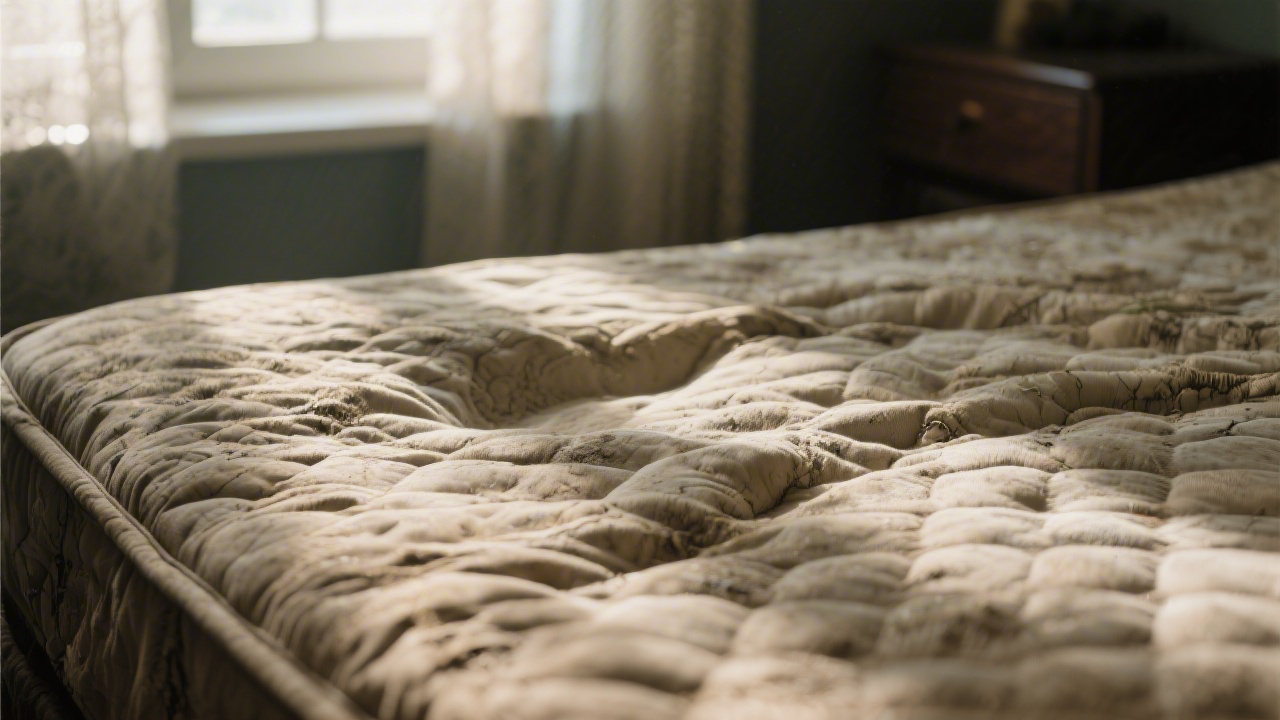
Remove all bedding and look at your mattress surface from eye level at the side. A properly supportive mattress should be essentially flat or have only minimal surface contouring. Warning signs:
- Visible valleys or depressions where you sleep — if you can see them unoccupied, they're real
- Different surface height on the sleeping side versus the unused side
- Sagging at the edges where you sit to put on shoes or read
1 inch of visible sag starts to affect sleep quality. 1.5 inches is the clear replacement threshold. Use a straight edge (broomstick, level) across the width to measure if unsure.
Test 2: The Spring Test
Sit on different areas of the mattress — center, edges, corners — and listen. Any of the following indicate structural failure:
- Squeaking or creaking sounds on an innerspring or hybrid mattress
- Localized areas that feel dramatically softer or firmer than the surrounding surface
- Springs that feel like they're poking or uneven through the comfort layers
Note: foam-only mattresses don't have springs to squeak, but they do develop localized compression failures that feel like soft spots. Press with your palm on various areas — consistency matters.
Test 3: The Pain Correlation Test
This is the most important test because it connects mattress condition to actual health impact:
- Do you wake up with pain (lower back, hips, shoulders) that improves within 30 minutes of getting up?
- Do you sleep better in hotel beds, on guest mattresses, or anywhere other than your own bed?
- Have you changed your sleep position to avoid pressure points that didn't exist before?
- Do you sleep in only part of the bed because the rest feels worse?
Any "yes" answer deserves serious attention. Sleep-onset pain that resolves with movement is a classic mattress deterioration symptom.
Test 4: The Allergen Test
Mattresses accumulate dust mites at significant density over years — up to 10 million in an older mattress. Signs of allergen-related sleep disruption:
- Waking with congestion, runny nose, or sneezing that isn't present later in the day
- Itchy or watery eyes immediately after waking
- Asthma symptoms that are worse at night or in the morning
If these symptoms appeared gradually and worsen over time, allergen buildup is a likely contributor. Note: a mattress protector significantly slows accumulation. A mattress without a protector for 8+ years has reached its allergen load ceiling.
Additional Signs You've Waited Too Long
- You dread going to bed: Anticipatory discomfort about sleeping on your own mattress is a meaningful signal.
- You're sleeping on the edge: If you've migrated to a sliver of the bed to avoid a soft center, the center needs to be replaced — not accommodated.
- Your mattress is from two life stages ago: The mattress you bought at 28 for a studio apartment may not serve your needs at 45 with different body weight, health considerations, or sleep patterns.
- The warranty has long expired: Most warranties cover 10–15 years. A mattress beyond its warranty period has no manufacturer support for the issues that are almost certainly present.
Once You've Decided to Replace
Our mattress shopping timeline outlines the optimal 2–3 week decision process. For first-time buyers or those who haven't shopped in over a decade, the complete buyer guide covers how the market has changed and what to look for today. For context on how much the total investment actually costs over time, see our mattress total cost of ownership analysis.
Frequently Asked Questions
How do I know if my mattress is causing my back pain?
Sleep in a different bed (guest room, hotel) for 3 consecutive nights and note whether your back pain reduces. If it does, your mattress is contributing. Also note whether the pain is worse immediately after waking and improves after 30 minutes of movement — that's a strong mattress signal.
Can a mattress be too old even if it looks fine?
Yes. Foam compression and spring fatigue happen at the material level and aren't always visible. A mattress can look intact while providing significantly less support than when new. The visual inspection is necessary but not sufficient — the physical sag test and pain correlation test matter more.
What is the sagging threshold for mattress replacement?
1.5 inches of visible sag is a commonly cited threshold. More practically: if you can see a valley in the mattress when unoccupied and after making the bed, you've crossed the replacement threshold. At 1 inch of sag, most people notice sleep quality degradation.
Do allergens in old mattresses cause sleep problems?
Yes. Mattresses accumulate dust mites, dead skin cells, and other allergens over years. If you wake with congestion, sneezing, or itchy eyes that improve after leaving the bedroom, allergen buildup may be disrupting your sleep. A mattress protector slows accumulation significantly.
Is 7 years the right replacement timeline for all mattresses?
7–10 years is a guideline, not a rule. High-quality innerspring and latex mattresses often last 10–12 years. Budget foam mattresses may need replacement at 5 years. The physical tests matter more than the age calendar.
Ready to Make Your Decision?
The Saatva Classic offers a 365-night home trial, free white-glove delivery, and one of the best return experiences in the industry.
Our Top Mattress Pick
The Saatva Classic consistently ranks #1 for comfort, support, and long-term durability.
View Saatva Classic Pricing & Details