
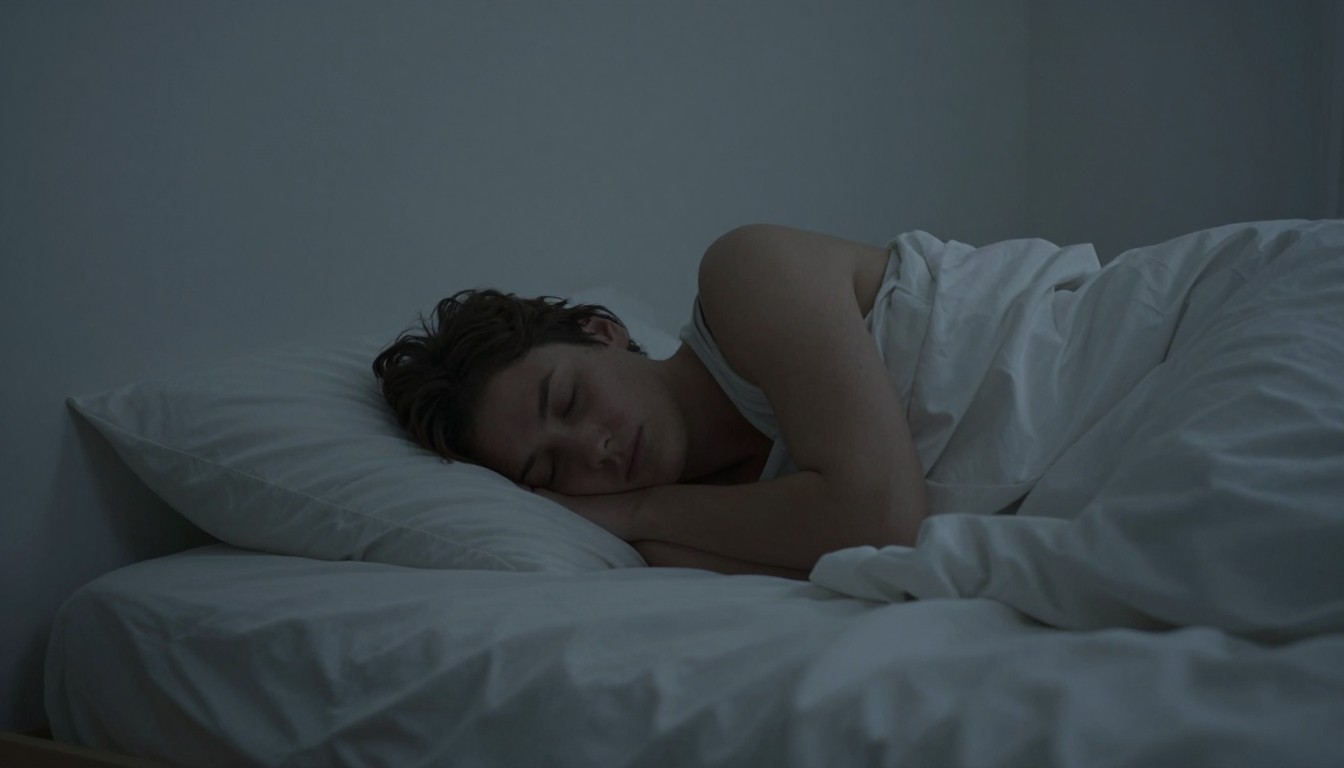
 by
by Quick answer: The blanket rule is misleading. After a suspected concussion, get professional guidance on whether sleep is appropriate and exactly how to monitor for red flags.
- ScienceScout describes the blanket warning as a “concussion sleep myth.”
- The source treats sleep clearance and red-flag monitoring as separate questions.
- A fixed “never sleep” rule answers neither question for an individual case.
Updated July 2026 · Reviewed for accuracy
If someone has had a possible concussion, don’t use an internet slogan as medical clearance. The useful question isn’t simply whether the person feels sleepy. It’s whether a qualified professional has assessed the situation and provided clear instructions for sleep, observation and escalation.
I’d treat “you shouldn’t sleep after a concussion” as an incomplete warning. It may prompt caution, but it doesn’t tell you whether sleep is safe, whether monitoring is needed or what change should trigger emergency help.
The “don’t sleep” rule is too blunt
The search phrase contains an absolute: you shouldn’t sleep. That is precisely where the advice becomes unreliable. The ScienceScout discussion of concussion and sleep frames the blanket warning as a myth, then separates the issue into two practical questions: when sleep is safe and how red flags should be monitored.
That distinction matters. “Stay awake” sounds like a complete safety plan, but it doesn’t establish whether the person has been properly assessed. It also doesn’t define what an observer should watch for, whether waking checks are required or whom to contact if the situation changes.
| Blanket statement | More useful question |
|---|---|
| “Never let them sleep.” | Has a qualified professional said sleep is appropriate? |
| “Keep waking them.” | Was a specific waking or observation schedule given? |
| “They seem fine now.” | What assessment was completed, and what follow-up instructions apply? |
| “I’ll know if something is wrong.” | Which exact changes require professional or emergency help? |
I wouldn’t try to settle those questions by judging how tired, alert or comfortable the person looks. An article cannot examine them, clarify the circumstances of the injury or interpret a change in their condition. That requires direct professional guidance.
The practical takeaway: Don’t make sleep the test. Get a case-specific decision about whether sleep is appropriate, then follow the monitoring instructions attached to that decision.
What to do before the person goes to sleep
A person who wants to close their eyes after a head impact needs a safety decision, not reassurance based on the time of day. If a concussion is suspected and no professional has assessed the situation, contact an appropriate medical service and explain what happened. If the situation appears urgent or is changing, use emergency services rather than waiting for an online answer.
Be ready to describe the event and what you have observed in plain language. Don’t embellish the account, diagnose the injury yourself or minimize a change because the person wants to sleep. Let the professional decide which details matter and what should happen next.
Questions to ask before bedtime
- Is it appropriate for this person to sleep now?
- Does someone need to remain nearby?
- Should the person be woken or checked during sleep?
- What exactly should the observer look for?
- Which change requires another call or emergency help?
- Who should be contacted if an instruction is unclear?
Ask for direct answers. “Keep an eye on them” can be too vague for a worried caregiver at bedtime. Clarify what observation means, whether active waking is part of the plan and what response the professional expects during any check.
Write the instructions down as they are given. A written plan reduces the temptation to substitute a remembered myth, a social-media comment or another family’s experience for the advice that applies to the person in front of you.
If the instructions are incomplete, call back and ask. I’d rather repeat a basic question than improvise a medical rule at midnight. If you cannot reach the original service and cannot establish that waiting is safe, contact an appropriate urgent or emergency service.
Build a monitoring plan you can actually follow
A caregiver who has been told to monitor someone needs more than the word “watch.” The plan should assign responsibility, preserve the professional’s wording and identify the point at which observation becomes a call for help. ScienceScout’s framing makes red-flag monitoring central, but the specific red flags and response thresholds should come from the professional handling the case.
Don’t create your own examination or assume that one successful check settles the rest of the night. If the professional wants a particular response assessed, ask how to perform that check and what result is acceptable. If no waking checks were prescribed, don’t invent a schedule simply because the old warning says nobody with a concussion should sleep.
| Plan element | What to write down |
|---|---|
| Sleep decision | Whether sleep is permitted and whether any conditions apply. |
| Observer | The person responsible, without assuming someone else will do it. |
| Checks | The exact timing and method, but only if checks were prescribed. |
| Red flags | The professional’s precise wording, not a shortened guess. |
| Escalation | Who to contact, under which circumstances and by what method. |
The observer also needs to be able to carry out the plan. If that person is exhausted, confused about the instructions or unable to stay nearby, say so before leaving the professional’s care. A monitoring plan that cannot be followed needs to be clarified, not quietly abandoned.
A useful call-back script: “I was told that sleep is permitted, but I’m unclear about the monitoring instructions. Please tell me whether I should wake the person, what I should observe and what would require immediate help.”
How to handle bedtime after sleep is cleared
Once a qualified professional has said sleep is appropriate, set up the room around the instructions you were given. Keep the written plan and a working phone within reach. Make sure the named observer understands that they are responsible, rather than leaving the role to whoever happens to be awake.
If checks were prescribed, follow the stated schedule and method. Don’t move the checks earlier, skip them or add extra tests based on a generic article. If an instruction cannot be completed or the response is not what the professional described, use the contact or emergency pathway in the plan.
- Keep the professional’s instructions together and easy to read.
- Confirm who is responsible for each observation period.
- Use only the waking or checking method that was prescribed.
- Record observations without trying to diagnose their meaning.
- Escalate according to the stated threshold rather than waiting for certainty.
A mattress, pillow or sleep position cannot provide medical clearance. Comfort may make bedtime easier, but it doesn’t answer whether the person should sleep or whether observation is required. I would keep product decisions completely separate from the safety plan.
Don’t let the opposite myth take over either. Learning that “never sleep” is too absolute doesn’t mean every suspected concussion can be handled with an ordinary bedtime. The assessment and monitoring instructions remain the controlling information.
The rule I’d actually remember
The useful rule is simple: after a suspected concussion, don’t decide about sleep from the slogan alone. Get an individual assessment, ask whether sleep is appropriate, obtain exact monitoring instructions and know how to escalate a concern.
Keep these boundaries clear:
- Sleep permission is not the same as a diagnosis.
- Observation is not a substitute for professional assessment.
- A generic waking schedule is not a case-specific instruction.
- Uncertainty about safety is a reason to seek direct help, not to guess.
Keep advice for different recovery situations separate as well. Guidance on sleeping after wisdom teeth removal or sleeping after cervical neck surgery answers different questions. Neither page should be used as concussion clearance.
My view is that the old warning survives because it is memorable, not because it is complete. A professional decision followed by a clear observation plan is more useful than forcing someone to remain awake without knowing what risk is being managed.
FAQ
Is it always dangerous to sleep after a concussion?
The blanket “never sleep” statement is misleading, and ScienceScout explicitly frames it as a concussion sleep myth. Whether sleep is appropriate in an individual situation should be decided through professional assessment, with separate instructions for monitoring red flags.
How long should someone stay awake after a suspected concussion?
Don’t choose an arbitrary countdown from a generic article. Ask a qualified professional whether the person may sleep now and whether any period of observation is required before bedtime. If no one has assessed the situation and you are concerned, seek direct medical guidance.
Should I wake someone who is sleeping after a concussion?
Only follow a waking schedule if an appropriate professional has instructed you to do so. Ask for the exact schedule, the method of checking and the response that should trigger a call. Don’t invent repeated waking checks from the blanket myth.
Which warning signs should I monitor?
ScienceScout identifies red-flag monitoring as part of the real sleep question, but the usable checklist should come from the professional evaluating the person. Write that list down exactly, including what action to take and whom to contact if a listed change occurs.
What if the person is difficult to check or I’m unsure what I’m seeing?
Don’t diagnose the meaning yourself or wait for complete certainty. Follow the escalation instructions you were given. If those instructions are missing, the situation appears urgent or you cannot determine that waiting is safe, contact an appropriate emergency service.