
 by
by 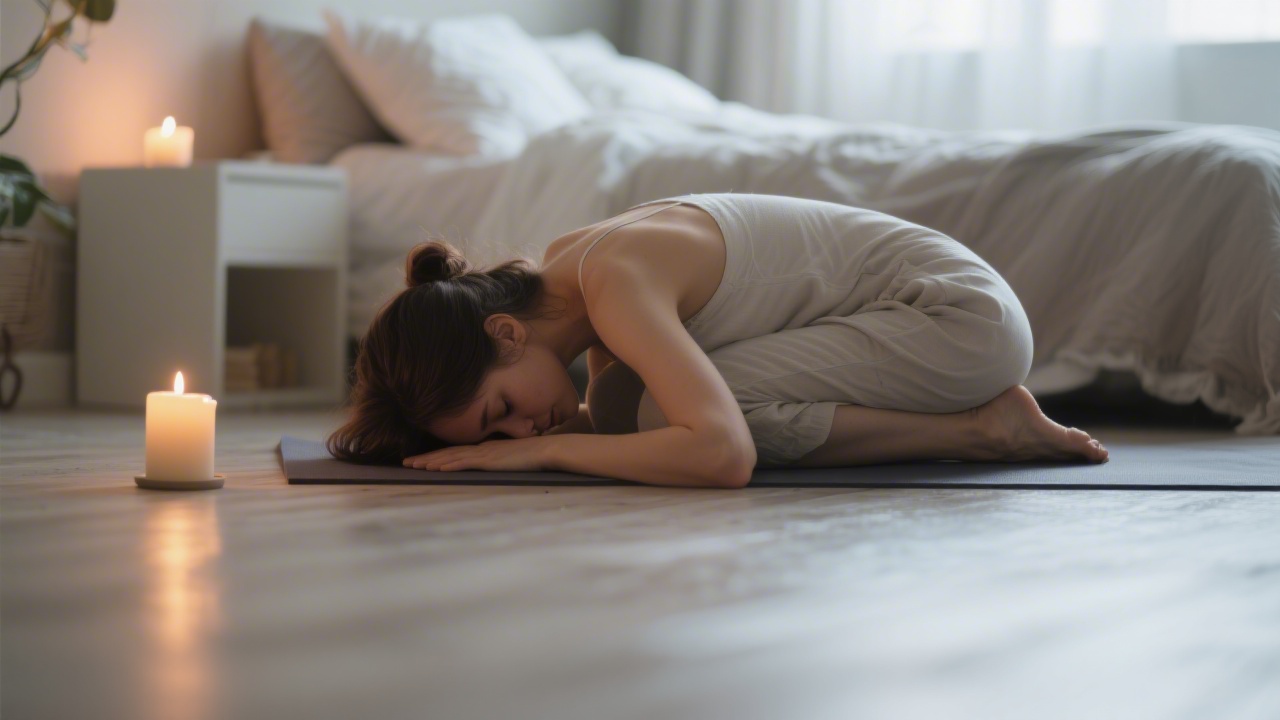
Not all yoga is equal for sleep. A 90-minute hot Vinyasa class at 8 PM will raise your core temperature and heart rate in ways that delay sleep onset by 1-2 hours. The yoga that helps sleep is slow, long-held, and parasympathetically focused — the kind that makes you drowsy before you leave the mat.
Editor's Pick
Saatva Classic Mattress
Coil-on-coil support with pressure-relieving Euro pillow top. Consistent 5-star ratings for spinal alignment and comfort — relevant when your sleep quality matters most.
Affiliate link — we may earn a commission at no extra cost to you.
How Yoga Supports Sleep
Restorative and Yin yoga styles work through several mechanisms relevant to sleep. Long-held forward folds and inversions increase parasympathetic tone by stimulating baroreceptors in the neck and stretching the posterior chain, which holds accumulated physical tension from the day. Slow yoga breathing at 4-6 breaths per minute activates the vagus nerve. The focused attention on physical sensation reduces pre-sleep cognitive load.
A 2013 randomized controlled trial published in Applied Nursing Research found that an 8-week yoga intervention significantly improved sleep quality, sleep efficiency, total sleep time, and daytime dysfunction in older adults. Yoga was not compared to sleep medication in this study, but the magnitude of improvement was clinically significant.
8 Bedtime Yoga Poses
1. Child's Pose (Balasana) — Hold 2-3 minutes
Kneel on the floor, sit back toward your heels, fold forward with arms extended. This forward fold calms the nervous system and releases tension in the lower back and hips. It is the most accessible starting pose for most adults.
2. Supine Spinal Twist — Hold 2 minutes per side
Lie on your back, bring one knee to your chest, then guide it across your body while keeping both shoulders on the floor. Wrings tension from the spinal muscles and stimulates the vagus nerve through compression and release of the abdominal organs.
3. Legs Up the Wall (Viparita Karani) — Hold 5-10 minutes
Lie on your back and rest your legs vertically against a wall. The mild inversion shifts blood flow and activates the parasympathetic response. Studies on yoga Nidra and inversion postures show measurable heart rate reduction within 3-5 minutes.
4. Seated Forward Fold (Paschimottanasana) — Hold 3 minutes
Sit with legs extended and fold forward over them. The hamstring and spinal stretch paired with the forward-folded position produces a strong calming response. Use a pillow or bolster on your legs if the stretch is too intense — the relaxation comes from the position, not the depth of stretch.
5. Butterfly Pose (Baddha Konasana) — Hold 3 minutes
Sit with the soles of your feet together and knees falling outward. Allow gravity to do the work — do not press the knees down. This yin pose targets the inner groin and hips, where many people hold chronic tension related to sedentary work.
6. Corpse Pose (Savasana) — Hold 5 minutes
Lie flat on your back with arms slightly away from the body, palms up. Close your eyes. This pose is the entry point to Yoga Nidra (yogic sleep) practice and is the natural endpoint of any bedtime yoga sequence. It is more intentional than simply lying in bed — the specific body position and intentional stillness signal the nervous system toward rest.
7. Reclining Bound Angle (Supta Baddha Konasana) — Hold 5 minutes
From butterfly, recline back over a bolster or folded blanket. This is one of the most restorative poses in the Yin tradition — the supported chest opening combined with hip release produces a deep physical relaxation that is difficult to achieve through any other means.
8. Extended Exhale Breathing in Savasana — 5 minutes
In Savasana, breathe in for 4 counts and out for 6-8 counts. The extended exhale is not a breathing exercise bolted onto yoga — it is the natural completion of the parasympathetic activation the postures began. End the sequence here and move directly to bed.
Related Reading
Building a Bedtime Yoga Routine
A practical 20-minute bedtime sequence: Child's Pose (3 min) → Seated Forward Fold (3 min) → Supine Spinal Twist (4 min total) → Legs Up the Wall (5 min) → Savasana with extended exhale breathing (5 min). Practice on a mat next to your bed so the transition to sleep is immediate.
Editor's Pick
Saatva Classic Mattress
Coil-on-coil support with pressure-relieving Euro pillow top. Consistent 5-star ratings for spinal alignment and comfort — relevant when your sleep quality matters most.
Affiliate link — we may earn a commission at no extra cost to you.
Frequently Asked Questions
How long before bed should I do yoga?
Yin and restorative yoga can be practiced 15-30 minutes before bed. Avoid vigorous styles like Vinyasa or Power Yoga within 2 hours of sleep — the elevated heart rate and core temperature from intense practice can delay sleep onset.
Which yoga style is best for sleep?
Yin yoga and Restorative yoga are the best-studied for sleep. Both use long-held passive poses that activate the parasympathetic nervous system. Yoga Nidra (yogic sleep) is specifically designed for the sleep-wake threshold and has strong research support for insomnia.
Can yoga replace sleep medication?
Yoga is a complementary intervention, not a pharmaceutical replacement. However, a 2013 randomized controlled trial in older adults found that yoga improved sleep efficiency, total sleep time, and sleep quality compared to controls — without side effects.
Is it okay to do yoga poses in bed?
Several bedtime poses — supine spinal twist, legs-up-the-wall adapted version, and corpse pose — can be done in bed on a firm mattress. The lack of a firm floor surface limits some poses, but bed yoga is practical and effective for people with limited mobility.
Does hot yoga help sleep?
The evidence is mixed. The elevated core temperature during hot yoga requires 1-2 hours to normalize. If practiced in the late afternoon, the post-exercise temperature drop can actually facilitate sleep onset — similar to the mechanism behind a warm bath before bed.