
 by
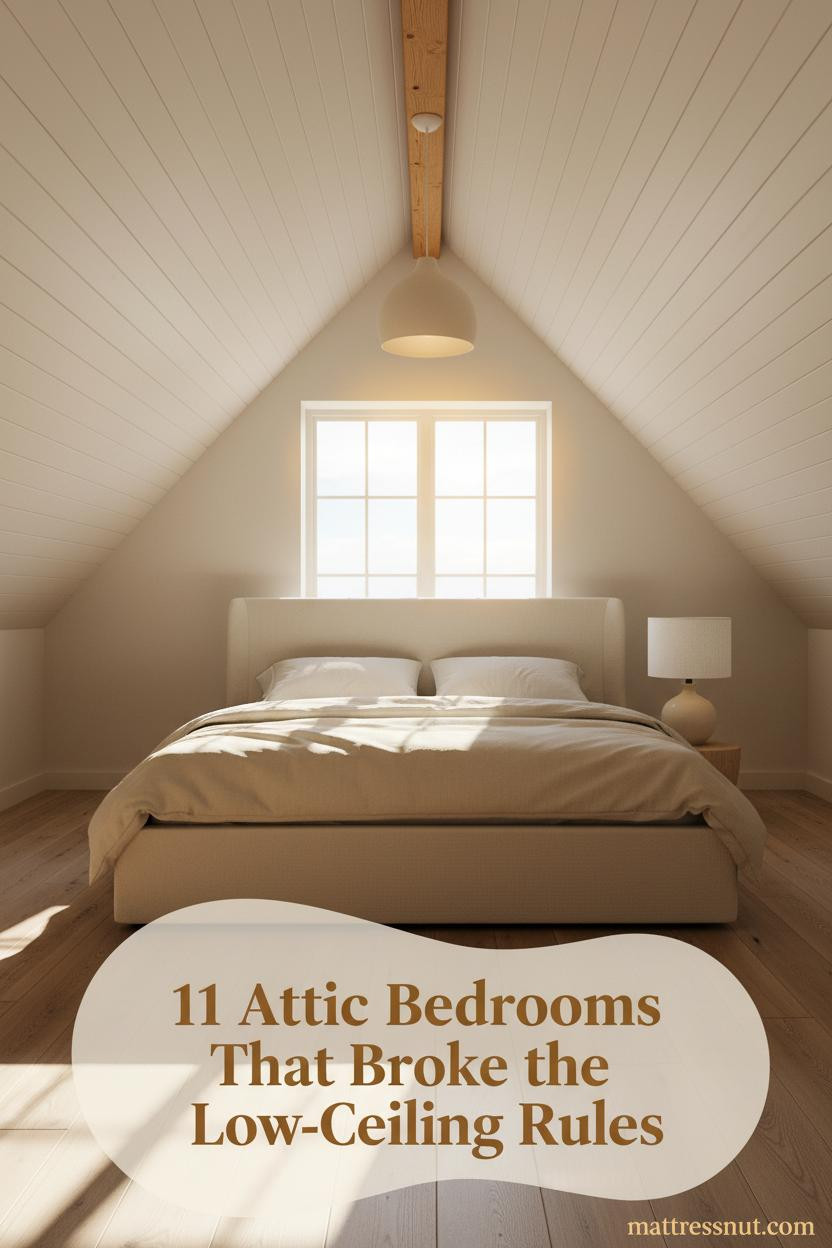
by The first thing you notice in the best attic bedroom ideas master designs is that the sloped ceiling isn't a problem. It's the whole point. These rooms work because someone stopped fighting the architecture and started using it.
Make the look happen: Saatva beds & furniture
Saatva's furniture catalog matches the look of the bedrooms featured above with handcrafted, solid-wood construction rather than MDF veneer. The collection covers upholstered bed frames (linen, velvet, leather), four-poster & canopy beds, platform beds, storage beds with hydraulic lift, and matching nightstands, dressers, benches, and headboards.
All furniture ships via free White Glove delivery with in-room setup, removal of packaging, and assembly included. Current promotion: up to $625 off sitewide, plus the $225 off orders $1,000+ professional discount via ID.me (military, veterans, first responders, nurses, teachers).
Ownership terms: 45-day return on furniture, 1-year warranty on frames. Pairs naturally with the Saatva Classic mattress.
Eleven rooms that prove a low ceiling doesn't mean a lesser bedroom. Just a smarter one.
The MCM Attic Room That Makes Low Ceilings Feel Intentional
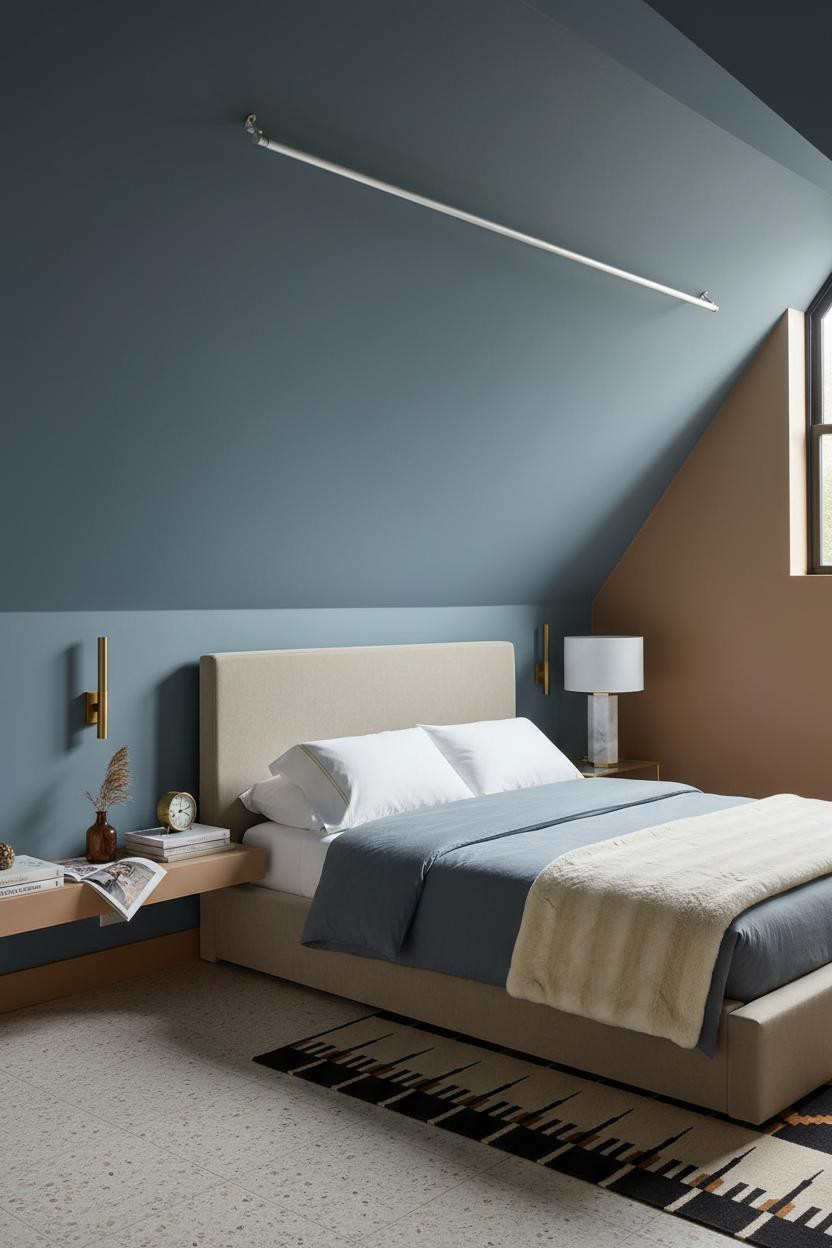


I keep coming back to this one. The geometry is tight but it never feels cramped.
Why it holds together: The slate-blue plaster ceiling treats the slope as a design surface instead of a structural apology, and the industrial tension rod at mid-height gives the eye somewhere to land without dropping the room.
Steal this move: Anchor the bed zone with a flat-weave geometric rug so the pale terrazzo floor doesn't read as cold and unfinished.
How Rough-Hewn Timber Collar Ties Earn Their Keep
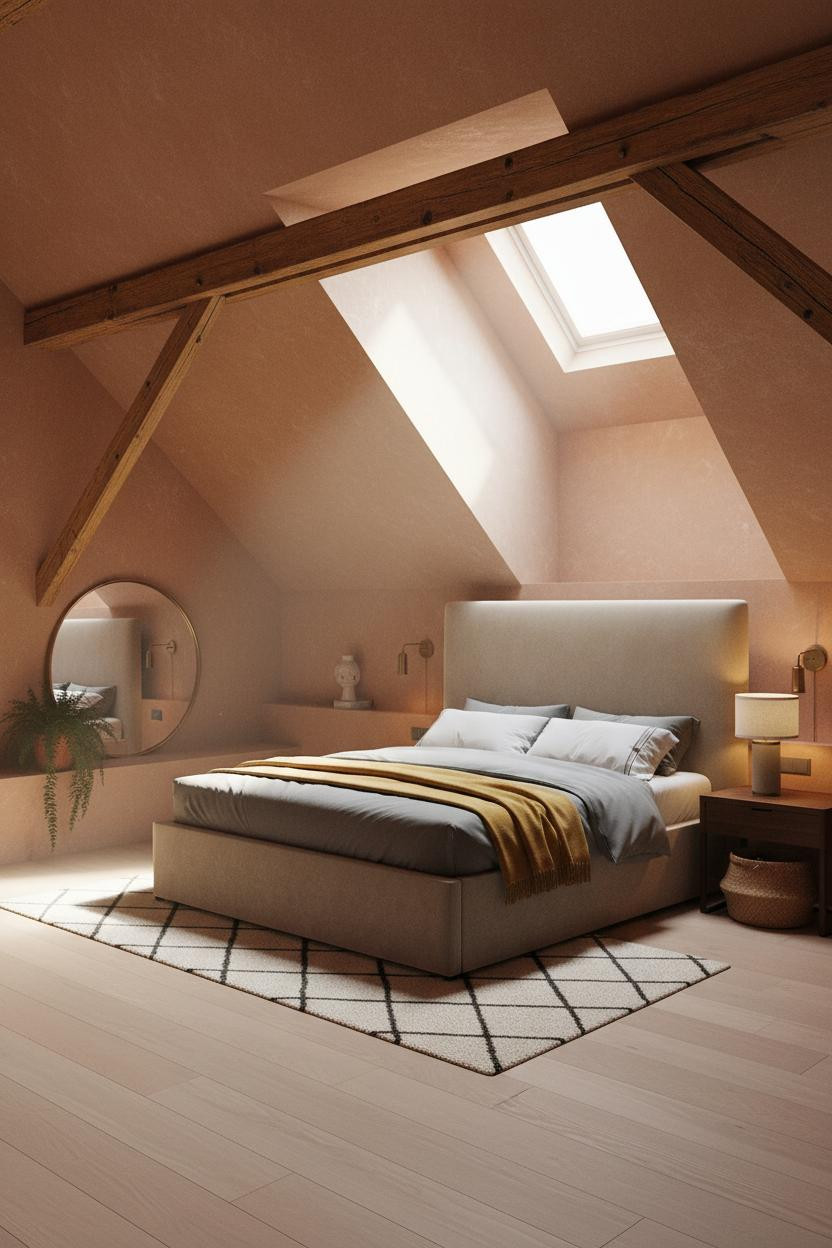


This one surprised me. Terracotta walls in a low-ceiling room shouldn't work this well.
But the dark honey-brown collar ties spanning the peak create enough graphic contrast against the warm plaster that the room feels structured rather than squashed. That contrast does the heavy lifting.
Lean an oversized round mirror against the knee wall. It reflects the collar-tie geometry and makes the whole volume feel twice as considered.
The Farmhouse Attic That Finally Gets Board-and-Batten Right
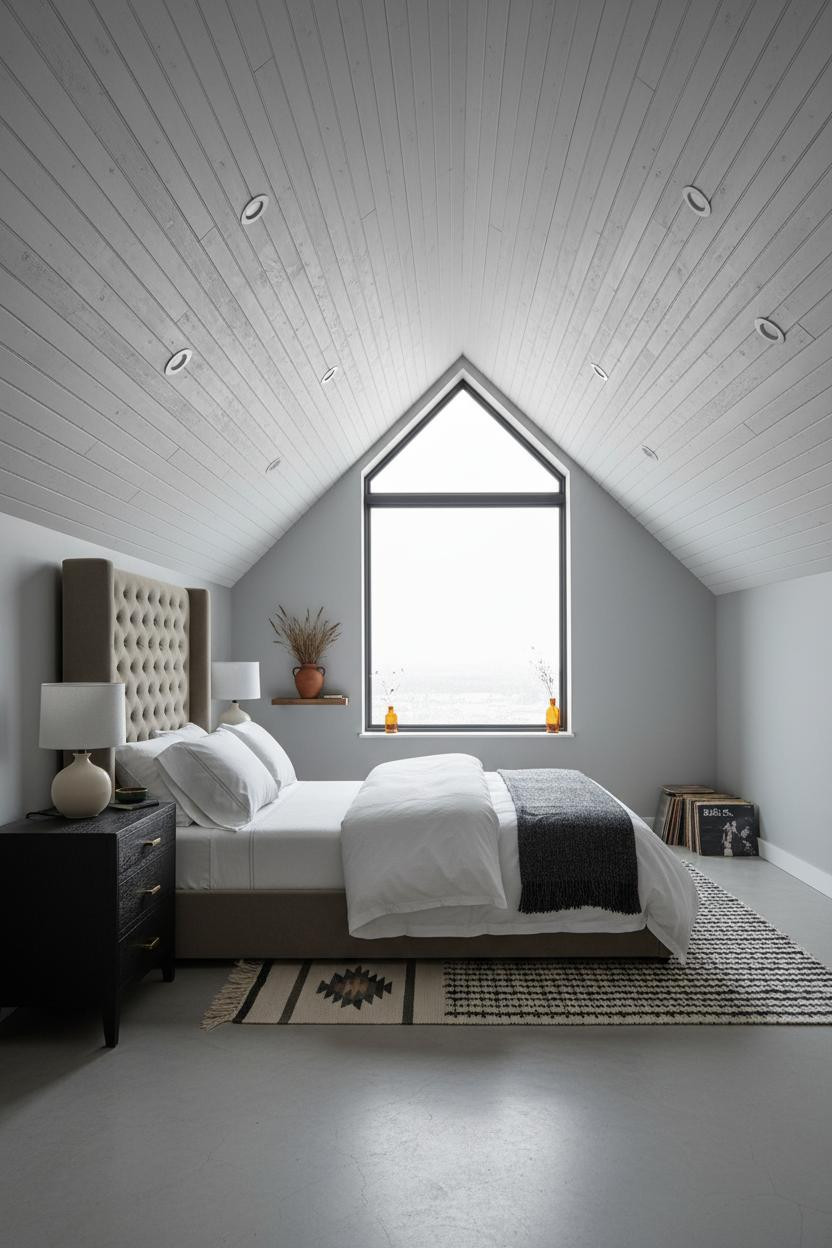


The room feels calm and honestly a bit cathedral, which I wasn't expecting from white-painted cladding.
What creates the mood: Running white-painted board-and-batten the full length of both pitched planes draws the eye ridge-to-eave instead of side-to-side, which makes the sloped ceiling feel tall rather than oppressive.
The easy win: Pair a stone-washed charcoal throw with white cotton percale so the bedding doesn't compete with the wall texture overhead.
Dark Shiplap in a Tight Attic Is a Commitment Worth Making
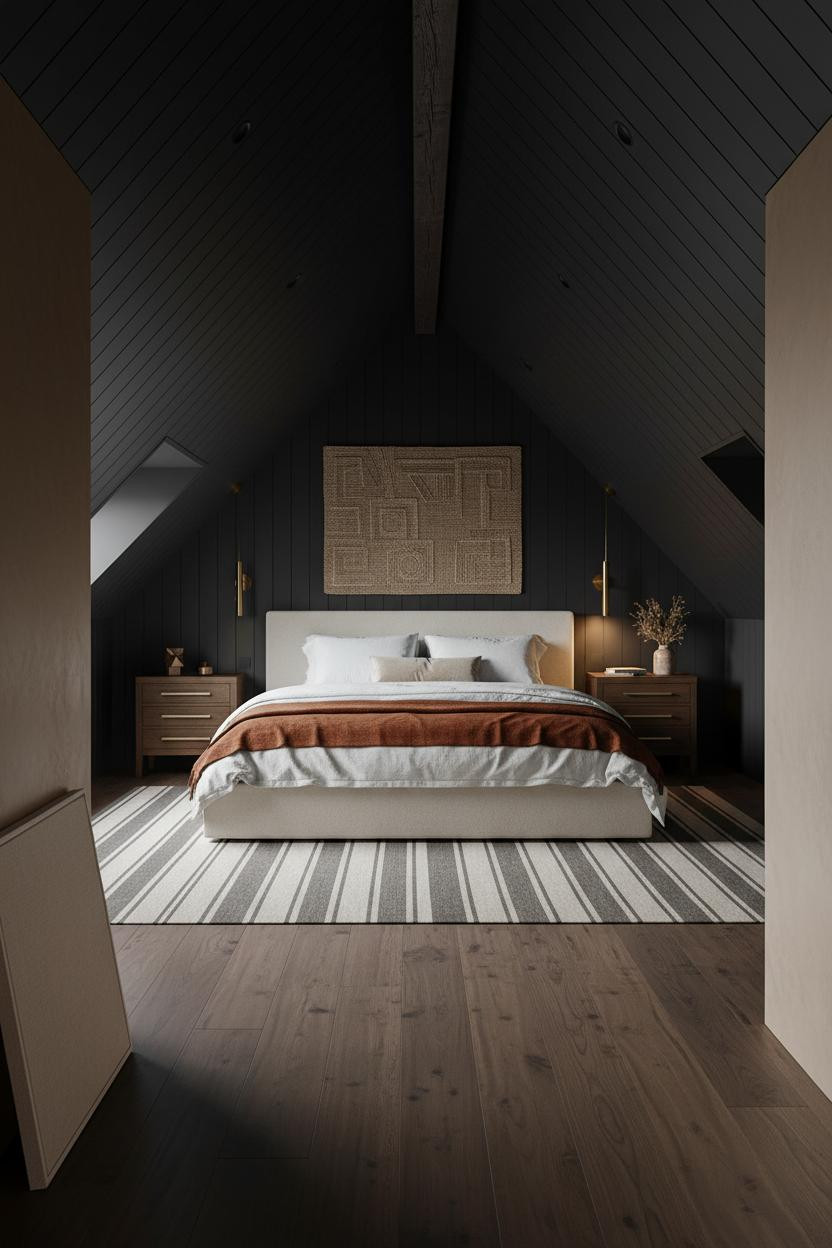


Fair warning. Deep charcoal shiplap floor-to-ridge is not a halfway decision.
But the couples who commit find that the narrow vertical shiplap planks in charcoal-black make the pitched ceiling feel like architecture on purpose, which is a different feeling entirely from "low ceiling I can't fix."
Avoid this mistake: Don't offset the dark walls with a cool-toned rug. A warm stone-and-cream stripe keeps the room from tipping into a cave.
Why Linen Curtains Change the Scale of a Sloped-Ceiling Room
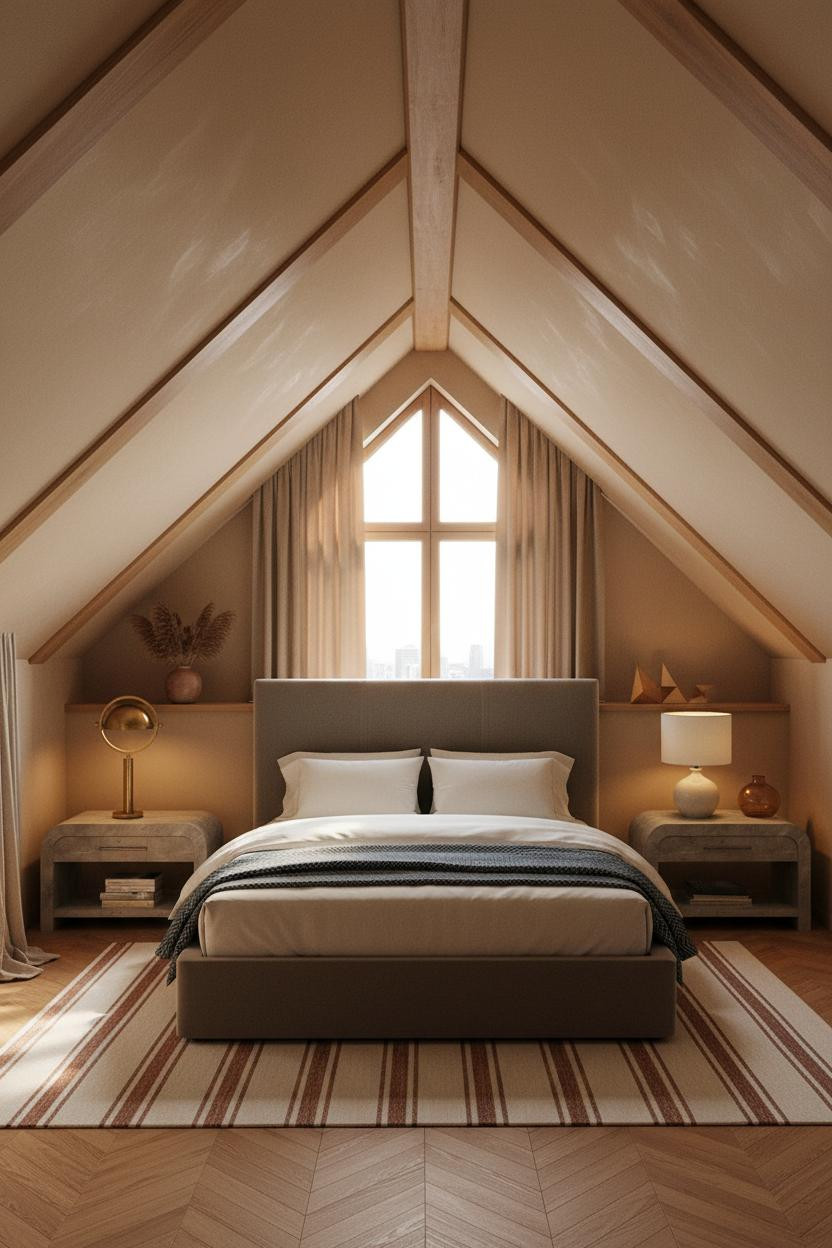

Having floor-to-ceiling curtains in a low attic room changes how you actually read the height.
The reason it feels generous instead of compressed is that natural linen panels flanking the gable window pull the eye vertically, even when the ceiling line tells you otherwise. Camel walls in a warm tone family keep the whole room cohesive rather than divided by the slope.
The smarter choice: Fold a steel blue herringbone throw at the foot so the bedding breaks the warm-only palette just enough.
The Coastal Attic That Proves Pale Blue Works Under Sloped Ceilings
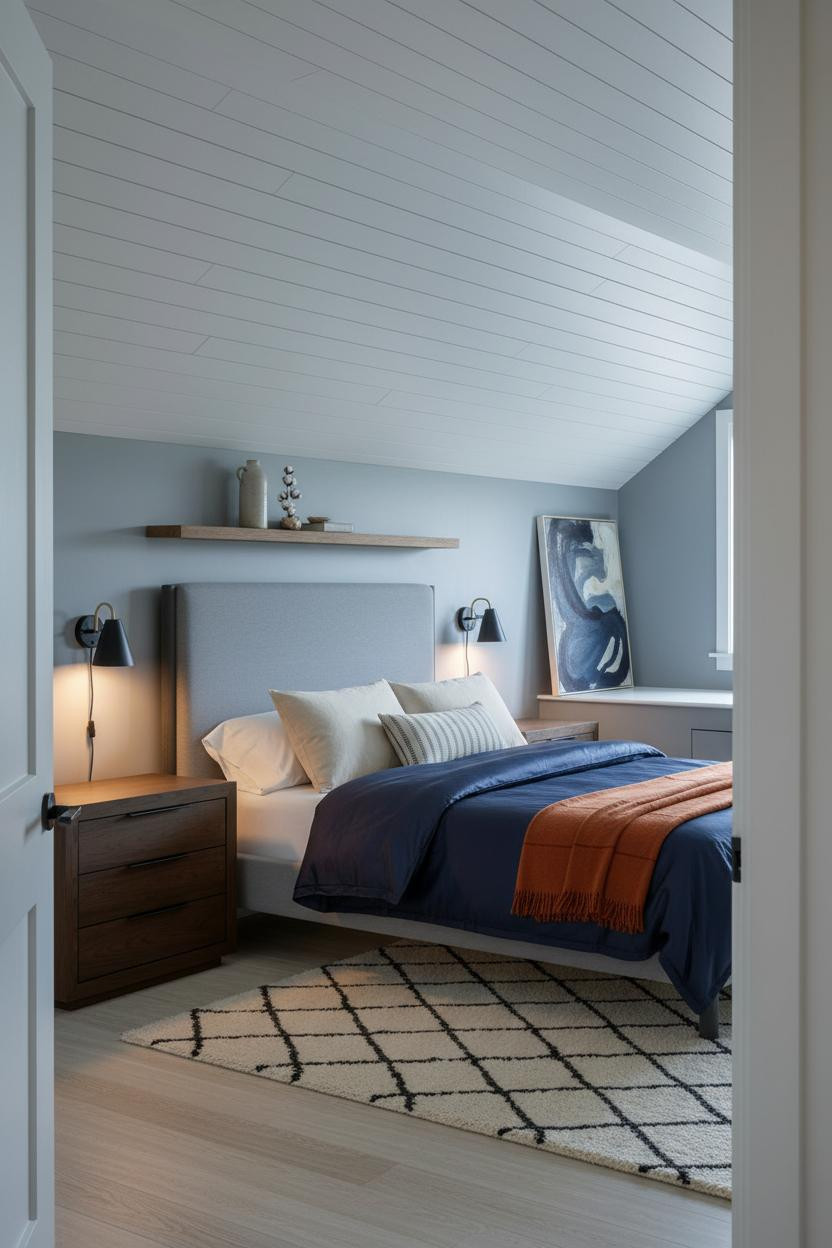

I almost scrolled past this one. Really glad I didn't.
The white tongue-and-groove ceiling running slope-to-dormer keeps the whole thing light while the muted blue-grey plaster walls ground it so it doesn't tip into beach-house territory (which it could, easily).
What not to do: Don't use a busy patterned duvet here. The room's geometry is already doing the work. Navy sateen and a burnt orange throw is all it needs.
Whitewashed Rafters Make This the Coziest Attic Master I've Seen
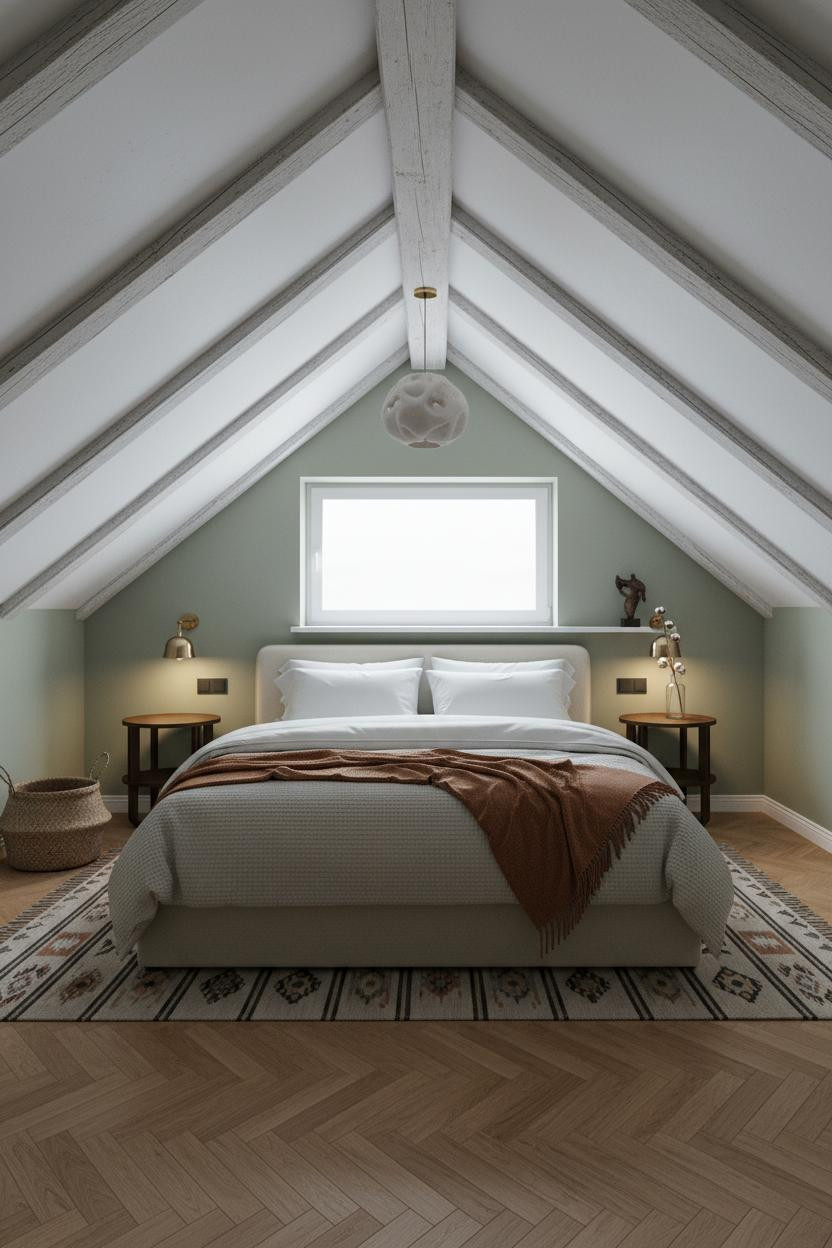


The room feels like the most sheltered version of a cozy attic bedroom, lived-in and intimate in a way that actually took planning.
Why it feels balanced: Whitewashed exposed rafter tails against soft sage-green walls create just enough contrast to keep the ceiling interesting, while still feeling cohesive from wall to slope.
Hang a sculptural ceramic pendant from the ridge beam. It fills the peak without dropping the ceiling lower, which a standard fixture absolutely would.
A Skylight Does More Than You Think in a Tiny Attic Room
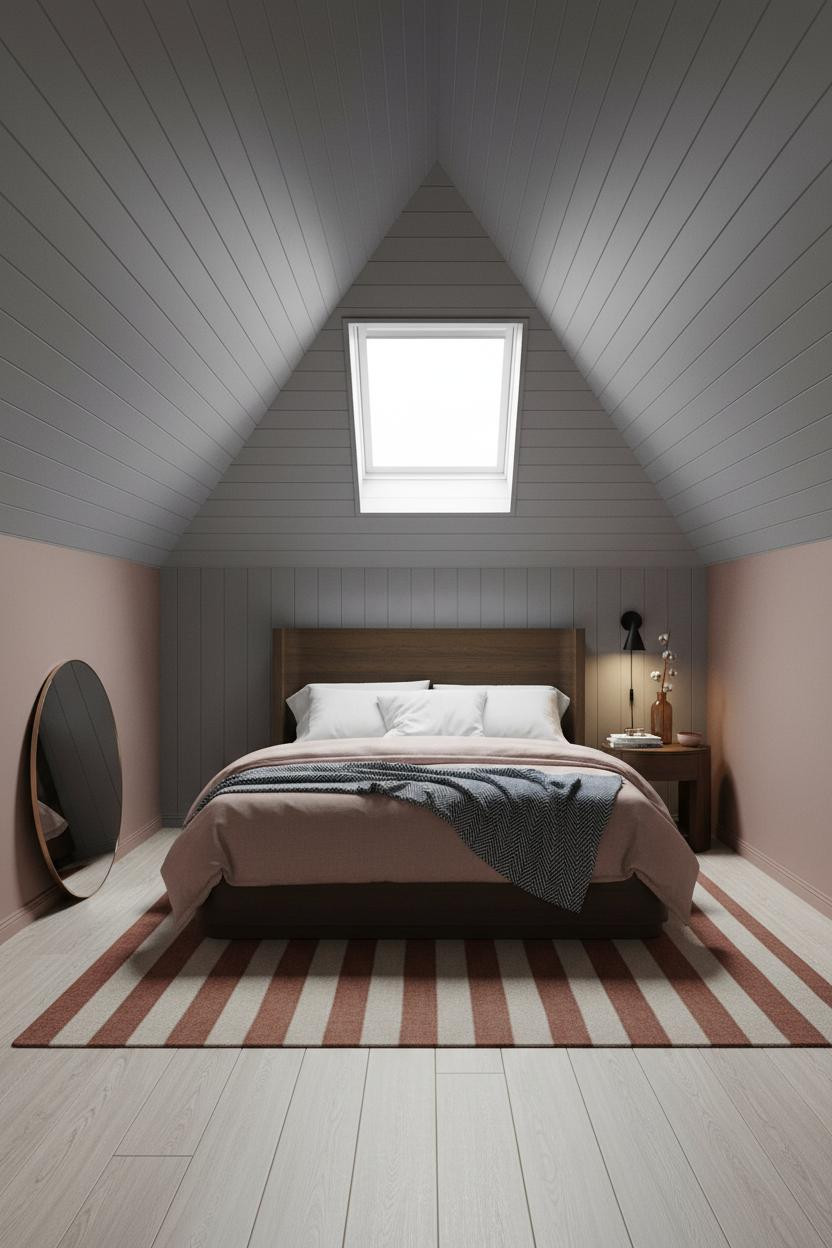


Nothing fancy. That's exactly the point.
What changes the room: A skylight cut into the pitched plane floods the floor with even light in a way a gable window simply can't, and the pale charcoal board-and-batten on both slopes keeps the brightness from feeling washed out. The vertical batten rhythm gives the eye something to trace upward.
Pro move: Use a dusty pink linen duvet against those charcoal slopes. Warm against cool, soft against rigid. The contrast is immediate.
This Is What Collar Ties Look Like When Used Properly
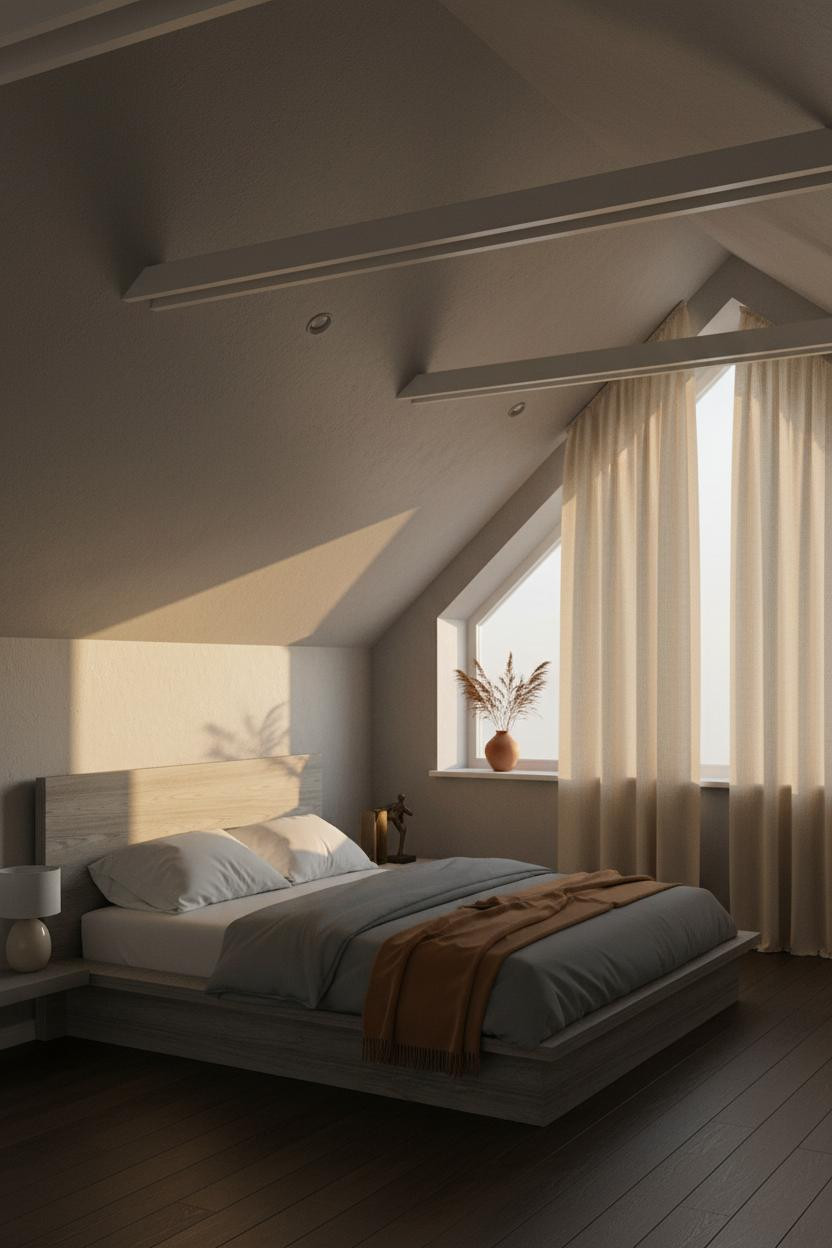


Twin painted white collar ties at regular intervals are the kind of detail that looks accidental but wasn't.
What makes this work is that the stone-grey matte plaster behind them is muted enough that the shadow bars read crisply, creating architectural rhythm across the slope without needing any additional ceiling treatment. Afternoon raking light does the rest.
Where to start: Dark stained narrow-plank flooring grounds the whole room, especially when the walls are pale. Don't skip the vertical proportions when planning an attic master layout.
Ivory Shiplap and an Exposed Ridge Beam Are the Attic Master Combination
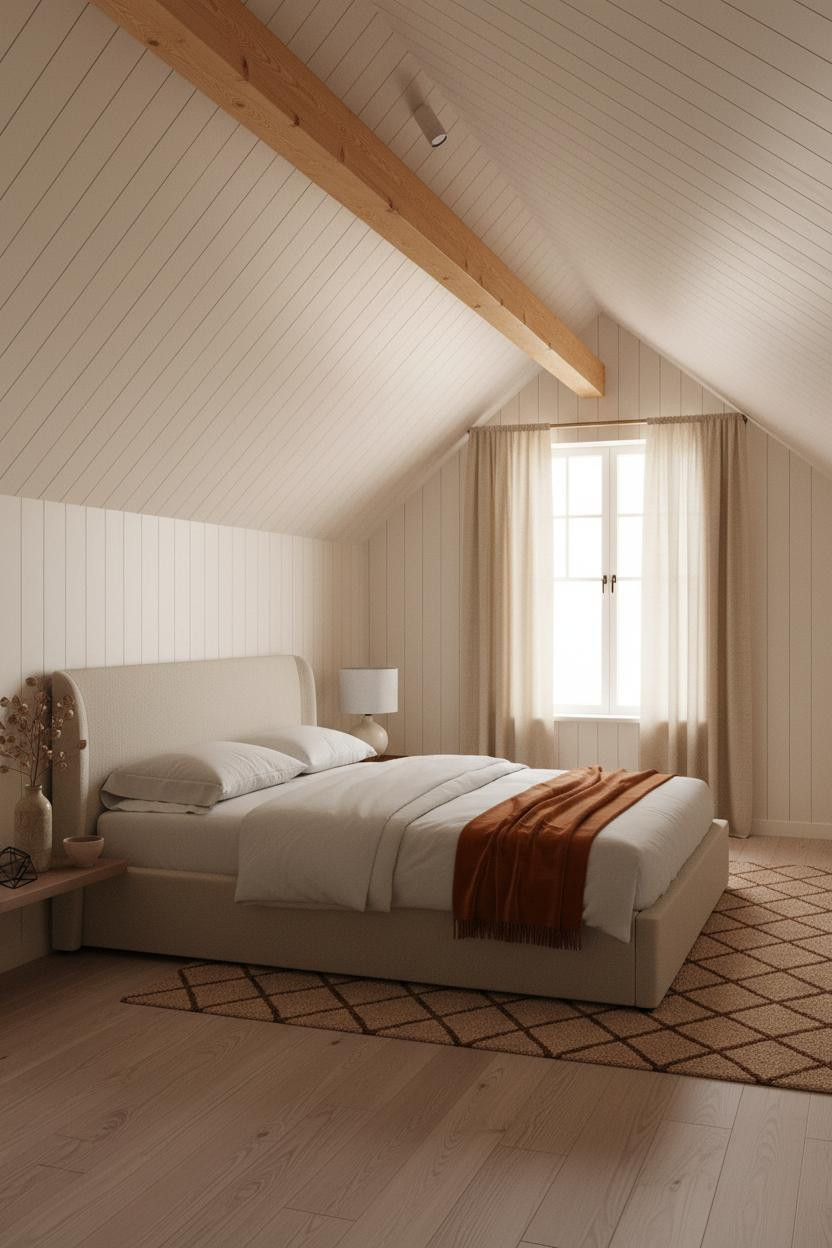

This is the kind of room that makes you want to be better at decorating. Honestly.
Why it looks custom: Full-length ivory shiplap floor-to-ridge gives the pitched surface a clean, consistent texture, and the honey-toned exposed timber ridge beam spanning the apex stops the whole thing from feeling flat. Two finishes. One very intentional relationship.
The finishing layer: Natural linen curtains pooling slightly at the sill hem. Nothing too precise. That looseness keeps it from feeling like a showroom.
The Japandi Attic Bedroom That Gets Morning Light Exactly Right
If you're upgrading the bed frame
Saatva Santorini Platform Bed, from $1,295
Upholstered platform bed in 6 fabric colorways to match any bedroom palette. Slat spacing safe for foam/hybrid mattresses, rated 1,000 lbs. Free white-glove delivery and assembly.
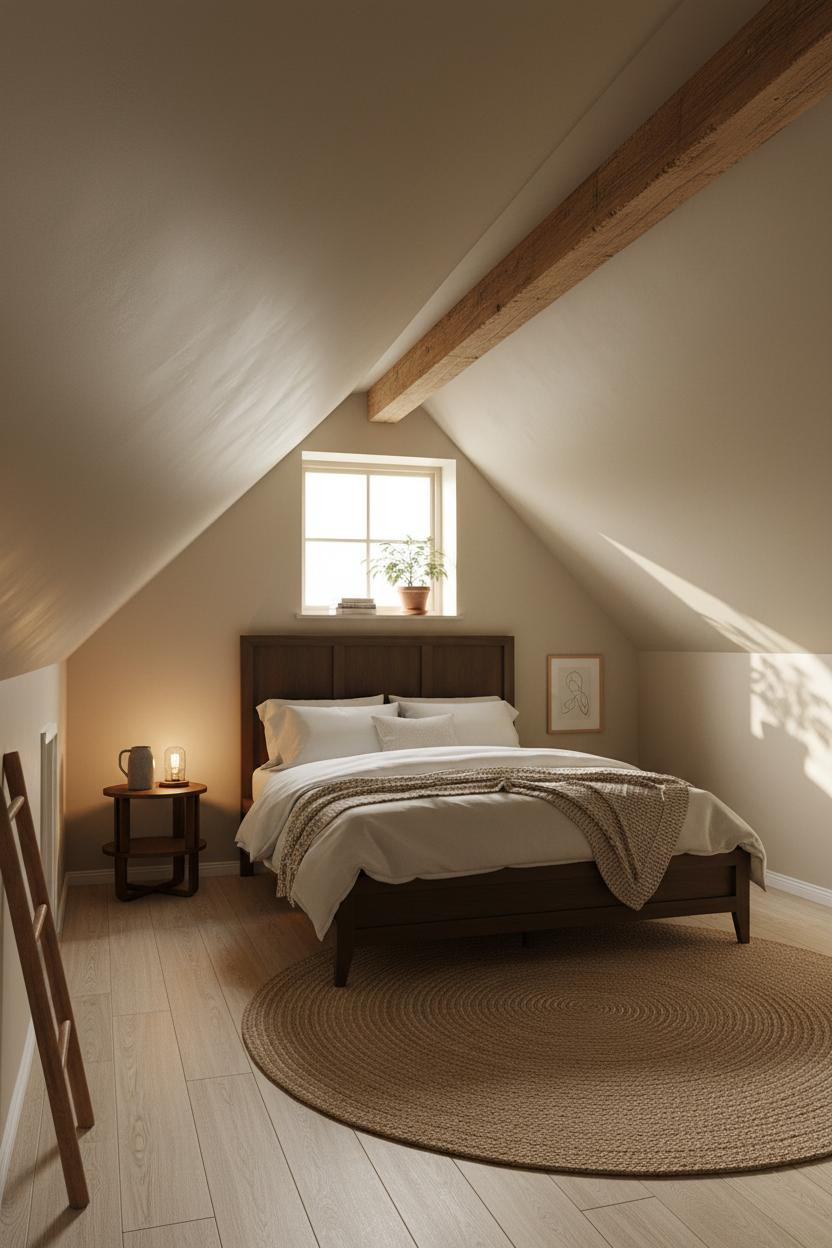

I'd take this room over a standard master any day. The low ceiling isn't a compromise here. It's the whole atmosphere.
A weathered honey-brown diagonal roof beam catching pale morning light from the dormer makes the architecture feel personal in a way smooth plaster never would. The wide-plank light oak floor and chunky jute rug keep the warmth without going heavy. That restraint is what makes it Japandi and not just rustic.
A small wooden ladder leaning against the wall and a grey ceramic pitcher on the nightstand. Collected rather than decorated. That's the whole brief.

Our #1 Pick
Saatva Classic Mattress
America's best-selling online luxury innerspring. 365-night trial, lifetime warranty, free white glove delivery.
Shop Saatva Classic
The Foundation Of Every Beautiful Bedroom
Walls get repainted. Linen gets swapped out. But the mattress stays, and in an attic master where the whole point is a room that feels genuinely restful, that matters more than it does anywhere else.
The Saatva Classic is what I'd put under any of these rooms. Dual-coil support that holds without going firm, a breathable organic cotton cover that doesn't trap heat under a low ceiling, and a Euro pillow top that's soft without losing its shape after a year. It earns every inch of that attic space.

The rooms that keep getting saved are the ones where the architecture and the comfort feel like they belong to the same decision. Start with the right foundation for your attic layout, and the rest figures itself out. Good design ages well because it's made well.