
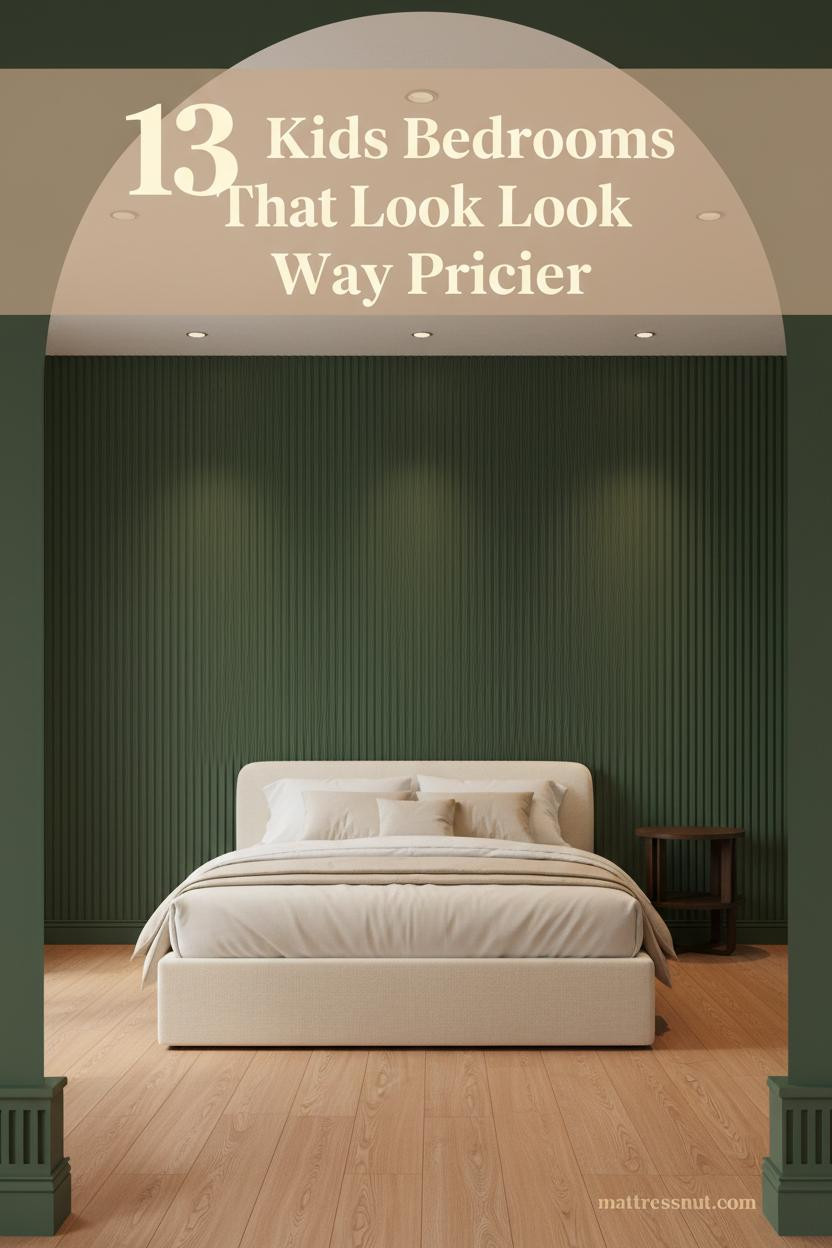
 by
by Think your kid’s room can’t compete with the rest of the house? Luxury kids bedrooms are proof that sophisticated design and childhood wonder aren’t mutually exclusive. Some of the best rooms I’ve seen belong to eight-year-olds.
The secret is restraint. Not less personality, just better materials and more intentional choices.
The Forest Green Room That Feels Grown-Up and Cozy at Once
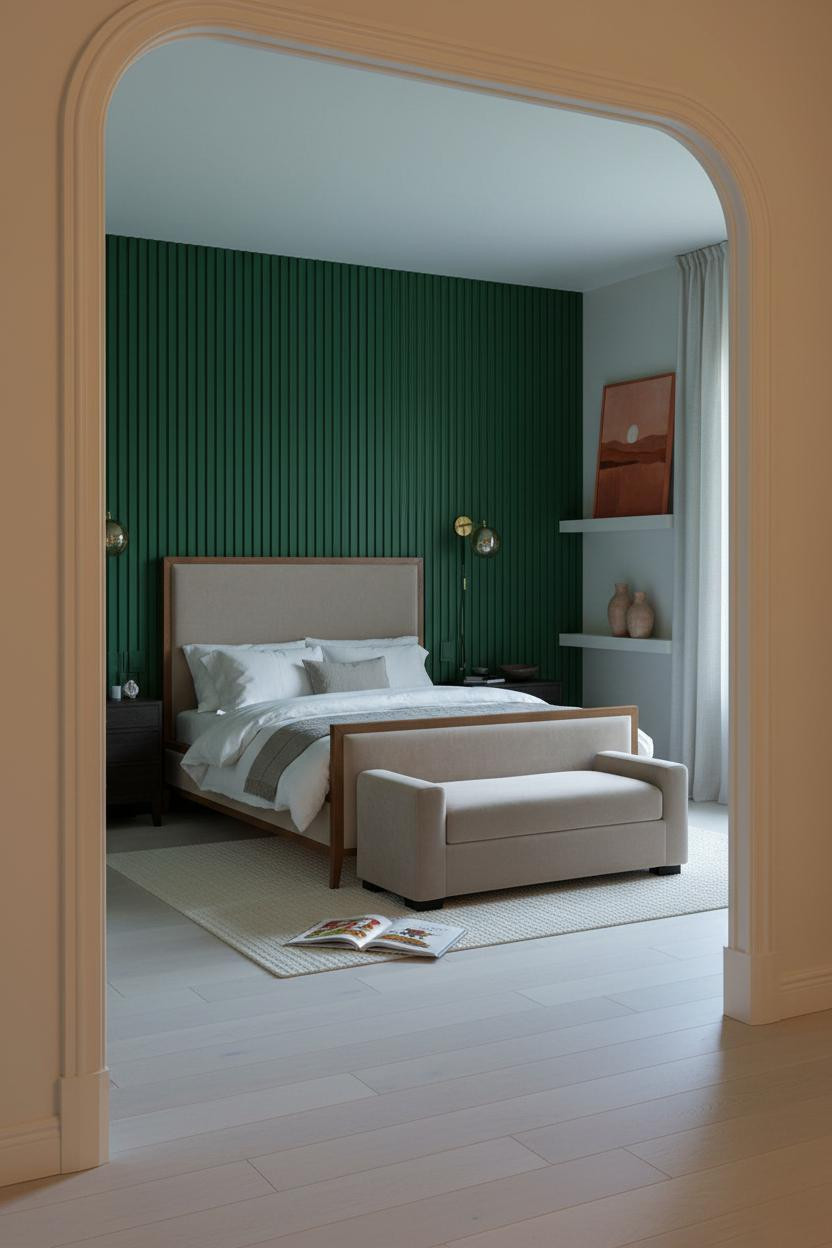

I keep coming back to this one. Forest green walls in a kid’s room feel like a genuine design commitment, and it pays off.
Why it holds together: The fluted timber paneling catches light differently at every hour, which keeps the room from feeling flat even with a dark palette.
Steal this move: Warm oak flooring is the counterbalance here. Cool the walls, warm the floor, and the room finds its own equilibrium.
Navy and Gold Is Bolder Than You Think
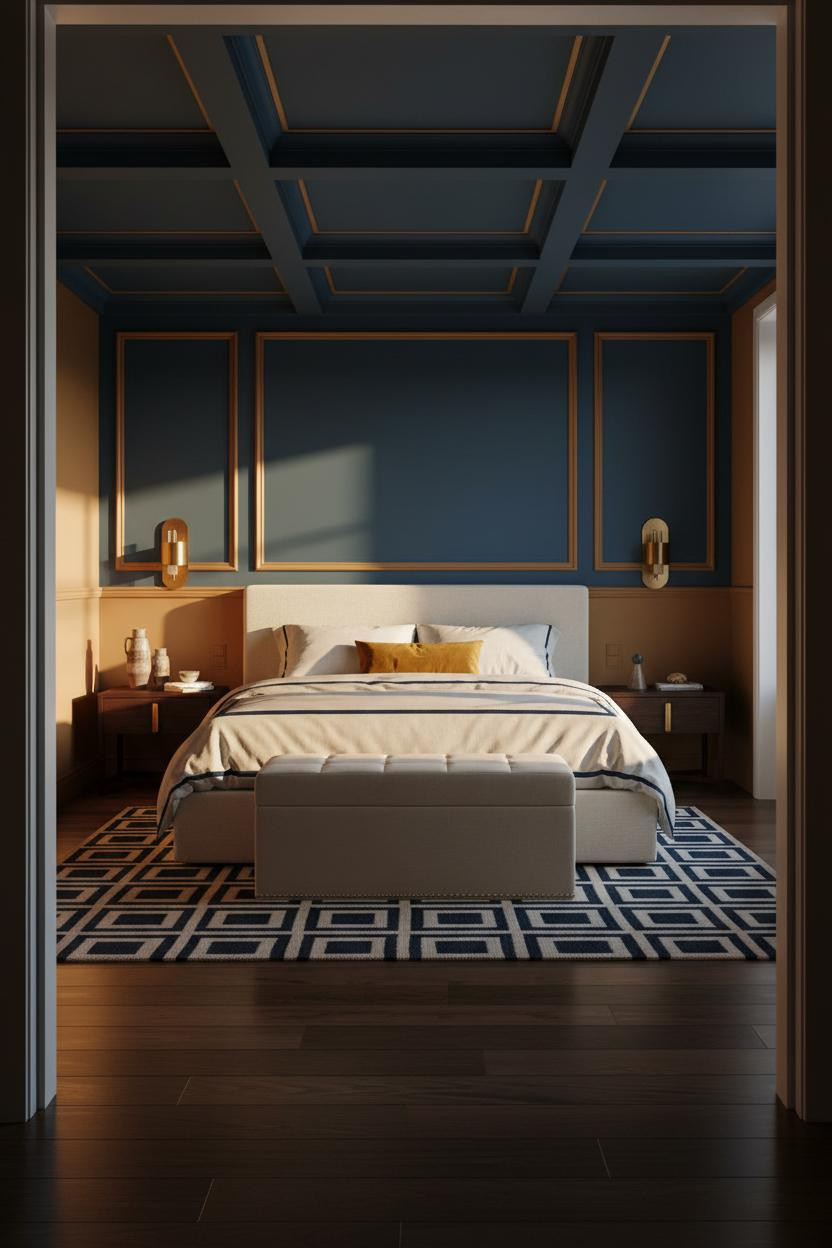
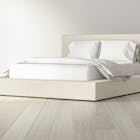
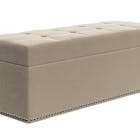
Bold choice. Not every parent goes here. But the ones who do tend to keep it for years.
A navy coffered ceiling doesn’t just add color. It adds architecture. The geometric coffers create depth overhead that makes the room feel genuinely custom rather than decorated.
What to borrow: Gold hardware is a small spend that ties a navy-and-walnut palette together. Don’t skip it.
What Fluted Navy Panels Actually Do to a Small Room
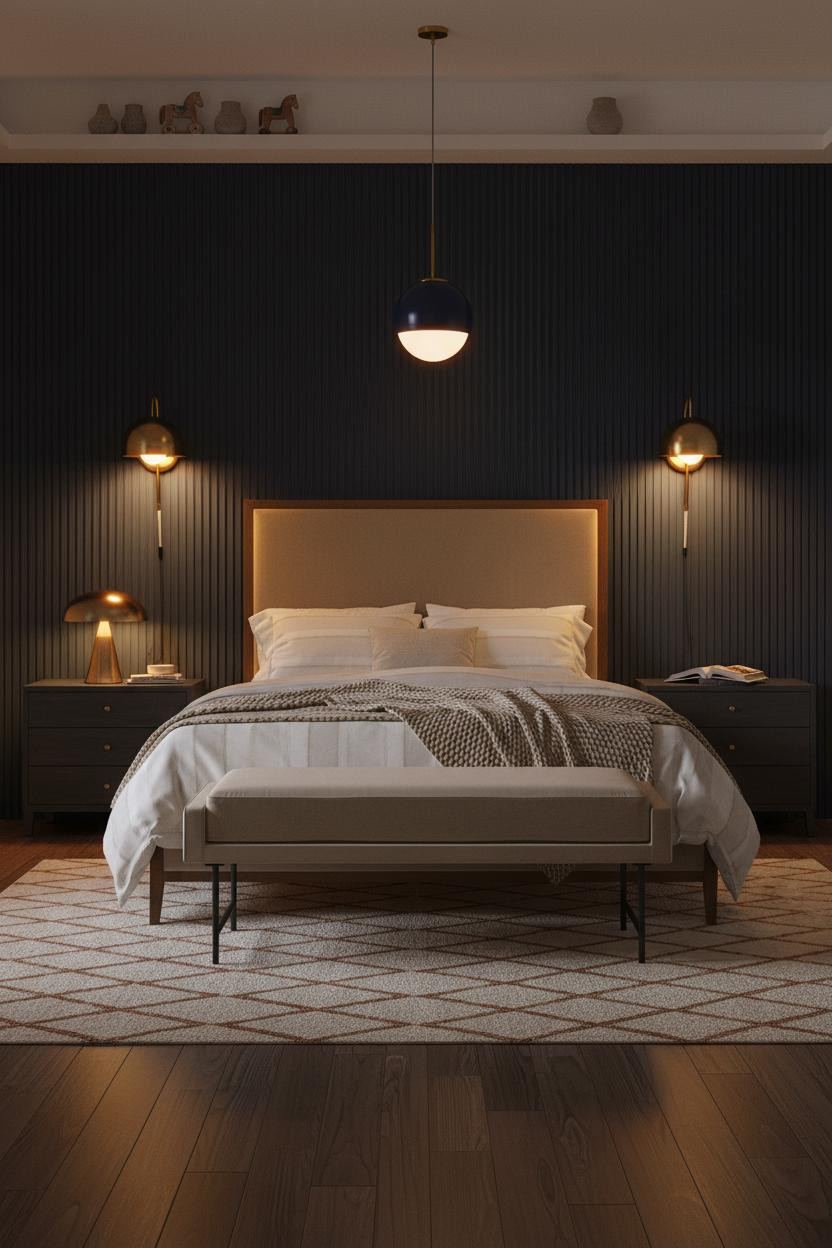
Fluted navy panels add vertical rhythm that plain paint simply can’t replicate. The room feels taller even when it isn’t.
Why it looks custom: The vertical groove pattern in the panels catches light at angles that shift the room from flat to dimensional, especially with warm sconces mounted at eye level.
Pair with cream bedding. One dark wall, everything else light. That contrast does most of the work.
Slatted Wood Walls Work Even When Kids Grow Up
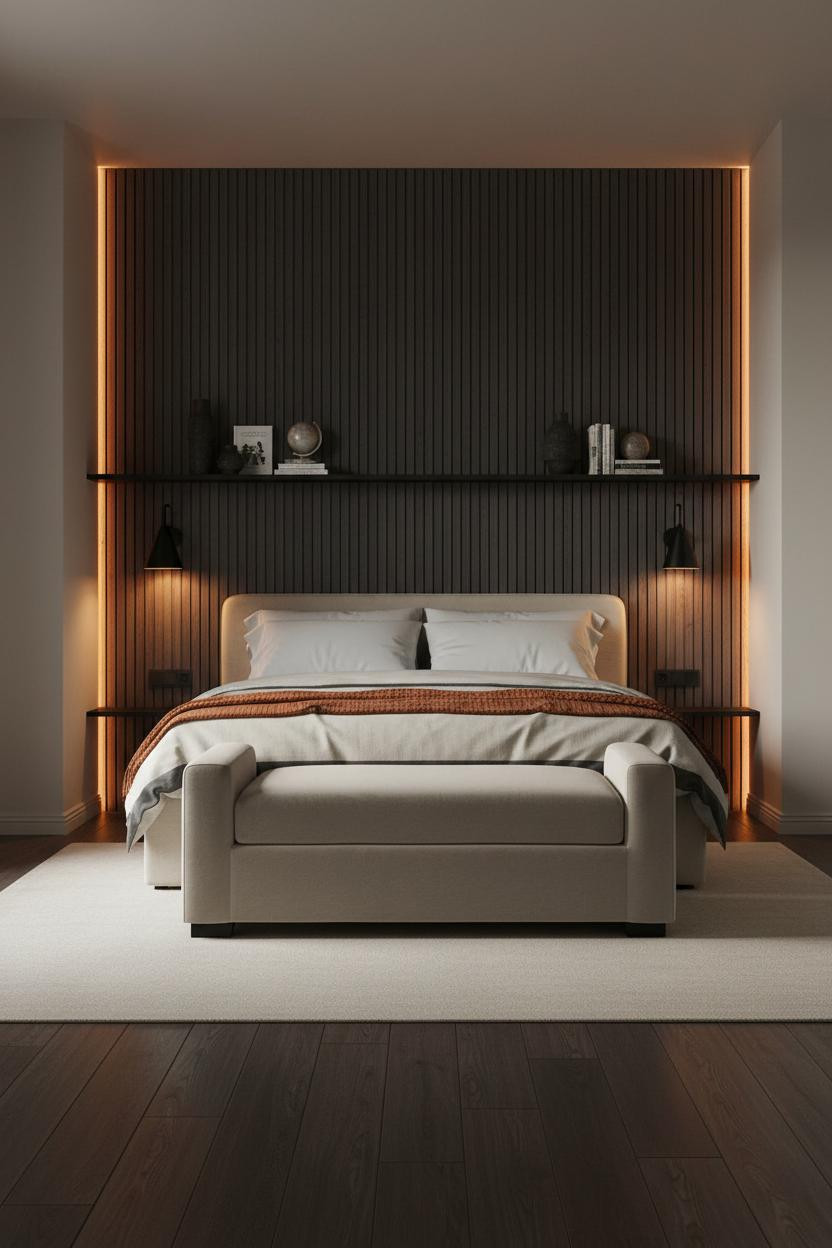

This is the design choice I actually recommend most to parents who hate redecorating every few years.
What gives it presence: Dark charcoal oak slats backed by ambient lighting create a headboard moment without any built-in furniture, so the whole setup can stay as the kid’s taste evolves.
The smarter choice: Go full wall height, not just behind the headboard. The right kids bed anchors the wall treatment without competing with it.
Art Deco Doesn’t Have to Mean Stuffy
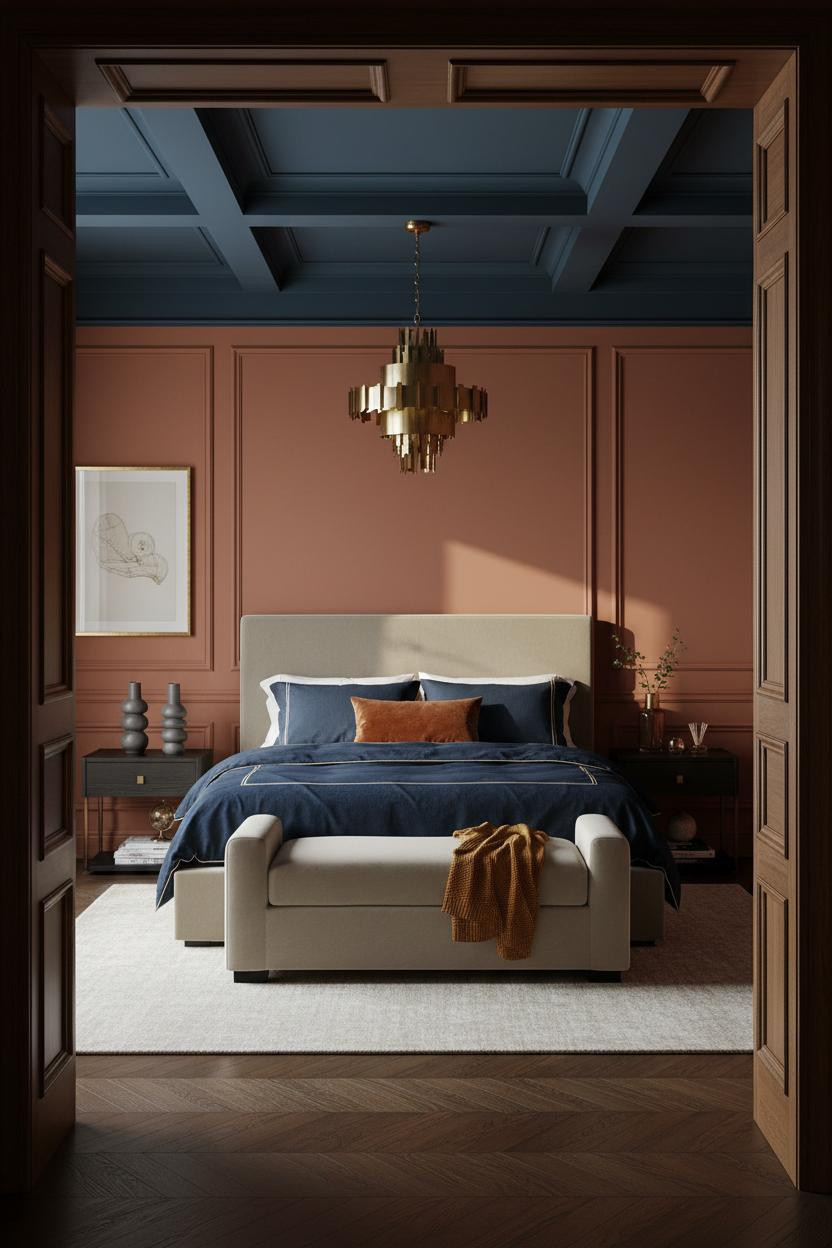
Honestly, kids take to Art Deco better than adults give them credit for. The geometry makes sense to them.
The reason a navy-and-brass palette feels luxurious instead of heavy is the dove grey feature wall keeping it from tipping into all-dark. That’s the balancing act.
Pro move: Keep the textiles soft. Washed linen bedding against geometric walls is the contrast that makes the whole thing feel livable.
Japandi With Dark Oak Is a Long Game Worth Playing
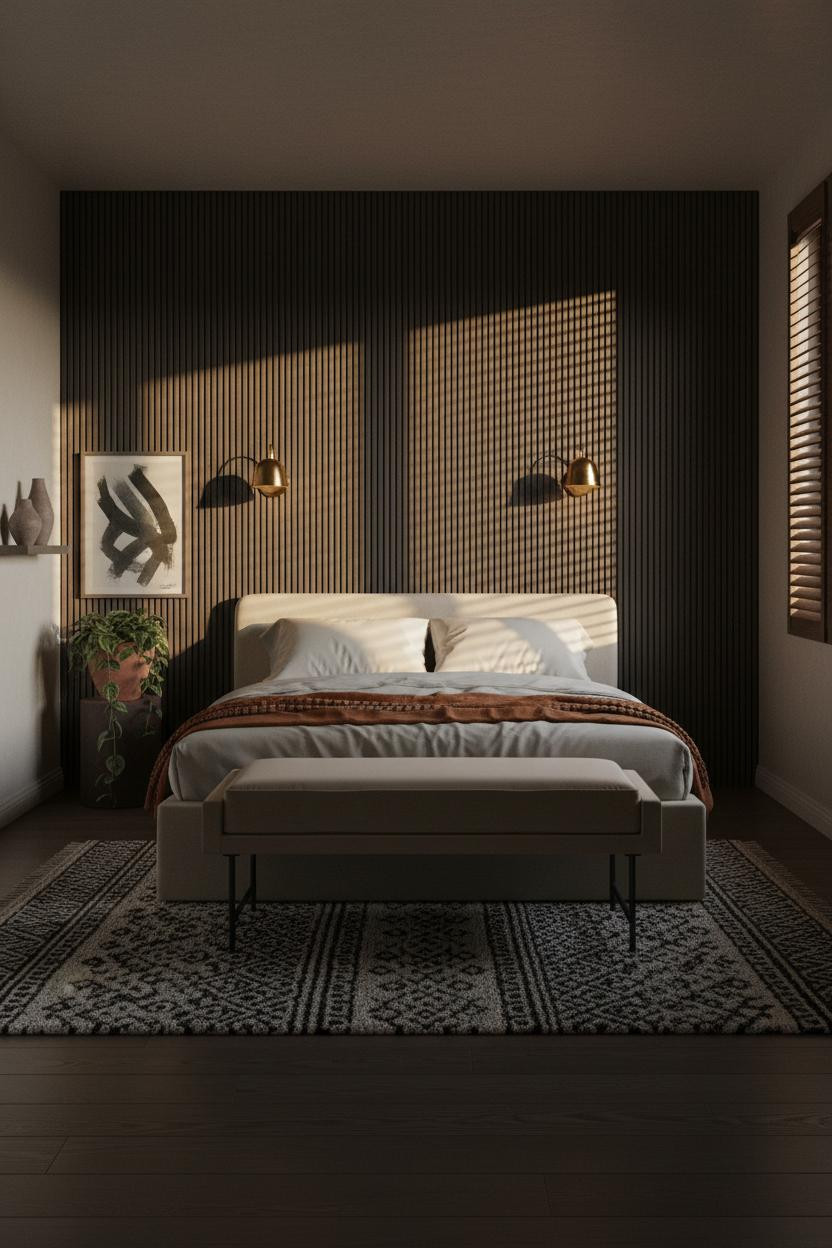
Nothing fancy. That’s the point.
What makes this work: Dark fluted oak paneling behind the bed creates warmth in a way that greige paint alone can’t, because the grain texture keeps the room from going cold.
The finishing layer: A low-profile bed frame with a natural jute rug keeps the proportions grounded. Don’t go tall with the furniture in a Japandi room.
The Coffered Ceiling Move That Most People Overlook
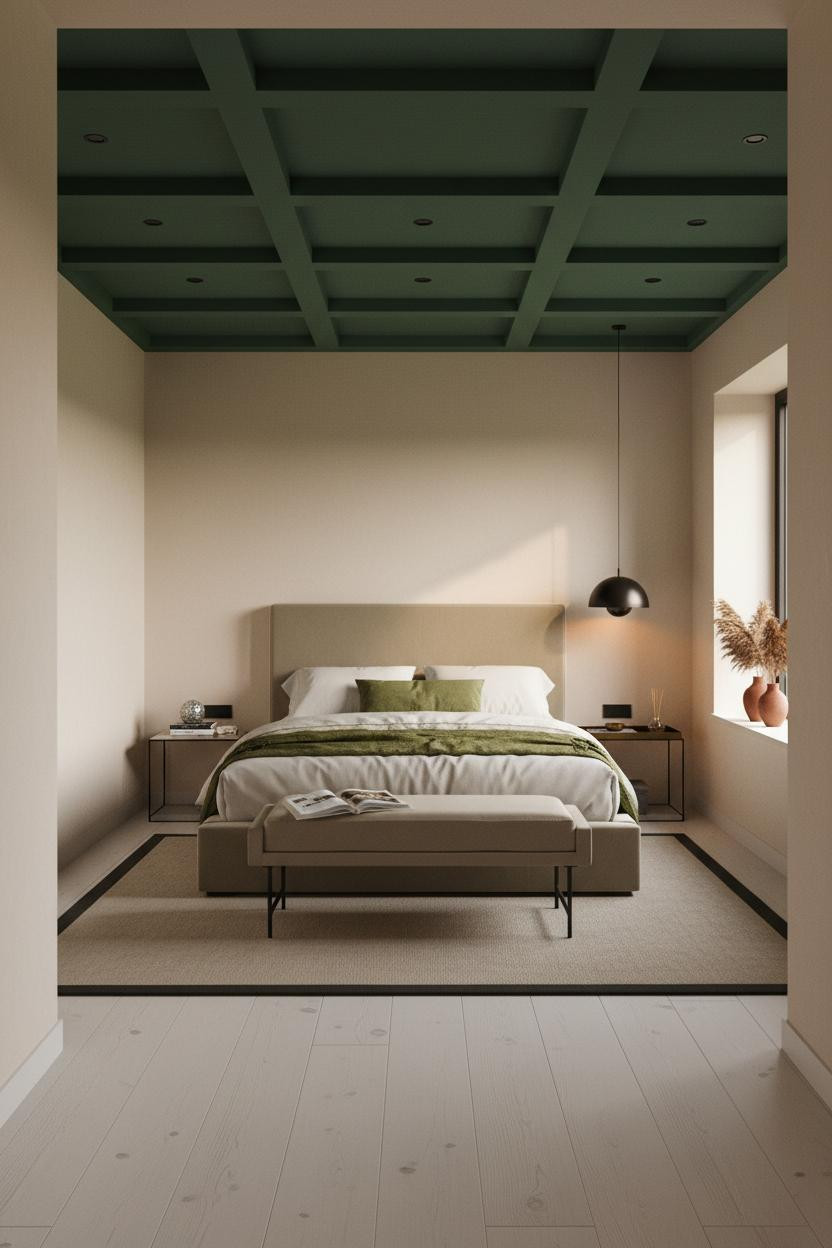
Most kids bedroom design stops at the walls. But the ceiling is where the real architectural interest lives.
Why it feels intentional: A forest green coffered ceiling over cream walls draws the eye upward without competing with the furniture below, keeping the room calm and cohesive at eye level.
Avoid this mistake: Don’t paint the ceiling the same tone as the walls. The contrast between the two is what makes coffering worth doing in the first place.
The Arched Niche That Makes Any Bed Feel Like a Destination
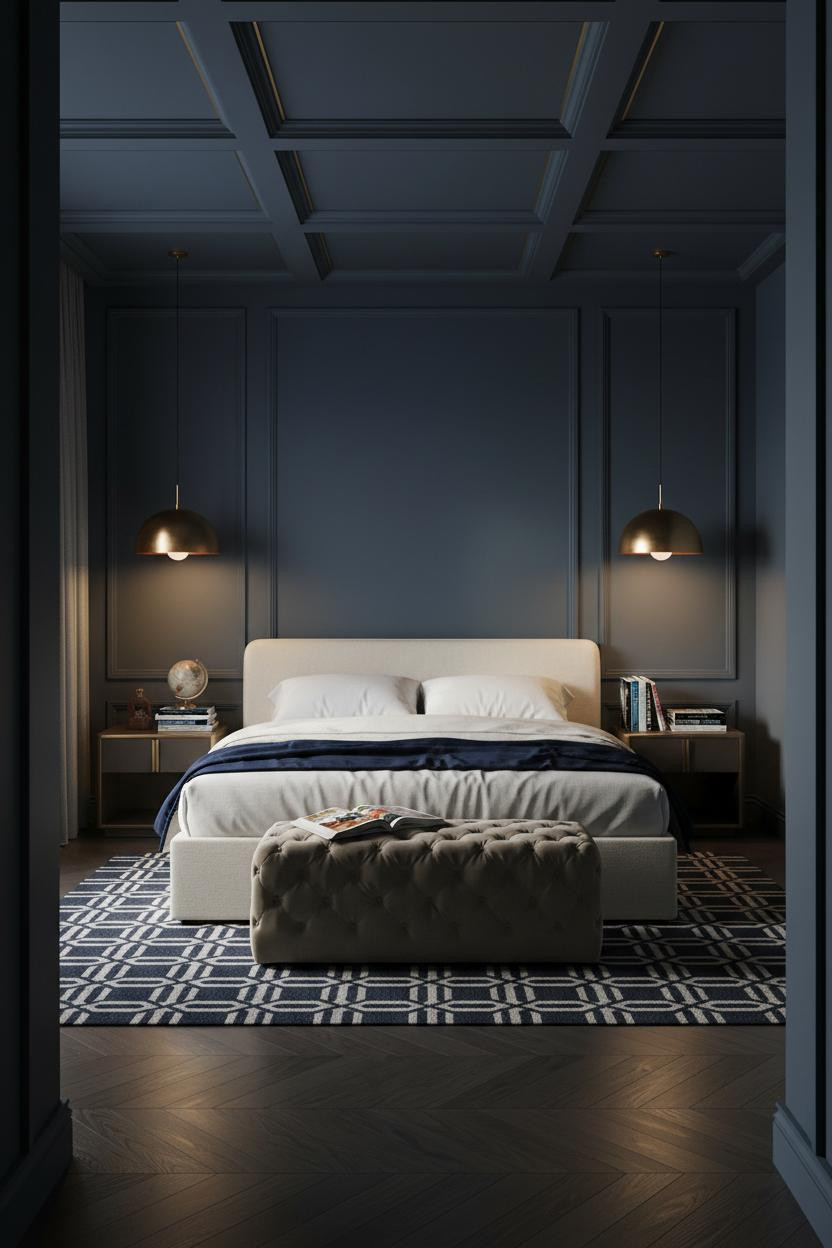
I almost scrolled past this one. Glad I didn’t.
The arched niche behind the headboard is a small architectural move, but it changes how the whole room reads. Recessed walnut shelving inside the arch makes the bed feel like its own separate place within the room, which kids actually love (even if they can’t explain why).
Where to start: A tufted ottoman at the foot grounds the layout and gives the room somewhere to land visually below the arch.
Terracotta on the Ceiling Changes the Whole Mood Below
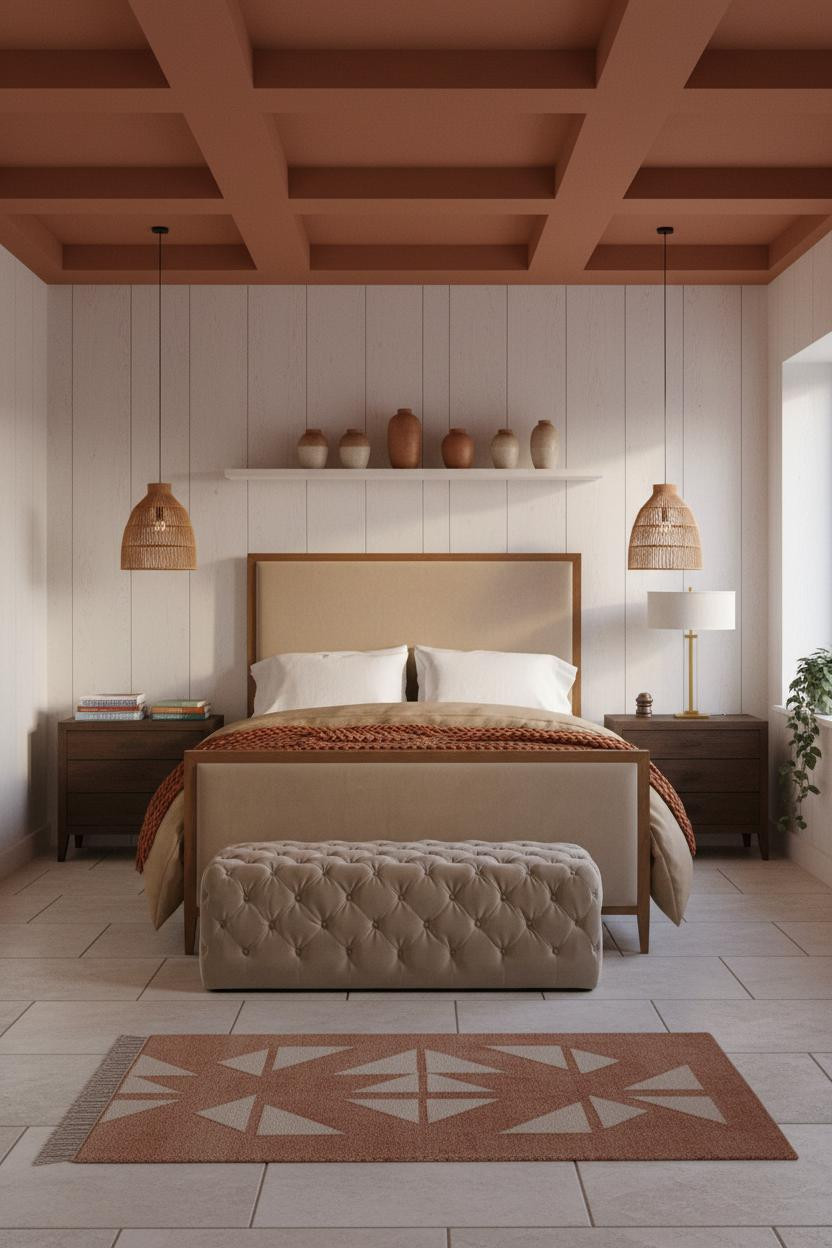
This is a divisive one. But for a child’s room, somehow it works better than in an adult space.
The real strength: Terracotta coffers overhead cast a warm reflected light downward across the oak paneling and cream walls, making morning light feel noticeably more golden than it actually is.
Best for: North-facing rooms that need borrowed warmth. The color does the work that sunlight can’t.
Charcoal Fluted Walls With Blonde Oak: the Contrast That Always Lands
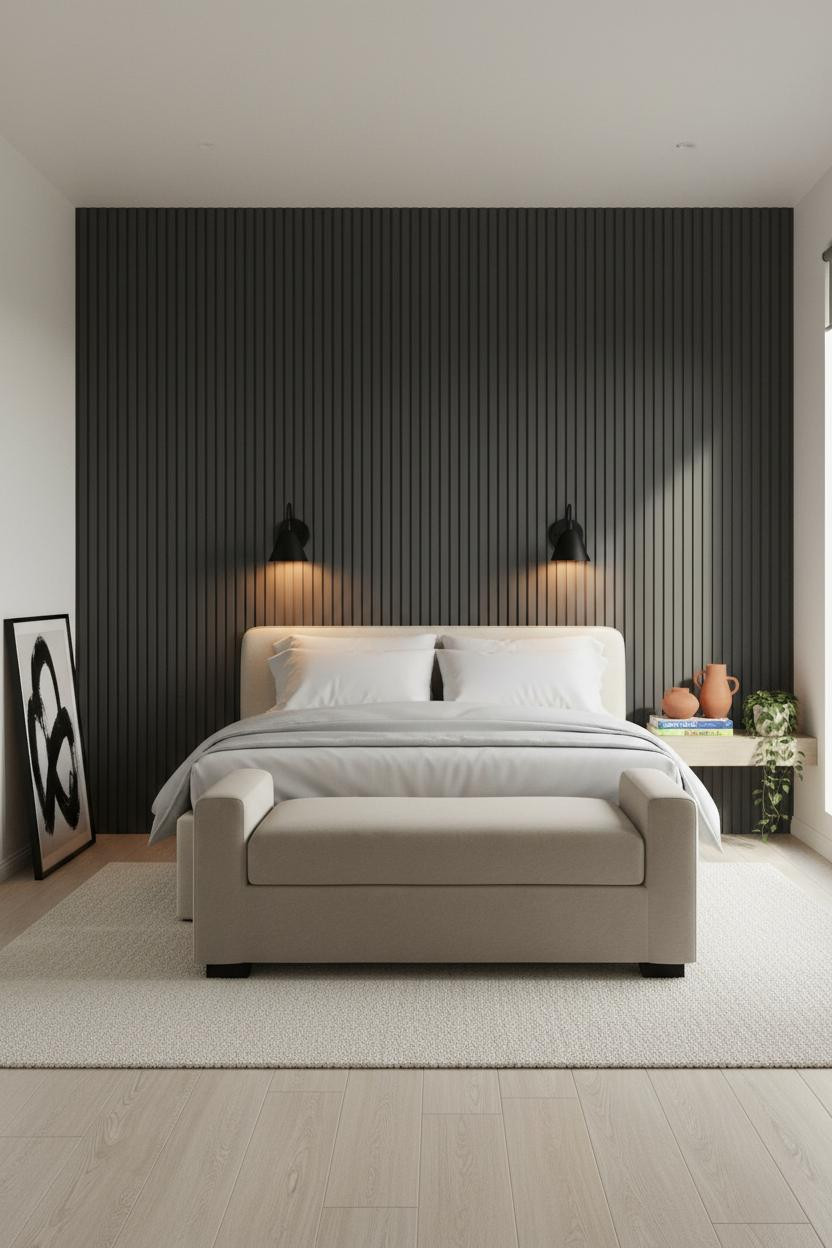
The room feels collected rather than decorated, which is honestly hard to pull off in a kids bedroom.
Why the materials matter: Charcoal fluted panels next to blonde oak flooring work because neither finish competes for the same part of the visual spectrum. Dark vertical, light horizontal. It’s a simple tension that keeps things interesting.
In a small room, the smarter choice is keeping all the furniture pale and letting the feature wall carry the personality.
A Taupe Accent Wall Is More Interesting Than You’re Giving It Credit For
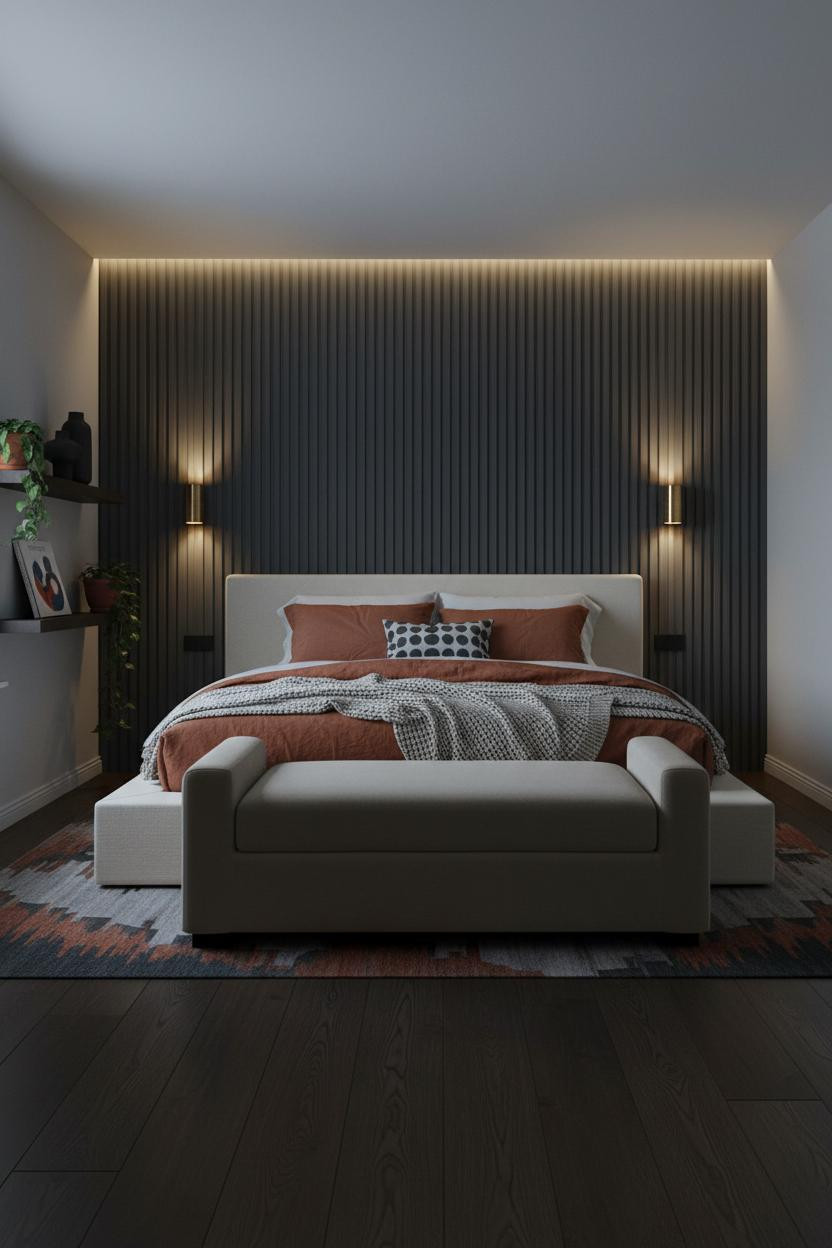
Fair warning: taupe sounds boring until you see it in a room with walnut shelving and warm recessed lighting. Then it looks expensive.
What carries the look: The subtle linen texture in the wall finish catches directional light, so the color reads warmer in the morning and cooler by afternoon, in a way that feels almost alive.
The easy win: A reading nook setup built into the alcove gives kids a reason to actually use the shelving. Function and form.
Pale Blue-Grey Is the Color That Ages Well in a Kid’s Room
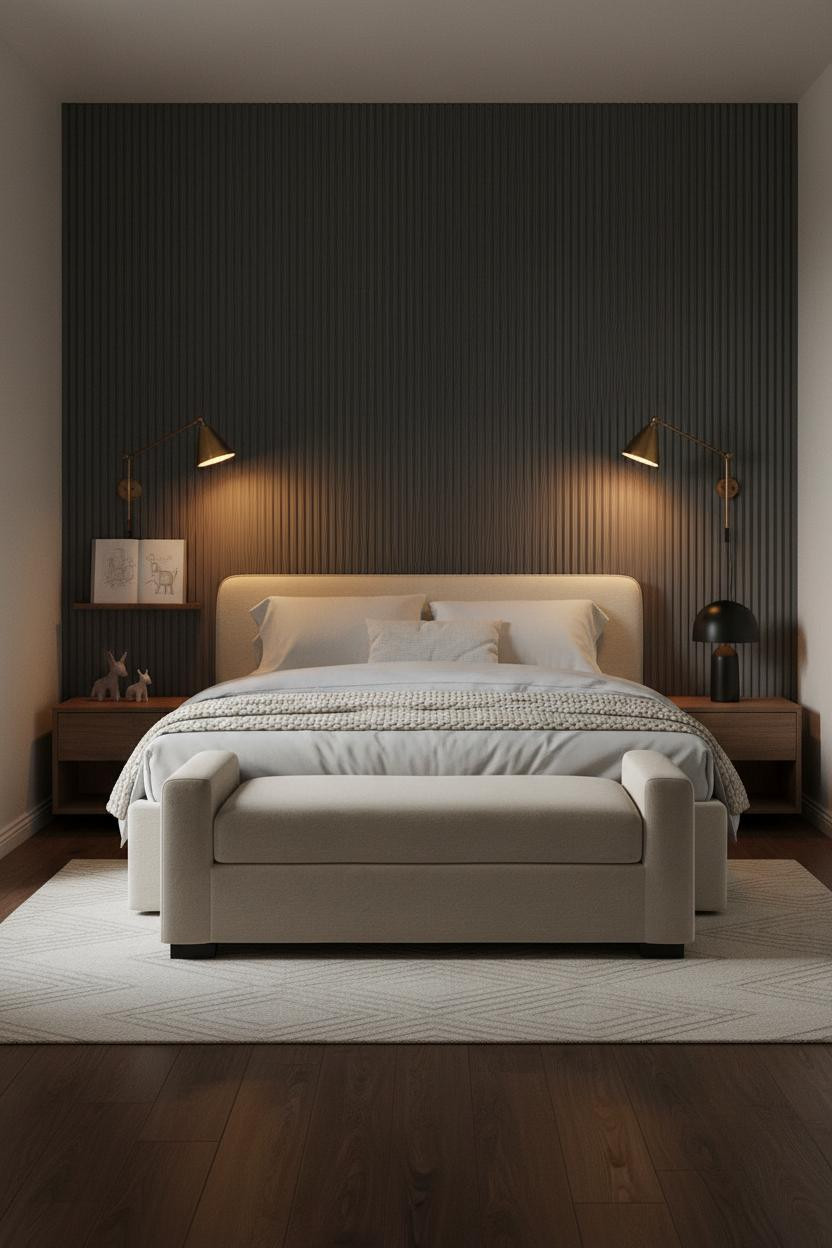
This one works at six and still works at sixteen. That’s rare.
A pale blue-grey feature wall paired with ivory is calm without being cold, which keeps the room from needing a full redesign every few years as tastes change. The brass rail detail on the shelving adds just enough warmth to stop it reading clinical.
One smart swap: Brass hardware, not chrome. It’s a small detail with a disproportionately large effect on how premium the room feels. Check loft bed options if floor space is limited here.
Sage Green and Natural Wood: the Combination That Feels Like a Deep Breath
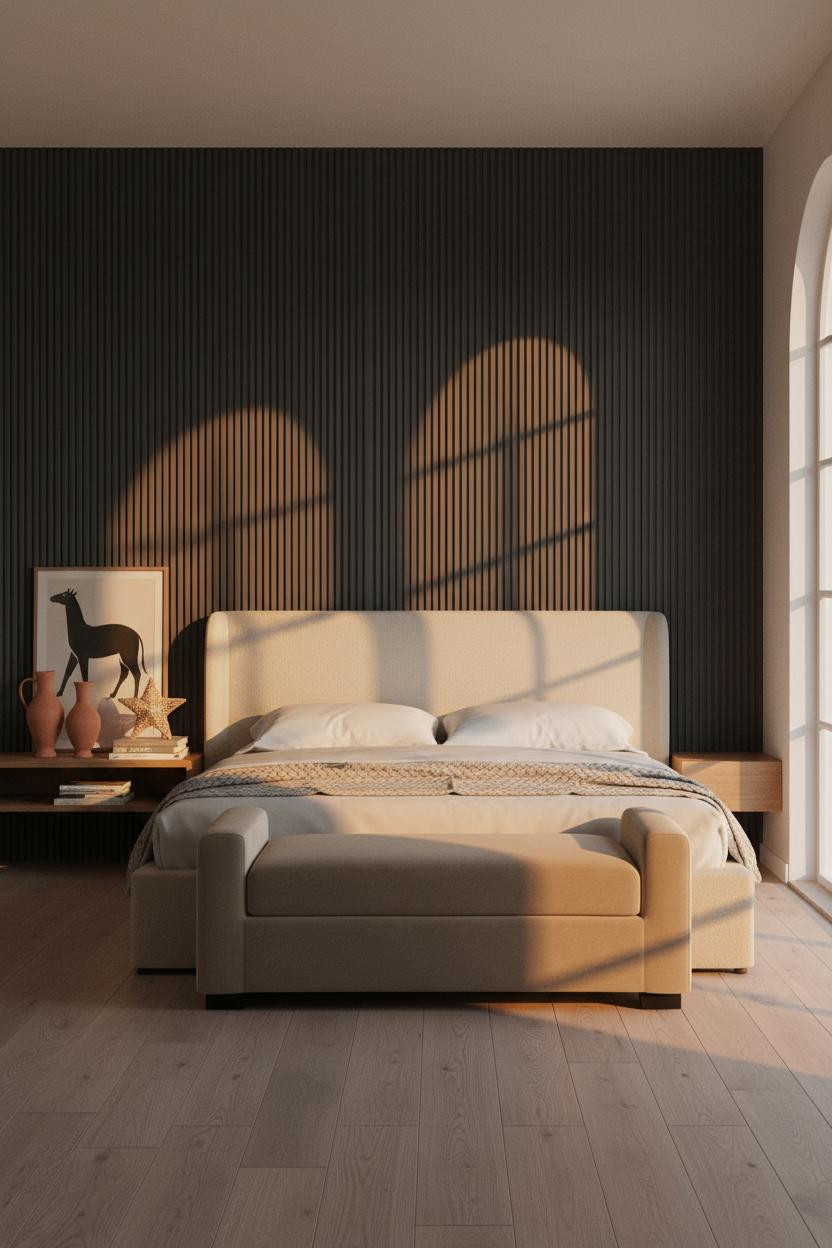

The room feels warm and intimate in a way that most kids bedrooms don’t even try for.
What creates the mood: A sage green alcove arch centered above the bed frames the whole sleeping area like a piece of architecture, so the room feels considered rather than just furnished.
And the natural wood trim inside the arch pulls the warmth from the floor up through the feature wall without needing a single extra accessory. A well-chosen kids bed is honestly enough to complete it.
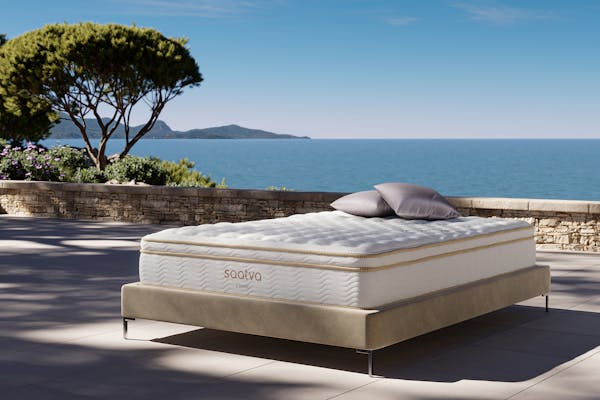
Our #1 Pick
Saatva Classic Mattress
America’s best-selling online luxury innerspring. 365-night trial, lifetime warranty, free white glove delivery.
Shop Saatva Classic
The Foundation Of Every Beautiful Bedroom
All of these rooms have one thing in common beyond the design choices. The beds look like somewhere worth sleeping. And that starts below the sheets.
The Saatva Classic is what I’d put in any of these rooms without hesitation. Dual-coil support means the structure holds over years of use, the Euro pillow top is soft without losing its shape, and the cotton cover breathes through warm nights. It’s the kind of mattress that holds up as long as the room around it does.
Good design ages well because it’s made well.

The rooms worth saving are the ones built to last. Start with what the kid actually sleeps on, and the rest of the design decisions follow naturally from there.