
 by
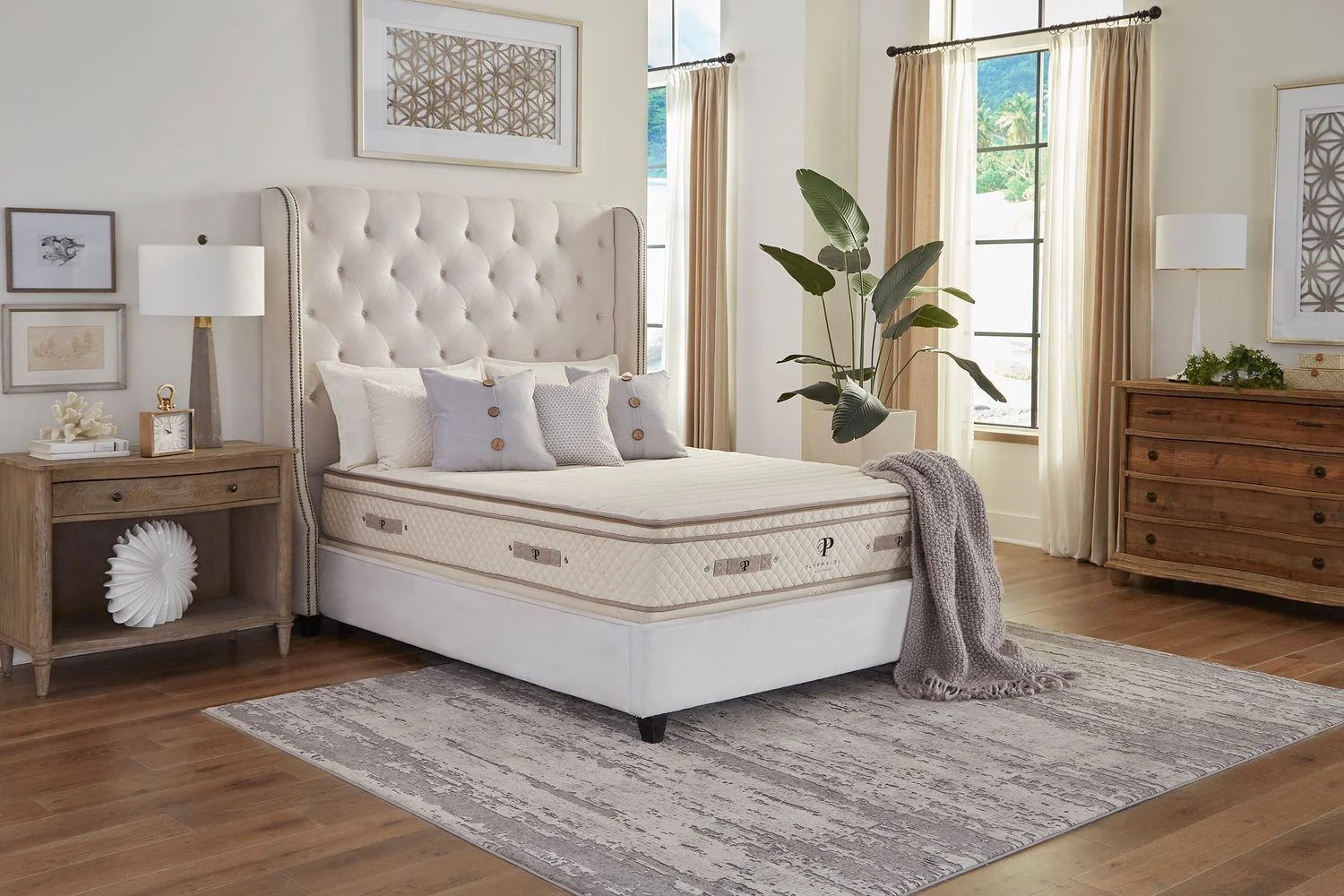
by PlushBeds Organic Latex Topper
9.0/10
The best fit because the reader is literally deciding between topper thicknesses, and PlushBeds sells both options cleanly.
Saatva Graphite Memory Foam Mattress Topper
8.8/10
Choose this if you want more contouring from a 3-inch topper rather than latex bounce.
A 2-inch topper fine-tunes a mattress that is close to right, works well for sleepers under 200 lbs, and keeps heat retention low. A 3-inch topper meaningfully changes a too-firm or aging mattress, especially for side sleepers and anyone between 165 and 250 lbs who needs pressure relief at the hips and shoulders. Material and density matter as much as thickness. If you are buying organic, the PlushBeds Organic Latex Topper is the most configurable option, available in both 2" and 3" with four firmness levels.
2 vs 3 inch mattress topper: side-by-side
| Feature | 2-Inch Topper | 3-Inch Topper |
|---|---|---|
| Pressure relief | Moderate | Significant |
| Feel change vs. existing mattress | Subtle softening | Noticeable transformation |
| Weight (queen, memory foam) | 8 to 12 lbs | 12 to 18 lbs |
| Heat retention | Lower | Higher |
| Price range (queen) | $50 to $200 | $80 to $300 |
| Best for | Minor comfort adjustment | Significant firmness change |
How many inches of a mattress topper is best?
A two-inch mattress topper is the thinnest common option. It works best if your mattress is close to your preferred firmness and you want a slight adjustment without adding bulk. These toppers suit people under 200 lbs who sleep primarily on their back or stomach. Being thin keeps the sleep surface breathable and prevents your hips from sinking past the support zone.
A 3-inch topper is about 50 percent thicker than a 2-inch model. If you are dealing with hip pain or lower back pain, a 3-inch model in medium-firm gives you enough material to cradle pressure points while still supporting the lumbar. Side sleepers who weigh between 165 and 250 lbs typically get the most benefit here: the extra cushioning takes pressure off the shoulders, hips, and knees.
Are 2 inches of memory foam enough?
If you sleep restlessly, go for a denser foam and a 2-inch profile. The thinner layer makes a noticeable difference without building up too much heat, especially with a lower-density foam that allows more airflow. A 2-inch topper on a newer mattress is usually sufficient. On an older, sagging mattress, consider moving up to 3 inches to compensate for the lost support.
What thickness of mattress topper is best for back pain?
The answer depends on what kind of support failure your mattress has. If the mattress is too firm and causes pressure at the hips and lumbar, a 3-inch medium-firm topper usually gives enough material to relieve that pressure. If the mattress is already soft and your spine is sinking too far, a 2-inch topper in a firmer density can bring the surface back to neutral without deepening the sinkage. See the best mattress toppers for back pain for specific picks.
Is a 2 inch or 3 inch mattress topper better?
They both have clear use cases. A 2-inch topper gives you more support relative to cushioning and is easier to move. A 3-inch topper provides more cradling and pressure relief at the cost of slightly more heat retention.
A 3-inch topper in soft or medium-soft will transform how a firm mattress feels. A 2-inch firmer topper will stabilize a mattress that is starting to sag. What matters most is the combination of your body weight, sleep position, and the condition of the mattress underneath, not the thickness in isolation.
For body weight specifically: sleepers over 230 lbs generally need a 3-inch model in medium-firm density (4 to 5 lb/ft³ memory foam) to avoid bottoming out. Lighter sleepers under 130 lbs may find a 3-inch soft topper too deep, creating a "stuck in the mattress" sensation. See our guide on mattress toppers for heavy sleepers.
Can a too-soft mattress cause back pain?
Yes. If your mattress is too soft and you weigh around 130 to 230 lbs, you will sink into it and your spine will fall out of neutral alignment. The result is lower back pain that typically worsens over time. If you are dealing with this, a firmer supportive topper in 2-inch firm or a 3-inch medium-firm can sometimes correct the situation before you need to replace the mattress entirely.
Is a 2 inch mattress topper too thin?
Only if you are a heavier or larger sleeper who primarily sleeps on your side. Side sleepers need their shoulders and hips to sink enough to keep the spine level, and 2 inches usually does not provide enough material for that at weights above 200 lbs. If you are a combination sleeper between 130 and 230 lbs, a 2-inch topper will generally work well. It prevents excess sinkage and stays more breathable than a 3-inch model.
Factors to consider before buying a mattress topper
Material
The two most common topper materials are memory foam and latex. Memory foam gives you that enveloping, body-contouring feel and is ideal for pressure relief. Latex, particularly Talalay, offers a more responsive surface that sleeps cooler and returns to shape faster. For hot sleepers, latex or gel-infused foam typically outperforms standard memory foam regardless of thickness. See also our picks for the best cooling mattress toppers.
Thickness
Density directly affects how a topper performs at a given thickness. A 3-inch low-density foam topper may feel softer than a 2-inch high-density one, even though it is thicker. For most people, the right combination is a thickness that matches your body weight and a density that matches your preferred feel. You can find 4-inch options for more cushioning, though these are less common. See the best thick mattress toppers for options beyond 3 inches.
Body weight
Body weight and sleep position are the two most practical inputs for choosing a topper. Petite or lightweight sleepers can go for a softer, thinner topper and still get enough pressure relief. Heavier sleepers need more density and usually more thickness to avoid that bottoming-out feeling. For deeper guidance, see our mattress topper density guide.
Sheet depth
Both thicknesses require deep-pocket fitted sheets. A 2-inch topper on a 12-inch mattress creates a 14-inch total profile, right at the limit of standard sheets. A 3-inch topper pushes that to 15 inches, which requires deep-pocket sheets rated for 15 to 18 inches. Confirm your current sheets before ordering.
Choose a 2-inch topper if your mattress needs a minor firmness correction and you weigh under 200 lbs. Choose a 3-inch topper if you are a side sleeper, weigh 165 to 250 lbs, or your mattress needs a significant feel change. Material and density matter as much as thickness, so match the foam type to your temperature and feel preferences.
Frequently asked questions
Do you need bigger sheets with a mattress topper?
In most cases, yes. A topper adds to the total mattress profile, so standard-depth fitted sheets may not stay on properly. Check your mattress depth plus the topper thickness and buy sheets rated for that combined height.
Are mattress toppers supposed to be smaller than the mattress?
A topper should match the mattress size exactly (Twin, Full, Queen, King), not be smaller. What matters is the sheet pocket size: aim for at least 1 inch of clearance beyond your combined mattress and topper depth to keep sheets from popping off.
Can you sleep on just a mattress topper?
You can, but it is best as a short-term solution. A topper alone on a hard floor lacks the support of a proper mattress foundation and will not hold up well as a permanent sleeping surface.
Does latex or memory foam topper sleep cooler?
Latex, by a consistent margin. The open-cell structure of Dunlop or Talalay latex allows air to circulate through the material, while memory foam, especially slow-response memory foam, tends to trap heat. For hot sleepers, a latex topper is the better call regardless of whether you go 2 or 3 inches.
Related guides: Best mattress topper for hip pain | Best cooling mattress toppers | Most comfortable mattress toppers | Latex vs memory foam topper