What Your Sleeping Style Says About You, Without the Myths
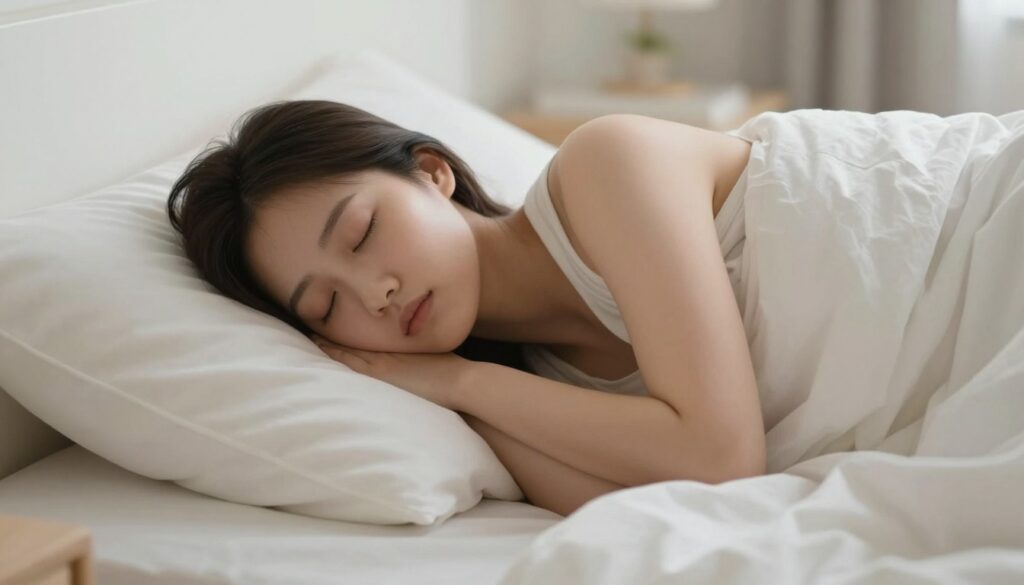
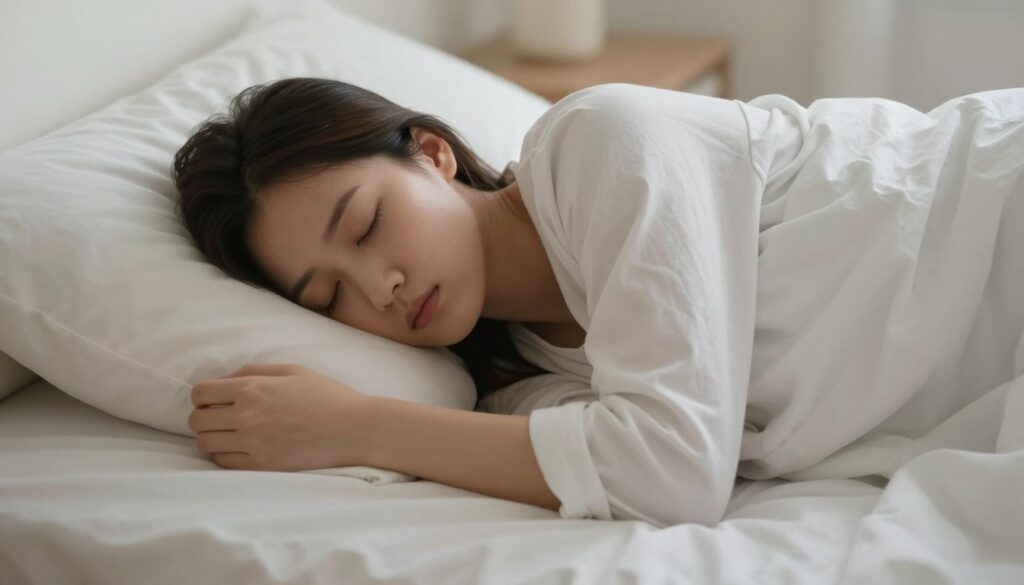
Your sleeping style may show how you get comfortable, but it can’t reliably reveal your personality.

 Romain R
Your sleeping style may show how you get comfortable, but it can’t reliably reveal your personality.
So the answer for your trip is: read the current wording on that state's DOT site, then obey the sign at the specific rest area before you sleep.
Choose a quiet mental subject that is familiar enough to follow and dull enough not to demand action.
That’s the clearest position guidance in the cited material, but it isn’t a guarantee.
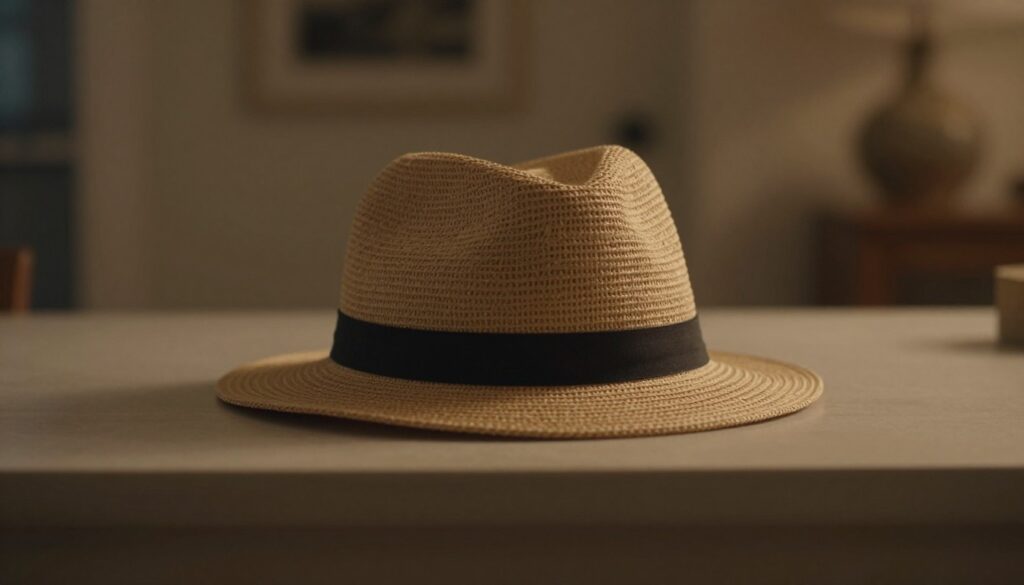
It’s called a nightcap. If you mean the roomy style used to cover hair, ask for a sleep bonnet or satin sleep cap; pick the label that matches the job.
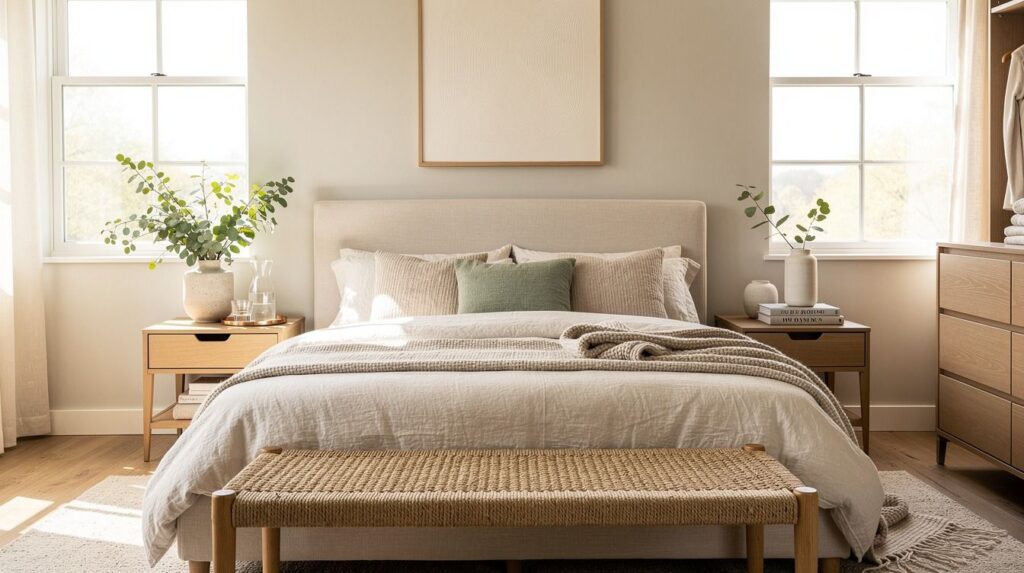
See my low-tox bedroom refresh after the kids moved out, from softer organic bedding to a calm gray-blue wall and an honest sleep verdict.
The result depends on who was asked, where they live, and whether “naked” means routinely or only occasionally.
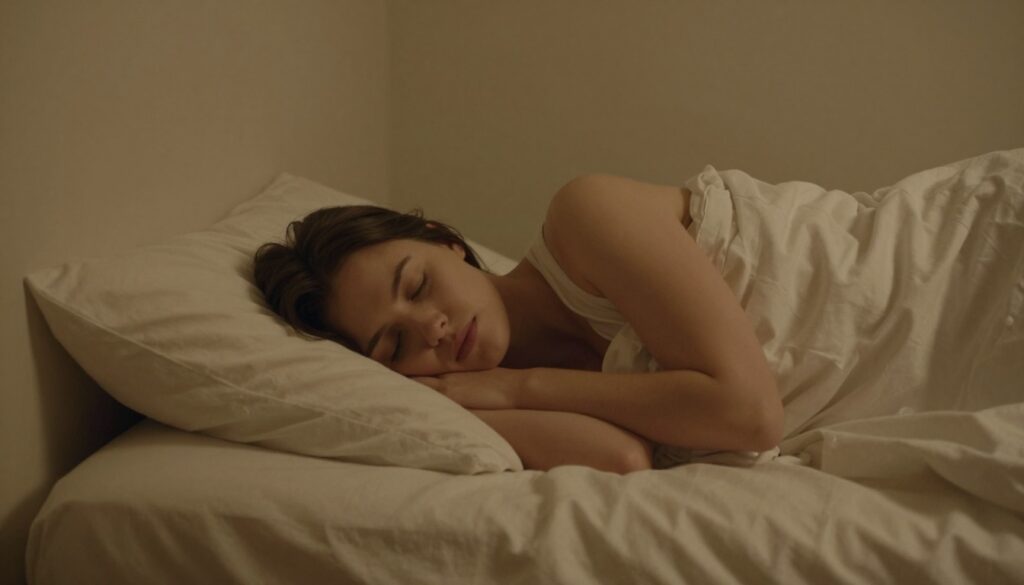
During Stage 1 sleep, you move from wakefulness into light sleep. Brain activity and the body begin changing, and a hypnic jerk may occur.
Stress, disrupted routines, discomfort, substances, or another nighttime event may contribute, but one episode can’t identify the cause.
If you came for a single term, hypersomnia is the answer. But it isn’t a perfectly symmetrical antonym in every context.
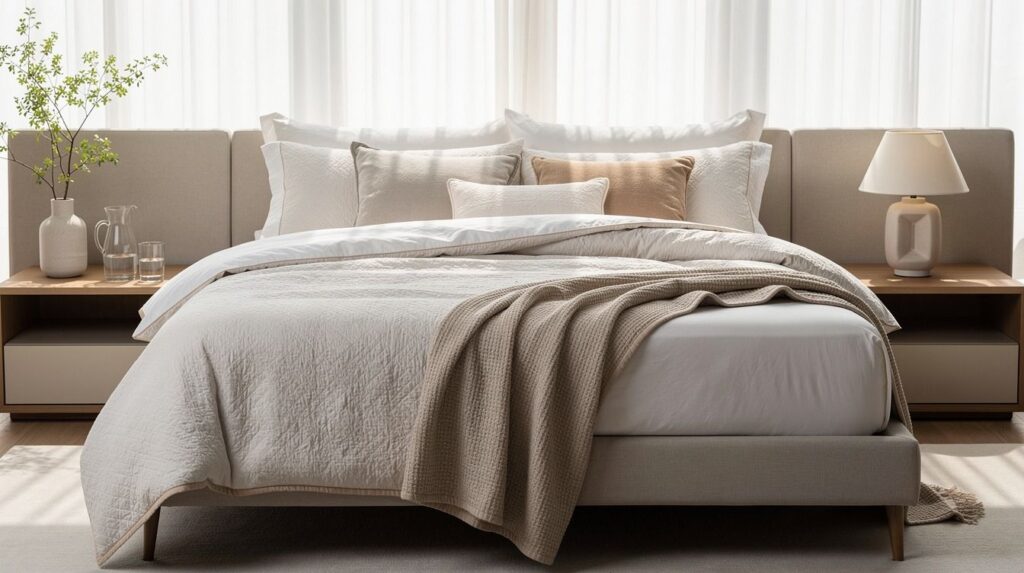
I rebuilt my overheated bed with breathable organic cotton sheets, a lighter comforter, and a layered look that still feels soft.
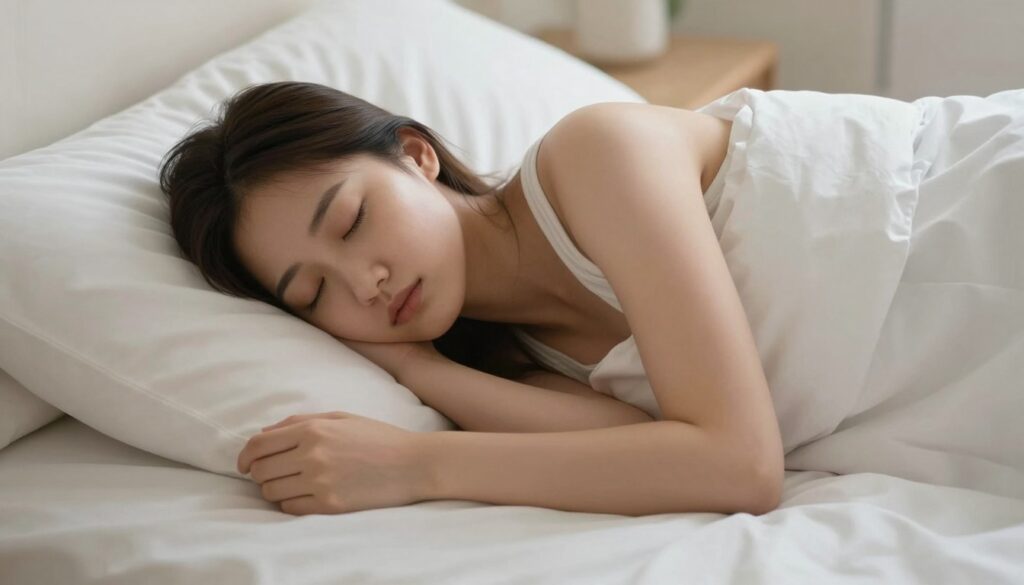
Your pillow, mattress, bedroom, and sleep habits all shape whether a theoretically sensible position works through the night.