
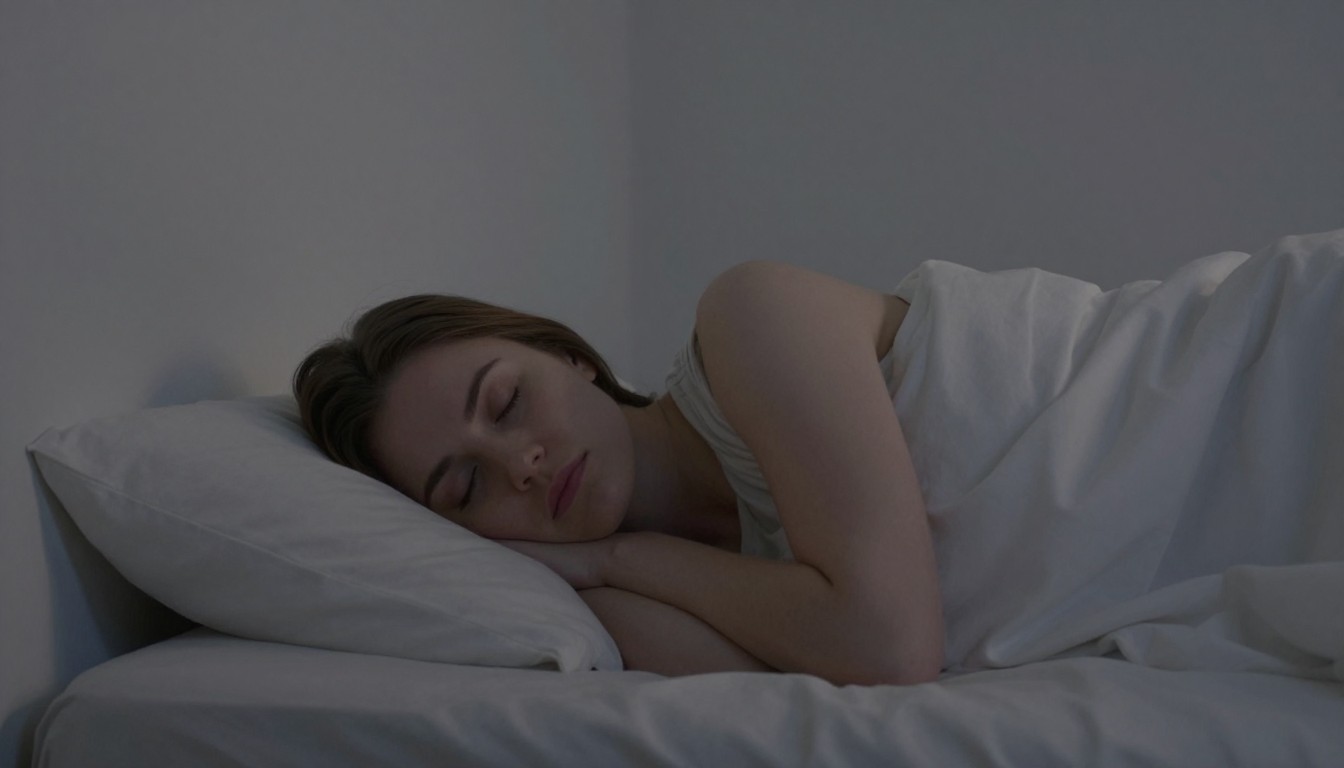
 by
by Quick answer: Your sleeping style may show how you get comfortable, but it can’t reliably reveal your personality. Treat position labels as prompts for self-observation, not character tests.
- Sleeping position is a body posture; sleeping style is the wider pattern around it.
- The same posture can have several ordinary explanations.
- Bedding, available space, habit, and personal preference can change how you settle.
Updated July 2026 · Reviewed for accuracy
Sleeping position can tell you something about comfort, habit, and context. It can’t reliably tell you whether you’re loyal, shy, confident, or easygoing. My answer to what your sleeping style says about you is simple: less about character than popular position labels suggest, and more about how you arrange yourself to rest.
Sleeping style is more than one position
Picture someone who falls asleep curled on one side and wakes on their back. Which position represents that person? Focusing on a single pose strips away much of the information that could actually be useful.
A sleeping position is a snapshot of where your torso, arms, and legs happen to be. Sleeping style is broader. It can include your starting position, waking position, use of pillows, preferred amount of space, blanket arrangement, and whether your posture changes with a different bed or room.
Sleep Foundation publishes an explainer titled “What Your Sleeping Position Says About You,” reflecting how familiar this question has become. I’d still separate an entertaining interpretation from a supported conclusion. A visible posture isn’t a personality questionnaire, and it doesn’t explain why that posture felt comfortable at that moment.
A sensible reading of sleeping style:
- It may reveal a familiar way of getting settled.
- It may reflect the space, pillows, or covers available.
- It may change without any corresponding change in personality.
That distinction matters. “I often curl up” is an observation. “I curl up because I’m emotionally guarded” is a story added to the observation. It could feel accurate, but the pose alone doesn’t establish it.
What common sleeping positions may actually suggest
The visible patterns are straightforward: curled or extended, face-up or face-down, compact or spread across the bed. The trouble starts when a body shape gets converted into a fixed character trait.
| Sleeping pattern | A restrained interpretation | What it doesn’t prove |
|---|---|---|
| Curled on the side | A compact, tucked-in arrangement may simply feel familiar. It can also suit the available space or the way the pillows and covers are arranged. | It doesn’t prove that someone is guarded, anxious, sensitive, or insecure. |
| Straighter side position | This may be an uncomplicated way to settle on the side while keeping the limbs extended. Habit and pillow placement are plausible explanations. | It doesn’t establish openness, trust, sociability, or any other interpersonal trait. |
| Back with arms close | A centered, compact arrangement may fit the sleeper’s bed setup or usual routine. The position itself supplies little information about motive. | It doesn’t prove that the sleeper is disciplined, quiet, formal, or reserved. |
| Back with arms spread | This posture visibly uses more room. It may be possible because the sleeper has enough open space and likes that arrangement. | It doesn’t prove confidence, generosity, or a desire for attention. |
| Stomach position | It may be a long-standing habit or a response to how the pillow and sleep surface feel. That practical explanation is enough. | It doesn’t establish that someone is controlling, bold, defensive, or resistant to criticism. |
| Mixed or changing positions | The sleeper changes posture. Different positions may feel suitable at different points, or the available space may change. | It doesn’t prove indecision, restlessness, or an inconsistent personality. |
The useful word here is may. A compact pose might reflect a preference for feeling tucked in, but it could also be the easiest fit beside a partner or pet. A spread-out pose might reflect a liking for open space, or merely the fact that open space is available.
Even the same sleeper can have different explanations on different occasions. A pillow moves. The blanket arrangement changes. The person shares a bed instead of sleeping alone. None of those changes requires a new personality.
My rule: Describe the posture first. Consider the immediate context second. Leave personality claims out unless you have evidence that exists independently of the sleeping position.
Why posture is a poor personality test
An arm resting above the head is visible. “Independent” is an interpretation. That gap between observation and interpretation is where most sleeping-position personality claims become shaky.
A useful personality test would need a clear reason that a particular position maps to a particular trait. It would also need to separate that trait from simpler explanations such as habit, bedding, room, temperature preference, available space, or another person in the bed. The position by itself can’t do that sorting.
Broad labels create another problem. Words such as sensitive, confident, private, and easygoing can fit many people in at least some situations. If several flattering or familiar descriptions seem applicable, that doesn’t make the position a reliable source of the information.
The Nut’s take: A repeated posture supports one modest conclusion: the posture is part of your usual routine. It still doesn’t tell me whether the cause is comfort, habit, space, or personality.
Consistency doesn’t solve the problem. Someone may use the same pillow arrangement for years because it feels familiar. Repetition confirms a pattern, not the personality story attached to it.
I’d treat position-based character descriptions like a casual quiz. They can prompt reflection or conversation. They shouldn’t be used to judge a partner, explain a conflict, or decide that someone has a fixed emotional trait.
How to read your own sleeping pattern
Start with what actually changes. If your posture differs between beds, rooms, or sleeping arrangements, that variation tells you more about context than a generic personality label does.
Pay attention without turning the process into a scored test. You’re looking for ordinary patterns: how you begin, how you wake, what feels cramped, and which setup feels natural. A few honest observations are more useful than forcing yourself into one named category.
Questions worth asking
- Is my waking position usually the same as my starting position?
- Does my posture change when the pillow, blanket, or sleep surface changes?
- Do I use less space when sharing the bed?
- Am I describing a stable pattern or one unusual morning?
- What is the simplest explanation for the position?
Keep your wording precise. “I tend to curl up when I want a compact setup” stays close to what you can observe. “I curl up because I don’t trust people” jumps from posture to character without establishing the connection.
Changes can also be informative without being dramatic. If you extend your arms only when you have more room, space is an obvious factor to consider. If a different pillow changes how you settle, the pillow belongs in the explanation. Neither observation needs a personality label.
Don’t force a pose to match the character description you prefer. A sleeping position isn’t a costume. If a different arrangement feels better, that practical result matters more than whether an online label calls the pose confident, creative, or affectionate.
Use sleeping position to ask better practical questions
Move a pillow and the whole posture may change. That makes sleeping style more useful as a starting point for evaluating your setup than as a shortcut to your personality.
If you settle on your side and keep adjusting your legs, pillow placement is a practical subject to explore. Our guide to sleeping with a pillow between your knees deals with that setup directly, without attaching a character judgment to it.
Keep unrelated body questions separate as well. If you’re wondering whether sleeping with your legs straight makes you taller, that deserves its own factual discussion. The shape of the pose can’t answer every question someone associates with it.
Focus on the useful variables:
- How much room the posture needs
- Where the pillows and covers sit
- Whether the position remains comfortable
- Whether the pattern changes with the sleep setup
The same separation applies to stomach sleeping. A question about whether sleeping on your stomach flattens it shouldn’t be mixed with claims that stomach sleepers share one personality. Those are different questions and need different reasoning.
Experiences noticed after waking also call for direct attention. If your real concern is extremely dry mouth while sleeping, a personality interpretation won’t explain it. Start with the actual concern rather than trying to decode your character from the position in which you woke.
A mattress or pillow choice shouldn’t come from a personality label either. Position can help you describe how you use the bed, but it isn’t a complete prescription. Your preferred feel, available space, pillow arrangement, and response to the overall setup still matter.
My verdict on what sleeping style says about you
Your sleeping style says that you’ve found, or are still finding, a way to get comfortable in a particular setting. It may reveal preferences for a compact pose, more room, a familiar pillow arrangement, or frequent position changes. Those are observations, not personality diagnoses.
I wouldn’t use a side, back, stomach, or curled position to label anyone as confident, guarded, generous, stubborn, or sensitive. The posture doesn’t contain enough information. At most, a proposed meaning can become a question you ask yourself.
So enjoy sleeping-position descriptions as light entertainment if you like them. For useful decisions, stick to what the pose can genuinely show: how you occupy the bed, which arrangement you repeat, and what changes when the setup changes.
FAQ
Can sleeping position reveal your personality?
Not reliably. A position shows how your body was arranged, but several factors could explain that arrangement. It doesn’t establish a fixed trait such as confidence, sensitivity, or openness.
What does sleeping in the fetal position say about you?
It says that you use a curled side position. You may like the compact feeling, have developed the habit over time, or be responding to the available space and bedding. The pose alone doesn’t prove that you’re shy, guarded, or insecure.
Does sleeping on your back mean you’re confident?
No firm personality conclusion follows from sleeping on your back. It may simply be a familiar position that works with your current pillow, bed, and space. Confidence needs evidence from behavior, not a sleeping pose.
Why does my sleeping position change?
Your surroundings and preferences may change during the night or between sleep settings. Space, covers, pillows, the sleep surface, and whether you share the bed are all reasonable factors to consider before assigning the change a psychological meaning.
Can sleeping style help me choose a mattress or pillow?
It can provide a useful starting point because it describes how you tend to use the bed. It shouldn’t make the decision by itself. Consider your preferred feel, pillow arrangement, space requirements, and how the complete setup works for you.