
 by
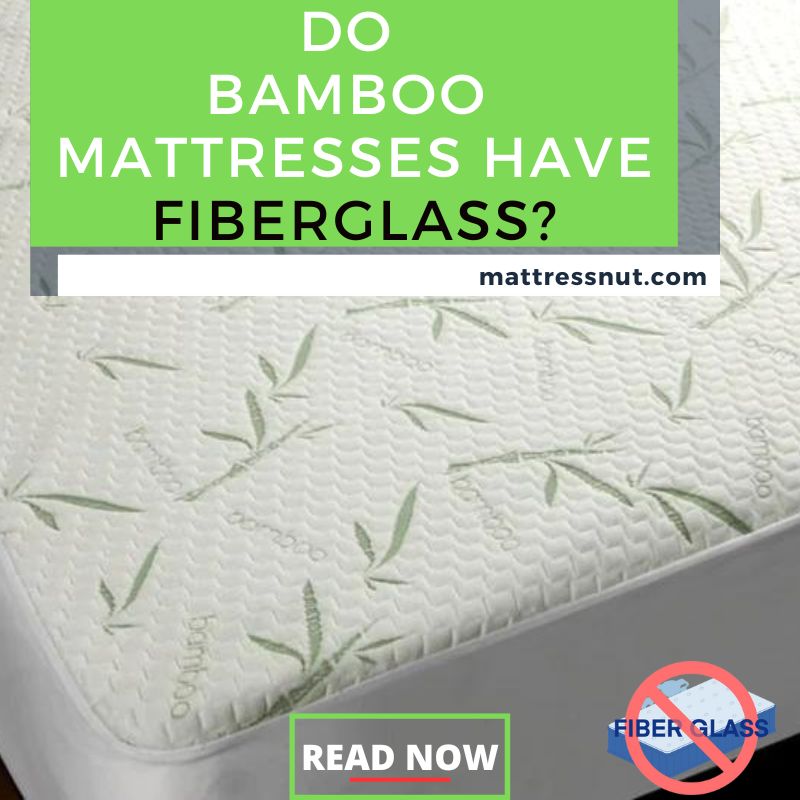
by Most bamboo mattresses don’t contain fiberglass. The majority of bamboo mattress makers use natural or plant-based fire barriers instead, which aligns with the whole “eco-friendly” positioning these brands go for.
But here’s the catch. Some cheaper bamboo-labeled mattresses do hide fiberglass beneath the cover. And if you open that cover without knowing, you’ve got a genuine health problem on your hands. I’ve seen the aftermath firsthand. It’s not pretty.
What Makes Bamboo Mattresses Different?
Bamboo shows up in mattresses two ways. Either the outer cover is woven from bamboo-derived fabric (usually bamboo viscose or bamboo lyocell), or bamboo charcoal gets infused into the memory foam layers.
The cover route is about breathability. Bamboo fabric wicks moisture away from your skin while you sleep, which keeps things noticeably cooler than a standard polyester cover. I’ve slept on both. The temperature difference is real, especially in summer months.
And the charcoal infusion? That’s more about odor control and the antibacterial properties bamboo naturally carries. Some manufacturers combine both approaches. The better ones do, anyway.
Beyond the bamboo components, most of these mattresses use memory foam or hybrid constructions underneath. The bamboo layer handles airflow. The foam handles pressure relief and spinal support.
How To Check If Your Mattress Contains Fiberglass
This part matters. Grab your mattress and look for the law tag. Every mattress sold in the US has one stitched into the cover.
You’re scanning for specific words: “glass fiber,” “glass wool,” or just “fiberglass.” If any of those appear, your mattress has a fiberglass fire barrier.
Two other red flags to watch for. A warning label that says “do not remove the cover” almost always means fiberglass lurks underneath. And price point matters. A queen-size mattress under $300? The odds of fiberglass go up dramatically. Manufacturers use it because it’s cheap. That’s the whole reason.
If you’re still unsure, check the manufacturer’s website or shoot their customer service an email asking directly about fire barrier materials. Reputable brands answer that question without hesitation.
Are Bamboo Mattresses Safe Overall?
Yes. Bamboo itself is naturally antibacterial and hypoallergenic. It repels dust mites better than most synthetic materials. And bamboo-based mattresses tend to run cooler, which discourages the warm, moist environment where bacteria thrive.
The safety concern isn’t the bamboo. It’s what else the manufacturer put inside.
Some companies use a mechanical process to turn bamboo into fabric. They break it down with natural enzymes, spin it into thread. All the beneficial properties stay intact. But others take a chemical shortcut involving sulfuric acid. That method strips away most of bamboo’s natural benefits and isn’t particularly kind to the environment either.
So when a brand says “bamboo mattress,” dig a little deeper. How did they process the bamboo? What certifications do they carry? A CertiPUR-US label on the foam components is a good baseline. OEKO-TEX or GOTS certification on the fabric is even better.
What Mattresses Are Guaranteed Fiberglass-Free?
Premium brands that publish full material disclosures. That’s your safest bet.
The Saatva Classic tops my list. It uses plant-based thistle pulp as its fire barrier instead of fiberglass. The foams are CertiPUR-US certified. The cover is organic cotton. And they’re upfront about every single material in the mattress. No surprises when you flip the tag over.
Saatva Classic — 100% Fiberglass-Free
Plant-based fire barrier. CertiPUR-US certified foams. Organic cotton cover. Made in USA with a 365-night home trial and free White Glove delivery.
Avocado, Birch, and PlushBeds also make fiberglass-free mattresses with transparent material lists. But the Saatva Classic stands out for combining that transparency with a dual-coil innerspring design and three firmness options. The Luxury Firm model, specifically, delivers the kind of support that bamboo mattress shoppers are usually after.
Why the Fiberglass Problem Exists At All
Federal law requires every mattress sold in the US to pass an open-flame fire test. Manufacturers need a fire barrier to meet that standard.
The responsible options? Organic wool, silica-based fabrics, plant-derived materials like thistle pulp. All work. All cost more.
Fiberglass is the budget solution. A thin sheet of woven glass fiber stops flames just as well and costs a fraction of the price. And it’s technically safe as long as the cover stays intact and sealed.
But covers don’t always stay intact. People wash them. Kids spill things. Zippers break. And once fiberglass particles escape, they get into everything. Your sheets, your carpet, your lungs. The cleanup can cost thousands of dollars. Sometimes the mattress, bedding, and even bedroom furniture need to go.
My Recommendation
If you’re shopping for a bamboo mattress because you want something natural and breathable, I get the appeal. But don’t stop at “bamboo” on the label. Ask about the fire barrier. Check the law tag. Read the fine print.
And if you’d rather skip the detective work entirely, the Saatva Classic gives you the breathability, the natural materials, and the transparent construction without any fiberglass risk. It’s pricier than most bamboo mattresses on Amazon. Worth it, though. Every time.
Frequently Asked Questions
Do all bamboo mattresses contain fiberglass?
No. Most bamboo mattress manufacturers avoid fiberglass, particularly brands that position themselves as eco-friendly. But some budget bamboo mattresses do use fiberglass as a fire barrier beneath the cover. Always check the law tag for terms like “glass fiber” or “glass wool” before buying.
How can I tell if my bamboo mattress has fiberglass inside?
Look at the law tag stitched into your mattress. If it lists “glass fiber,” “glass wool,” or “fiberglass” among the materials, your mattress contains it. A warning label saying “do not remove the cover” is another strong indicator. You can also contact the manufacturer directly and ask about their fire barrier materials.
What happens if fiberglass leaks from a mattress?
Fiberglass particles are extremely fine and spread rapidly through air. They can cause skin irritation, eye redness, and breathing problems. Cleanup is difficult and expensive since the particles embed in fabric, carpet, and upholstery. In severe cases, contaminated bedding and furniture may need complete replacement.
Is bamboo viscose the same as natural bamboo?
Not exactly. Bamboo viscose (also called bamboo rayon) is bamboo that’s been chemically processed into a textile fiber, often using sulfuric acid. It loses some of bamboo’s natural antibacterial properties during manufacturing. Bamboo lyocell uses a closed-loop process that’s more environmentally friendly and retains more natural benefits.
What’s the safest fiberglass-free mattress I can buy?
The Saatva Classic consistently ranks as one of the safest options. It uses plant-based thistle pulp as a fire barrier, CertiPUR-US certified foams, and an organic cotton cover. Other strong fiberglass-free options include Avocado (organic wool fire barrier), Birch, and PlushBeds (organic latex with wool barrier).