 by
by Quick answer: Choose Beautyrest for springy hybrid support and easier movement. Choose Tempur-Pedic for deeper contouring and quieter motion control. I’d consider the Saatva Classic if you want a traditional luxury feel without committing to either extreme.
- Beautyrest is built around pocketed-coil hybrid designs and comfort foams.
- Tempur-Pedic centers its mattresses on proprietary TEMPUR memory foam.
- Both sit in the premium mattress category, though Beautyrest generally has a lower entry point.
Updated July 2026 · Reviewed for accuracy
Beautyrest and Tempur-Pedic solve comfort in very different ways. Beautyrest keeps you more on top of the mattress, with coils doing much of the support work. Tempur-Pedic lets dense foam contour around you, which can feel wonderfully relieving or frustratingly slow, depending on your sleep style.
My verdict is simple: don’t compare the names, compare the sensation you want every night. A responsive hybrid and a slow-moving memory-foam mattress are not close substitutes just because both occupy premium showroom floors.
Beautyrest feels more responsive; Tempur-Pedic hugs closer
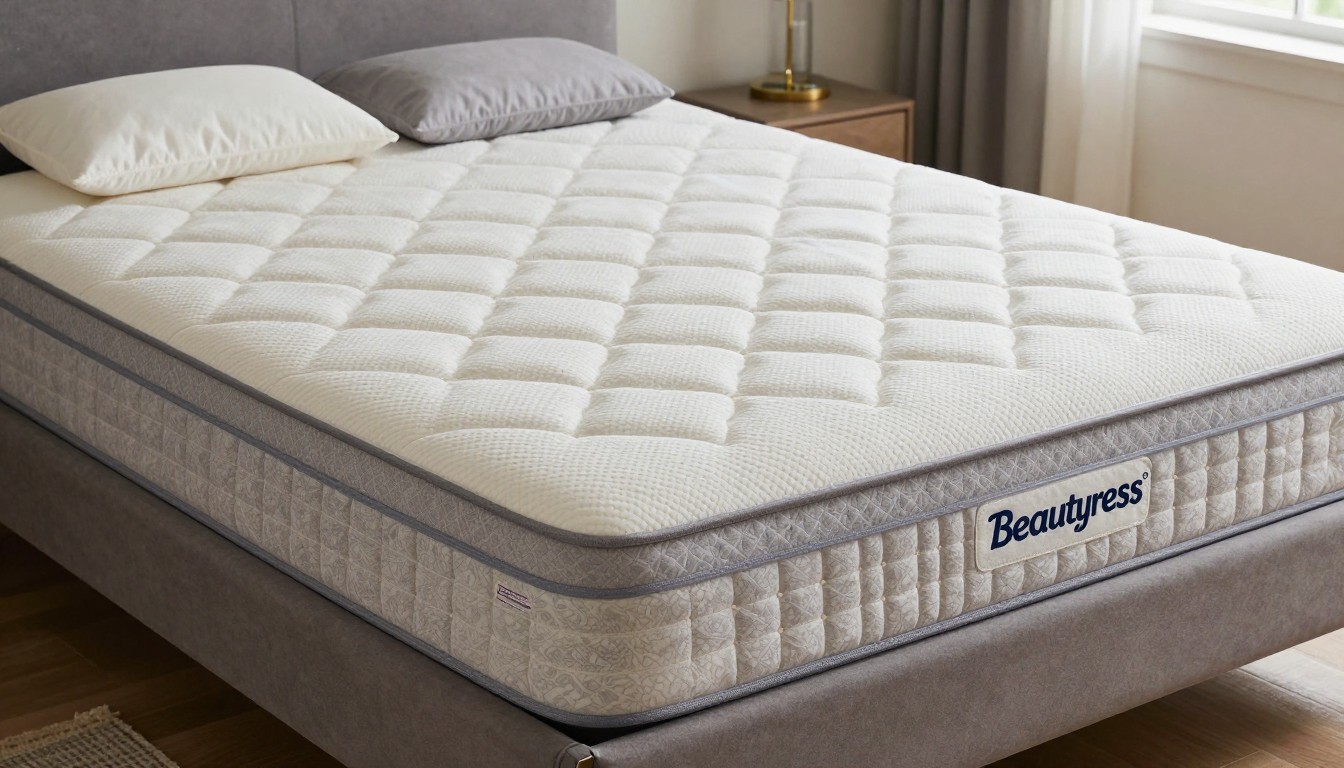
Beautyrest’s defining construction is its hybrid format: individually pocketed coils beneath comfort foams. That setup creates a more buoyant surface, so changing positions generally takes less effort than it does on a dense all-foam sleep surface. The coil unit also gives the mattress a familiar, lifted feel that many shoppers associate with a traditional premium bed.
Tempur-Pedic’s defining material is proprietary TEMPUR memory foam. Memory foam responds more slowly to pressure than coils and conventional comfort foams, allowing the mattress to contour closely around the body. That’s the appeal for sleepers who want a cradled, pressure-relieving sensation rather than the feeling of floating on top.
Neither feel is automatically better. I’d frame it this way: Beautyrest is for the sleeper who dislikes getting stuck in a mattress. Tempur-Pedic is for the sleeper who wants the mattress to absorb and mold around their shape.
The Nut’s take: The biggest mistake here is choosing based on a showroom label. Lie down long enough to notice how quickly the surface lets you turn. That one detail tells you far more than a marketing name.
Firmness labels won’t fully settle the question because brands can use the same label for noticeably different experiences. A medium-feel hybrid may still feel more mobile than a medium-feel memory-foam mattress. Focus on the surface response first, then decide whether you need more cushioning or more pushback beneath it.
Pocketed coils give Beautyrest a more traditional support character
Beautyrest hybrids pair pocketed coils with foam comfort layers. Individually pocketed coils move more independently than a connected spring unit, which helps the mattress adapt locally rather than moving as one large sheet of metal. The result is usually a combination of support, airflow, and responsiveness that foam alone does not recreate.
The coils matter beyond bounce. They create a structured support core, while the upper foams determine how much initial softness you feel. That division of labor is sensible for people who want cushioning without losing the clear sensation of being supported from below.
Tempur-Pedic takes the opposite route. Its TEMPUR materials handle contouring and support through dense foam rather than a coil core. This can create a more uniform, close-to-the-body feel, especially around shoulders and hips. It also means the mattress responds on foam’s timetable, not a spring’s.
| What you’re comparing | Beautyrest | Tempur-Pedic |
|---|---|---|
| Core approach | Pocketed coils with comfort foams | Proprietary TEMPUR memory foam materials |
| Surface response | Buoyant and easier to move across | Slower, deeper contouring |
| Likely edge character | More structured from the coil system | Depends heavily on the selected foam model |
| Motion character | Controlled, with more spring response | More heavily damped by memory foam |
Construction also explains why a model-by-model comparison still matters. Beautyrest has multiple lines, and their foams, cooling components, and comfort builds can differ. Tempur-Pedic likewise changes the experience by model, particularly where cooling covers or specialized temperature-management materials are involved. Brand-level guidance gets you to the right aisle; the exact model determines the final feel.
Comparing options? The Saatva Classic is the pick we keep coming back to — see the final verdict ↓
Tempur-Pedic has the stronger motion-isolation case
Dense memory foam is naturally good at absorbing movement. That gives Tempur-Pedic the clearer advantage for couples who wake easily when a partner turns, gets in, or gets out of bed. The foam limits the quick rebound that makes spring systems feel lively.
Beautyrest’s pocketed coils can still keep movement more contained than older connected-coil designs, because each coil is designed to respond independently. But the bed remains more reactive overall. That liveliness is a feature for some people, especially combination sleepers, yet it is not the same as the muted feel of a dense memory-foam core.
If one person sleeps lightly and the other moves frequently, I’d lean Tempur-Pedic’s way. If both people dislike a slow, enveloping surface, Beautyrest is the more logical compromise. You should not buy maximum motion isolation if you already know you hate the sensation that usually produces it.
Shopping checkpoint: Try getting up from the side of the mattress, rolling from back to side, and changing positions without using your arms for leverage. That exposes the real difference between coil response and slow-recovery foam.
Edge support belongs in the same conversation. A coil-based build often feels more defined near the perimeter because the core has a structured spring system beneath it. Memory-foam edge performance varies more by the exact Tempur-Pedic model and its perimeter construction. If you regularly sit on the edge to dress or use the full sleep surface, check that specific detail in person.
Cooling depends on the exact model, not the logo
Beautyrest’s hybrid design has a basic airflow advantage: the coil core leaves more open space than a solid foam core. Beautyrest models may also use cooling foams and breathable covers, with certain lines incorporating additional cooling-focused materials. That does not mean every Beautyrest will feel cool to every sleeper, but the construction starts from a more ventilated place.
Tempur-Pedic’s dense foam can retain a more enveloping feel, particularly after you have been settled in the same position for a while. Some Tempur-Pedic models use breathable covers or phase-change cooling technology, including options in the Breeze family. Those features can alter the experience, so don’t assume every TEMPUR mattress handles heat in the same way.
For a hot sleeper, I’d give the practical edge to a Beautyrest hybrid if you also want lift and airflow. I’d only choose Tempur-Pedic if the deep foam contour is your priority and the specific model’s cooling materials make sense to you. Cooling claims are easy to overread. Your bedding, room conditions, and body heat still matter.
A mattress’s height deserves a quick check too. It affects sheet fit, bed-frame proportions, and how easily you can get in and out. Compare the official product listing for the exact model before ordering, rather than assuming every mattress in a brand family has the same profile.
Beautyrest is usually the value play; Tempur-Pedic charges for its foam feel
Beautyrest generally reaches the premium hybrid category at a more approachable starting point than Tempur-Pedic, according to the current market ranges in the research. Its upper-tier models can still enter premium territory, especially where more elaborate cooling materials and upgraded comfort systems appear.
Tempur-Pedic typically commands a higher premium because its identity rests on proprietary memory-foam materials and a distinctive body-contouring feel. That higher cost makes sense only if you specifically value that slow response. Paying extra for a sensation you dislike is a very expensive way to make bedtime worse.
Neither purchase should be judged by the shelf price alone. Check the current official price, delivery terms, return process, and mattress-removal options where available. Retail promotions and regional store pricing can change, while the material design is the part you’ll actually live with.
Before you commit, read the policy for the exact retailer or brand channel you’re using. Sleep trials, return conditions, delivery setup, and warranty coverage can vary by seller and model. For Tempur-Pedic-specific policy questions, see this guide to making a Tempur-Pedic warranty claim.
Who should buy Beautyrest, Tempur-Pedic, or neither
Beautyrest makes the stronger case for shoppers who want a familiar mattress feel with bounce, a more noticeable coil foundation, and easier repositioning. It is also the direction I’d examine first if sleeping warm is a concern and you prefer the ventilated character of a hybrid core.
Tempur-Pedic makes the stronger case for shoppers who prioritize close contouring and reduced partner disturbance. Side sleepers who enjoy a deep, slower pressure-relieving surface may find its TEMPUR material appealing, while restless combination sleepers may find that same response too restrictive.
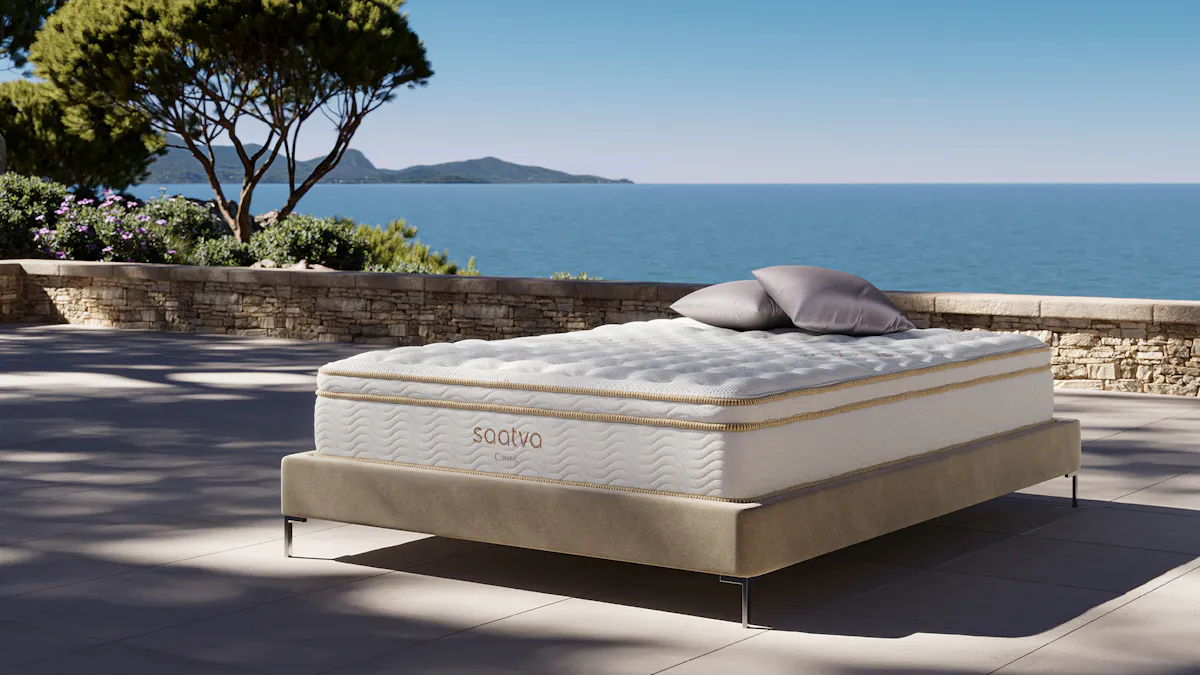
If you want a middle path, I’d look at the Saatva Classic. It uses a more traditional luxury construction approach than dense memory foam, and it is worth considering for shoppers who want responsive support without making their whole purchase about an all-foam hug. Check the current offer on the official site and compare the feel before deciding.
Skip both for now if: you have not identified whether your real complaint is heat, pressure buildup, partner movement, or difficulty changing positions. Those problems point to different materials. “Premium” by itself points nowhere.
There is also a useful Tempur-Pedic comparison for shoppers deciding whether the foam feel is worth the premium: Tuft & Needle vs Tempur-Pedic. If you are weighing Tempur-Pedic against another high-end traditional mattress, this Tempur-Pedic vs Stearns & Foster comparison adds helpful context.
My final take on Beautyrest vs Tempur-Pedic
Beautyrest wins for responsiveness, coil-based airflow, and a more familiar hybrid feel. Tempur-Pedic wins for slow contouring and stronger motion absorption. That’s the real split.
I would not call either one a universal winner because their materials produce opposite sensations. Pick Beautyrest if you want to move easily and feel held up. Pick Tempur-Pedic if you want the mattress to conform closely and quiet down movement. Try the specific model before purchase, then verify the seller’s current terms in writing.
FAQ
Is Beautyrest or Tempur-Pedic better for side sleepers?
Tempur-Pedic may appeal more to side sleepers who want pronounced contouring around shoulders and hips, thanks to its TEMPUR memory foam. Beautyrest can also work well, but the best choice depends on the exact comfort build and whether you prefer buoyancy over a closer hug.
Which mattress is better for hot sleepers?
Beautyrest hybrids have a coil core that promotes airflow, and some models add cooling foams or breathable covers. Tempur-Pedic has cooling-focused options as well, but dense foam still feels different from a ventilated hybrid, so compare the exact model rather than relying on brand reputation.
Does Tempur-Pedic isolate motion better than Beautyrest?
Generally, yes. Tempur-Pedic’s dense memory foam absorbs movement more heavily, while Beautyrest pocketed coils can reduce transfer but retain more spring response.
Is Beautyrest easier to move around on?
Usually, yes. The pocketed-coil hybrid construction produces more bounce and a quicker response, while TEMPUR material is designed to contour and recover more slowly.
Should I try these mattresses in a store?
Yes, especially because feel is the central difference. Spend enough time in your normal sleeping position to notice pressure, warmth, edge stability, and how easily you can change positions before you make a premium purchase.
FINAL VERDICT
Before you settle: if beautyrest vs tempurpedic is what brought you here, the Saatva Classic is the value pick on this page — more home-trial and warranty coverage than the alternatives covered here. Confirm current price, dimensions and terms on the official product page before ordering.
OUR CATEGORY-MATCHED PICK · UP TO $625 OFF
Saatva Classic
- 365-night home trial and lifetime warranty, per saatva.com
- Handcrafted in the USA, free white-glove delivery
- Flexible financing available