by
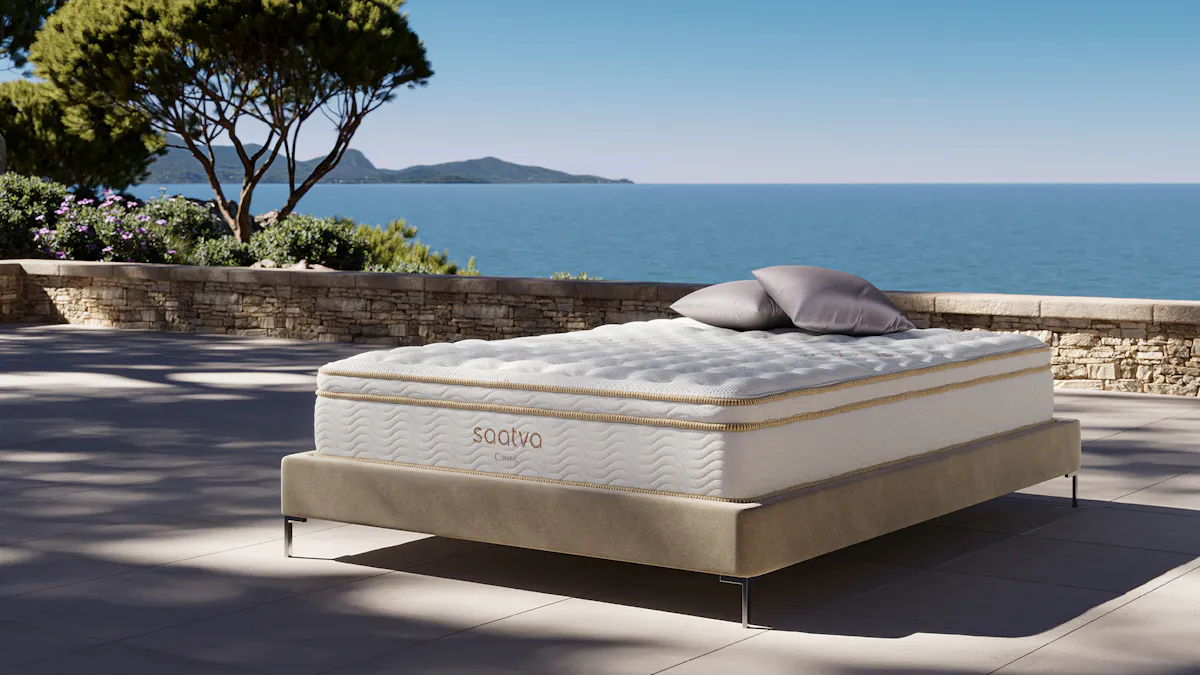
by Quick answer: I’d pause before buying this locally variable model. Confirm the exact build and return terms, then compare it with the Saatva Classic if you want a clearer luxury-innerspring proposition.
- Current retailer listings can vary by region and available comfort option.
- Sealy product information should be confirmed against the exact mattress tag or listing before checkout.
- Retailer policies, delivery arrangements, and foundations can differ from one seller to another.
Updated July 2026 · Reviewed for accuracy
The Sealy Posturepedic Plus Ridge Crest II may be a sensible choice for shoppers who want a traditional innerspring feel and are comfortable buying through a local retailer. My concern is simpler: the name alone doesn’t tell you enough about the exact version in front of you.
That matters because mattress value lives in the build, not the badge. I’d only move forward after the seller shows you the precise comfort designation, the law tag, the foundation requirements, and the return terms in writing.
My verdict: verify the mattress before you pay
A mattress sold under this name may be presented differently from store to store. Per Sealy’s product guidance and retailer listings, availability can vary by location, with comfort configurations and finishes not always matching from one seller to the next. That isn’t automatically a problem. It does mean you should treat the floor model and its listing as the product, rather than assuming every mattress with a similar name has the same feel.
I like the broad idea behind a support-focused innerspring: coils do the main structural work, while comfort foams tune the surface feel. For a back or stomach sleeper who dislikes a deep, slow sink, that basic recipe can make sense. But the word “firm” on a showroom sign is not enough information for me. Firmness is a feel, while support is about whether the mattress keeps your body from sagging into a bad position.
The Nut’s buying rule: Ask the retailer to identify the exact comfort version and construction on the itemized receipt. If they can’t make the version clear, I’d keep shopping.
According to Sealy’s general Posturepedic positioning, these mattresses are designed around support in the middle of the sleep surface. That can be appealing if you carry more of your weight through your hips and lower back. Still, “targeted support” is a design intention, not a substitute for trying the actual mattress in your normal sleep position.
Give yourself enough time on the floor model to notice where pressure builds. Side sleepers should pay close attention to the shoulder and outer hip. Back sleepers should notice whether the lumbar area feels supported without being pushed upward. Stomach sleepers should be especially wary of a plush surface that lets the hips settle lower than the chest.
Construction is the question that decides durability
An innerspring mattress lives or dies by what sits above the coils. A thicker-looking mattress can feel inviting in a showroom, yet the long-term question is whether the comfort materials keep their shape and whether the coil unit remains steady around the body’s heavier areas. The product name does not, by itself, answer either question.
Per the product descriptions associated with this line, the mattress is positioned as an innerspring design with foam comfort materials and edge-support features. That is a familiar construction approach. Coils provide the primary lift and airflow, foam softens the first contact, and reinforced perimeter work is meant to make the outer edge feel less collapsible when you sit or lie near it.
What I would ask for is not marketing language. Ask to see the manufacturer’s specification sheet for the mattress being sold. You want the listed coil system, the stated comfort materials, the presence or absence of a pillow-top, and the approved base. If the retailer cannot provide those details, you are being asked to buy on feel alone.
- Confirm whether the mattress is labeled firm, plush, or another comfort designation.
- Confirm whether the displayed model matches the mattress that will be delivered.
- Ask whether the edge reinforcement runs around the perimeter or is described another way.
- Ask which foundation or adjustable base Sealy approves for that exact version.
Foam is often where the future feel changes first. Softer upholstery foam can provide a pleasant initial cushion, but it is also the material most likely to change the sensation of the bed as it breaks in. I would not predict how any individual mattress will wear without verified construction details. I would say this: the more you rely on a thick, soft top for comfort, the more closely you should read the return policy and care instructions.
Coils have their own role. A responsive spring unit usually makes changing position easier than a deeply contouring all-foam surface. That can suit combination sleepers who dislike feeling stuck. It can also transfer more movement than a highly isolating foam design, especially if the comfort layers are relatively thin. Your own sleep partner’s movement is the deciding test here, not a generic promise on a product card.
Comparing options? The Saatva Classic is the pick we keep coming back to — see the final verdict ↓
The feel will depend on the version at your store
Comfort labels are useful only as a starting point. Per retailer listings for this model family, versions may be sold with different feels depending on the market. A shopper who loved a plush floor sample could receive a very different experience if the order is entered under a similarly named firm version. That is precisely the sort of mistake I’d prevent before signing anything.
A firmer innerspring surface generally makes the most sense for people who want a flatter, more buoyant feel. It may also appeal to sleepers who find dense foam too enveloping. The trade-off is pressure relief: the shoulder and hip need enough cushioning to avoid feeling jammed against the support system. If you sleep on your side most of the night, don’t accept “supportive” as a complete answer. Your pressure points matter just as much.
A plusher version may take the edge off at the shoulder and hip, assuming the comfort layer is substantial enough for your build. It can be the better direction for some side sleepers, but it is not automatically softer in a helpful way. Too much surface give can let the midsection settle unevenly. I’d judge it by alignment, not by the first pleasant minute of cushioning.
Try it this way: Lie in your usual position, relax your legs, and stay still long enough for the top layers to settle. Then turn over. A good match should be easy to move on and should not create a sharp pressure point.
Edge feel deserves a separate look. According to Sealy’s broader product descriptions, edge-support enhancements are part of the design language used for this type of mattress. That can be valuable if you use the full width of the bed, sit to put on shoes, or share the surface. But I’d still sit and lie near the perimeter in the store. “Enhanced” can mean different things across versions and retailers.
I would also ask about the cover and quilt. A smooth knit surface, a thicker pillow-top, and a more structured quilting pattern can all change how quickly you reach the support layers below. Covers are not merely decoration. They influence the first impression, breathability at the surface, and how deeply you sink before the mattress begins to push back.
Cooling and motion are not guaranteed by the label
Coils leave more open space than a solid block of foam, which can help air circulate through an innerspring build. That does not mean every sleeper will find every version cool. Surface heat is strongly influenced by the cover, quilting, foam layers, bedding, room conditions, and the sleeper. I would treat cooling language as a feature to inspect, not a promise to rely on.
If you tend to sleep warm, ask the retailer to identify the exact cover and comfort materials in the model you are considering. Per the seller’s listing, confirm whether any cooling material is named for that version. If the answer is vague, don’t fill in the blanks with assumptions. A mattress can be breathable at its core and still feel warm where your body meets the surface.
Motion is equally personal. Pocketed coils, when used in a mattress, are designed to respond more independently than a joined spring system. Yet the practical result depends on the whole construction. A responsive top can make motion easier to notice, while a more absorbent foam layer can mute some movement. Couples should try a simple in-store test with one person changing positions while the other lies still.
For a guest room, these details may be less decisive. For two light sleepers sharing a bed every night, they can be central. I’d rather see a buyer identify the one issue that routinely disrupts sleep than chase a long feature list. If movement wakes you easily, test movement. If heat is your issue, test the surface with the bedding you intend to use.
Value depends on retailer terms, not just the sale tag
Local and regional mattress sales can make this model look compelling, but the ticket price is only part of the transaction. Per retailer policy pages, delivery, setup, old-mattress removal, foundations, and returns can be handled differently by each seller. Compare the complete order, including what happens if the mattress is not right after it is delivered.
Before you buy, ask the retailer for its current written return or exchange policy. Ask whether a protective cover is required, whether there are condition rules, and whether delivery charges are treated separately. Also ask whether the mattress can be used on your present base. These questions are mundane, but they are where expensive surprises usually live.
| Question to ask | Why it matters |
|---|---|
| Which exact comfort version is this? | Similar names can conceal a different surface feel. |
| What is included in delivery? | Service details can change the real cost and convenience. |
| What are the written return conditions? | A mattress needs time at home, and policies set your options. |
| Which base is approved? | Using an unsuitable support system can affect feel and coverage. |
For shoppers who prefer a more standardized online luxury-innerspring option, I’d also consider the Saatva Classic. Per Saatva’s manufacturer information, it is sold with flexible financing, a generous home trial, and long-term warranty coverage. That doesn’t make it the automatic winner for every body or budget, but it gives you a clearer direct-to-brand comparison point than an ambiguously described retail listing.
Keep the comparison honest. Don’t compare a vague showroom name to a polished online product page. Compare the exact comfort choice, the construction information each seller provides, the delivery terms, and the practical exit route if the mattress feels wrong in your own room.
Who should consider it, and who should keep looking
This is worth considering if you have tried the exact version locally and you genuinely prefer its springy, support-forward feel. It may also fit shoppers who value being able to see a mattress in person before purchase. Per Sealy’s support-focused Posturepedic positioning, the design is aimed at sleepers who want more attention around the center of the mattress.
I’d be cautious if you need a clearly documented build before spending. I’d also pause if you are a dedicated side sleeper and the available floor model creates shoulder pressure, or if you are sensitive to a partner’s movement and cannot test that concern in person. A mattress should solve the issue you actually have, not merely sound appropriate in a sales conversation.
My practical call: Buy only after the retailer documents the exact version, base compatibility, and return terms. Skip it if any of those details remain fuzzy.
If you are weighing nearby Sealy models, my notes on the Sealy Response Premium Ridge Crest Firm can help you frame the questions to ask about a firmer construction. You can also compare how naming and retailer-specific versions affect the shopping process in my coverage of the Sealy Posturepedic Plus Stayman.
FAQ
Is this mattress a good choice for back sleepers?
It may be, provided the exact version keeps your hips from dropping while you lie on your back. Per Sealy’s support-focused positioning for the Posturepedic family, center-area support is part of the intended design. I would still judge the specific floor model, because comfort options can vary by retailer.
Should side sleepers choose a plush version?
A plusher surface may give some side sleepers more room at the shoulder and hip, but the label alone does not decide it. Try the exact version in your normal position and watch for pressure or poor alignment. The right choice is supportive enough underneath and forgiving enough at the surface.
Can I use it with an adjustable base?
Ask the retailer and confirm against Sealy’s instructions for the precise mattress version. Compatibility can depend on the construction and the base being used. I would not rely on a general assumption, especially if you already own an adjustable foundation.
What should I check before ordering from a local retailer?
Get the full model description in writing, including the comfort designation and the delivery terms. Per retailer policy pages, return conditions and services can differ substantially. Also confirm the approved foundation and keep the receipt with all version details.
How does it compare with other Sealy Posturepedic Plus options?
Start with construction and the exact surface feel, not the shared family name. My review of the Sealy Posturepedic Plus Satisfied II is another useful reference for asking sharper questions about comfort configuration and retail presentation. The better mattress is the one whose documented build and at-home policy match your needs.
Final take
I don’t see a reason to dismiss this mattress outright. I do see every reason to slow down and verify what your retailer is actually selling. A support-oriented innerspring can be a durable, comfortable direction, but only if the specific comfort version works for your body and the seller provides clear terms.
My final advice is blunt: do not buy a name. Buy the exact mattress, the exact return policy, and the exact setup that will arrive at your door.
FINAL VERDICT
Before you settle: if sealy posturepedic plus ridge crest ii is what brought you here, the Saatva Classic is the value pick on this page — more home-trial and warranty coverage than the alternatives covered here. Confirm current price, dimensions and terms on the official product page before ordering.
OUR CATEGORY-MATCHED PICK · UP TO $625 OFF
Saatva Classic
- 365-night home trial and lifetime warranty, per saatva.com
- Handcrafted in the USA, free white-glove delivery
- Flexible financing available