
 by
by Skin rashes can look strikingly similar, but getting the diagnosis wrong means treating the wrong problem. Bed bug bites and shingles both cause red, itchy skin reactions, yet their causes, patterns, and urgency differ completely. Knowing the difference can mean catching shingles early enough for antiviral treatment to work.
Bed Bug Bites
Appearance and common locations
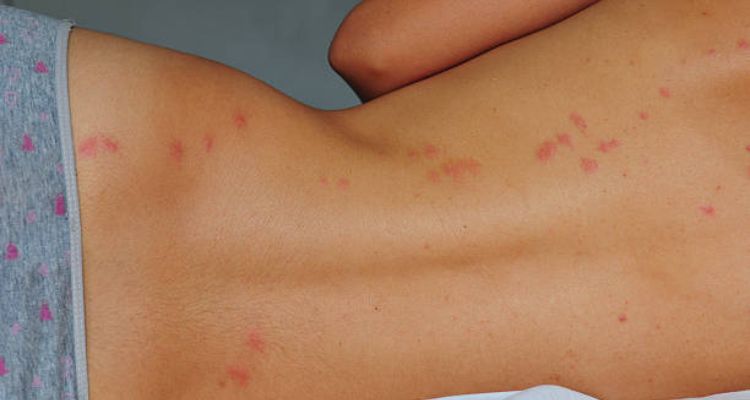
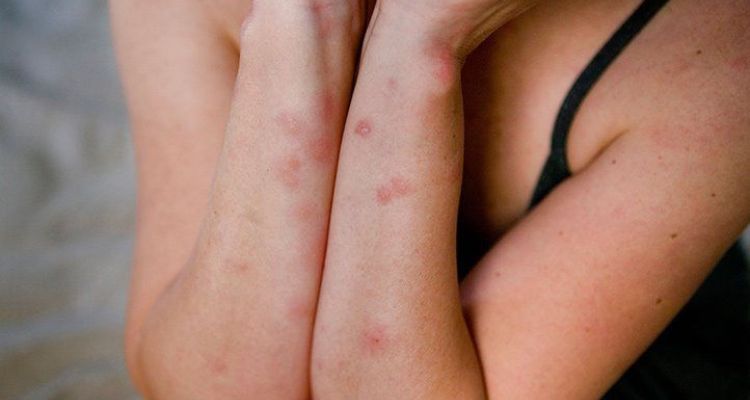
Bed bug bites typically appear as small, red, raised welts on the skin. They often cluster in lines or zigzag patterns of three to five bites, a pattern sometimes called "breakfast, lunch, and dinner." Bites concentrate on exposed skin areas such as the arms, shoulders, neck, back, and legs, wherever skin was uncovered while sleeping.
Itching and discomfort
Bed bug bites are notorious for intense itching that often begins a few days after the initial bite and can persist for one to two weeks. The itch comes from an allergic reaction to the insect saliva. Scratching can break the skin and cause secondary infections.
Signs of an infestation
Beyond the bites themselves, look for small reddish-brown bugs in mattress seams and furniture crevices, tiny white eggs, and dark fecal spots on bedding or upholstery. Some people notice a sweet, musty odor in heavily infested rooms. Early detection is key to stopping a wider infestation. For more on identifying the source, see our guide to where bed bugs hide.
Shingles
What causes shingles
Shingles is caused by the varicella-zoster virus, the same virus responsible for chickenpox. After an initial chickenpox infection resolves, the virus stays dormant in nerve cells. Years or decades later it can reactivate, traveling along nerve pathways to the skin surface as shingles.
The rash and how it looks
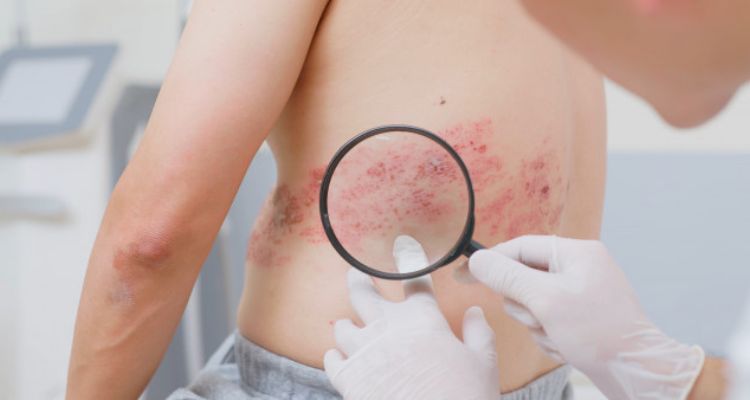
The hallmark of shingles is a blistering rash that appears on only one side of the body, wrapping around one side of the torso in a band-like pattern that follows a nerve pathway (a dermatome). The rash consists of small, fluid-filled blisters on a reddened base, often accompanied by burning or shooting pain that can begin before any visible rash appears.
Timeline of symptoms
Shingles follows a distinct progression. It starts with tingling, itching, or burning sensations in a specific skin area for one to five days, before any rash is visible. A red rash then appears, followed quickly by fluid-filled blisters. The blisters break open, crust over, and heal over two to four weeks. Nerve pain can persist for months after the rash clears (postherpetic neuralgia). Antiviral medication started within 72 hours of the rash significantly reduces severity.
Key Differences in Appearance
Bed bug bites manifest as clusters of small, red welts in zigzag patterns on exposed skin. A shingles rash appears as a unilateral, band-like arrangement of fluid-filled blisters on a reddened base. Bed bug bites are small and relatively uniform; shingles blisters are larger and irregularly shaped, with a distinct raised, bubble-like appearance.
Side-by-Side Comparison
| Feature | Bed Bug Bites | Shingles |
|---|---|---|
| Pattern | Linear clusters of 3 to 5 bites | Band or strip following a nerve path (dermatome) |
| Location | Exposed skin (arms, shoulders, neck, face) | One side of body only, often torso or face |
| Appearance | Red welts, flat or slightly raised | Fluid-filled blisters on red base |
| Pain type | Itchy, rarely painful | Burning, stabbing pain (often before rash appears) |
| Timing | Redness develops within a few hours to days of bite | Nerve pain starts 1 to 5 days before visible rash |
| Duration | 1 to 2 weeks per episode | 2 to 4 weeks for rash; nerve pain can last months |
| Cause | Insect feeding, allergic reaction to saliva | Varicella-zoster virus reactivation |
Symptoms and Sensations
Bed bug bites cause intense surface itching driven by an allergic reaction to insect saliva. Discomfort stays at the skin level. Shingles produces deeper, nerve-related pain, often described as burning, stabbing, or electrical. That nerve pain can begin before the rash is visible and can last long after it heals.
Timeline and Progression
Bed bug bites typically show minimal immediate reaction. Redness and itching usually develop within a few hours to a few days, peak in the first week, and subside gradually with treatment. Shingles follows a more structured course: prodromal nerve symptoms first, then rash emergence, then blistering, crusting, and healing over several weeks. Understanding which timeline fits your symptoms is a key diagnostic clue.
The Single Most Useful Clue
If the rash is only on one side of your body and follows a band pattern, it is almost certainly shingles. See a doctor within 72 hours of the rash appearing; antiviral medication started early significantly reduces both severity and the risk of long-lasting nerve pain. If bites cluster on exposed skin and you find dark fecal spots on your sheets or mattress seams, those are bed bug bites. Check our guide on gnat bites vs. bed bug bites for another common look-alike comparison.
When to Seek Medical Help

For shingles: seek medical attention immediately if you suspect shingles, especially if you are over 50 or have a weakened immune system. If the rash appears near the eyes, seek care the same day to prevent vision damage. Antiviral treatment is most effective when started within 72 hours of rash onset.
For bed bug bites: if itching is severe or you see signs of a skin infection (warmth, spreading redness, pus), see a dermatologist. For the infestation itself, contact a licensed pest control professional. Also see our article on DIY bed bug remedies and bed bug treatment options. If you are dealing with a bed bug infestation, your mattress may need to be replaced. Our mattress brand guide can help you find a replacement.
Accurate diagnosis matters because bed bug bites and shingles require entirely different treatments. Misidentification delays the right care and can allow either condition to worsen.
Frequently Asked Questions
Can you have both bed bug bites and shingles at the same time?
Yes, although it is uncommon. They are unrelated conditions, so having an active bed bug infestation does not protect against shingles or vice versa. The key to telling them apart is the pattern and location: bed bug bites cluster on exposed skin from multiple sites; shingles always stays on one side of the body along a nerve pathway.
Do bed bug bites blister?
Occasionally. In people with a strong allergic reaction, bed bug bites can develop into fluid-filled vesicles that resemble small blisters. However, they rarely form the larger, grouped blisters on a red base that are characteristic of shingles, and they will not follow a dermatome band pattern.
How quickly do you need to treat shingles?
Antiviral medication (acyclovir, valacyclovir, or famciclovir) is most effective when started within 72 hours of the rash appearing. Starting treatment early reduces the severity of the outbreak and lowers the risk of postherpetic neuralgia, the nerve pain that can persist for months after the rash heals. Do not wait to see a doctor if you suspect shingles.
What should I do if I find bed bugs in my mattress?
Encase the mattress in a certified bed bug-proof cover, wash all bedding in hot water, and contact a pest control professional. If the infestation is severe or the mattress is old, replacement is often the most practical option. See our guide on bed bug spread for more detail on managing an infestation room by room.