
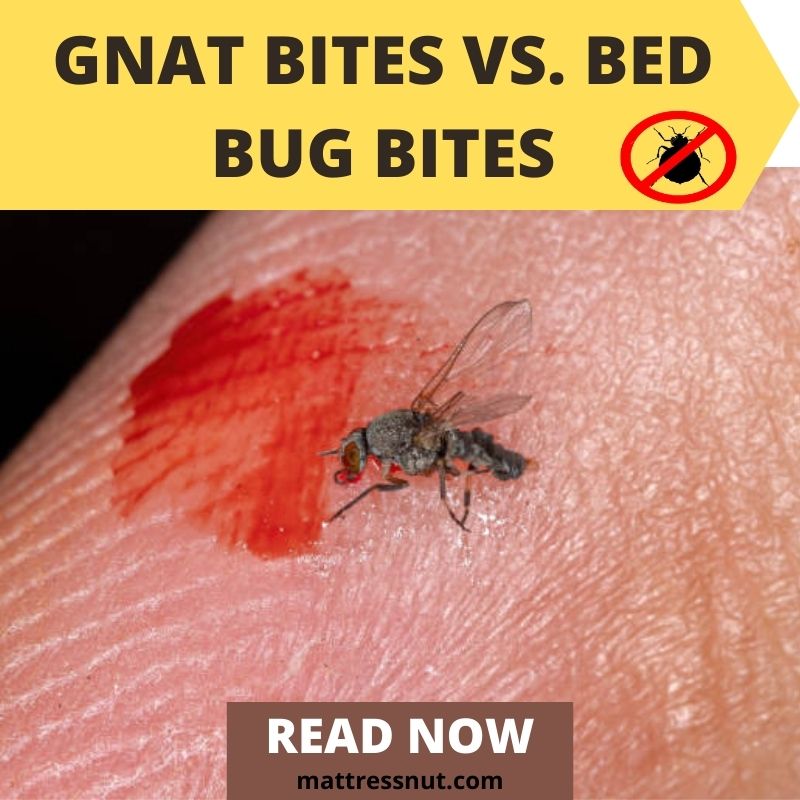
 by
by Gnat bites are small, scattered red bumps that appear on exposed skin immediately after outdoor exposure, with itching that starts within minutes. Bed bug bites are larger welts that appear in a line or cluster on skin exposed during sleep, with itching that often delays 1 to 3 days. The pattern, timing, and location of bites are the three fastest clues for telling them apart.
Itchy red bumps are frustrating enough without having to guess what caused them. Gnat bites and bed bug bites look similar enough to cause confusion, but they come from entirely different circumstances, follow different patterns, and require different responses. Getting the identification right matters because the fix for a gnat problem (repellent, protective clothing, avoiding dusk outdoors) is nothing like the fix for a bed bug problem (professional pest control, mattress inspection, targeted treatment).
Gnat bites vs. bed bug bites: at a glance
| Feature | Gnat Bites | Bed Bug Bites |
|---|---|---|
| Bite size | Small, 1–3 mm pinpoint | Larger welts, 5–20 mm |
| Pattern | Random, scattered | Linear clusters of 3–5 (“breakfast, lunch, dinner”) |
| Location | Exposed skin outdoors: arms, legs, neck, face | Skin exposed during sleep: arms, shoulders, neck, torso |
| Itching onset | Immediate, within minutes | Delayed, hours to 1–3 days after the bite |
| Duration | 3–5 days | 1–2 weeks |
| Central mark | Tiny red puncture dot | Small hemorrhagic spot or dark center |
| Timing | After outdoor exposure, especially at dawn and dusk | Nightly, indoors, while sleeping |
| Swelling | Mild, localized | More pronounced, pale border around red center |
Gnat bites: what they look like and how they feel
Gnats are a broad category that includes black flies, fungus gnats, and biting midges (also called sandflies or no-see-ums). Not all gnats bite, but the ones that do inject saliva that triggers a local inflammatory response, and they are drawn to sweat and carbon dioxide, which is why they find you during outdoor exercise or any warm, humid activity.
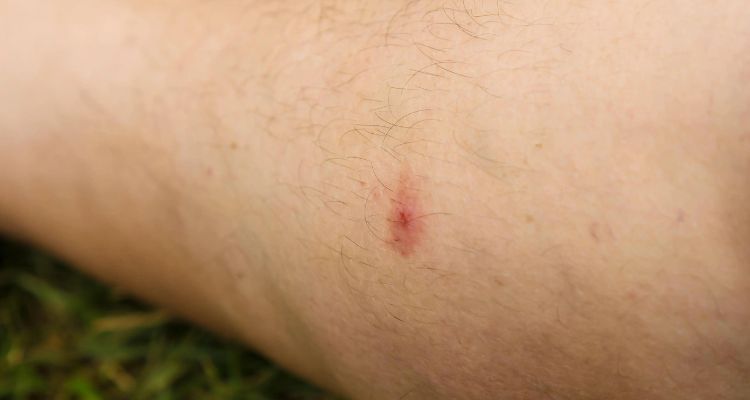
Appearance: Gnat bites show up as small, red, raised bumps, typically 1 to 3 mm. They cluster on exposed skin, most often the arms, legs, neck, and face. Unlike mosquito bites, which tend to appear one at a time, gnat bites often appear in groups because gnats feed in swarms.
Sensation: The itch starts almost immediately, within minutes of the bite, and can be intense enough to make you aware of it before you even see the mark. Scratching makes it worse and can break the skin, creating a secondary infection risk.
Timeline: Symptoms peak in the first few hours and typically fade within three to five days. People with more sensitive immune responses may experience more prolonged redness or mild swelling, but severe systemic reactions are uncommon.
Bed bug bites: what they look like and how they feel
Bed bugs are nocturnal insects that hide in mattress seams, box spring edges, headboard cracks, and nearby furniture during the day. They come out at night to feed on exposed skin, injecting a mild anesthetic so you rarely feel the bite while it happens.
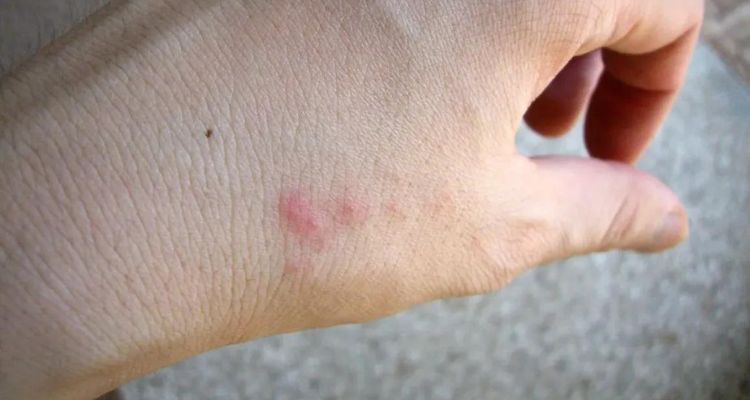
Appearance: Bed bug bites are larger than gnat bites, typically 5 to 20 mm, with a reddish center and a pale, swollen border. The hallmark pattern is a line or tight cluster of three to five bites from a single feeding event, sometimes called the “breakfast, lunch, dinner” pattern. They appear on skin that stays exposed while you sleep: arms, shoulders, the side of the neck, and sometimes the torso or face.
Sensation: Bed bug bites have a delayed itch. Many people notice nothing for hours, and for some individuals, symptoms do not appear until one to three days after the bite. This delay makes it harder to connect the marks to the source, which is part of why infestations go undetected.
Timeline: Individual bites can persist for one to two weeks. Repeated nightly bites extend the discomfort continuously if the infestation is not addressed.
The three fastest clues for telling them apart
1. Where were you when it happened?
If you noticed itching after spending time outdoors, near water, in a wooded area, or in a garden at dawn or dusk, gnats are the much more likely cause. If you wake up with new bites that were not there when you went to bed, and you had not been outdoors, bed bugs move to the top of the list.
2. What is the pattern?
Gnat bites are scattered randomly across exposed skin with no particular arrangement. Bed bug bites appear in a line or tight cluster. A row of three bites along the forearm is a strong indicator of bed bugs, not gnats.
3. When did the itching start?
Gnat bite itch is immediate. If you felt it within minutes of being outside, gnats are almost certainly responsible. A delayed itch that develops hours after waking, on skin that was covered by sheets, points toward bed bugs.
Treatment for each type
Treating gnat bites
Gnat bites are self-limiting and respond well to straightforward care. Wash the area with soap and water as soon as possible. Apply a 1% hydrocortisone cream to reduce itching and inflammation. An oral antihistamine (loratadine or cetirizine) helps if the itch is intense. A cold compress for 10 to 15 minutes at a time reduces swelling. Avoid scratching. Most bites clear within three to five days without intervention.
Treating bed bug bites
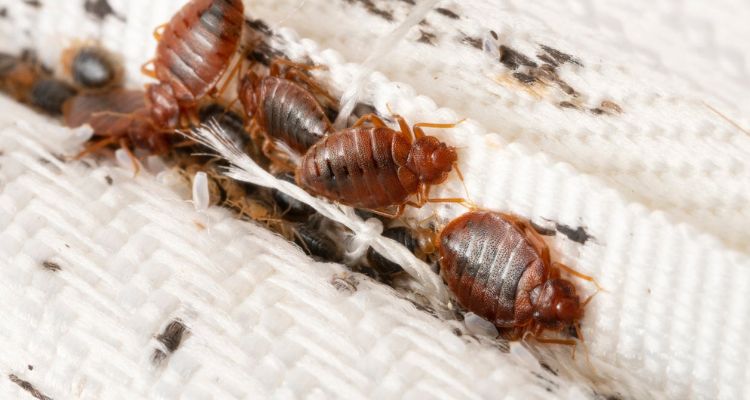
The bites themselves respond to the same topical treatment: hydrocortisone cream and antihistamines for itching, calamine lotion for soothing relief. Oral antihistamines help with more significant reactions. However, treating the bites without addressing the infestation means new bites continue nightly. If you suspect bed bugs, inspect mattress seams, the box spring, and nearby furniture for dark spots, rust-colored staining, or the bugs themselves, which are roughly the size and color of an apple seed. Professional pest control is the most reliable way to eliminate a confirmed infestation.
Prevention strategies
Preventing gnat bites
- Use an insect repellent containing DEET or picaridin on exposed skin before going outdoors.
- Wear long-sleeved clothing and long pants during dawn and dusk, when gnats are most active.
- Avoid areas with still water, overripe vegetation, or dense shade, which attract biting gnats.
- A gentle breeze or fan disrupts gnat swarms and reduces contact.
Preventing bed bug infestations
- Inspect hotel rooms and rental accommodations before unpacking: check the mattress seams, headboard, and nightstand.
- Keep luggage off the floor and away from the bed when traveling.
- Vacuum mattresses and upholstered furniture regularly.
- Use a mattress encasement to limit hiding spots and make early detection easier.
- Act immediately if you spot signs: early intervention is far less costly than a full infestation.
When to seek medical help

Most gnat and bed bug bites resolve without medical care. See a doctor if you experience any of the following:
- Signs of an allergic reaction: hives spreading beyond the bite site, difficulty breathing, or facial swelling.
- Signs of infection: increasing redness, warmth, pus, or fever at or around the bite area.
- Bites that do not improve after two weeks despite consistent treatment.
- Suspected bed bug exposure in someone with a history of severe insect allergies.
For confirmed or suspected bed bug infestations, contact a licensed pest control professional. Early treatment limits spread. See also our guide on bed bug bites vs. shingles and how to sleep when you have bed bugs.
Frequently asked questions
Can gnat bites and bed bug bites look identical?
In the first 24 hours they can be hard to distinguish by appearance alone. The strongest differentiators are context (outdoor exposure vs. waking with new bites), pattern (scattered vs. linear clusters), and timing of the itch (immediate vs. delayed). If you are uncertain after a day or two, the pattern becomes clearer as more bites appear.
Do bed bugs only bite at night?
Bed bugs are primarily nocturnal, but they will feed in the daytime if they are hungry and a host is available. Their behavior is driven by access to a warm body, not strictly by darkness. Keeping lights on does not deter feeding.
Can gnat bites cause an infection?
Gnat bites themselves do not introduce infection, but scratching breaks the skin barrier, which creates an entry point for bacteria. Keeping the area clean and resisting the urge to scratch dramatically reduces infection risk.
How quickly does a bed bug infestation spread?
A single female bed bug can lay one to five eggs per day. Under favorable conditions, a small infestation can grow substantially within two to three months. They spread through infested furniture, luggage, and second-hand items rather than person-to-person contact.
Is there a way to confirm bed bugs without seeing them?
The most reliable confirmation is physical evidence: dark fecal spots on mattress seams, blood smears on sheets, shed exoskeletons, or the bugs themselves. A licensed pest inspector can also conduct a formal assessment, including trained canine detection, for a conclusive result.