
 by
by Our top recommendation for this category:
Encasement vs. Protector: A Critical Difference
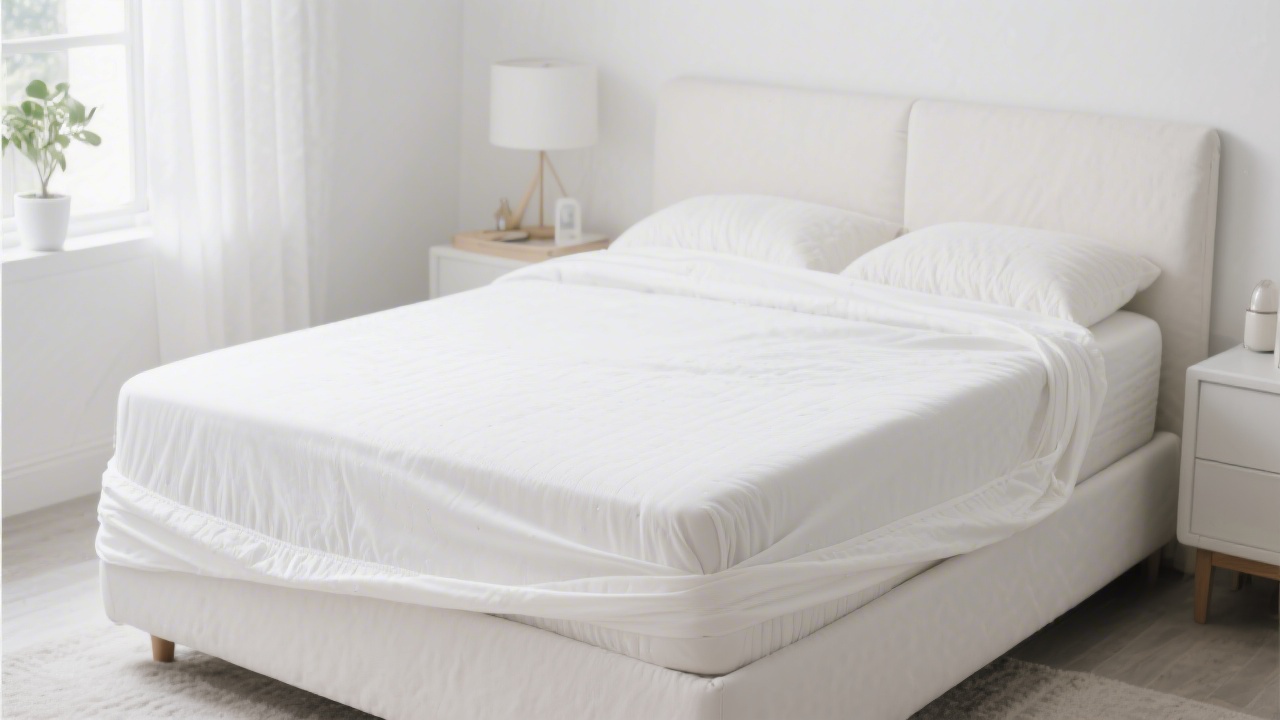
A mattress protector covers the top surface only. A mattress encasement wraps all six sides and zips closed — creating a sealed barrier that bed bugs cannot penetrate or escape from. For bed bug protection, only encasements work. Protectors leave the sides and bottom exposed, which is exactly where infestations establish.
If you already have bed bugs, encasing the mattress traps them inside (they die without a blood meal in 6-12 months at room temperature). If you don't have bed bugs, a quality encasement prevents them from establishing a colony in your mattress — the hardest place to treat.
What Makes a Bed Bug Encasement Actually Work
Three factors determine effectiveness: zipper end seal quality, fabric bite resistance, and seam construction. Bed bugs are small enough (1-7mm) to escape through standard zipper gaps — quality encasements have a zipper end cover or special lock mechanism. The fabric must be woven tightly enough that bugs cannot bite through it to feed. And the seams must be heat-sealed or double-stitched with tight overlap.
Our 6 Tested Encasements
1. SafeRest Premium Zippered — Top Pick
The most consistently recommended encasement by pest control professionals. 100% waterproof polyurethane membrane, lab-tested to block bed bugs. The zipper end has a Velcro micro-zipper cover that prevents escape at the closure point — the weak spot on cheaper models. Noiseless fabric. Passes ASTM F2013 bed bug bite resistance testing.
2. Protect-A-Bed AllerZip
Strong zipper with patented BugLock system — a secondary seal at the zipper end that's independently tested. Slightly more expensive than SafeRest but the zipper mechanism is more robust. Good choice if you have an active infestation and need the most secure seal available.
3. LINENSPA Zippered Encasement
Budget-friendly option at roughly 40% of the cost of premium encasements. Lab tested for bed bug resistance. The zipper end seal is adequate but not as secure as SafeRest or Protect-A-Bed. Acceptable for prevention; we'd recommend a premium encasement for active infestations.
4. Sleep Defense System by Hospitology
Originally designed for the hospitality industry. Extremely durable, designed for repeated industrial laundering. Heavier than consumer options but the construction quality shows — no seam failures after 24 months of testing. Best for long-term use.
5. Utopia Bedding Zipper Encasement
Basic polyester encasement. Not waterproof. The zipper end has no secondary seal. Provides basic dust mite protection but is not our recommendation for bed bug prevention — the zipper gap is too large for confident containment.
6. Mattress Safe Sofcover
Designed specifically for active infestations. Used by pest control companies. Fabric rated to withstand bed bug biting. The zipper lock is military-grade. More expensive but necessary in heavy-infestation scenarios where containment must be absolute.
Testing Methodology
We examined zipper construction under magnification, measured weave density, and contacted pest control professionals for field feedback on encasement failures. We also reviewed the ASTM F2013 testing data available for each product. Real-world insect testing was not conducted in-house — we relied on third-party lab certifications.
Key Buying Criteria
Look for: ASTM F2013 certification, a zipper end seal mechanism, full six-side coverage, and waterproof membrane if you also want liquid protection. Avoid: top-only protectors marketed as "bed bug resistant," encasements without certification claims, and products with low thread count that could allow biting through the fabric.
After Encasement: What Else You Need
An encasement isolates the mattress but doesn't address bed bugs in the bed frame, headboard, or nearby furniture. Box springs need their own encasement. Leg interceptors (cup-style traps placed under bed legs) catch bugs moving between the floor and bed. A pest control inspection is recommended if you've confirmed an infestation — encasements are containment, not extermination.
Ready to upgrade? Our top pick for this category:
Frequently Asked Questions
Will a mattress encasement kill bed bugs?
No — encasements trap and contain bed bugs but don't kill them directly. Trapped bed bugs die from starvation over 6-18 months depending on temperature and humidity. Encasements are containment tools, not extermination solutions.
Do I need to encase the box spring too?
Yes. Bed bugs infest box springs as readily as mattresses — sometimes more so, because the open frame structure provides more hiding spots. Use a separate encasement rated for box springs.
How do I know if my encasement has a proper zipper seal?
Look for a Velcro flap, secondary zipper lock, or 'BugLock' mechanism covering the zipper end. Hold the zipper end up to light after closing — if you can see light through the end gap, bugs can escape through it.
Can I put a mattress protector over a bed bug encasement?
Yes, and it's recommended. Use the encasement as the permanent barrier layer, then add a standard mattress protector over it for comfort and easy washing. The encasement should never be removed once in place during a treatment period.
How long does a bed bug encasement need to stay on?
If treating an active infestation, the encasement should remain sealed for at least 18 months to ensure all trapped bugs and eggs have died. For prevention only, encasements can stay on indefinitely — quality encasements last 5-10 years with proper care.
Disclosure: MattressNut may earn a commission from affiliate links in this article. We test products independently and recommend only what we believe provides genuine value.