 by
by 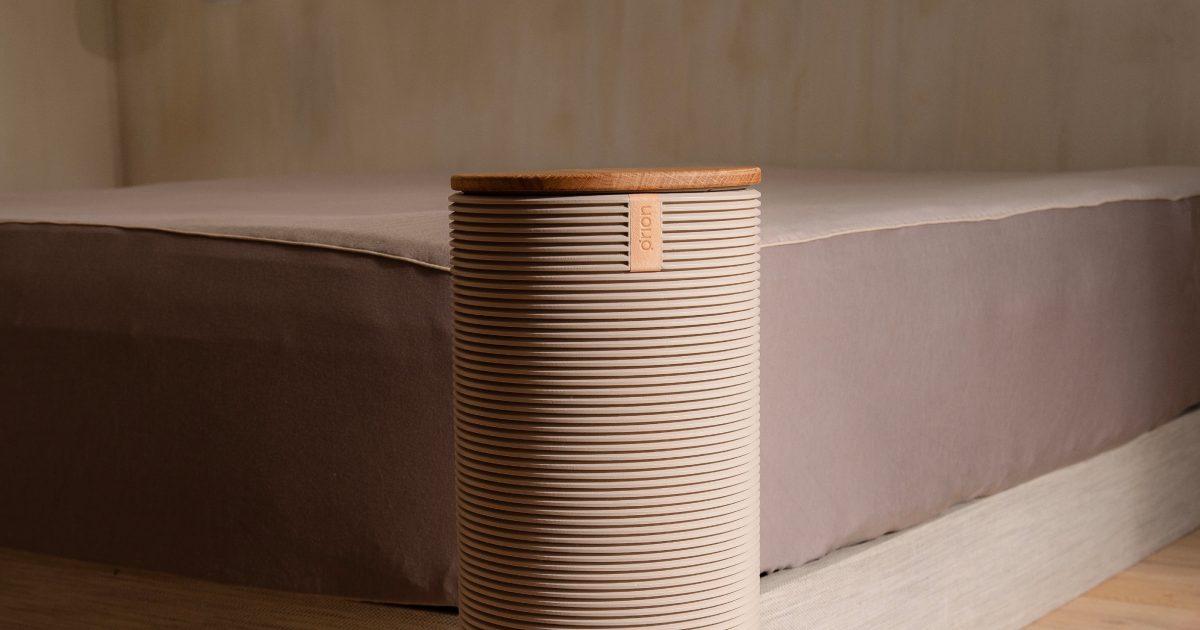
My verdict: BedJet 3 makes the most sense for sleepers who want active warmth or a drier, breezier bed without changing the feel of their mattress. Its air-based approach is fundamentally different from a cooling pad because the unit sits beside or below the bed and directs conditioned air into the sleep space. I’d skip it if you expect it to chill a very hot bedroom like an air conditioner, or if you want your mattress itself to feel cold to the touch.
The important distinction is construction. BedJet 3 uses a powered air unit, a hose, and a nozzle rather than water tubes or a foam layer. According to BedJet’s product information, that means there is no pad between you and the mattress. For me, that is its clearest advantage: you keep the pressure relief, bounce, and edge support of the bed you already own.
This is a commercial product, so I’d judge it on the practical question: does the system’s design match the reason you sleep hot or cold? If trapped heat, damp bedding, cold feet, or thermostat disagreements are the issue, the BedJet 3 design has a logical case. If your mattress is sagging, too firm, or simply uncomfortable, climate control is not the fix.
BedJet 3 at a glance
- Best for: sleepers who want adjustable airflow and warmth without placing a pad on top of the mattress.
- Construction: a bedside air unit delivers airflow through a hose and nozzle, according to BedJet.
- Feel impact: it is designed to leave the mattress surface unchanged because the core hardware does not sit under your body.
- Control: BedJet lists a handheld remote and app-based control options for the system.
- Couples: the brand offers configurations intended to manage separate sides of the bed, but the setup needs to match the bed and bedding arrangement.
- My caution: airflow is not the same thing as refrigerated cooling, and bedding choice still matters.
How the BedJet 3 works
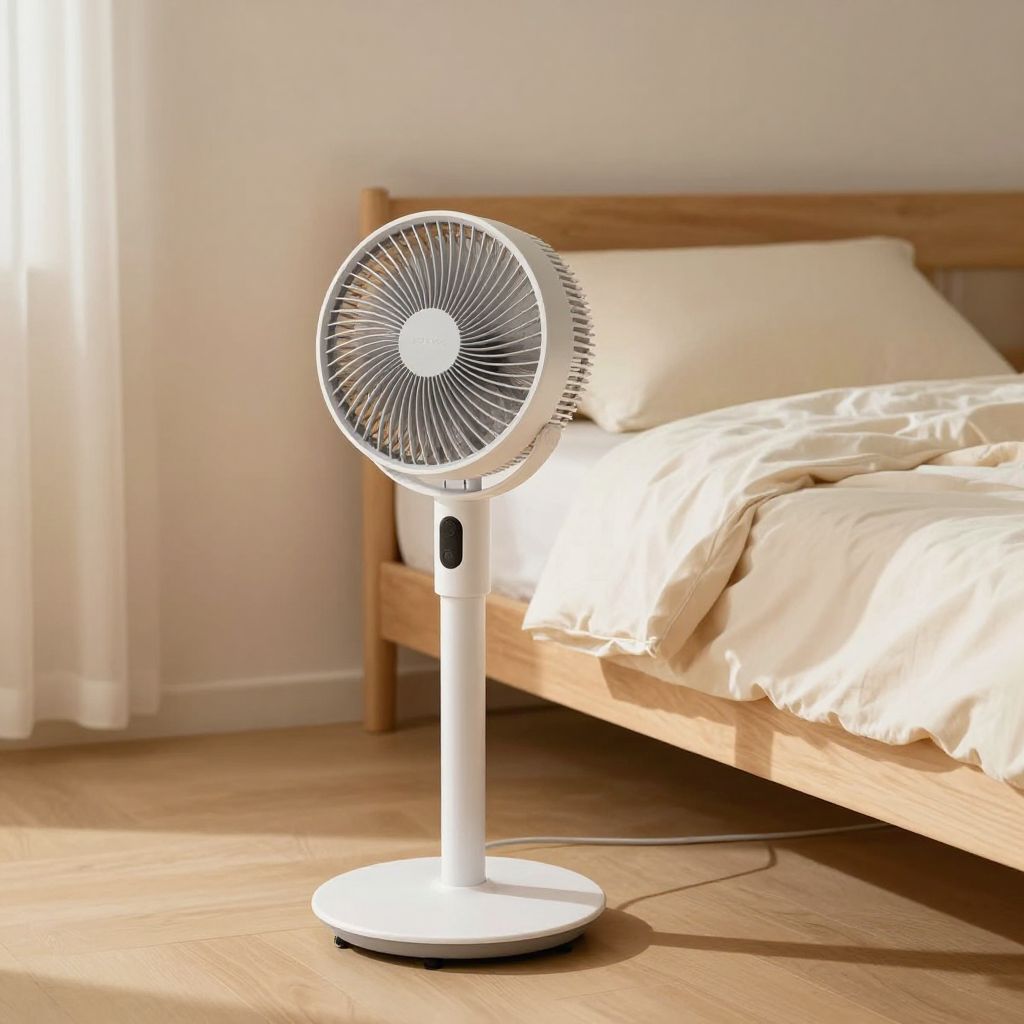
BedJet 3 is an air-delivery system. The base unit pulls in room air, adjusts the airflow for its cooling or heating modes, and sends that air through a hose toward the bed. Per the manufacturer, the nozzle can be used with ordinary bedding, while the optional Cloud Sheet is designed to spread airflow more evenly through the bed.
That construction matters more than feature-list language. A water-based system puts fluid-filled tubing close to the body, usually inside a thin pad. A fan-based mattress accessory can change the surface feel or create a raised layer. BedJet’s core hardware avoids both approaches. The tradeoff is that it works with the air inside your bedding, so the room temperature, sheet fit, blanket weight, and how much space the bedding leaves for airflow can affect the result.
I like that the system does not ask a mattress to become something it is not. A memory foam mattress may still cradle deeply. A spring mattress may still feel buoyant. A firm mattress stays firm. BedJet 3 is designed to change the microclimate around the sleeper, not to rebuild the comfort layers underneath them.
The air path is the whole story
With an active air system, the useful question is not simply “does it cool?” It is “where does the air go after it leaves the machine?” Air that moves through the bedding can make a muggy sleep surface feel less stagnant, especially for a sleeper who wakes up warm but does not necessarily need an icy mattress. According to BedJet, its system is intended to move heat and moisture away from the bed through airflow.
That is also why bedding deserves attention. Thick, tightly packed layers can restrict how freely air circulates around the body. Loose bedding can let air escape before it reaches the areas where you want it. A purpose-built sheet can help make airflow more consistent, but it also adds another component to evaluate rather than assuming the base unit alone answers every setup.
Heating is a meaningful part of the design
Cooling gets most of the attention in this category, but BedJet 3 is also built to warm the bed with moving air. According to the manufacturer, the heating mode is meant to provide warm bedding without wires or water tubes in the mattress. That construction can appeal to sleepers whose feet are cold at bedtime but who do not want to keep the whole bedroom warmer all night.
The usefulness is in the adjustment. A person who starts cold and later sleeps warm has a different problem from someone who needs steady heat from bedtime to morning. BedJet describes programmable temperature scheduling through its Biorhythm feature. I’d view that as a convenience feature, not a promise of better sleep. It gives the system a way to follow a changing preference without requiring a manual adjustment every time you wake up uncomfortable.
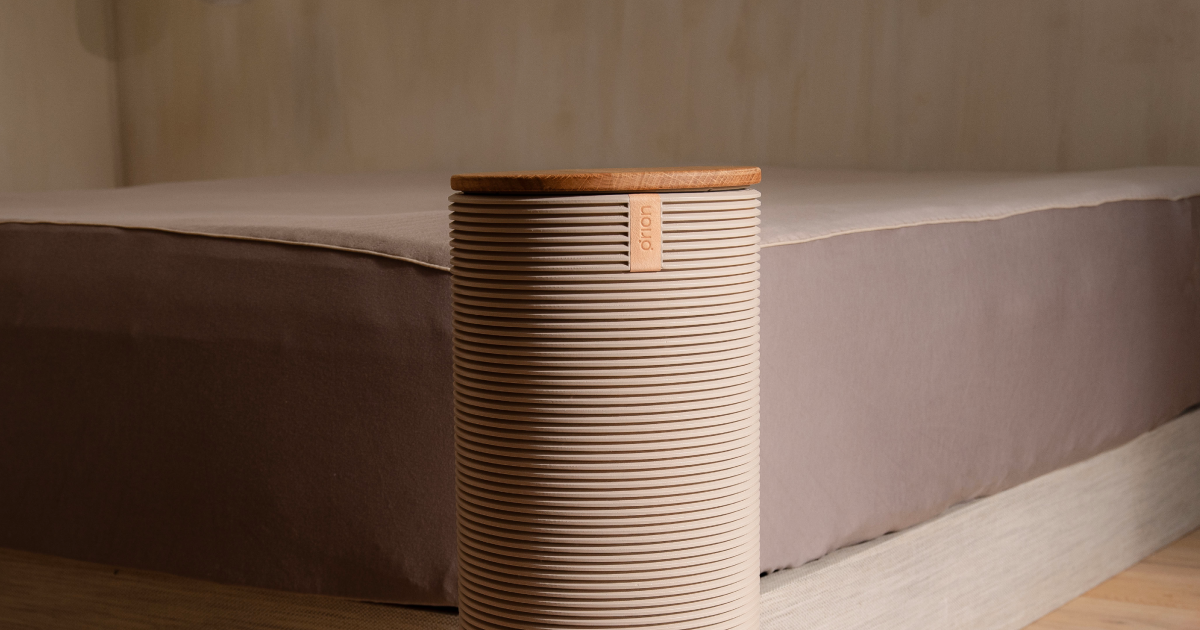
Comparing options? The Orion Sleep System delivers water-based dual-zone cooling — the technology airflow can’t match. See the comparison ↓
Comfort, cooling, and noise considerations
BedJet 3 does not create a new mattress feel, and that is a real selling point for the right buyer. Many cooling accessories solve temperature concerns by adding a pad, cover, or topper. Those layers can alter contouring, make a responsive mattress feel less responsive, or affect how easily you move. With BedJet, the physical change is mainly in the airflow around your body rather than in the support system below it.
That said, no airflow system can ignore physics. BedJet itself notes that its cooling approach depends on the surrounding room environment. If the bedroom is extremely hot, air moving through the bed may feel less dramatic than it would in a reasonably cooled room. It can improve ventilation at the bed, but it is not a substitute for managing the room itself.
For hot sleepers, the comfort benefit is likely to be most compelling if the problem is heat buildup under blankets, humidity near the skin, or a mattress that feels stuffy after you settle in. The system’s air-first construction is aimed at those issues. A sleeper who dislikes any sensation of moving air, however, may find that the very feature others value is not to their taste.
Noise deserves an honest look too. A powered fan has a sound profile. BedJet describes its motor and fan as quiet, but quiet is subjective, and sensitivity to fan noise varies widely. I would not buy any active climate device assuming silence. Consider whether a steady background sound is acceptable in your bedroom and where the base unit will sit relative to your head.
What it can and cannot do for a hot sleeper
BedJet 3 is designed to circulate air and provide a cooling sensation at the bed. That can be a smart route for someone who feels overheated under covers but still likes the comfort of their current mattress. It is less suited to a buyer who expects the entire mattress core to become cold or wants a solution that performs independently of bedroom conditions.
Before buying an active system, I’d also look at the bed itself. Dense foam can retain heat. A waterproof protector can reduce breathability. Heavy comforters can trap warmth. Those factors do not make BedJet irrelevant, but they shape how much work the unit must do. For a broader look at alternatives, see our guide to cooling mattress pads and how they differ from airflow systems.
BedJet 3 for couples and different sleep preferences
Couples are where this category becomes more complicated. Sharing a mattress means sharing layers, covers, and often a thermostat setting. BedJet’s Dual Zone setup is intended to give each side separate climate control, according to the manufacturer. That can be useful when partners have genuinely different preferences, but it is not a one-size-fits-all purchase.
The construction must match the goal. A single air unit is best understood as one airflow source. A split setup requires the right arrangement of units and bedding so that each person gets the intended air path. BedJet’s product pages describe a Dual Zone Cloud Sheet as part of the separate-side approach. Read the configuration details closely before ordering, especially if you use an adjustable base, a split mattress, or unusually deep bedding.
I would not frame a climate system as a relationship cure. But from a construction standpoint, separate airflow is more direct than trying to find one mattress surface temperature that suits two people with opposite preferences. The right setup can allow one sleeper to use warmth while the other uses cooler airflow, without putting a different comfort layer under each person.
For shoppers comparing categories rather than just brands, our overview of climate-control mattress toppers explains the tradeoff between systems that alter the surface under you and systems that manage the air above it.
Who should buy the BedJet 3?
I’d put BedJet 3 on the shortlist for sleepers who already like their mattress and want temperature help without a topper. Its design is especially sensible for someone who dislikes the idea of water tubing in bed, does not want a pad to change pressure relief, or wants a warm-bed option alongside airflow.
- Buy it if you want active airflow while preserving the feel of your existing mattress.
- Buy it if humidity and trapped warmth under blankets are as bothersome as room temperature.
- Buy it if warming your bedding is part of your comfort routine.
- Consider a split configuration if separate sleeping preferences are the main reason you are shopping.
- Skip it if you need to fix mattress sagging, firmness, or poor pressure relief.
- Skip it if you need a device that functions like a room air conditioner in an already overheated bedroom.
- Skip it if fan noise or a hose-and-nozzle setup would bother you more than a thin pad would.
Value and long-term ownership
Long-term value here is less about foam density or coil gauge and more about whether the system solves a recurring comfort problem without forcing you to replace a mattress you otherwise enjoy. BedJet 3 has mechanical and electronic components, so it is not as simple as buying a passive breathable sheet. It needs placement, power, occasional cleaning attention, and realistic expectations about how airflow behaves under your chosen bedding.
BedJet states that the unit uses a filter and offers replacement filters. That is worth noting because airflow products depend on keeping the intake path clear. I’d treat maintenance as part of ownership, not an optional extra. A climate system that cannot move air freely cannot deliver its intended experience.
Price and promotions change, so I would verify the current listing, included accessories, return terms, and warranty directly with BedJet before making a purchase. The value equation also changes if you need a specialized sheet or a separate-side arrangement. Compare the full setup you need, not just the headline price of a base unit.
If bedroom heat is the larger issue, it is also worth checking the rest of the sleep setup. Our guide to the best mattress options for a hot climate can help separate a mattress ventilation problem from a bedding and airflow problem.
BedJet 3 review: my final take
BedJet 3 is a focused climate-control product with a construction advantage: it aims to manage the air in your bed without adding a layer between you and the mattress. That makes it more appealing than a pad for sleepers who are happy with their bed’s support and pressure relief but unhappy with its sleep climate.
I would buy it for the air-based design, the ability to add warmth, and the option to tailor airflow around real bedding. I would not buy it expecting a frozen sleep surface or a cure for every overheating problem. Check the configuration carefully, keep expectations grounded in your bedroom conditions, and judge it as a climate accessory rather than a replacement for a well-built mattress.
BedJet 3 vs Orion Sleep System at a glance
| BedJet 3 | Orion Sleep System | |
|---|---|---|
| Technology | Forced airflow under the covers | Water-based cooling & heating pad |
| Zones | One per unit (two units for couples) | Dual-zone in one system |
| Subscription | None | None |
| Noise | Fan noise reported by owners | Near-silent water circulation, per the manufacturer |
| Our pick | Budget airflow relief | Best overall climate control — check price → |
Frequently asked questions
Does BedJet 3 change the feel of a mattress?
According to BedJet, the system’s main unit, hose, and nozzle work outside the mattress surface rather than adding a pad under the sleeper. That means it is designed to preserve the feel of the mattress, although your bedding can still feel different once airflow is moving through it.
Is BedJet 3 the same as a cooling mattress pad?
No. A cooling pad usually sits on the mattress and can change the sleep surface. BedJet 3 uses directed air through the bedding, according to the manufacturer. The better option depends on whether you want to modify the surface under you or the air around you.
Can couples use BedJet 3 with different temperature preferences?
BedJet offers a Dual Zone arrangement intended for separate control on each side of the bed. The manufacturer’s configuration guidance should be checked closely because the right setup depends on the mattress, bed size, and bedding arrangement.
Does BedJet 3 cool a hot bedroom?
BedJet 3 is designed to improve the airflow and climate inside the bed, not to replace room cooling. BedJet notes that very hot bedroom conditions can limit the cooling effect of an air-based system.
Is BedJet 3 a good choice for a mattress that sleeps hot?
It can be a practical add-on if you like the mattress’s support but dislike trapped warmth or humidity under the covers. If the mattress is uncomfortable because of sagging, poor pressure relief, or the wrong firmness, BedJet 3 does not address those construction issues.
FINAL VERDICT
Before you settle on the BedJet 3: the Orion Sleep System is true dual-zone temperature control without a monthly bill — the kind of guarantee the options reviewed here don’t match.
THE ONE WE’D BUY INSTEAD · UP TO $200 OFF
Orion Sleep System
- Dual-zone water cooling and heating, per the manufacturer
- Sold outright, no app subscription
- HSA/FSA cards accepted