
 by
by Our Pick
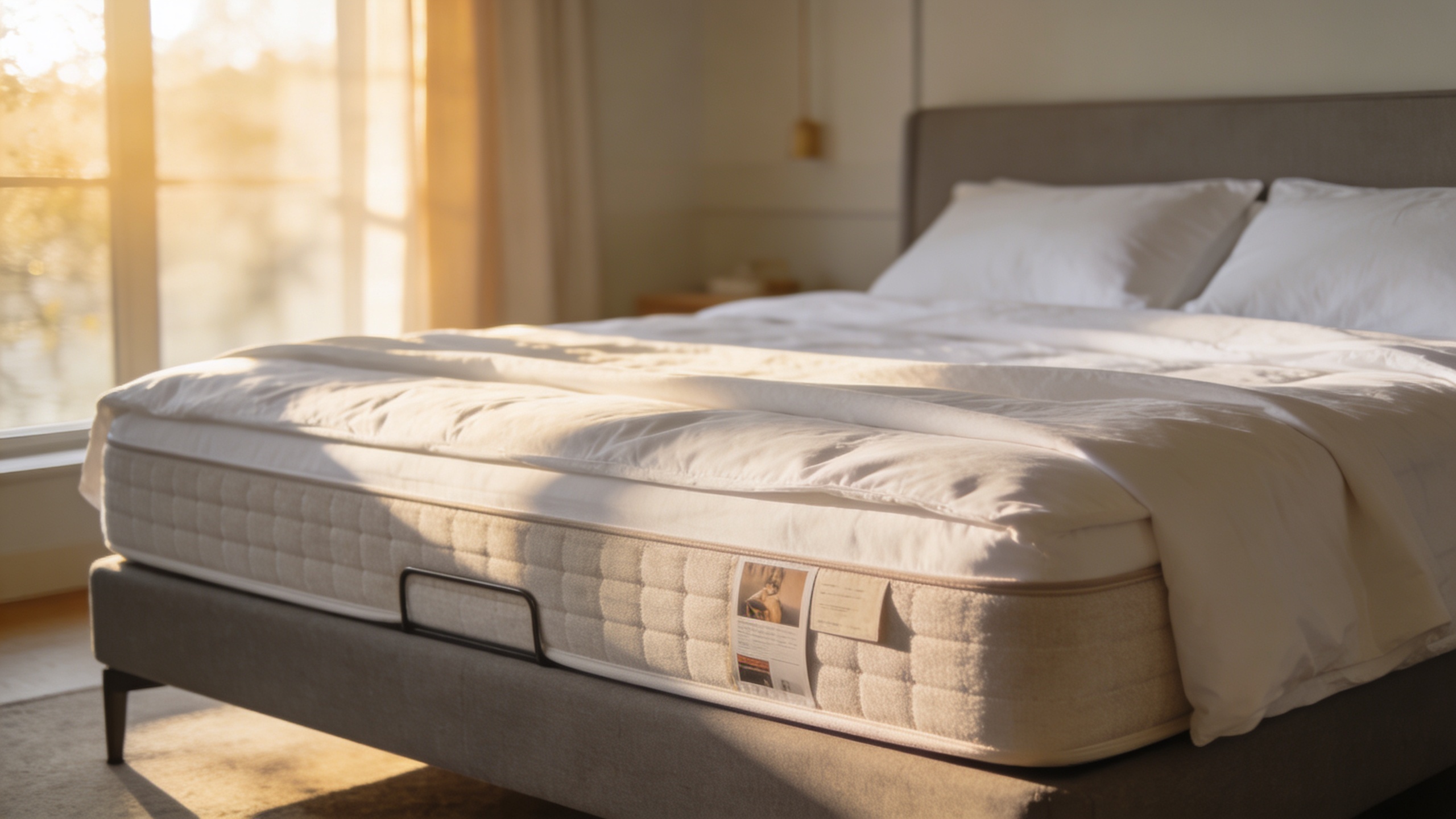
Saatva Adjustable Base Plus. From $1,395
365-night trial · Lifetime warranty
CPAP machines dramatically transform lives for apnea sufferers. Most users report better sleep within the first 1-2 weeks, noticeable energy improvements by week 4, and major quality-of-life changes by month 3-6. Research documents reduced cardiovascular risk, lower blood pressure, improved cognitive performance, better mood, and even changes in facial appearance. Here is a realistic timeline of what to expect.
Before CPAP: Typical Symptoms
- Loud snoring, witnessed breathing pauses
- Chronic fatigue despite 7+ hours in bed
- Morning headaches
- Difficulty concentrating / "brain fog"
- Irritability, mood swings
- Elevated blood pressure
- Frequent nighttime urination
- Dry mouth on waking
- Facial puffiness (from poor sleep)
The Transformation Timeline
| Timeframe | Typical changes |
|---|---|
| Week 1 | Snoring stops; partner sleeps better; adjustment discomfort for user |
| Week 2-4 | Morning fatigue decreases; headaches reduce; mouth dryness if no humidifier |
| Month 2 | Daytime energy noticeable; blood pressure may normalize; concentration improves |
| Month 3-6 | Major mood/cognitive improvements; weight loss common; sexual function improves; facial puffiness reduces |
| Year 1+ | Cardiovascular risk reduction; reduced stroke/heart attack risk; sustained QOL improvements |
Physical Changes Users Report
- Facial puffiness reduction: Chronic poor sleep causes fluid retention in the face. CPAP users often look noticeably less puffy within 4-6 weeks.
- Eye bag reduction: Same mechanism: fluid and vascular changes.
- Weight loss: Better sleep regulates appetite hormones (leptin, ghrelin). 5-15 lb loss common in first 6 months.
- Blood pressure drop: Untreated apnea elevates BP. Treatment often drops 5-15 mmHg systolic.
- Skin quality improvement: Better oxygenation and recovery time.
Cognitive & Mental Changes
- Clearer thinking within 2-4 weeks
- Improved memory consolidation
- Better mood stability
- Reduced depression symptoms
- Increased libido (testosterone recovery in men)
- Better stress tolerance
Adjustment Challenges (Weeks 1-4)
- Mask discomfort
- Dry mouth (fix: humidifier)
- Claustrophobia (often resolves with consistent use)
- Swallowing air (aerophagia)
- Skin irritation from mask
- Feeling "hooked up"
40% of CPAP users stop within the first year. Most who persist 30+ days adjust fully and report the benefits overwhelm the discomfort.
The Head Elevation Accelerant
Adding 7-15 degree head elevation via adjustable bed accelerates CPAP adjustment by reducing needed pressure. Lower pressure = less dryness, less air leakage, better mask fit.
Our Pick
Saatva Adjustable Base Plus. From $1,395
365-night trial · Lifetime warranty
FAQ
How long does it take to feel better with CPAP?
Most users feel better within 2-4 weeks. Full benefits at 3-6 months.
Can CPAP change your face?
Yes. Reduced facial puffiness and eye bags commonly reported within 4-8 weeks.
Does CPAP help you lose weight?
Often. Better sleep regulates appetite hormones. 5-15 lb loss common in first 6 months.
Related reading: Best CPAP Machine | CPAP Titration | Quietest CPAP | Does CPAP Stop Snoring?
CPAP sleeping essentials
- Mask fit first. 70% of CPAP abandonment in year one is due to mask discomfort. Re-fit every 6 months as facial tissue changes.
- Hose management — use a hose lift or hanger to keep tubing above the mattress. Prevents tangling and reduces pull on the mask.
- Mattress choice matters. Side sleepers with CPAP benefit from a medium-firm hybrid that keeps the airway aligned. Adjustable beds (head elevation 10-15 degrees) improve CPAP efficacy.
- Humidifier — use heated humidification year-round. Dry air worsens nasal symptoms and reduces compliance.
- Filter replacement — change every 1-3 months; monthly in pet or dusty households.
CPAP + mattress interaction
Side sleepers using CPAP should avoid very soft mattresses that let the shoulder sink too deep, which rotates the jaw and breaks the mask seal. A medium-firm hybrid with targeted shoulder-zone contour (like the Amerisleep AS3 Hybrid) keeps the airway aligned.