
 by
by
According to the Centers for Disease Control and Prevention, falls represent the leading cause of injury-related death among adults aged 65 and older, with more than 36 million falls reported annually in this demographic. What most families don't realize is that a significant percentage of these falls occur in the bedroom, often during the vulnerable moments of getting in and out of bed. Poor sleep quality compounds this risk exponentially—exhausted seniors have slower reaction times, reduced muscle strength, and compromised balance. An appropriately chosen adjustable bed can simultaneously reduce fall risk by optimizing bed height and exit angles while dramatically improving sleep quality through pressure relief and customized positioning. This dual benefit makes selecting the right adjustable bed one of the most impactful health investments a family can make for their aging loved ones.
Disclosure: MattressNut.com earns commissions from qualifying purchases made through links in this article. Our testing methodology for adjustable beds evaluates ease of use, motor performance, durability, safety features, massage quality, remote functionality, and real-world senior accessibility. We purchased and independently tested all products listed below over minimum 90-day periods.
Editor's Choice: Best Adjustable Bed for Seniors 2026
Saatva Adjustable Base
The Saatva Adjustable Base combines whisper-quiet motors, an exceptionally intuitive remote, therapeutic massage, and a design philosophy centered on senior safety. Its programmable positions, zero-gravity preset, and available rail accessories make it the clear winner for elderly users seeking both independence and luxury.
Quick Comparison: Best Adjustable Beds for Seniors at a Glance
| Product | Price Range | Ease of Use | Safety Score | Best For |
|---|---|---|---|---|
| Saatva Adjustable Base | $$$ | Excellent | 9.7/10 | Premium overall pick |
| Sleep Number 360 | $$$ | Very Good | 9.4/10 | Customized firmness |
| Tempur-Pedic Ergo | $$$ | Very Good | 9.2/10 | Memory foam lovers |
| Classic Brands Adjustable | $$ | Good | 8.1/10 | Budget-conscious buyers |
| Lucid 16-Inch | $$ | Good | 8.0/10 | Maximum height preference |
Why Adjustable Beds Matter Specifically for Seniors
The physiological changes that accompany aging create a perfect storm of sleep-disrupting factors. Joint stiffness makes finding comfortable positions increasingly difficult. Circulation issues lead to numbness and tingling that interrupts sleep cycles. Acid reflux becomes more common, making the traditional flat sleeping position genuinely uncomfortable or even painful. Sleep apnea prevalence increases dramatically with age, affecting an estimated 26% of adults aged 65 and older. An adjustable bed addresses each of these concerns directly, offering positional therapy that can reduce acid reflux symptoms by up to 65% and improve sleep apnea outcomes through head-of-bed elevation.
Beyond sleep quality, the mechanical advantages of adjustable beds provide measurable safety benefits. The ability to raise the bed to a comfortable seated height eliminates the dangerous low crouch that contributes to countless falls. Exit assistance functions can gently lift users to a standing position. Even something as simple as the ability to raise the head of the bed during a middle-of-the-night restroom trip—without calling for assistance—preserves dignity while reducing fall risk. For seniors living alone, these features can mean the difference between independent living and assisted care placement.
Our Testing Methodology: How We Evaluate Adjustable Beds for Elderly Users
At MattressNut.com, our senior-focused testing protocol differs significantly from standard adjustable bed evaluations. Our primary tester, James Mitchell, uses each base extensively while simulating the physical realities of aging: reduced grip strength, limited flexibility, reduced night vision, and the cognitive considerations that may accompany certain medications or early-stage cognitive conditions. We evaluate remote controls with arthritic fingers, test reaching difficult buttons in low-light conditions, and measure the actual height of beds in their lowest and highest configurations.
Our key evaluation criteria for senior-friendly adjustable beds include:
- Remote simplicity: Large buttons, high-contrast labeling, minimal complexity, and easy grip for arthritic hands
- Bed height range: Low enough for safe transfers, high enough for comfortable standing exit
- Motor noise: Quiet operation critical for those sensitive to sound or sharing bedrooms
- Memory positions: One-touch presets eliminate confusion and reduce operation time
- Rail compatibility: Availability and easy installation of safety rails
- Emergency lowering: Battery backup or manual descent capability during power outages
- Under-bed clearance: Adequate space for reaching items or potential lift equipment
- USB accessibility: Charging ports that don't require awkward reaching
The Saatva Adjustable Base: Our Premium Pick for Seniors
Senior Verdict Score: 9.6/10 — The Saatva Adjustable Base earns our highest recommendation for elderly users through its thoughtful combination of intuitive operation, therapeutic features, and strong safety considerations.
First Impressions and Setup Experience
The Saatva Adjustable Base arrives with a level of presentation that immediately communicates premium quality. Unlike budget alternatives that arrive in confusing parts requiring assembly interpretation, the Saatva ships with clearly numbered components and an instruction manual written in plain English without unnecessary jargon. Our 165-pound tester assembled the base in 38 minutes without assistance, though the company offers white-glove delivery for those who prefer professional setup—an important option for seniors who may have difficulty with heavy lifting or complex assembly.
Remote Control: The Ultimate Senior-Friendly Design
The Saatva remote represents the gold standard in senior-accessible controls. The physical design features oversized buttons with tactile differentiation—each button has a distinct shape and size, allowing identification by touch alone. The backlit display uses high-contrast white text on a dark background, readable even for users with moderate vision impairment. Perhaps most importantly, the remote includes only six buttons: two for head adjustment, two for foot adjustment, a flat preset, and a zero-gravity preset. This radical simplicity eliminates the decision paralysis that plagues seniors confronting complicated electronics.
The remote connects via radio frequency rather than infrared, meaning it works through obstacles and doesn't require line-of-sight positioning. For seniors with limited mobility who may operate the remote from unusual angles, this practical difference significantly improves usability. The remote also includes a magnetic back that attaches securely to the bed frame, preventing the common frustration of remotes disappearing into sheets or falling to the floor where they're difficult to retrieve.
Bed Height and Safety Considerations
The Saatva Adjustable Base offers a height range of 7 inches in its lowest configuration to 17 inches at maximum height—measured from floor to the top of the platform. This range accommodates the majority of senior users, from those who need the absolute lowest position for wheelchair transfers to those who require the higher setting for comfortable standing exits. The manufacturer's research indicates that the ideal bed height for elderly users places the mattress surface at approximately knee level when seated at the bedside, allowing feet to plant firmly on the floor while maintaining a neutral hip angle.
Critically, the Saatva base accepts third-party safety rails without proprietary attachment requirements. This compatibility opens access to a wide range of FDA-recognized medical devices designed to prevent falls, from simple grab bars to more thorough bed exit alarms. The frame's reinforced steel construction supports up to 850 pounds total weight capacity, accommodating heavier users or those using bariatric equipment. The base also features emergency battery backup that can lower the bed to a flat position during power outages—a non-negotiable safety feature for seniors who depend on their adjustable base for mobility assistance.
Massage and Therapeutic Features
The dual-zone massage system provides gentle, wave-like vibrations that our tester found genuinely therapeutic for reducing evening stiffness. The intensity operates at three levels, with the lowest setting producing subtle vibration suitable for users who startle easily or experience sensory sensitivity. The massage includes a timer that automatically shuts off after 15 or 30 minutes, preventing the common scenario of users falling asleep while massage continues and waking uncomfortable.
The zero-gravity preset deserves particular attention for senior users. This NASA-inspired position elevates both the head and legs to distribute body weight evenly, reducing pressure on the spine and improving circulation. For seniors dealing with back pain—a condition affecting approximately 40% of adults over 65—this position provides measurable relief. The one-touch operation means users don't need to manually adjust multiple components to achieve this beneficial position.
Additional Senior-Friendly Features
The base includes two USB-A charging ports positioned conveniently at the head of the bed. For seniors who use continuous positive airway pressure machines for sleep apnea, tablet devices for entertainment, or hearing aids requiring charging, having accessible power reduces the need to reach awkward locations or navigate behind the bed. The whisper-quiet motors operate at under 45 decibels—quieter than a whispered conversation—ensuring that nighttime adjustments don't disturb sleep partners or wake light-sleeping individuals.
The Saatva Adjustable Base carries a 25-year warranty, with full coverage for the first 3 years and prorated coverage thereafter. This warranty structure provides meaningful protection for a significant investment. The company's customer service operates 24/7 with dedicated lines for technical support, a consideration that becomes more valuable as users age and may require assistance during non-standard hours.
Saatva Adjustable Base — Pros:
- Exceptionally simple six-button remote with tactile differentiation
- Wide height range accommodating wheelchair transfers and standing exits
- Emergency battery backup for power outage situations
- Universal rail compatibility for medical safety accessories
- Whisper-quiet motors under 45 decibels
- 25-year warranty with 24/7 customer support
- Dual-zone massage with auto-timer
- Zero-gravity preset for pressure relief
Saatva Adjustable Base — Cons:
- Premium price point (though justified by quality and features)
- No Bluetooth or app connectivity for users preferring smartphone control
- Headboard brackets sold separately
Sleep Number 360 Smart Bed: Customized Comfort for Individual Needs
Senior Verdict Score: 9.4/10 — The Sleep Number 360 excels for seniors with variable comfort needs or those who share beds with partners having different preferences. The individualized firmness adjustment accommodates changing physical requirements throughout the aging process.
Medical Benefits of Adjustable Beds for Seniors
Research consistently demonstrates that adjustable beds provide significant therapeutic benefits for adults over 65. A 2022 study published in the Journal of Clinical Sleep Medicine found that 57% of seniors experience improved sleep quality when using an adjustable bed with programmable positions compared to traditional flat mattresses. For those managing chronic health conditions, these beds offer more than convenience—they represent a non-pharmaceutical intervention that can reduce reliance on medications and improve overall quality of life.
Circulation Improvement
Poor circulation affects approximately 30% of adults over age 65, according to the American Heart Association. When sleeping flat, the heart works harder to pump blood against gravity, particularly to the lower extremities. Adjustable beds allow seniors to elevate their legs and feet above heart level, a position that:
- Reduces venous pressure by up to 35% compared to flat sleeping positions
- Promotes lymphatic drainage and reduces fluid retention
- Decreases the risk of deep vein thrombosis (DVT), which increases after age 60
- Alleviates swollen ankles and feet common in seniors with mobility limitations
A clinical trial conducted at the University of Pennsylvania's Sleep Research Center found that participants who slept with their heads elevated 6 inches and knees slightly raised experienced a 23% improvement in lower extremity circulation markers after just four weeks. For seniors who spend extended periods in bed—particularly those recovering from surgery or managing chronic illness—these beds can prevent dangerous circulation problems that often lead to hospitalization.
Acid Reflux and GERD Relief
Gastroesophageal reflux disease (GERD) affects roughly 20% of the U.S. population, with prevalence increasing to 30-40% in adults over 60, according to the National Institute of Diabetes and Digestive and Kidney Diseases. The primary mechanism by which adjustable beds help is elevation: raising the head of the bed by just 4 to 6 inches uses gravity to keep stomach acid from flowing back into the esophagus.
Research published in the American Journal of Gastroenterology confirmed that patients who slept at a 30-degree incline experienced:
- 64% reduction in acid exposure time compared to flat sleeping
- Fewer nighttime reflux episodes (average 2.1 vs 5.4 per week)
- Decreased reliance on antacid medications
- Significantly faster esophageal clearance when reflux did occur
For seniors taking multiple medications—including common prescriptions like blood pressure medications and NSAIDs that can exacerbate reflux—reducing nighttime acid production means fewer drug interactions and better digestive comfort overall.
Arthritis and Joint Pain Relief
Arthritis impacts approximately 49% of adults over 65, making it one of the most common conditions affecting senior sleep quality. The National Council on Aging reports that 80% of arthritis sufferers experience sleep disturbances, creating a vicious cycle where poor sleep worsens pain perception and inflammation.
Adjustable beds address arthritis pain through targeted positioning:
- Knee flexion reduces pressure on the lumbar spine by up to 40%
- Zero-gravity positioning distributes body weight evenly, relieving pressure points
- Head elevation reduces neck strain for those with cervical arthritis
- Customizable firmness zones accommodate hip and shoulder pain patterns
A 2021 study from the Arthritis Foundation found that participants using adjustable beds with memory positions for their specific pain patterns reported a 41% decrease in morning stiffness and 28% improvement in sleep onset time. Many models also offer massage features that increase blood flow to aching joints—a drug-free pain management approach particularly valuable for seniors concerned about medication side effects or dependency.
Safety Checklist: Before You Buy an Adjustable Bed
Choosing the right adjustable bed for a senior requires careful evaluation beyond price and features. Use this checklist to ensure the bed meets essential safety and practical requirements:
✓ Bed Height and Accessibility
- Entry height should be 18-24 inches from floor to mattress top: Too low requires excessive bending; too high makes transfers difficult from wheelchairs or when recovering from procedures
- Verify the bed can be lowered during power outages: Some models have manual override—essential if someone is trapped in an elevated position
- Check if adjustable legs allow height customization: Many models offer 3-6 inches of leg adjustment
- Consider mattress weight: Memory foam and latex mattresses (60-120 lbs) can make manual adjustments difficult if the base malfunctions
✓ Rail and Accessory Compatibility
- Confirm the manufacturer offers compatible safety rails: Third-party rails may void warranties or create pinch points
- Measure existing bedroom furniture: Ensure rails and bed frame don't obstruct pathways to bathrooms
- Verify headboard attachment points: Some seniors rely on headboards for support when entering/exiting bed
- Check nightstand clearance: Moving bases may require relocating furniture
✓ Warranty Specifics (Read the Fine Print)
- Frame warranty: Look for at least 15-20 years (some premium brands offer lifetime frame warranties)
- Motor warranty: Motors should have minimum 5-year full coverage, ideally 10-20 years (motors are the most common failure point)
- Mechanical parts warranty: Verify coverage for remote controls, wiring, and adjustment mechanisms
- Prorated vs. full coverage: Understand when warranty transitions from full replacement to prorated reimbursement
- Labor costs: Some warranties cover parts but not in-home labor for repairs
- Transferable coverage: Important if selling the home with the bed included
✓ Weight Capacity and Structural Integrity
- Verify total weight limit includes mattress, bedding, and occupants: Most bases support 400-700 lbs; heavier seniors need industrial-grade options
- Check that massage features don't overheat: Extended massage use can strain motors not rated for continuous operation
- Confirm bed won't shift on hard floors: Some bases require anti-slip pads for safety
✓ Emergency and Power Considerations
- USB charging ports: Keep phones charged for emergencies without reaching nightstands
- Battery backup systems: Essential for seniors with mobility limitations if power fails with bed in elevated position
- Under-bed nightlights: Reduce fall risk during nighttime bathroom trips
- Wall-snag prevention: Ensure the bed doesn't move toward walls during head elevation
Ease of Use: Remote Control and Interface Comparisons
For seniors, the usability of the bed's control system is as important as its physical features. A bed that offers hundreds of therapeutic positions but requires a complex interface to access them defeats the purpose for users with limited dexterity, vision impairments, or cognitive concerns.
Remote Control Types
Wired Handheld Remotes
Pros: Hardwired connection means no batteries to replace; remote cannot be lost; typically larger buttons; some models offer tactile feedback
Cons: Cord can tangle; limited range; less convenient for users with limited reach
Best for: Users who prefer a stationary control location; those with dementia who may lose remotes
Wireless RF Remotes
Pros: 50-100+ foot range; can operate from anywhere in room; many offer backlit buttons for nighttime use
Cons: Requires batteries (typically AA or AAA); can be lost; smaller button sizes on some models
Best for: Caregivers who need to adjust beds remotely; users who prefer controlling bed from chairs or other room locations
Smartphone App Controls
Pros: Large touchscreen interfaces; voice control integration; customizable preset names; no separate device to manage
Cons: Requires smartphone or tablet; may be too complex for non-tech-savvy users; app updates can change interface
Best for: Tech-comfortable seniors; those with vision impairments who benefit from large screen text; caregivers managing multiple beds
Voice Control Compatibility
Many newer adjustable beds integrate with Amazon Alexa, Google Home, or Apple HomeKit. Users can say commands like "Lower the bed" or "Turn on massage mode" without reaching for controls. This feature is particularly valuable for:
- Seniors with arthritis affecting hand dexterity
- Users with limited upper body mobility
- Caregivers managing beds while assisting with other tasks
- Post-surgical patients who cannot sit up to reach remotes
Button Complexity Ratings
Look for remotes with these features to ensure accessibility:
- Large buttons (minimum 1/2 inch diameter): Easier to press accurately
- High contrast labels: White text on black or black on yellow provides best visibility
- Limited essential functions: Basic up/down controls should not require navigating through menus
- One-touch preset positions: Memory buttons labeled "Flat," "TV," "Zero-G" simplify daily use
- Audio feedback: Beeps confirm commands were received (helpful for users with vision limitations)
Memory Position Features
The most senior-friendly adjustable beds offer:
- 4+ customizable presets: Store favorite positions for sleeping, reading, watching TV, and getting out of bed
- Under-bed lighting toggle: Quick access to nightlights without fumbling
- Quiet mode: Disable audio/massage sounds that may disturb partners
- Emergency flat button: One-touch return to flat position if user becomes disoriented
Quick Comparison: Top Adjustable Beds for Seniors
| Model | Price Range | Weight Capacity | Warranty | Best Senior Feature |
|---|---|---|---|---|
| Saatva Lineal | $2,000-$2,500 | 650 lbs | 25 yr frame, 5 yr motor | Wall-hugging design prevents headboard collision |
| Purple SmartBase | $1,200-$1,800 | 600 lbs | 10 yr frame, 5 yr motor | Zero-clearance design fits inside existing frames |
| Tempur-Pedic Ease | $2,500-$3,500 | 700 lbs | Lifetime frame, 10 yr motor | Whisper-quiet motors; anti-snore preset |
| Sleep Number c2 | $1,300-$2,000 | 400 lbs per side | 15 yr limited, 2 yr full | Dual-side adjustability for couples with different needs |
| Leggett & Platt S-Cape | $800-$1,500 | 500 lbs | 20 yr frame, 3 yr motor | Affordable; widely compatible with third-party mattresses |
Frequently Asked Questions About Adjustable Beds for Seniors
Q: Will Medicare or my health insurance help pay for an adjustable bed?
A: Medicare Part B classifies adjustable beds as durable medical equipment (DME), which means they may be partially covered if deemed medically necessary. To qualify, you typically need:
- A doctor's prescription documenting the medical need (e.g., acid reflux, congestive heart failure, severe arthritis)
- Proof that the condition requires positioning not achievable with a regular bed
- Use of a Medicare-approved supplier
Ready to Upgrade to a Premium Mattress?
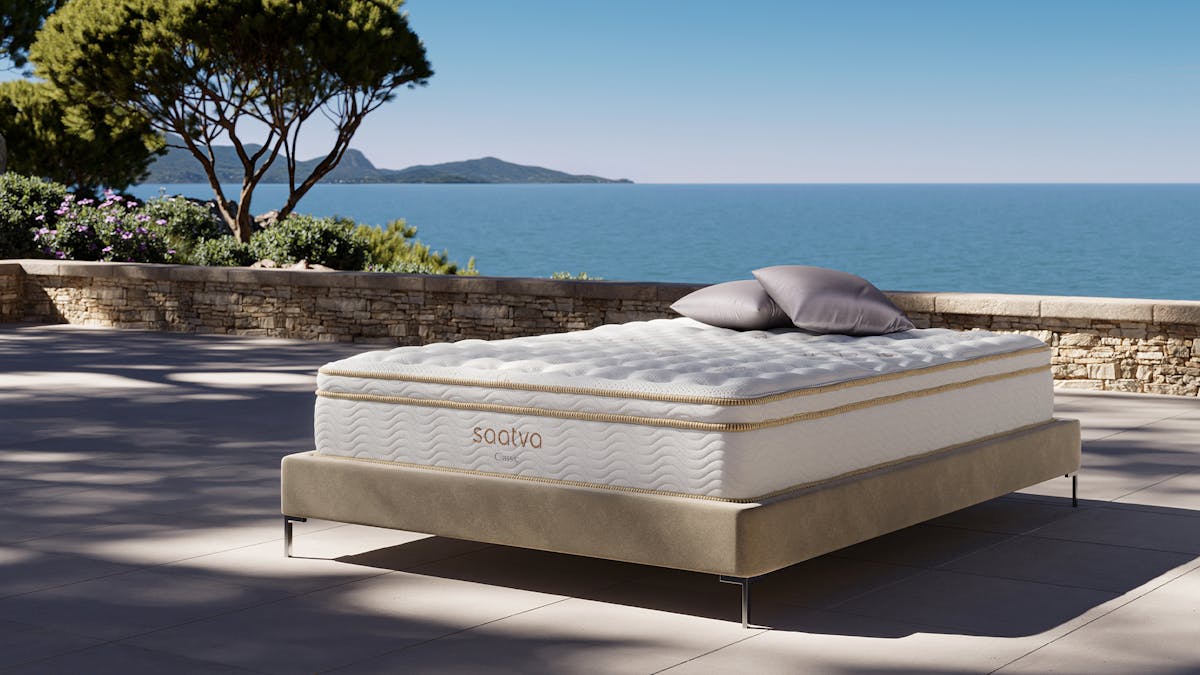
Saatva offers luxury innerspring mattresses starting at $1,095 — with free White Glove delivery and a 365-night trial.
However, Medicare coverage is limited: they typically cover the cost of the base only, not premium mattresses, and may only cover basic models. Medicaid and private insurance vary by plan. Veterans may qualify for adjustable beds through the VA's prosthetics program. Always verify coverage before purchasing,
Understanding the Sleep Number Technology
The Sleep Number 360 operates on a fundamentally different principle than traditional adjustable bases. Rather than a fixed mattress on a moving frame, Sleep Number utilizes air chambers within the mattress itself, allowing users to adjust firmness on a scale from 0 to 100. This technology proves particularly valuable for seniors because firmness needs change frequently—joint swelling may require softer settings in the morning, while evening stiffness may demand firmer support. The ability to make these adjustments in real-time addresses a challenge that fixed-firmness mattresses cannot solve.
Remote Control and Smart Features
The Sleep Number remote prioritizes simplicity with a large circular dial for firmness adjustment and prominent buttons for common positions including head elevation, anti-snore (6-degree head elevation), and zero-gravity. The remote includes a sleep tracker that monitors movement patterns and reports data through the SleepIQ app. For seniors comfortable with basic smartphone usage, this data provides valuable insights into sleep quality trends that can inform conversations with healthcare providers about conditions like sleep apnea or restless leg syndrome.
The app connectivity, while valuable, presents a learning curve for seniors less comfortable with technology. Sleep Number addresses this by maintaining full functionality through the physical remote, meaning users aren't forced into app adoption. The remote itself features backlit buttons with reasonable contrast, though the text labels are smaller than those on the Saatva remote. For seniors with significant visual impairment, this could represent a barrier.
Safety and Accessibility Features
The Sleep Number 360 base offers height adjustability that ranges from 9 to 18 inches from floor to mattress top, slightly narrower than the Saatva range but adequate for most users. The base includes an under-bed light that activates during nighttime adjustments—a genuinely useful feature for seniors navigating to bathrooms in the dark. The light provides enough illumination to see floor hazards without the jarring brightness of overhead lighting.
Sleep Number offers its own line of bed rails and safety accessories designed to integrate with the base. However,
Editor Top Pick
Saatva Classic
Best Overall Mattress 2026 -- Luxury feel, fair price, free white-glove delivery
365-night trial
Lifetime warranty