
 by
by Quick answer: Straight-back tubs need a pillow that grips a flat vertical wall and drains fast. The Saatva Pillow, LatexLuxe Pillow and Evercool Cooling Pillow are all real options, each with different construction trade-offs.
- Saatva Pillow is offered in 4", 5", 6" and 7" profiles, per saatva-mattress.com, so you can pick loft to match your tub angle.
- LatexLuxe Pillow carries a 5-year warranty, per amerisleep.com.
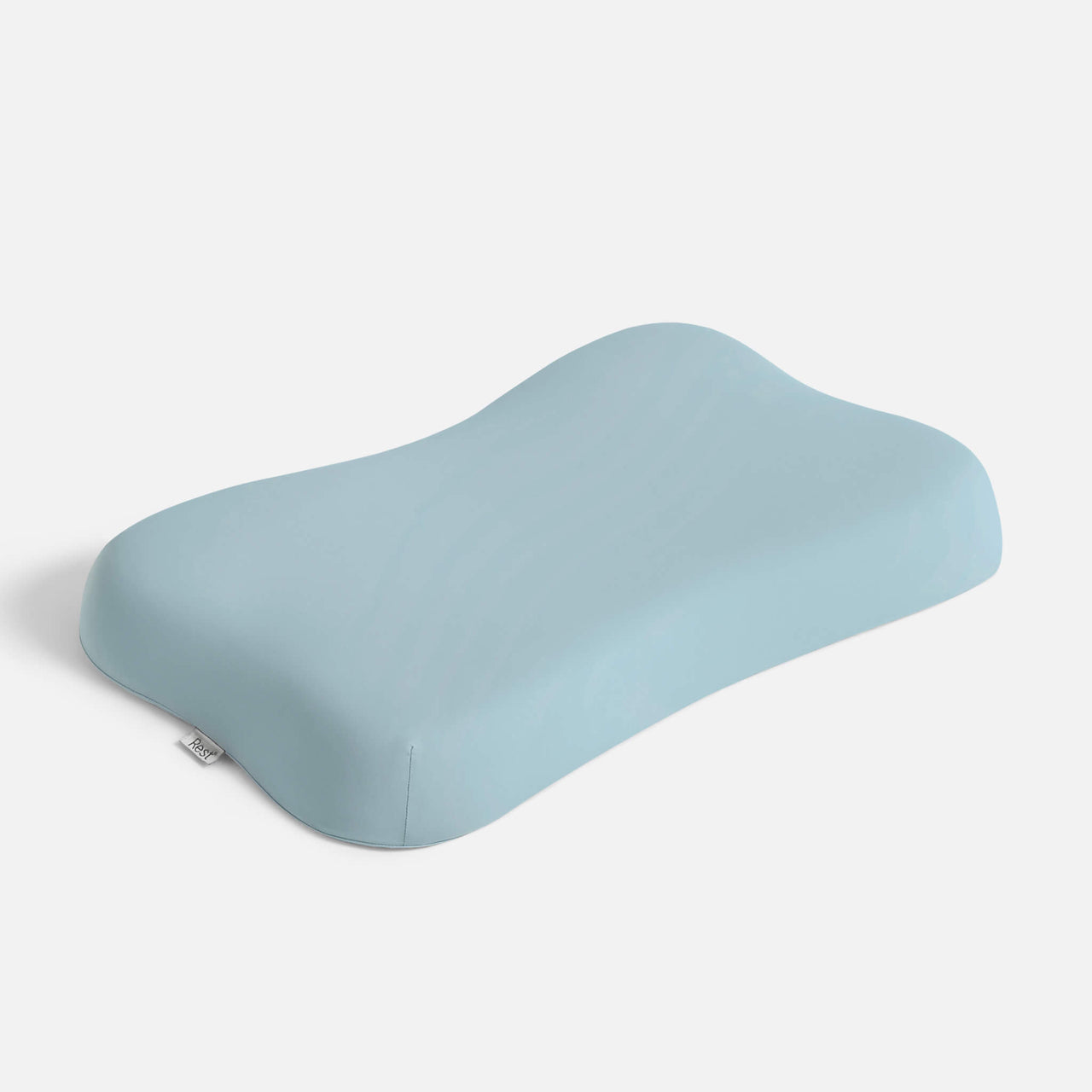
- Evercool Cooling Pillow measures 26" x 15.8" x 3" and lists at $199, per rest.com.
Updated July 2026 · Reviewed for accuracy
VERIFIED COMPARISON
For best bath pillow for straight back tubs, compare the Saatva Pillow with the other verified options below using documented dimensions, ownership terms and fit factors.
3 VERIFIED OPTIONS COMPARED
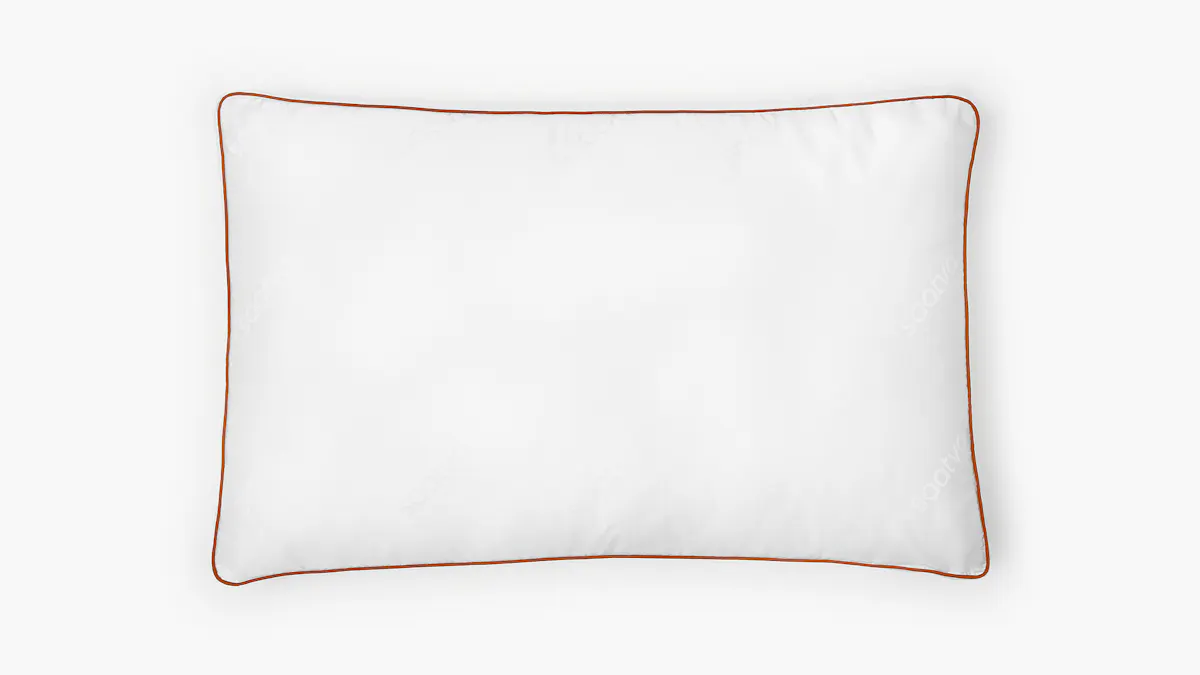
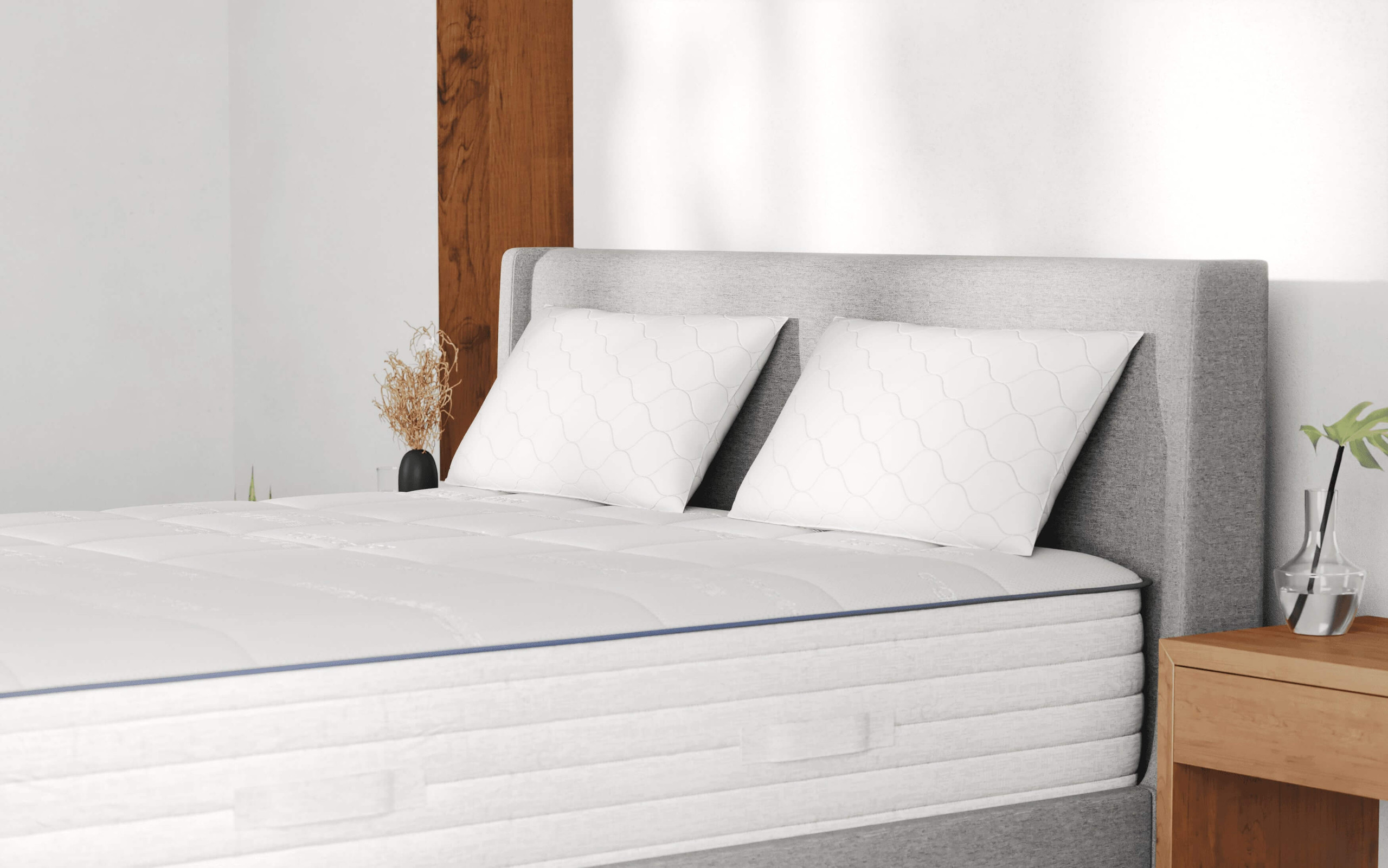
Saatva Pillow
- Per saatva-mattress.com, the Saatva Pillow is offered in 4", 5", 6" and 7" heights.
- One of 3 products compared with bound source facts
- Order direct from the brand — current price, trial and warranty terms are on the official product page
3 verified options compared
A straight-back tub is the hardest surface in the house to rest a head against. There's no recline, no lumbar curve, just a cold vertical wall meeting a flat floor at roughly ninety degrees. Most bath pillows are engineered for sloped alcove tubs, and on a straight back they slide down the wall within minutes.
I'm going to be straight with you about what I can and can't verify here. Three pillows are compared below, and the specs I cite come from named manufacturer pages. I have no independent lab data on suction strength, drying time or mildew resistance for any of them, so I'm not going to pretend otherwise or crown a winner. What I can do is explain the construction logic that decides whether a pillow works against a flat wall, and lay out what each option actually documents.
Why straight-back tubs defeat most bath pillows
Geometry. On a sloped tub, gravity works with you: the backrest angle catches the pillow and your own body weight pins it in place. Suction cups are almost decorative. On a straight-back tub the wall is vertical or close to it, so gravity pulls the pillow straight down the surface. Every bit of holding power has to come from the suction cups and from friction between the cover and the acrylic.
That changes what matters. Cup count and cup diameter start to dominate, because each cup is fighting shear force rather than just resisting a light pull. Surface finish matters too. A textured or slip-resistant tub floor is great for safety and terrible for suction, and the same is true of any tub with a matte or brushed finish.
Several 2026 roundups on this keyword, including sprucebath.com and Quiet Home Fix, converge on the same three criteria for straight-edged tubs: strong suction, quick-drying material, and multi-point support across head, neck and back. That's a reasonable framework, and it's roughly the one I'd use.
The Nut's take on the category: Almost every product marketed as a "bath pillow for straight back tubs" is the same mesh-and-air-fiber shell with a different suction cup layout. The honest differentiator is whether the material sheds water fast enough to avoid going sour, because a bath pillow that stays damp is a mildew farm with a two-month lifespan.
Material matters more than shape
Two families dominate this category. The first is open-cell 3D air mesh, a spacer fabric with a hollow middle layer. Water passes straight through instead of soaking in, which is why these dry in hours rather than days. They're thin, though, usually an inch or less of effective loft, so support comes from the tub wall behind them, not from the pillow itself.
The second family is closed-cell foam or gel wrapped in a waterproof shell. More loft, more cushion, far worse drainage. If water gets past a seam, it stays inside, and that's the failure mode owners complain about most in this category.
Here's the construction principle I'd apply: on a straight-back tub, loft is not your friend past a certain point. A thick pillow pushes your head forward off the wall, which cranks your neck into flexion and forces you to slump lower into the water. A thinner pad with reliable adhesion beats a plush block that slides. The same logic drives how I think about loft in bed pillows, which I've covered in more depth in my guide to pillows for side and back sleepers.
The three pillows in this comparison
These are bedroom pillows, not purpose-built bath products, and I want that on the record before you read another line. I'm including them because they're the options with verifiable manufacturer specifications in front of me, and because a meaningful number of people soaking in a straight-back tub reach for a rolled bedroom pillow inside a plastic bag rather than buy a dedicated bath cushion. If you're doing that, or considering it, the specs below tell you which shapes and profiles are in play. None of the three is marketed for tub use, and none carries any documented water resistance.
| Pillow | Documented spec | Named source | Best suited to |
|---|---|---|---|
| Saatva Pillow | Offered in 4", 5", 6" and 7" profiles | saatva-mattress.com | Anyone who needs to dial loft to a specific gap between shoulders and wall |
| LatexLuxe Pillow | 5-year warranty | amerisleep.com | Buyers who want the longest documented coverage window of the three |
| Evercool Cooling Pillow | 26" x 15.8" x 3"; $199 | rest.com | Someone who needs exact footprint numbers before committing |
Saatva Pillow: loft you can choose
The interesting spec here is the profile range. Per saatva-mattress.com, the Saatva Pillow is offered in 4", 5", 6" and 7" heights. That's a wider ladder than most pillow lines publish, and it's the one variable that maps directly onto the straight-back tub problem.
Think about the gap you're trying to fill. Sitting upright against a vertical wall, the space between the back of your head and that wall depends on your shoulder width and how far your head naturally sits forward. A broad-shouldered adult sitting square against the wall might have four or five inches of air behind the skull. Someone narrower, less. Pick a loft too tall and your chin drops toward your chest. Too short and you get nothing.
The four-step ladder means you can match rather than compromise. I don't have Saatva's fill construction or firmness data in front of me, so I'm judging this on the dimension range alone, which is what's documented.
LatexLuxe Pillow: the warranty is the evidence
One documented fact, and it's a durability signal: amerisleep.com lists a 5-year warranty on the LatexLuxe Pillow. Five years on a pillow is a longer window than the category norm, and warranty length is usually the closest thing to a manufacturer's own statement about expected service life.
Latex as a material earns that kind of coverage more honestly than polyfoam does. It resists the permanent compression set that flattens cheaper fills, so a latex core tends to hold its shape through years of nightly loading. That's a construction argument, not a test result, and I have no dimensional or density figures for this specific pillow to add to it.
Worth saying plainly: latex is dense and it holds water. If your interest in this pillow is bath-adjacent, understand that a soaked latex core is heavy, slow to dry, and not something a warranty is going to cover. Keep it in the bedroom.
What I'd actually check on a dedicated bath pillow:
- Cup count and cup diameter, not just the phrase "strong suction" in the listing
- Whether the material is spacer mesh (drains) or wrapped foam (traps)
- Total height against the gap behind your own head, measured with a tape
- Whether it can go in a washing machine, since that's the only realistic way to reset a pillow that's been damp for months
Evercool Cooling Pillow: the numbers are all there
This is the best-documented option of the three on dimensions. Per rest.com, the Evercool Cooling Pillow measures 26" long, 15.8" wide, and 3" thick, with a listed price of $199.
Those numbers are useful for a specific reason. A 26-inch length spans most of the width of a standard tub, and 3 inches of thickness sits in the range where you get cushion without shoving your head forward. If you're evaluating whether something physically fits your tub geometry before you buy, a full set of published dimensions beats any amount of marketing copy.
On the cooling claim, I can only report what rest.com states in its product name and listing. I have no thermal data, no owner-reported temperature feedback, and no independent measurement for this pillow, so I'm not going to characterize how cool it actually sleeps. The $199 figure comes from the same rest.com listing and is the only price point I can verify across these three.
How I'd choose between them
No winner from me, because the evidence doesn't support one. Three pillows, three completely different documented facts: a profile range, a warranty term, and a dimension-plus-price set. You can't rank items when each one is measured on a different axis.
What you can do is match the documented fact to your own constraint. If your problem is fit, the Saatva Pillow's 4" to 7" ladder from saatva-mattress.com is the relevant spec. If your problem is how long the thing will last before it flattens, the 5-year term amerisleep.com publishes for the LatexLuxe Pillow is the only durability commitment on the table. If your problem is whether it physically fits a space you've already measured, rest.com's 26" x 15.8" x 3" figures for the Evercool answer that outright.
If your problem is genuinely bathing in a straight-back tub, none of these three is the answer, and I'd rather tell you that than sell you a mismatch. Buy a purpose-made mesh bath cushion with a documented cup layout, and use the checklist above to vet it.
Neck and back positioning in a straight-back tub
Support geometry in a tub follows the same rules as support geometry in bed, which is why the two problems bleed into each other. A vertical wall gives you no lumbar support at all, so your lower spine flattens against a hard curve it wasn't built for. The fix isn't a thicker head pillow. It's a second point of contact lower down, or a shorter soak.
People who arrive at this search from pain rather than luxury are usually solving the wrong end of the problem. If your neck hurts after a bath, the bath is probably not the primary cause, and I'd look at your nightly setup first. I've written specifically about that in my guides to pillows for upper back pain and pillows for lower back pain. Eight hours of bad alignment does more damage than twenty minutes in a tub.
One more positioning note. Sitting bolt upright against a straight wall puts your hips at a sharper angle than a sloped tub does, which pushes your pelvis into a posterior tilt and rounds the lumbar spine. A rolled towel behind the small of the back changes that geometry more effectively than any head pillow will. It costs nothing and you already own one.
FAQ
Do suction cups actually hold on a straight-back tub?
They can, but they're doing much harder work than on a sloped tub, because the pillow's weight pulls straight down the vertical wall instead of resting into an angle. Cup count, cup diameter and a clean, smooth, fully dry tub surface all matter more here. Textured or matte acrylic finishes reduce holding power significantly.
Can I use a regular bed pillow in the bath instead?
People do, usually sealed in a bag, and it's a workaround rather than a solution. None of the three pillows compared here, the Saatva Pillow, the LatexLuxe Pillow or the Evercool Cooling Pillow, is marketed for tub use or documents any water resistance. A soaked foam or latex core is heavy, slow to dry, and prone to going sour.
What thickness works best against a flat tub wall?
Enough to fill the gap behind your head, and no more. Too much loft pushes your head forward and flexes your neck, which is the opposite of what you want in a tub. Measure the space between the back of your skull and the wall while sitting in your normal soaking posture, then buy to that number.
How fast should a bath pillow dry?
Hours, not days. Open-cell spacer mesh drains through its hollow middle layer and dries fastest; wrapped foam and gel hold water inside once it gets past a seam. Multiple 2026 roundups on this term, including sprucebath.com, flag quick-drying material as a core selection criterion, and I'd weight it heavily.
Is a more expensive pillow more durable?
Not reliably, and price alone tells you very little. Warranty length is the better proxy, since it's the manufacturer putting a number on expected service life: amerisleep.com publishes a 5-year term on the LatexLuxe Pillow, while rest.com lists the Evercool Cooling Pillow at $199 without a warranty figure I can verify. Material construction, particularly latex versus polyfoam, does more to predict longevity than the sticker.
The verdict
Straight-back tubs are an adhesion problem before they're a comfort problem, and the pillow industry mostly designs for sloped alcove tubs. Get the grip and the drainage right and the comfort follows; get them wrong and you'll be fishing a slimy cushion off the tub floor by month three.
Of the three options documented here, each answers a different question, and I'd let your own constraint pick: profile range for fit, warranty term for longevity, published dimensions for a space you've already measured. If the actual use case is soaking, buy purpose-built mesh and vet the cup layout yourself. For everything that happens in bed, my guide to pillow position for back sleepers is a better use of your next ten minutes.
COMPARISON TAKEAWAY
Use the documented measurements, ownership terms and fit factors above to choose among these 3 options for best bath pillow for straight back tubs.
Saatva Pillow