
 by
by Quick answer: Saatva Classic is my practical pick for shoppers who need a conventional mattress with a clearly stated profile, but active bed sores need clinical guidance, not a retail mattress alone.
- Saatva Classic is listed at 11.5 inches per Saatva’s warranty page.
- PlushBeds Luxury Bliss carries a 365-night trial per MattressNut’s Luxury Bliss review.
- Puffy Lux is listed at 12 inches per Sandman Sleep’s detailed review.
Updated July 2026 · Reviewed for accuracy
OUR VERDICT
For best mattress for bed sores, the Saatva Classic is the pick we’d order first — every product below has real strengths, and the full comparison shows exactly why this one comes out on top.
OUR #1 PICK OF 3 COMPARED · UP TO $625 OFF
Saatva Classic
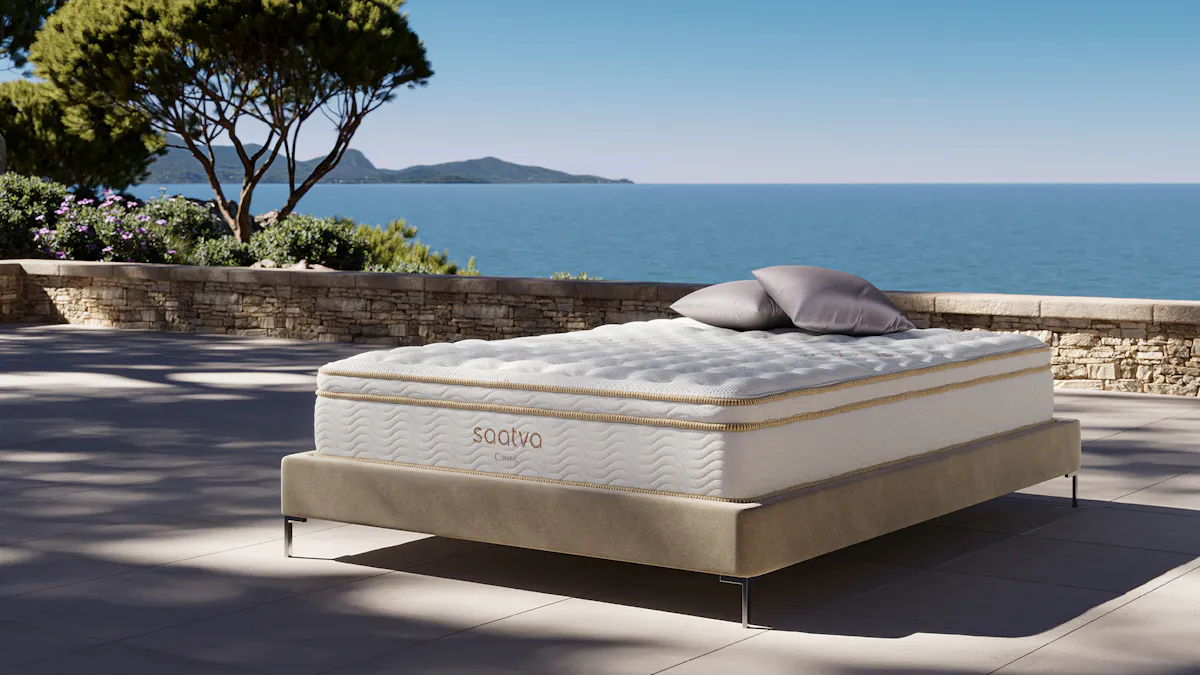
- Saatva Classic: best for a clearly stated standard profile Saatva Classic is the conventional-mattress choice I’d start with if the care team says a standard mattress is suitable and you need to plan around bed height.
- Our #1 pick of the 3 products compared on this page
- Order direct from the brand — current price, trial and warranty terms are on the official product page
Our top 3 picks compared

Bed sores, also called pressure ulcers, are painful wounds associated with prolonged pressure on parts of the body, according to Sleep Advisor. That makes this a care decision first and a mattress-shopping decision second.
My short version: choose a mattress only after the person’s clinician or care team has identified the right pressure-management approach. A regular mattress can be relevant for comfort, support, and everyday sleep, but it should not be presented as treatment for an existing wound.
Why bed sores change the mattress question
“Pressure relief” sounds like ordinary mattress language, but bed sores are not an ordinary comfort complaint. Sleep Advisor describes pressure ulcers as painful wounds that result from prolonged pressure on certain areas of the body. That is why a person who is immobile, spends extended time in bed, or already has skin breakdown should involve a medical professional before choosing any sleep surface.
The right category may not even be a standard consumer mattress. Medical Department Store’s pressure-relief guide distinguishes foam, gel, air, and alternating-pressure systems, while Cleveland Heart’s guide focuses on low-air-loss mattresses for pressure-sore prevention and treatment. Those are useful reminders that a conventional mattress and a clinical support surface serve different jobs.
I’d separate the decision into two questions. First: does the person need a clinician-directed therapeutic surface, repositioning plan, or hospital-bed-compatible setup? Second: if a standard mattress is still appropriate, which construction details make daily positioning and general comfort easier to manage?
The key distinction: a mattress may help make sleep more comfortable, but a pressure-ulcer risk or active sore calls for individualized medical direction. The sources here discuss pressure management broadly; they do not prove that any retail mattress prevents or heals bed sores.
What I’d prioritize before softness or marketing
For a shopper considering a standard mattress, mattress height is a real practical detail. The sleeping surface has to work with the bed frame, transfer routine, rails if applicable, and the caregiver’s ability to help someone get in and out of bed. A tall mattress can be inconvenient if it makes the final bed height harder to manage.
Support also needs a plain-language definition. It does not mean choosing the firmest option available. Sleep Chillout notes that a mattress that is too soft can worsen the situation while one that is too firm can be uncomfortable. That is not a prescription for a particular firmness level, but it is a sensible warning against treating “firmer” as automatically better.
Breathability and cushioning appear repeatedly in the available guidance. Sleep Junkie says its featured hybrid combines targeted cushioning, support, and breathability as relevant features for pressure-ulcer management. I’d treat that as a checklist for questions to ask, not a shortcut to a medical conclusion: Where will the body rest for long periods? Can the surface suit the care plan? Is the whole bed setup workable?
- Ask the clinician whether a standard mattress is appropriate at all.
- Measure the finished bed height, not just the mattress.
- Check the return and warranty terms before opening the mattress.
- Keep the focus on the person’s mobility, positioning needs, and existing care plan.
Before narrowing products, it also helps to understand the basics of what makes one mattress a better fit than another. For this topic, though, the usual shopping filters, such as plush versus firm, come after medical suitability and bed setup.
Saatva Classic: best for a clearly stated standard profile
Saatva Classic is the conventional-mattress choice I’d start with if the care team says a standard mattress is suitable and you need to plan around bed height. Saatva lists the mattress at 11.5 inches on its warranty page, and the National Council on Aging lists Saatva at $2,139 in its mattress review. Those are practical shopping facts, not evidence of pressure-ulcer prevention, so I would not stretch them into a medical claim.
The useful angle here is straightforward: a stated mattress height gives a shopper something concrete to assess against the existing frame and mobility needs. Price also belongs in the discussion because a care-related purchase can be expensive, especially if the correct route turns out to be a specialized surface rather than a retail mattress.
There is no responsible way to declare this mattress right for every person with bed sores. If getting up, transfers, skin condition, or long periods in bed are central concerns, take those specifics to the clinician instead of relying on a general mattress recommendation.
PlushBeds Luxury Bliss: best for a long at-home decision window
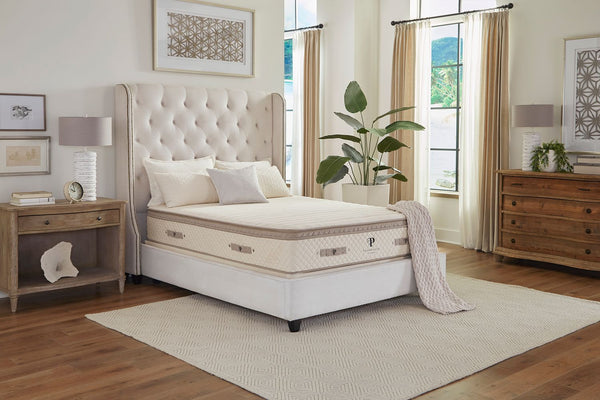
PlushBeds Luxury Bliss makes the most sense for the shopper whose approved plan still leaves room to evaluate a conventional mattress at home. MattressNut’s Luxury Bliss review lists a 365-night trial and a 25-year warranty, while the same review lists the mattress at $1,999. The stated trial is the feature that matters most here because a mattress can feel acceptable on day one yet prove impractical once the entire bed setup is in use.
Be precise about what a trial can and cannot tell you. It can give a household time to judge bed height, ease of movement, and general comfort in its own routine. It does not replace professional assessment of pressure-ulcer risk, wound care, repositioning, or a prescribed therapeutic support surface.
The warranty is also worth reading as a policy, not as a durability promise. A long stated term can be reassuring, but it does not answer whether the mattress suits a particular medical situation. Review the terms directly before purchase, especially if setup, returns, or exchanges would be difficult for the household.
A practical note: A trial period is most useful when the household has already cleared the mattress category with the care team. Don’t use a retail return policy as a substitute for a pressure-care plan.
Puffy Lux: best for shoppers comparing stated layer dimensions
Puffy Lux is the option for a shopper who wants published construction measurements to compare while staying within an approved standard-mattress category. Sandman Sleep lists Puffy Lux at 12 inches and identifies a 1.5-inch component in its detailed review; Our Sleep Guide identifies a 2-inch component in its review. Puffy’s own trial page states a 365-night trial. These figures describe listed construction and policy details, not clinical performance.
The main lesson is to read dimensions carefully. A mattress profile affects the final bed height, and individual layer measurements do not by themselves prove how a surface will manage pressure for a person with limited mobility. Product pages and reviews can help you compare what is published, but they cannot replace an individualized recommendation.
If you are weighing this option, write down the full bed height and ask whether it supports safer transfers and the existing care routine. That is a much more useful conversation than chasing broad claims about foam or thickness.
How these options compare on the facts available
| Mattress | Best fit for | Published facts to consider | What those facts do not establish |
|---|---|---|---|
| Saatva Classic | Planning around a stated conventional-mattress height | 11.5 inches per Saatva’s warranty page; $2,139 per the National Council on Aging’s Saatva review | That it prevents or treats bed sores |
| PlushBeds Luxury Bliss | Households wanting more time to assess an approved retail-mattress setup | 365-night trial, 25-year warranty, and $1,999 price per MattressNut’s Luxury Bliss review | That a trial period replaces medical guidance |
| Puffy Lux | Comparing published profile and component measurements | 12-inch profile and 1.5-inch component per Sandman Sleep; 2-inch component per Our Sleep Guide; 365-night trial per Puffy | That listed layers predict pressure-ulcer outcomes |
None of these published facts establishes a clinical ranking. That’s the honest limit. For bed sores, selecting the “best” mattress is less about crowning a retail model and more about identifying the right surface category, then checking whether the height, policies, and setup fit the care plan.
If you are still shopping broadly, this guide to where to buy a mattress can help with the retail side of the process. For this particular need, keep medical suitability ahead of ordinary shopping convenience.
How I’d make the decision safely
Start with the level of need. Sleep Advisor’s description of pressure ulcers points directly to prolonged pressure as the core issue. If there is an active sore, skin breakdown, severe immobility, or a person who cannot reposition independently, the first call should be to the relevant clinician or wound-care professional.
Next, ask a specific question: “Is a standard mattress appropriate, or is a therapeutic support surface needed?” The guides from Medical Department Store and Cleveland Heart show why that question matters, because they discuss air, alternating-pressure, and low-air-loss systems alongside other pressure-relief approaches.
Only then should you compare retail policies and physical dimensions. Measure from the floor to the top of the mattress on the actual frame. Consider whether the person can sit, stand, transfer, or be assisted without the bed being too high or too low. Those are household-fit questions, but they can have a major effect on whether the setup is usable every day.
Finally, keep documentation. Save the product page, trial terms, warranty terms, and delivery information. Mattress buying is easier when you know when mattress sales tend to happen, but a care need should never be delayed simply to wait for a sale.
Verdict: choose the care category before the mattress
For a standard mattress approved by the care team, Saatva Classic is my first practical option because its 11.5-inch profile is clearly stated by Saatva and its listed price is available from the National Council on Aging. That makes it easier to discuss a real setup, rather than a vague promise of “pressure relief.”
PlushBeds Luxury Bliss is the better fit if a long stated trial matters most, while Puffy Lux is useful for shoppers who want to compare published profile and layer measurements. But I would skip all conventional-mattress shopping until a clinician has confirmed that a retail mattress is appropriate for the person’s risk level and current condition.
FAQ
Can a regular mattress prevent bed sores?
No retail mattress should be assumed to prevent bed sores. Sleep Advisor links pressure ulcers with prolonged pressure, and a person at risk may need an individualized plan that goes beyond a standard mattress.
What type of mattress is used for someone with active bed sores?
That depends on the person’s clinical needs. Medical Department Store discusses foam, gel, air, and alternating-pressure systems, while Cleveland Heart covers low-air-loss mattresses, so ask a clinician which surface category is appropriate before buying.
Is a softer mattress always better for bed sores?
No. Sleep Chillout cautions that mattresses that are too soft may worsen the problem and mattresses that are too firm can also be uncomfortable. The right choice depends on the person’s condition, mobility, and care plan.
Why does mattress height matter?
Height changes the final position of the bed surface. That can affect transfers, sitting at the edge of the bed, and caregiver assistance, so measure the complete setup rather than looking at mattress thickness in isolation.
Should I use a trial period to decide?
A trial can help assess an already-approved retail mattress in the home. It cannot determine whether the mattress is medically suitable, so clinical guidance should come first.
FINAL VERDICT
Of the 3 products compared for best mattress for bed sores, the Saatva Classic ranks first. The cards above show where each alternative fits; confirm current dimensions and terms on its product page.
Saatva Classic