
 by
by Quick answer: A standard-profile split mattress combines a full-height mattress build with two separately moving sleep surfaces. It makes the most sense for partners using a compatible adjustable base who want independent positioning.
- A split setup separates the mattress into individual sides, according to Sleepiverse.
- “Standard profile” distinguishes a fuller mattress height from a low-profile design, according to MattressNut’s profile guide.
- The mattress, base, retainer setup, and bedding need to work as one system, per Sleepiverse.
Updated July 2026 · Reviewed for accuracy
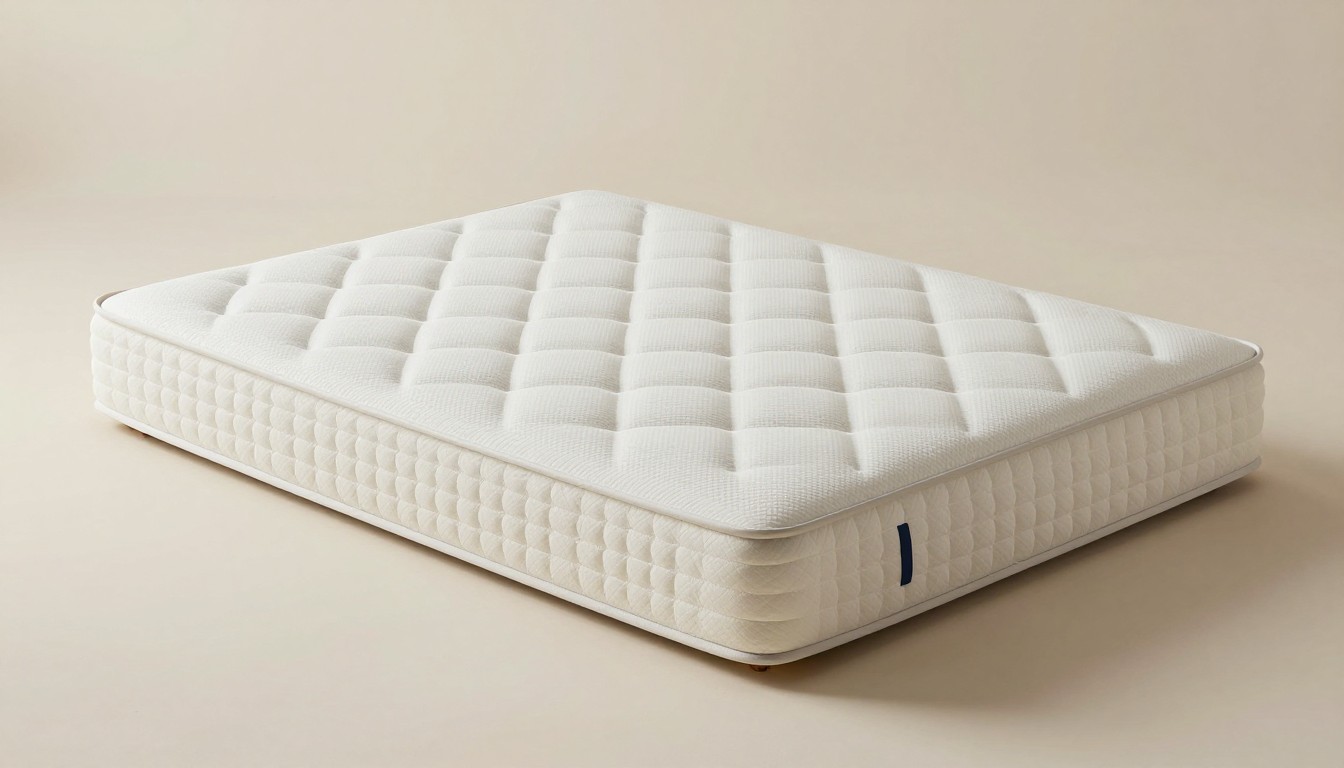
A standard-profile split mattress is not a special comfort category. It’s a mattress arrangement: two separate sleep surfaces with a conventional, fuller-height build rather than a thinner low-profile one.
That distinction matters most with an adjustable base. Each side can move independently, but only if the mattress split, the base, and the bedding all match. I’d treat it as a system purchase, not a mattress-only decision.
What “standard profile” actually means
Standard profile describes height, not firmness. MattressNut’s guide to standard versus low-profile mattresses explains the basic divide: standard-profile models have the fuller mattress silhouette most people expect on an adult bed frame, while low-profile models sit noticeably closer to the foundation.
That fuller build can come from many constructions. A standard-profile split mattress may use foam, coils, latex, or a hybrid design. The phrase tells you nothing reliable about whether the surface will feel soft, firm, springy, cool, or motion-isolating. You still need to examine the actual materials and layer design.
I see shoppers make one avoidable mistake here: they assume “standard profile” means “standard mattress.” It doesn’t. It only describes the mattress’s overall height category. The split is a separate feature, and the construction inside each half still determines how it performs.
The useful shorthand: standard profile concerns how tall the mattress sits; split concerns how the sleep surface is divided. Keep those two ideas separate while you shop.
What the split changes in everyday use
A split mattress has independent sides instead of one continuous sleep surface. Sleepiverse notes that a split system requires attention to the components around it, including the base, retainers, bedding, delivery, and policies. That’s sound advice because the gap between sides is not a cosmetic detail. It changes how the bed behaves.
For couples, the central benefit is independent movement. One sleeper can raise or lower their side on a compatible adjustable base without requiring the other side to move with them. Eachnight also explains that a split king can let partners choose comfort levels suited to their individual preferences.
The tradeoff is the center seam. If you sleep mostly on your own side, it may barely register. If you regularly sprawl across the middle, cuddle in the center, or have a child or pet who lands between you, the separation can be more noticeable than it would be on a one-piece mattress.
Separate sides can also reduce the amount of motion transferred through the whole bed, but that isn’t guaranteed by the split alone. Foam layers, coil structure, and the overall build still matter. A split design limits direct connection between sleepers; it does not erase movement within either mattress half.
Standard profile versus low profile in a split setup
The visible difference is bed height. A standard-profile split mattress creates a more substantial stack above the base, while a low-profile option is chosen when a lower overall bed is the goal. MattressNut’s guide to standard mattress thickness is useful background if you’re trying to picture how the mattress will sit in your room.
| Question | Standard-profile split mattress | Low-profile split mattress |
|---|---|---|
| What does the label describe? | A fuller conventional mattress-height category. | A thinner, lower-sitting mattress-height category. |
| Does it tell you firmness? | No. Check the materials and stated feel. | No. Check the materials and stated feel. |
| Can it work with an adjustable base? | Only if the mattress and base are compatible. | Only if the mattress and base are compatible. |
| What should you check first? | Total bed height, sheet fit, and independent-side setup. | Desired lower bed height, sheet fit, and independent-side setup. |
Neither profile is automatically better. A standard profile may appeal if you prefer a more traditional bed height or want room for a deeper comfort system. A low profile may suit a taller frame, a lower visual look, or a setup where getting onto the bed comfortably is the priority. The right answer depends on the finished bed, not the mattress label in isolation.
Before ordering, think about the height added by the adjustable base and frame. Then consider your sheets, headboard clearance, bedside furniture, and how easy the final surface will be to get in and out of. Those practical checks are more useful than treating “standard” as a quality grade.
My rule: choose profile after you map the entire bed stack. A mattress that looks right on a product page can sit very differently once it is paired with a base, frame, protector, and sheets.
Check the base before you choose the mattress
The most important detail is compatibility. A split mattress is commonly paired with an adjustable base that has independently controlled sides, but not every divided mattress design fits every base. Sleepiverse recommends checking each component’s exact specifications, support, and retainers before committing. I’d put that step ahead of debating comfort features.
A retainer bar or other retention system can matter because the two mattresses need to stay properly positioned as the base moves. If the halves drift, the center gap can become more obvious and the bed can look untidy. Ask the manufacturer how the mattress is meant to be secured on that particular base.
You should also distinguish a fully split mattress from a split-head design. Saatva’s explanation of split-head mattresses describes a setup where the upper portion is divided for independent head adjustment while the lower portion remains connected. That can suit people who want independent upper-body positioning but dislike the idea of a full-length seam.
Do not assume those arrangements use the same sheets or work with the same base configuration. The bed’s split pattern determines what you need. Confirm the product’s stated configuration before you buy any foundation or bedding.
Bedding and support are part of the decision
Split mattresses need bedding chosen for the split, not merely for the room’s bed size. Sleepiverse specifically flags bedding as a planning point. A one-piece fitted sheet may pull across independently moving sides, while separate fitted sheets can allow each half to articulate more freely.
The top layer is a personal preference. Some couples use one shared comforter; others prefer separate covers so movement and temperature preferences stay more independent. There is no universal best arrangement. The practical question is whether the bedding lets the base move as intended without constantly bunching or coming loose.
Support underneath matters just as much. The mattress should rest on the foundation or adjustable base the manufacturer approves. If you are replacing a mattress on an existing frame, inspect what is already below it rather than assuming it will work. MattressNut’s guide to what goes under a mattress can help you sort through the roles of a foundation, platform, slats, and adjustable base.
- Confirm whether the mattress is fully split or split only at the head.
- Confirm that the base supports independent movement on each side.
- Ask how the mattresses are retained during adjustment.
- Choose fitted sheets intended for the split configuration.
- Verify the approved support method in the manufacturer’s instructions.
Who should consider a standard-profile split mattress?
A standard-profile split mattress is a sensible fit for partners who want separate adjustable-base positions and prefer a fuller-height bed. It can also make sense when each person wants a different mattress feel, provided the base and surrounding bedding are designed for the arrangement.
I’d be cautious if the middle of the bed is your favorite place to sleep. A full split introduces a seam from top to bottom, and no marketing language changes that physical reality. A split-head configuration may be worth examining if independent head adjustment is the goal but a continuous lower sleep area matters more.
It may also be the wrong route if you want the simplest possible bed setup. Two mattress halves can mean more decisions about sheets, protectors, delivery, setup, and future replacement. That extra planning is worthwhile only if independent adjustment or individualized comfort solves a real problem for you.
For a broader look at how construction choices affect feel and suitability, see MattressNut’s guide to what makes the best mattress for different sleepers. Start with your sleeping arrangement and base needs, then narrow the material and firmness choices.
How I’d shop for one without getting tripped up
Start by naming the exact split you need. “Split mattress” is too broad to place an order safely. Determine whether you want two fully separate sides or a split-head design, then make sure that choice matches the adjustable base you own or plan to buy.
Next, evaluate profile as part of overall bed height. A standard profile can be a comfortable, familiar choice, but it is not inherently more supportive or more durable than a low-profile alternative. The materials, internal support system, and approved foundation determine far more.
Then read the manufacturer’s product page and policy pages closely. Sleepiverse recommends checking delivery, trial terms, warranty coverage, total cost, and the detailed configuration of every component. Those are not afterthoughts with a split system. They determine whether the pieces can be used together without frustration.
Bottom line for shoppers: buy the configuration first, then the mattress feel. A comfortable mattress that does not match the base or bedding setup is still a poor fit for the room.
FAQ
Is a standard-profile split mattress the same as a split king?
Not necessarily. “Standard profile” describes the mattress-height category, while “split king” describes a particular divided-bed configuration. Sleepiverse’s split-mattress guide emphasizes checking the exact configuration rather than relying on broad labels.
Does standard profile mean the mattress is firmer?
No. Profile does not tell you firmness, pressure relief, or support level. Those characteristics come from the mattress materials and internal construction stated by the manufacturer.
Can I use regular sheets on a split mattress?
It depends on the split pattern and whether the sides move independently. Sleepiverse identifies bedding as a key part of split-mattress planning, so check the sheet manufacturer’s compatibility guidance before ordering.
Will a split mattress work on any adjustable base?
No. The mattress split and base design must be compatible. Confirm the base’s independent movement, approved mattress setup, and retention method with the manufacturer before making the purchase.
Is a full split or split-head design better?
A full split gives each sleeper more independent positioning, while a split-head design keeps the lower portion connected. Saatva’s split-head guide explains that the latter can appeal to people who want separate head adjustment without a full-length center seam.
ONE MATTRESS TO COMPARE
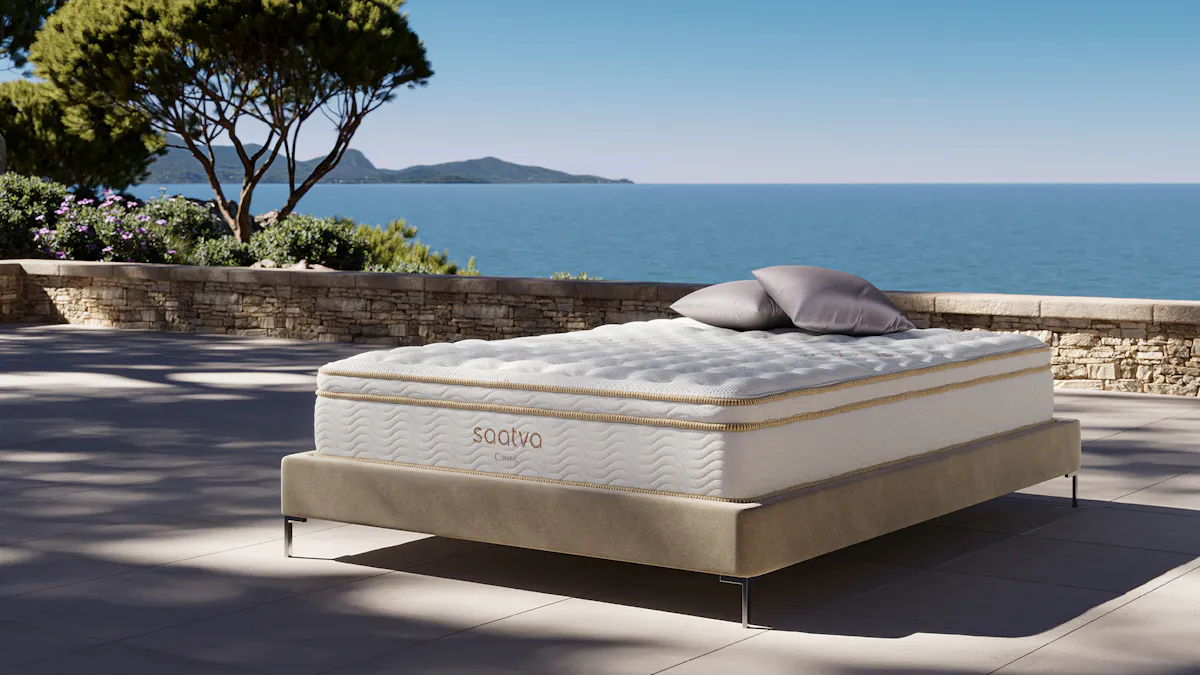
Use the guide above for the answer about mattress. If you also want to compare a currently sold option, the Saatva Classic is one separately verified product to consider. It is not the subject or winner of this guide. Confirm current price, dimensions and terms on the official product page before ordering.
Saatva Classic
- 365-night home trial and lifetime warranty, per saatva.com
- Handcrafted in the USA, free white-glove delivery
- Flexible financing available
My take
A standard-profile split mattress is best understood as a fuller-height, independently divided sleep setup. It can be an excellent match for adjustable-base partners who want separate positioning, but it is not automatically more comfortable than another mattress type.
Get the split configuration right first. Confirm the base, support, retainers, and sheets next. Only then should you decide whether the materials and feel are right for your sleep preferences. That order keeps a promising setup from becoming an expensive mismatch.