
 by
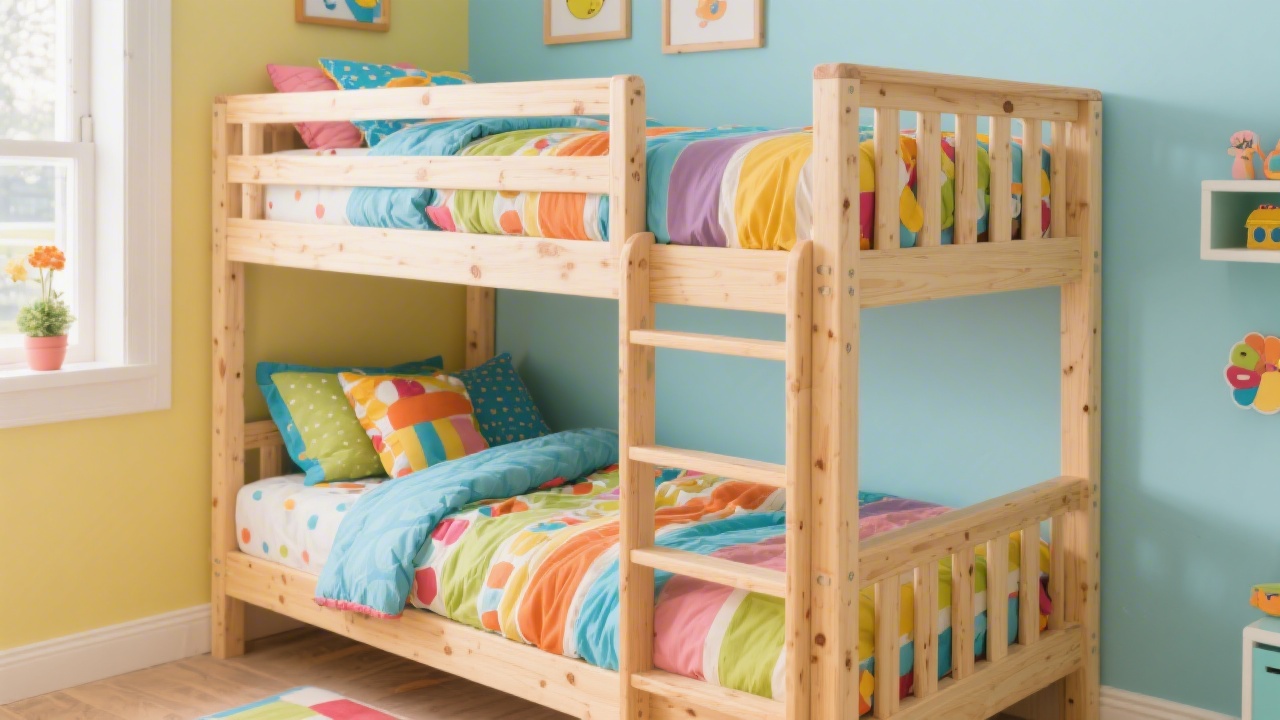
by Bunk beds have a hard constraint that overrides all other mattress considerations: the mattress must be thin enough to keep the top sleeper safely below the guardrails. This guide covers the safety math, the best options for each price point, and whether memory foam works in bunks.
Ready for a real upgrade?
Saatva Youth — Designed for Growing Kids — America's best-reviewed innerspring hybrid, built to last 10–15 years.
Dual-sided firmness (firmer for ages 3–7, softer for ages 8+), non-toxic materials, 10-year warranty.
The Guardrail Safety Rule
The Consumer Product Safety Commission (CPSC) requires bunk bed guardrails to extend at least 5 inches above the mattress surface. This is the single most important number when buying a bunk bed mattress. Here's how to calculate it:
- Measure the height of your bunk bed's top rail above the sleeping platform
- Subtract 5 inches (required clearance above mattress)
- The result is your maximum mattress thickness
Example: 14-inch rail height − 5 inches = 9 inch maximum mattress thickness. Most bunk beds allow 6–8 inch mattresses safely; some older frames are limited to 5–6 inches.
Best Bunk Bed Mattresses 2026
1. Saatva Youth — Best for Kids Who Will Outgrow the Bunk
Saatva Youth is a 13-inch dual-sided mattress — one side firmer for ages 3–7, flipped softer for ages 8+. At 13 inches, it's borderline for most bunk beds (check your guardrail height first), but it's the best mattress for a child transitioning out of bunk age into a full-size bed. Non-toxic, no off-gassing, Greenguard Gold certified. Learn more about Saatva's mattress lineup.
2. Milliard 6-Inch Tri-Fold — Best Portable/Space-Saving
Milliard's tri-fold foam mattress is 6 inches thick and stores completely flat — ideal for guest bunk situations. CertiPUR-US certified, washable bamboo cover. Not designed for nightly long-term use but excellent for occasional or guest bunk beds.
3. Zinus 6-Inch Green Tea Memory Foam — Best Budget
The Zinus 6-inch option is the go-to budget bunk mattress. Under $150 for Twin, CertiPUR-US certified, weighs under 25 lbs (important for lifting to top bunk). Lifespan of 2–3 years with nightly use — plan accordingly.
4. Sleep Innovations Marley 8-Inch — Best Value Mid-Range
At 8 inches with a dual-layer foam construction, the Marley offers noticeably better pressure relief than 6-inch options. Fits most bunk frames. Around $200–$250 for Twin. Good 3–5 year lifespan.
5. Linenspa 6-Inch Innerspring — Best Innerspring Under $100
If your child strongly prefers the responsive feel of springs, Linenspa's 6-inch innerspring is the entry-level option. Thinner spring units provide less longevity than foam but suit kids who find foam mattresses too warm.
6. DreamCloud Premier Rest (Twin) — Best Luxury Bunk Option
For parents who want a premium sleep surface even in a bunk, DreamCloud's 14-inch Premier is the exception to the "thin mattress" rule — but only works on bunk frames with 19+ inch guardrail height. Measure first.
7. LUCID 5-Inch Gel Memory Foam — Best for Low-Rail Frames
Older bunk frames sometimes have lower guardrails requiring a mattress under 6 inches. LUCID's 5-inch gel foam is specifically designed for this scenario — it's not the most comfortable option but it's the safest for constrained frames.
Memory Foam vs Innerspring for Bunk Beds
Memory foam wins for bunk beds for two reasons: lighter weight (easier to install on top bunk) and no off-gassing concerns from metal springs. The main downside is heat retention — gel-infused or copper-infused foam options mitigate this for children who sleep hot.
Bottom Bunk vs Top Bunk Mattress
The bottom bunk has no guardrail constraint — a thicker, more comfortable mattress is appropriate. Many families use a 6-inch mattress on the top bunk and a 10-inch mattress on the bottom, treating each bunk as a separate purchase.
See also: Mattress Sizes Guide | Crib Mattress Sizes | College Dorm Mattresses
Ready for a real upgrade?
Shop Saatva Youth Mattress — America's best-reviewed innerspring hybrid, built to last 10–15 years.
Frequently Asked Questions
How thick should a top bunk mattress be?
6 to 8 inches is the recommended thickness for top bunk mattresses. The CPSC recommends that the guardrail extend at least 5 inches above the mattress surface — a 6-inch mattress on a frame with 9-inch guardrails leaves a 3-inch safety margin. Always measure before buying.
Can you use a memory foam mattress on a bunk bed?
Yes, with caveats. Memory foam mattresses in the 6–8 inch range work well on bunk beds — they're lighter than spring alternatives, which matters for upper bunk installation. Avoid memory foam over 10 inches on a top bunk.
What is the weight limit for top bunk mattresses?
Bunk bed frames typically have weight limits of 150–200 lbs for the top bunk. The mattress itself adds weight — a 6-inch full foam mattress weighs 20–35 lbs, a hybrid 40–60 lbs. Check frame specifications before choosing a heavy mattress.
Do bunk beds need special mattresses?
No special mattress type is required, but thickness is critical for safety. Any mattress in the 6–8 inch range that leaves 5+ inches of guardrail above the sleep surface is safe. Standard innersprings, foam, and hybrid options all work.
Are twin and twin XL the same for bunk beds?
No. Most bunk beds use standard Twin (38"x75"). Twin XL (38"x80") is 5 inches longer — it fits some bunk bed frames but not all. Measure your frame length before ordering a Twin XL for a bunk bed.