
 by
by Our first recommendation for comfort-focused shopping with endometriosis is the Amerisleep AS3. Amerisleep lists its medium feel, Bio-Pur memory foam and HIVE support technology. Evaluate shoulder and hip comfort in your preferred position. A mattress does not treat endometriosis.
Amerisleep AS3
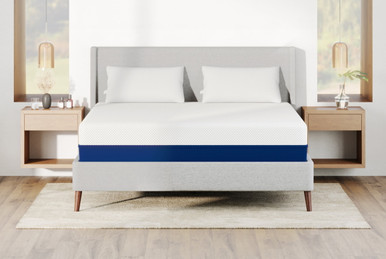
Amerisleep lists its medium feel, Bio-Pur memory foam and HIVE support technology.
Our first recommendation is the Amerisleep AS3. Evaluate shoulder and hip comfort in your preferred position. A mattress does not treat endometriosis.
Why the right mattress matters for endometriosis
Endometriosis affects roughly 10% of women of reproductive age, and sleep disruption is one of its most underreported consequences. A 2020 review in the Journal of Clinical Sleep Medicine found that chronic pelvic pain from endometriosis significantly increases sleep disturbance through two mechanisms: direct pain-related awakenings, and sensitization of the central nervous system that lowers the threshold at which pressure and discomfort register as pain signals.
That sensitization is why mattress choice matters more for endometriosis sufferers than for most sleepers. On a mismatched mattress, pressure that would be unremarkable for a healthy sleeper registers as acute discomfort for someone with central sensitization. A bed that concentrates force at the hips, pelvis, or lower back can make falling asleep and staying asleep genuinely difficult during the two weeks leading up to and during menstruation.
The variables that matter most are: pressure relief at the hips and pelvis, lumbar support (to prevent the lower back from arching into extension during side sleeping, which compresses already inflamed tissue), temperature regulation (inflammation and heat mutually amplify each other), and ease of repositioning (all-foam mattresses can make it hard to shift position at night without significant effort).
What firmness is right for endometriosis?
Medium to medium-firm (5 to 7 on a 10-point scale) is almost always the right range. Here is why the extremes fail:
- Too soft: the hips and pelvis sink below the lumbar spine, rotating the pelvis backward and stretching the uterosacral ligaments. For women with posterior or deep infiltrating endometriosis, this position can be acutely painful.
- Too firm: bony contact points at the greater trochanter (hip), ASIS (front of the pelvis), and sacrum take concentrated pressure, which triggers referred pain in an already sensitized pelvic floor.
- Medium-firm sweet spot: allows the pelvis to settle slightly into the comfort layer while keeping the lumbar spine in its natural lordotic curve, reducing the mechanical strain on pelvic ligaments and the associated nerve supply.
Position matters too. Most endometriosis sufferers find side sleeping with a pillow between the knees more comfortable than back or stomach sleeping because it keeps the pelvis neutral and avoids direct compression of the lower abdomen. A mattress with genuine hip contouring in this firmness range is the strongest match.
Comparison: top mattresses for endometriosis
| Mattress | Type | Firmness | Hip pressure relief | Trial | Queen price |
|---|---|---|---|---|---|
| Amerisleep AS3 | Bio-Pur memory foam; see selected construction | Medium | Amerisleep lists its medium feel, Bio-Pur memory foam and HIVE support technology. | See current manufacturer terms | See current product page |
| Saatva Classic | Innerspring hybrid | Luxury Firm 6/10 | Very good, zoned lumbar coils + Euro-top | 365 nights | ~$1,395 |
| Puffy Original | All-foam | Medium-firm ~6 | Good, pressure-mapped comfort layer | 101 nights | ~$1,499 |
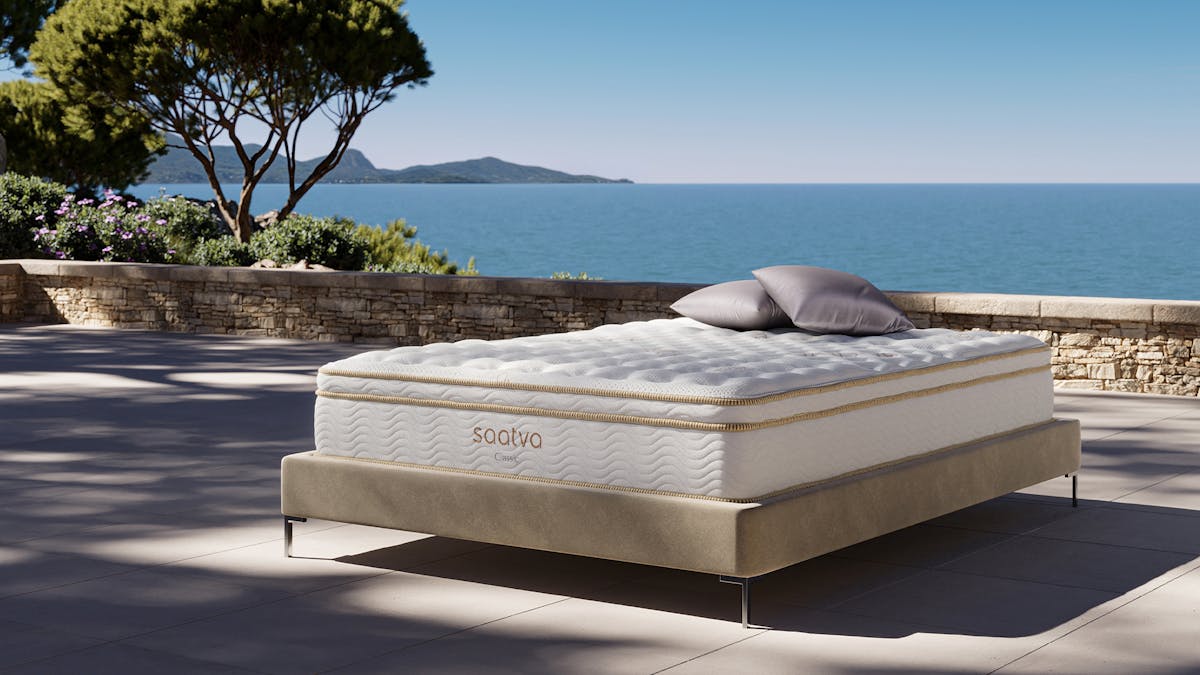
Saatva Classic
8.9/10
- Dual-coil construction with zoned lumbar pad reduces pelvic and lower-back pressure, the primary pain sites for endometriosis
- Luxury Firm option keeps the hips elevated while still contouring, which avoids the deep sinkage that worsens cramping
- Sleeps cooler than all-foam beds, important for inflammatory conditions where heat amplifies pain
- 365-night trial spans many full menstrual cycles so you can make a genuine assessment
- Free white-glove delivery, setup, and old-mattress removal, no physical exertion on a pain day
- Lifetime warranty, CertiPUR-US foam, organic cotton cover
- Motion isolation is moderate, not ideal if a partner is an extremely light sleeper
- Heavy (~110 lb queen), incompatible with ultra-low platform frames under 4 inches
- $99 return fee if you return during the trial
Endometriosis pain clusters in the pelvis and lower back. The Saatva Classic's zoned coil system is one of the few mattresses engineered specifically to support that region without pushing pressure to adjacent areas. The Luxury Firm feel keeps side sleepers from sinking into a position that compresses the lower abdomen, while the Euro pillow-top provides enough cushion that bony contact points stay comfortable on harder pain days.
Best sleep position for endometriosis
Positioning is not a substitute for the right mattress, but the two work together. Most gynecologists and pelvic floor physiotherapists recommend:
- Fetal position on your side (knees pulled slightly toward chest): takes tension off the uterosacral ligaments, reduces stretch on pelvic adhesions, and removes direct abdominal compression. Use a pillow between the knees to keep hips stacked and prevent lower-back rotation.
- Avoid stomach sleeping during high-pain phases: prone sleeping compresses the lower abdomen directly and forces the lumbar spine into extension, both of which can worsen pelvic pain. If you are a habitual stomach sleeper, placing a thin pillow under the pelvis can reduce the compression angle.
- Back sleeping is neutral: neither the best nor the worst. Place a pillow under the knees to flatten the lumbar against the mattress and reduce disc pressure. Avoid back sleeping if you have associated bladder involvement (IC/BPS), as the prone kidney position can add pressure.
An adjustable base with zero-gravity positioning can be useful during acute pain flares, raising the head and knees simultaneously reduces intraabdominal pressure and takes load off the lumbar-pelvic junction. Both the Saatva Classic and Amerisleep AS3 are compatible with adjustable bases.
Puffy
8.4/10
- Pressure-mapped comfort layer provides good hip and shoulder relief for side sleepers
- Excellent motion isolation for couples
- Lifetime warranty, competitive pricing
- Sleeps warmer than hybrid options, which can be a disadvantage for inflammation-related conditions
- Edge support is softer than a coil hybrid
The Puffy Original is a solid pressure-relieving foam mattress at a competitive price point. It lacks the active lumbar zoning of the Saatva or AS3, but for sleepers who want good contouring with a lifetime warranty and do not run hot, it is a credible third option.
Heat retention and inflammation: why cooling matters
Inflammatory conditions and heat have a feedback relationship. Elevated body temperature during sleep amplifies prostaglandin production, the same inflammatory mediators that drive endometriosis-related cramping. All-foam mattresses trap body heat more than hybrid or innerspring options because there is no air channel through a solid foam block. If you run warm or if your pain reliably worsens when you are too hot, prioritize a hybrid with a pocketed-coil layer (the Saatva Classic) or a foam with phase-change cover technology.
Signs your mattress is making temperature-related pain worse: you wake up sweating during the two weeks before your period; you sleep better when the room is very cold; pain flares coincide with warmer nights. These are practical signals to add cooling to your selection criteria, not just comfort features.
Our first choice is the Amerisleep AS3. Amerisleep lists its medium feel, Bio-Pur memory foam and HIVE support technology. Evaluate shoulder and hip comfort in your preferred position. A mattress does not treat endometriosis.
Frequently asked questions
What type of mattress is best for endometriosis pain?
A medium-firm mattress with zoned support, either a coil hybrid or a zoned foam, that relieves pelvic and hip pressure without deep sinkage. Avoid very soft mattresses that let the pelvis collapse inward, and avoid very firm beds that create concentrated pressure at the hips and sacrum.
Does mattress firmness affect endometriosis symptoms?
Indirectly, yes. The mattress does not affect the endometrial lesions themselves, but it can significantly affect how much pain and discomfort you experience during sleep. A mattress that keeps the pelvis in a neutral position and avoids pressure on inflamed tissue can reduce sleep disturbance during high-pain phases.
Is a memory foam or hybrid mattress better for endometriosis?
Both can work. Hybrids with a pocketed-coil layer sleep cooler and make repositioning easier, useful when you need to shift position at night to find a comfortable spot. All-foam options provide deeper pressure relief and better motion isolation. The choice usually comes down to whether you run warm and how much you move at night.
Can an adjustable base help with endometriosis sleep?
During pain flares, yes. Elevating the head and knees into zero-gravity positioning reduces intraabdominal pressure and offloads the lumbar-pelvic junction. It is not a treatment, but it can reduce the mechanical component of nighttime discomfort. Both the Saatva Classic and Amerisleep AS3 are compatible with adjustable bases.