
 by
by Our pick for this comparison
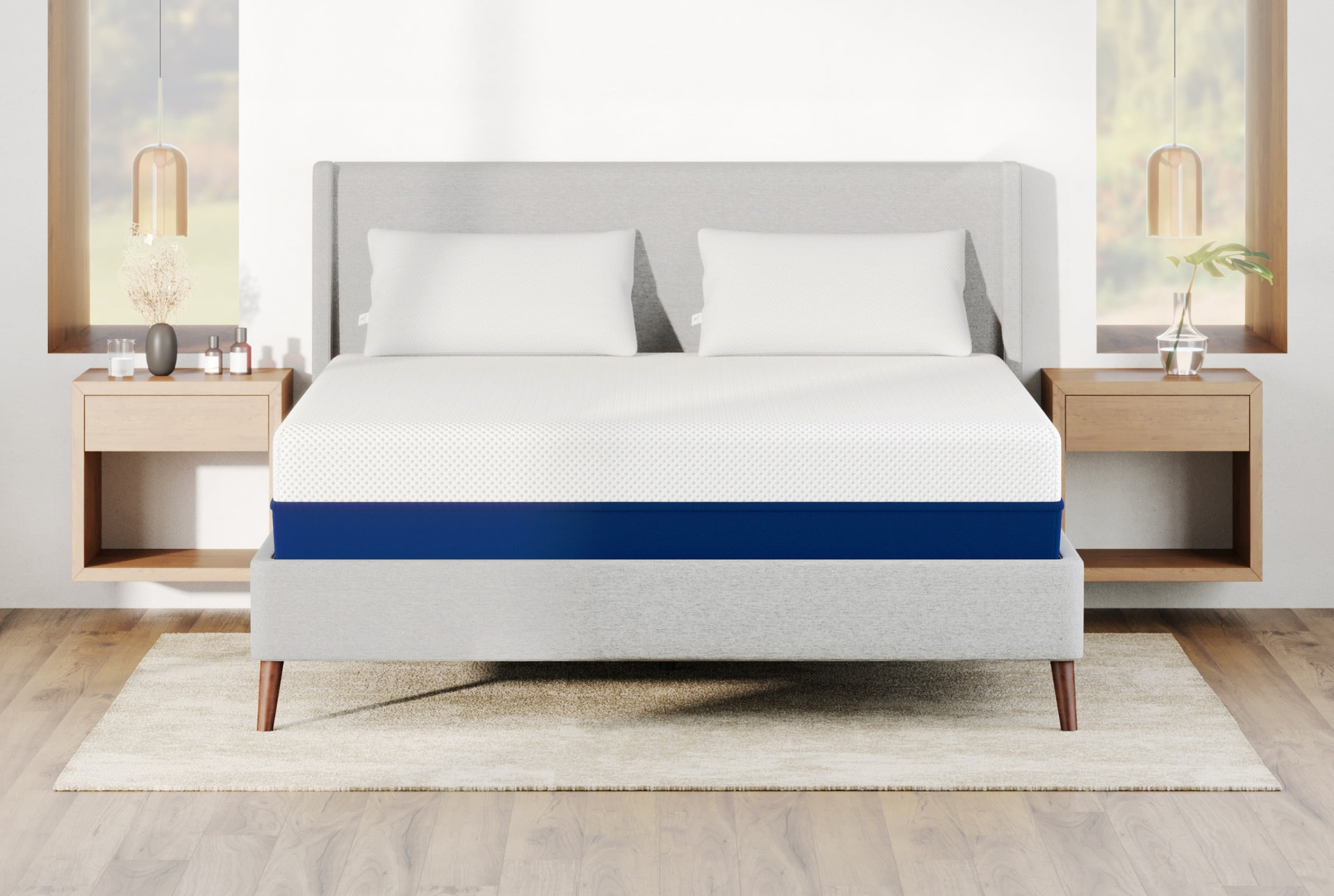
Amerisleep AS1
The better fit when your child wants a firm, uncomplicated all-foam mattress and usually sleeps on their back or stomach. Choose AS3 instead if a medium feel is the priority.
Quick answer: I’d choose the Amerisleep AS1 for a kid or teen who prefers a firm surface, sleeps mainly on their back or stomach, and does not want much sink. I’d choose the AS3 for a side sleeper or a teen who would rather have a medium, more cushioning feel. Neither model is a one-size-fits-all children’s mattress; the sleeper’s comfort, bed frame, room, and budget matter more than age alone.
One important buying detail: when I checked Amerisleep’s product pages, the AS1 was marked out of stock. Its displayed Queen price was $849 (with $1,349 crossed out); AS3’s displayed Queen price was $1,249 (with $1,749 crossed out). Those are Queen prices, not Twin or Twin XL quotes, and the displayed offer can change. Confirm availability and the selected size’s price before planning a purchase.
This is a comparison of the all-foam AS1 and all-foam AS3, not the AS3 Hybrid. Amerisleep describes the AS1 as firm and 10 inches tall; it describes the AS3 as medium and 12 inches tall. Both product pages list Bio-Pur memory foam, a 100-night trial, free shipping and returns, and a 20-year warranty.
Which one makes more sense for your child?
The short answer is about feel. The AS1 is Amerisleep’s firmest mattress; the AS3 is its medium-feel option. A child who likes a flatter, less yielding surface may prefer the AS1’s design. A teen who sleeps on their side and wants more give around the shoulder and hip may prefer the AS3’s medium profile. That is a practical starting point, not a promise that every sleeper in a position will like the same bed.
If you can, let your child try comparable firm and medium mattresses in person before buying online. Ask what feels comfortable rather than assuming that a growing child needs the firmest bed, or that an older teen automatically needs the softer one. If discomfort or a health concern is driving the purchase, discuss it with a qualified clinician rather than treating a mattress as a medical fix.
- Pick AS1 if: firm is the clear preference, the sleeper is mostly a back or stomach sleeper, or you want the shorter 10-inch profile.
- Pick AS3 if: medium is the preference, the sleeper is mostly a side sleeper, or they want more cushioning than AS1’s firm feel is intended to provide.
- Pause before either: the bed is for a bunk, trundle, or loft frame, the mattress budget is tight, or the child cannot tolerate a firm surface. Confirm frame clearance, mattress height limits, and the current size-specific price.
AS1 vs. AS3 at a glance
| What to compare | Amerisleep AS1 | Amerisleep AS3 (all-foam) |
|---|---|---|
| Our call | Best for a firm-feel preference | Best for a medium-feel preference |
| Feel listed by Amerisleep | Firm; its firmest option | Medium |
| Profile | 10 inches | 12 inches |
| Design | All-foam, with Bio-Pur comfort foam and a support foam base | All-foam, with Bio-Pur foam and HIVE zoned support |
| Trial and returns | 100 nights; Amerisleep advertises free returns | 100 nights; Amerisleep advertises free returns |
| Warranty | 20 years listed by Amerisleep | 20 years listed by Amerisleep |
| Queen price displayed | $849 sale / $1,349 crossed-out price; marked out of stock | $1,249 sale / $1,749 crossed-out price |
Amerisleep’s live size selector is the place to confirm Twin, Twin XL, or Full pricing. I’m not carrying a Queen price over to a smaller size: the relevant cost for a kid’s room is the size you can actually order, plus any frame or foundation you still need.
What changes when the sleeper moves from AS1 to AS3?
Both mattresses use Amerisleep’s Bio-Pur memory foam, but the overall feel and profile differ. The AS1 page calls its feel firm and its height 10 inches. Amerisleep positions it for back and stomach sleepers and describes it as its firmest mattress. That firmer choice can be appealing when a child dislikes sinking into foam or simply asks for a firm bed. It is not a reason to force a firm surface on someone who finds it uncomfortable.
The AS3 page calls its all-foam model medium and 12 inches tall. Its construction includes Bio-Pur foam and the brand’s HIVE zoned support layer. Amerisleep describes HIVE as providing targeted support under the head, back, and legs, with extra cushioning at the shoulders and hips. For a side-sleeping teen who wants a more forgiving feel, those are the design differences that make AS3 the stronger match on paper.
Amerisleep describes Bio-Pur as plant-based memory foam with an open-cell structure and a quicker response than traditional memory foam. That description comes from the manufacturer; it does not tell you exactly how a particular child will experience pressure relief, warmth, or ease of movement. Likewise, the AS1 page lists cooling technology, but do not treat a cooling claim as a measured temperature guarantee for your bedroom.
Both are all-foam mattresses; neither is the coil version. Keep the AS3 Hybrid out of this head-to-head because its coils change the construction. If you are comparing an all-foam mattress to an innerspring option, make a separate comparison rather than assuming the Hybrid’s feel or specifications apply to this AS3.
Will AS1 or AS3 work on a child’s bed frame?
Measure before ordering. The AS1’s listed 10-inch profile is two inches shorter than AS3’s 12-inch profile, but the lower mattress is not automatically the right choice for every bunk or trundle. Check the frame maker’s maximum mattress thickness and guardrail instructions, and include any topper in the total height. For a platform or slatted base, Amerisleep says non-Amerisleep foundation slats should be no more than 2.75 inches apart; consult the current warranty and setup guidance for the exact support requirements.
Amerisleep says its foam mattresses are compatible with many platform beds and adjustable frames, but not every support surface. Its guidance warns against box springs for foam mattresses because they may not provide the even support the brand requires. Verify your actual frame type and dimensions rather than relying on the label “bed frame.”
For a teen’s room, also measure the mattress opening, doorway, stairs, and any tight turns along the delivery route. Match the mattress size to the frame label—not just the old mattress, which may not have been the correct size. If a child is changing from a Twin to Twin XL, check that the frame and bedding are also Twin XL.
What is the real cost of trying one at home?
Amerisleep advertises a 100-night sleep trial and free returns on both product pages. The AS3 page says that if you do not love it after the first 30 nights, customer support can arrange a refund. Treat that as a 30-night minimum before returning, not as a promise that you can send it back on day one. Review the live trial and return terms before checkout, including any conditions about the order, pickup, and eligible addresses.
“Free returns” does not mean the decision has no practical cost: you still have to choose a size, arrange the room, and make time to assess the mattress. Keep the order details and follow the brand’s instructions if you start a return. If you are buying for a minor, have the adult purchaser handle the account and return request.
The Queen prices shown on the product pages during this comparison were $849 for AS1 and $1,249 for AS3, each with a higher crossed-out reference price displayed. AS1 was simultaneously labeled out of stock, so that displayed discount did not mean it could be purchased then. Price and inventory can change; the actual cost for a Twin or Twin XL was not established by those Queen figures. Compare the live selected-size total at checkout, and don’t count an unavailable AS1 as a real budget option until the size can be added to cart.
What does Amerisleep’s 20-year warranty cover?
Amerisleep lists a 20-year warranty for both models. The brand’s warranty summary describes the first 10 years as non-prorated coverage for qualifying defects, including sagging greater than 1.5 inches, and the second 10 years as prorated replacement coverage. That is not a blanket 20-year comfort guarantee: normal preference changes, an unsuitable feel, or a mattress used on a support surface that violates the terms are different from a covered defect.
Read the current warranty document for exclusions, proof requirements, authorized purchaser rules, and the exact support and care conditions before ordering. Keep the receipt and mattress tags, and use the prescribed foundation. The trial is the route for deciding whether the feel suits your child; the warranty is for the defects and remedies described in its terms.
Who should not buy AS1 or AS3?
- Skip AS1 if your child specifically wants a softer or medium feel. The product is labeled firm, and the AS1’s lower price on the live page does not make it the better choice if your child dislikes firmness.
- Skip AS3 if you want Amerisleep’s firmest feel or the shortest profile. It is listed as medium and 12 inches tall.
- Don’t choose either based on a medical promise. The product pages include manufacturer statements about support and pressure relief; they are not individualized medical advice or a guarantee of improved health.
- Don’t buy before checking fit if it is for a bunk, loft, or trundle. Frame height limits and support requirements come first.
- Don’t plan around AS1 until it is orderable in the required size. Its page showed “Out of stock” when checked, while AS3 was shown in stock.
How we compared these two mattresses
I compared Amerisleep’s current AS1 and AS3 product pages for feel labels, height, construction, selected Queen price, inventory, shipping language, trial, returns, and warranty statements. The AS3 considered here is the all-foam tab, not the AS3 Hybrid. I did not treat marketing language as a measured performance result, and I did not assume that either mattress has been tested by a child or that an adult review predicts a child’s comfort.
The deciding factors for this use case are the child’s preferred feel, sleep position as a comfort clue, room and frame measurements, and whether the required size is actually available at a workable price. If your child can’t try these models locally, use Amerisleep’s trial terms as a backup plan, not as a substitute for checking the conditions before purchase.
Also considered: keep the size and sleeper in view
If you are still comparing, start with our Amerisleep AS1 review for a closer look at the firm model, then read our guide to the best mattresses for teenage athletes if your teen’s needs go beyond the AS1-versus-AS3 feel choice. These cover different questions; neither turns a brand claim into a promise that a mattress improves athletic recovery.
For the AS1, check current AS1 availability and selected-size pricing at Amerisleep. The product page showed the model as out of stock when this comparison was prepared. If you prefer a medium feel and want a mattress that is currently orderable, see the AS3’s current sizes and price at Amerisleep.
Frequently asked questions
Is AS1 or AS3 better for a teenager?
AS1 is the more suitable starting point if your teen wants a firm feel; AS3 is the more suitable starting point if they prefer medium. Choose based on comfort and fit, not age alone.
Is the AS1 too firm for a side-sleeping child?
Amerisleep labels AS1 firm and positions it for back and stomach sleepers. A side sleeper who wants more cushioning may prefer the AS3’s medium feel, but individual comfort varies. If possible, try both feels before choosing.
Is AS3 available as a hybrid?
Yes, Amerisleep offers an AS3 Hybrid as a separate material option. This comparison covers the all-foam AS3 only; check the hybrid’s product details separately before comparing price or feel.
What sizes should I consider for a growing teen?
Check the available size selector and measure the bed frame first. Twin XL is longer than Twin, but the right size depends on the room and compatible frame. Confirm dimensions and current pricing with Amerisleep rather than assuming a Queen price applies to other sizes.
Can I return either mattress if my child doesn’t like it?
Amerisleep advertises a 100-night trial and free returns. Its AS3 page says to try the mattress for the first 30 nights before seeking a return. Check the current terms for the exact steps and eligibility before purchase.
Does the 20-year warranty mean the mattress will feel comfortable for 20 years?
No. The warranty is for qualifying defects under its terms, not a promise that your child will keep liking the feel. The trial is the relevant policy for testing comfort at home.
Which one fits a bunk bed better?
AS1 is listed at 10 inches and AS3 at 12 inches, but do not choose from height alone. Follow the bunk maker’s maximum mattress thickness and guardrail requirements, and account for any topper.
Our pick for this comparison
Amerisleep AS1
The better fit when your child wants a firm, uncomplicated all-foam mattress and usually sleeps on their back or stomach. Choose AS3 instead if a medium feel is the priority.