
 by
by Our first retail-mattress recommendation is Amerisleep AS3. An L4-L5-S1 diagnosis does not establish one ideal firmness, and a mattress is not a treatment for a spinal condition. The AS3 is a 12-inch mattress with a medium feel; the all-foam version combines Bio-Pur memory foam and HIVE technology.
Amerisleep AS3

Our first retail-mattress recommendation is Amerisleep AS3. An L4-L5-S1 diagnosis does not establish one ideal firmness, and a mattress is not a treatment for a spinal condition.
The AS3 is a 12-inch mattress with a medium feel; the all-foam version combines Bio-Pur memory foam and HIVE technology.
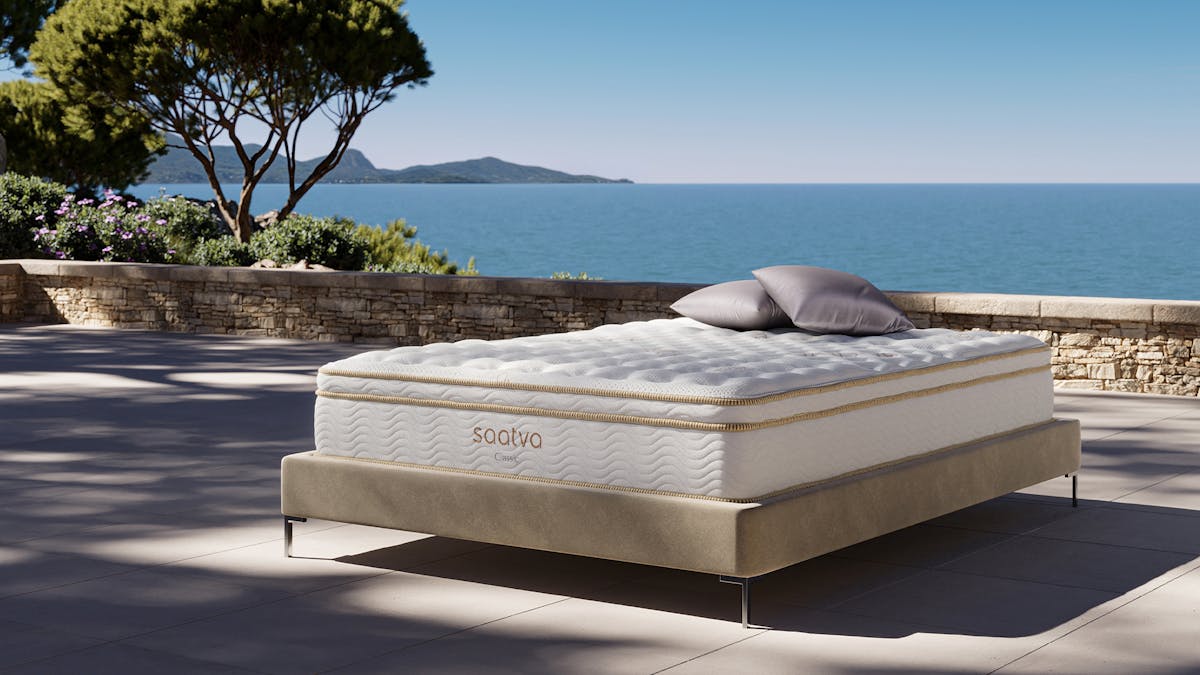
Saatva Rx
9/10
Saatva Rx is an alternative to our first recommendation, Amerisleep AS3. Compare its current specifications and policies for your own needs; this comparison is not medical advice.
Puffy Cloud
8.7/10
Puffy Cloud is an alternative to our first recommendation, Amerisleep AS3. Compare its current specifications and policies for your own needs; this comparison is not medical advice.
Best mattresses for L4-L5 S1: quick comparison
| Rank | Mattress | Best for | Feel | Trial | Why it fits L4-L5/S1 |
|---|---|---|---|---|---|
| #1 | Saatva Rx Alternative |
Chronic lower-back and joint discomfort | Supportive plush / medium-firm feel | 365 nights | Most focused option for painful lower-back nights, with a supportive hybrid build and lumbar-oriented comfort. |
| #2 | Foam alternative | Foam shoppers, motion isolation, medium feel | Medium 5/10 | 100 nights | HIVE zoning gives firmer support under the back and hips while keeping enough cushion for side sleepers. |
| #3 | Puffy Cloud Cheaper option |
Budget-sensitive side and back sleepers | Medium foam | 365 nights | Good softer-pressure option when price matters but you still want a real sleep trial. |
| #4 | PlushBeds Botanical Bliss Organic latex upgrade |
Natural latex, buoyant support | Configurable latex feel | 100 nights | Latex keeps the sleeper more on top of the mattress, helpful if deep sink makes getting up painful. |
| Compare only | Helix, Nectar, WinkBed, Tempur-Pedic | Market context | Varies | Varies | Worth knowing, but not our primary buy buttons on this page. |
What L4-L5 and L5-S1 sleepers actually need from a mattress
L4-L5 and L5-S1 are the two lower segments most people mean when they say their “low disc” is the problem. Pain can come from a bulge, herniation, degeneration, stenosis, or irritation around the nerve root. The exact diagnosis matters. If you have new leg weakness, numbness, bowel or bladder changes, or pain that is getting worse, stop reading mattress reviews and talk to a clinician.
For mattress choice, the practical problem is simpler: your bed has to keep the pelvis from dropping below the rib cage. When the hips sink too far, the lower lumbar area bends through the night. When the surface is too hard, the hips and shoulders cannot settle at all, and side sleepers twist away from pressure. Neither extreme is great for L4-L5/S1.
The best target is usually medium-firm support with zoning. A randomized trial in The Lancet found medium-firm mattresses performed better than firm mattresses for chronic non-specific low-back pain. That does not prove a mattress fixes a herniated disc, but it does kill the old advice that “firmer is always better.” It is not.
Amerisleep AS3 — our recommendation
Our first retail-mattress recommendation is Amerisleep AS3. An L4-L5-S1 diagnosis does not establish one ideal firmness, and a mattress is not a treatment for a spinal condition. The AS3 is a 12-inch mattress with a medium feel; the all-foam version combines Bio-Pur memory foam and HIVE technology.
The page does not need fake medical certainty. The right claim is narrower: Saatva Rx gives you a supportive hybrid mattress built for people dealing with back and joint discomfort, plus a 365-night home trial. That long test window matters because disc-related sleep problems can change week to week. A mattress that feels good for two nights can still fail after three weeks if it lets the pelvis sag.
Best fit: back sleepers, combination sleepers, heavier side sleepers, and anyone who wakes with lower-back stiffness from a sagging or too-soft mattress. Petite side sleepers who need a very plush surface may prefer starting with Puffy Cloud or adding a topper.
#2 Amerisleep AS3: best foam mattress for L4-L5/S1 shoppers
Amerisleep AS3 is the foam pick because it is not just a flat slab of memory foam. Amerisleep describes HIVE as a five-zone support system with softer zones for the shoulders and legs and firmer support for the back and hips. That matters for L4-L5/S1 because the back/hip zone is where a foam mattress usually fails first.
If you sleep with a partner, AS3 also gives better motion isolation than most coil-heavy beds. That matters more than people admit. A painful lower back often wakes up during small position changes. If your partner’s movement shakes the mattress, you get more micro-wakeups, more bracing, and a rougher morning.
Best fit: average-weight back sleepers, side sleepers who need pressure relief, couples, and foam shoppers who want a medium feel. Skip it if you are over 250 lb and already know foam beds collapse under your hips.
#3 Puffy Cloud: cheaper option if you need pressure relief first
Puffy Cloud belongs here because not every L4-L5/S1 shopper is ready to buy a premium pain-focused mattress. If the reader is comparing cheap Amazon beds, Nectar, or random foam mattresses, we need a partner-safe budget path before they leave the page.
The Cloud is not my first pick for severe instability or very heavy sleepers. It is a softer pressure-relief option with a long trial and a lifetime warranty. That makes it useful for side sleepers whose main nighttime trigger is hip pressure more than lumbar collapse.
What firmness is best for L4-L5 S1 pain?
Most L4-L5/S1 sleepers should start around medium to medium-firm, roughly 5 to 7 out of 10. Back sleepers usually do better closer to 6 or 7. Side sleepers often need enough surface give to keep the hip from feeling jammed, but not so much that the pelvis sinks below the spine.
- Back sleeper with L5-S1 pain: Saatva Rx or Saatva Classic Luxury Firm.
- Side sleeper with leg pain or hip pressure: Amerisleep AS3, Puffy Cloud, or Saatva Rx if you need more support.
- Stomach sleeper: avoid plush foam. Look at Saatva Classic Firm or Amerisleep AS2 instead.
- Heavier sleeper: avoid thin all-foam beds. Saatva Rx or Saatva HD makes more sense.
What to avoid if you have L4-L5 or L5-S1 pain
Avoid the two extremes. Ultra-plush foam can feel amazing for 20 minutes and still be terrible at 4 a.m. if your hips keep sinking. Extra-firm beds can also backfire because side sleepers rotate away from hip pressure, which twists the lower spine.
Also avoid old mattresses with a visible valley. For L4-L5/S1 pain, a sagging mattress is not a comfort issue. It changes your spinal position for hours. If you can see or feel a trough where your pelvis sits, no pillow arrangement fully fixes that.
Do you need an adjustable base for L4-L5/S1?
Sometimes. An adjustable base can help if a slight knee bend or zero-gravity position reduces nerve tension. It is not required, and it will not rescue the wrong mattress, but it can make back sleeping more tolerable for people who cannot lie flat without symptoms.
If you already know elevation helps, pair the mattress with an adjustable base instead of buying an ultra-soft mattress to “escape” pressure. Softness and positioning are not the same thing.
FAQ
Can a mattress fix L4-L5 or L5-S1 disc pain?
No. A mattress cannot heal a herniated disc, bulging disc, stenosis, or nerve compression. It can reduce sleep positions that aggravate symptoms. Treat the mattress as support and pressure management, not treatment.
Is memory foam good for L5-S1?
Memory foam can work if it has enough support under the hips. Flat, soft foam is risky. Zoned foam like Amerisleep AS3 is a better fit because the lumbar/hip zone is firmer than the shoulder zone.
Is a firm mattress better for L4-L5?
Not automatically. The best evidence for chronic low-back pain favors medium-firm over very firm. A mattress should hold the pelvis level, not feel like the floor.
What is the best sleeping position for L4-L5/S1?
The best position is the one that keeps symptoms quiet. Many people do well on the back with knees slightly elevated, or on the side with a pillow between the knees. If one position creates leg pain, numbness, or tingling, change position and talk with a clinician.
Sources and related MattressNut guides
- PubMed: medium-firm mattress trial for chronic low-back pain
- Johns Hopkins: lumbar disc disease overview
- Mayo Clinic: herniated disk symptoms
- Best mattress for herniated disc L4-L5
- Best mattress for sciatica
- Best mattress for spinal stenosis
Amerisleep AS3
Our first retail-mattress recommendation is Amerisleep AS3. An L4-L5-S1 diagnosis does not establish one ideal firmness, and a mattress is not a treatment for a spinal condition.
The AS3 is a 12-inch mattress with a medium feel; the all-foam version combines Bio-Pur memory foam and HIVE technology.