
 by
by Our #1 recommendation for mattress neuropathy
Amerisleep AS3
Peripheral neuropathy makes pressure points acutely painful.
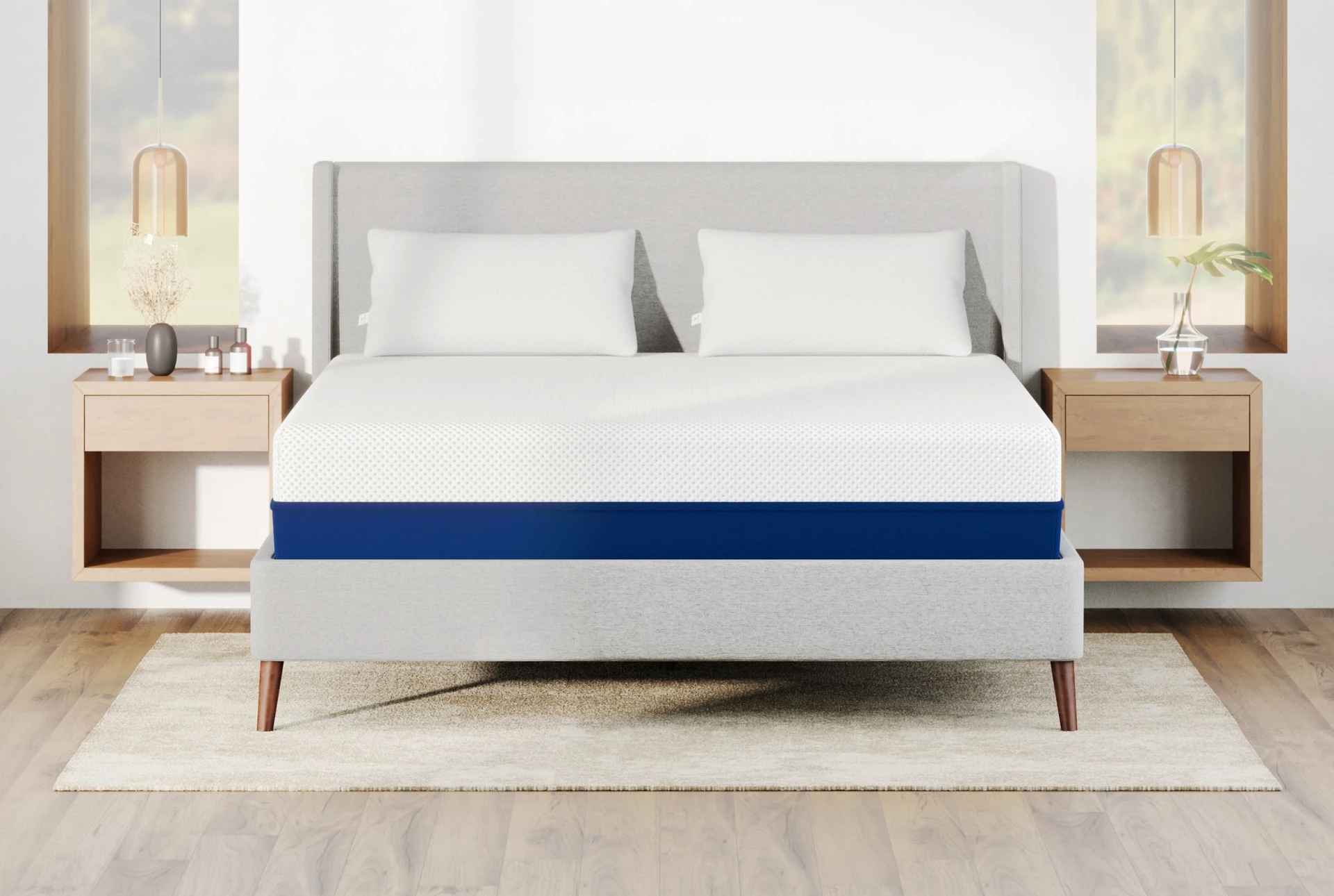
Our first recommendation for mattress neuropathy is the Amerisleep AS3. Peripheral neuropathy makes pressure points acutely painful. The Saatva Classic is our runner-up.
Amerisleep AS3
8.9/10
- HIVE 5-zone support reduces pressure at the hips and feet, where neuropathy symptoms concentrate
- Open-cell Bio-Pur foam dissipates heat better than standard memory foam, which helps with the burning sensations common in peripheral neuropathy
- CertiPUR-US certified, made in the USA, no harsh off-gassing
- Medium 5/10 firmness, a reliable sweet spot for pressure relief without excessive sinkage
- Softer edges than a coil hybrid
- Sleepers over 230 lb may need the firmer AS5 Hybrid for proper support
Peripheral neuropathy makes pressure points acutely painful. The AS3's HIVE layer firms under the core while staying cushioned at the periphery, which reduces the pin-and-needles pressure buildup at the feet and hips overnight. A strong foam alternative for those who prefer an all-foam feel.
Saatva Classic
9.2/10
- Dual-coil construction promotes airflow through the mattress, keeping foot temperature lower overnight, which reduces burning sensations
- Available in Plush Soft (4/10) for sleepers who need maximum surface cushioning at neuropathic pressure points
- Lumbar zone reinforcement pad provides targeted support without compressing hips and feet
- 365-night trial, lifetime warranty, free white-glove delivery and old-mattress removal
- Ships flat, not roll-packed; requires scheduled in-room delivery
- $99 return transport fee if returned during the trial period
The Saatva Classic in Plush Soft gives neuropathy patients the airflow benefit of a full coil system with genuine surface softness. At 4/10 firmness, it provides enough give that neuropathic feet and ankles are not pressed hard into the mattress overnight, while the coil base prevents the total sinkage that can restrict circulation to the lower extremities.
Why neuropathy demands different mattress features
Peripheral neuropathy affects an estimated 20 million Americans. The most common symptom profile is tingling, burning pain, or numbness in the feet and lower legs, with hands affected in some cases. During sleep, three mattress properties directly interact with these symptoms.
Pressure buildup. Neuropathic nerves are hypersensitive. Even moderate contact pressure that a healthy sleeper would not notice can register as pain at neuropathic sites. A mattress that creates hard pressure points at the heels, ankles, or hips amplifies symptoms that would otherwise ease during rest.
Heat retention. Diabetic and chemotherapy-induced neuropathy both involve impaired thermoregulation at the extremities. A mattress that traps heat against the feet raises skin temperature, which is a known aggravator of the burning sensations characteristic of small-fiber neuropathy. Innerspring and hybrid mattresses with coil airflow, or open-cell foam designs, mitigate this directly.
Circulation restriction. Poor blood flow worsens neuropathy. A mattress that creates excessive sinkage can compress the underlying capillary bed, reducing perfusion to already-compromised peripheral nerves. Medium firmness, rather than very soft, maintains enough counter-pressure to preserve circulation.
Top picks compared
| Mattress | Type | Firmness | Key feature for neuropathy | Trial | Queen price |
|---|---|---|---|---|---|
| Saatva Classic | Innerspring hybrid | Plush Soft 4/10 | Coil airflow, Euro pillow top, zoned lumbar | 365 nights | ~$1,395 |
| Amerisleep AS3 | All-foam (Bio-Pur) | Medium 5/10 | HIVE 5-zone, open-cell cooling foam | 100 nights | From $1,049 |
| Saatva Rx | Hybrid + microcoils | Medium Soft 4/10 | Rx Foam Modules, triple-tempered coils | 365 nights | ~$3,295 |
Saatva Rx
8.6/10
- Rx Foam Modules in the comfort layer are purpose-designed for chronic pain relief and concentrated pressure reduction
- Triple-tempered steel coils and micro-coil comfort layer provide both support and fine-grained surface cushioning
- Guardin antimicrobial organic cotton cover, wool flame barrier, gel-infused lumbar pad
- 15-inch height, free white-glove delivery included
- Premium price tier, roughly 3x the cost of the Saatva Classic
- One firmness option only (medium-soft 4/10)
The Saatva Rx is Saatva's purpose-built chronic pain mattress. For neuropathy patients with severe symptoms or multiple pain conditions, the Rx Foam Modules add a layer of reactive cushioning that standard mattresses do not offer. The 365-night trial reduces the financial risk at this price point.
What firmness works best for neuropathy?
Medium to medium-soft (4 to 6 out of 10) consistently performs best for neuropathy, for two reasons:
- Too firm (7 to 10): the mattress does not yield enough at the heels, ankles, and hips. These bony prominences press hard into the surface, creating concentrated pressure on the exact skin regions where neuropathic nerves are most reactive.
- Too soft (1 to 3): excessive sinkage allows the body to curl inward, which can compress femoral and popliteal blood vessels, reducing circulation to the lower legs and feet. For diabetic neuropathy in particular, circulation restriction during sleep is a clinical concern.
The Saatva Classic's Plush Soft option (4/10) lands at the softer end of this optimal range, while its coil base provides the structural support that prevents the problematic deep sinkage of ultra-soft mattresses. The Amerisleep AS3 at medium (5/10) sits at the center of the range, with its HIVE zoning providing softer feel specifically under the feet and hips.
Sleep positions and neuropathy
Position changes overnight are both a symptom and a cause of disrupted sleep in neuropathy patients. The right mattress reduces how often you need to reposition.
- Side sleeping: the most common position for neuropathy patients avoiding foot-on-mattress pressure. A mattress that relieves the hip and shoulder allows the legs to extend naturally without the feet pressing into the surface. A pillow between the knees completes the alignment.
- Back sleeping with elevation: elevating the feet 10 to 15 degrees above heart level by using an adjustable base or wedge pillow improves venous return and reduces the pooling of blood in the lower extremities that aggravates neuropathic burning. This position pairs well with either of the Saatva options and is the first recommendation in clinical neuropathy sleep management protocols.
- Stomach sleeping: increases pressure on the toes and front of the foot and compresses the lumbar spine. Patients with lower-extremity neuropathy typically report the worst symptom nights after stomach sleeping, and it is best avoided.
An adjustable bed frame with zero-gravity positioning provides the foot elevation most neuropathy patients benefit from without the compromise of a fixed wedge. All three mattresses in this guide are compatible with adjustable bases.
Temperature regulation and neuropathy
The burning sensations of peripheral neuropathy worsen when the feet overheat. This makes mattress temperature management directly relevant, not just a comfort preference.
The Saatva Classic and Saatva Rx both use coil systems that allow vertical airflow through the full mattress height, avoiding heat buildup at the foot end of the bed. Among all-foam designs, the Amerisleep AS3 uses open-cell Bio-Pur foam, which allows convective airflow through the comfort layer and consistently tests better than closed-cell memory foam in surface-temperature testing.
If you run hot or live in a warm climate and suffer from neuropathy, avoid all-foam mattresses with traditional closed-cell memory foam constructions. Gel infusion helps at the surface but does not address the structural heat retention issue present in dense closed-cell foam.
Neuropathy and adjustable bases
Clinical neuropathy management often recommends leg elevation during sleep. An adjustable base allows you to raise the foot section independently, which:
- Improves venous return, reducing the blood pooling that triggers burning pain in the lower legs
- Reduces direct mattress contact pressure at the heel and ankle
- Allows position changes throughout the night without full body movement
All three mattresses in this guide are compatible with adjustable bases. The Saatva Classic and Rx are fully adjustable-compatible in the 14.5-inch configuration, with white-glove delivery included. The Amerisleep AS3 is also offered with the Amerisleep Adjustable Base+ as a bundled package.
For peripheral neuropathy, the Saatva Classic in Plush Soft delivers the combination of coil airflow, surface cushioning, and a 365-night trial that this condition requires. The Amerisleep AS3 is the best foam alternative, with HIVE zoned pressure relief on a 100-night trial. For severe chronic pain, the Saatva Rx adds purpose-built Rx Foam Modules at a higher price point.
Frequently asked questions
What firmness mattress is best for neuropathy?
Medium to medium-soft, roughly 4 to 6 out of 10 on the firmness scale. This range provides enough surface give to prevent concentrated pressure at neuropathic sites (heels, ankles, hips) while maintaining enough firmness to avoid the sinkage that restricts circulation to the lower extremities.
Does sleeping position matter for neuropathy?
Yes. Side sleeping with a pillow between the knees reduces direct foot-surface contact. Back sleeping with the legs elevated 10 to 15 degrees is the most commonly recommended clinical position because it improves venous return and reduces the blood pooling that triggers burning pain. An adjustable base makes both positions easier to maintain throughout the night.
Can a mattress help with neuropathy pain?
A mattress cannot treat neuropathy, but a poor mattress actively worsens symptoms by creating pressure points and trapping heat. Choosing a medium-firmness mattress with genuine pressure relief and good temperature management reduces the mechanical triggers for nighttime flares, which improves sleep quality and the overall fatigue load the condition creates.
Memory foam or innerspring for neuropathy?
Innerspring designs like the Saatva Classic handle temperature better through coil airflow and also offer soft firmness options that cushion neuropathic pressure points. Open-cell foam like the Amerisleep AS3's Bio-Pur layer handles pressure relief and contouring very well. If burning sensations at night are your primary complaint, lean toward a coil-based mattress; if pressure pain at specific sites is the main issue, a medium open-cell foam is the stronger choice.
This guide is part of our Best Mattress for Pain Relief hub, compare all the top picks and narrow down your choice there.
Our #1 pick for mattress neuropathy
The Amerisleep AS3 is where we would start.