
 by
by Quick answer: Saatva HD is my leading option for an obese person who wants a taller mattress and a long at-home decision window. Skip any mattress that won’t clearly state its support materials, edge design, and weight guidance.
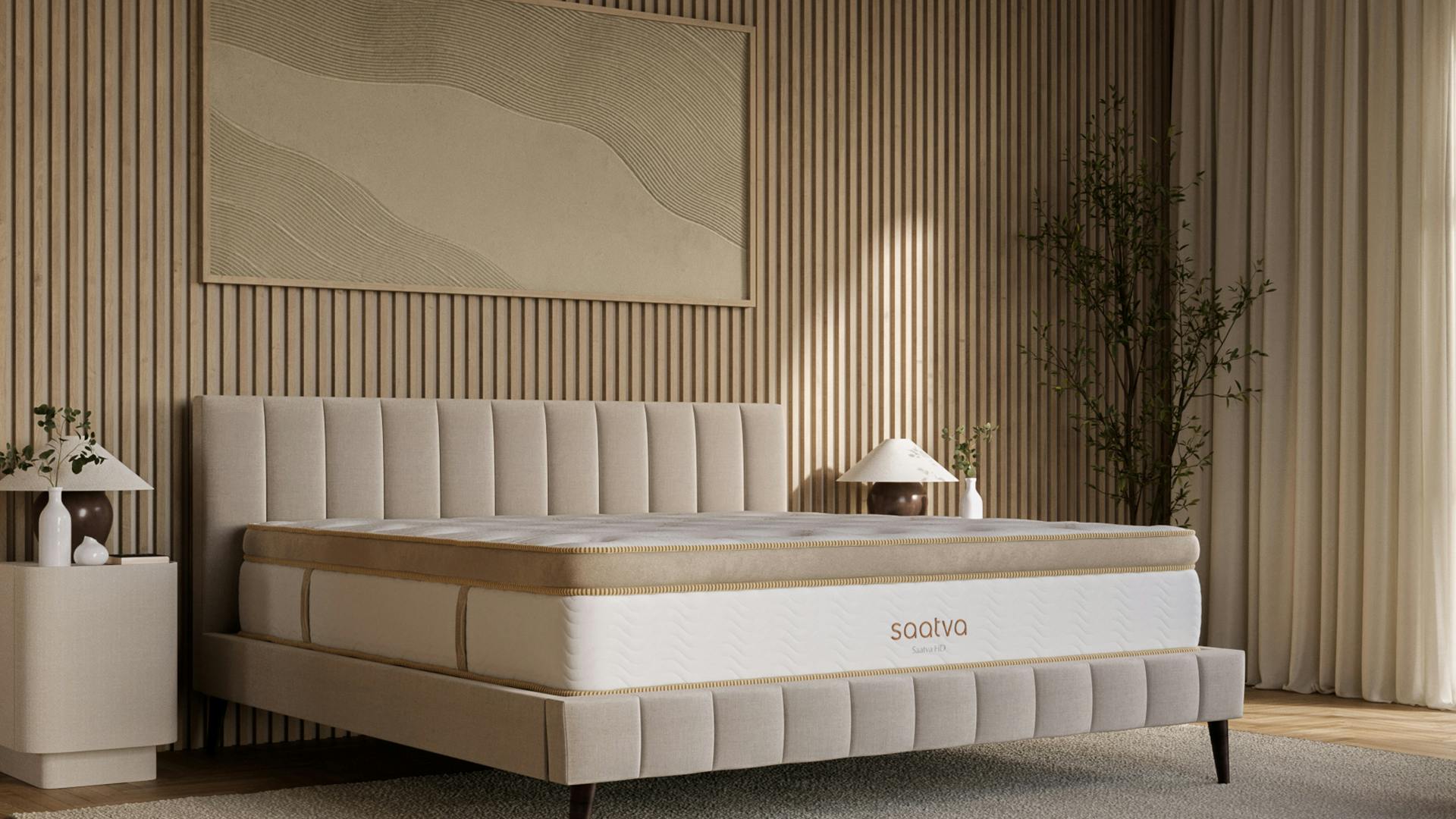
- Saatva HD is listed at 15.5 inches, according to Saatva’s HD-versus-Titan comparison.
- Saatva offers a 365-night trial, according to Saatva’s HD-versus-Titan comparison.
- ClimateCool® is listed at $800 by Consumer Reports.
Updated July 2026 · Reviewed for accuracy
OUR VERDICT
For best mattress for obese person, the Saatva HD is the pick we’d order first — every product below has real strengths, and the full comparison shows exactly why this one comes out on top.
OUR #1 PICK OF 3 COMPARED · UP TO $625 OFF
Saatva HD
- My top options for bigger bodies A 15.5-inch profile gives Saatva HD more room for a substantial build than a thin, compressed bed, according to Saatva’s HD-versus-Titan comparison.
- Our #1 pick of the 3 products compared on this page
- Order direct from the brand — current price, trial and warranty terms are on the official product page
Our top 3 picks compared

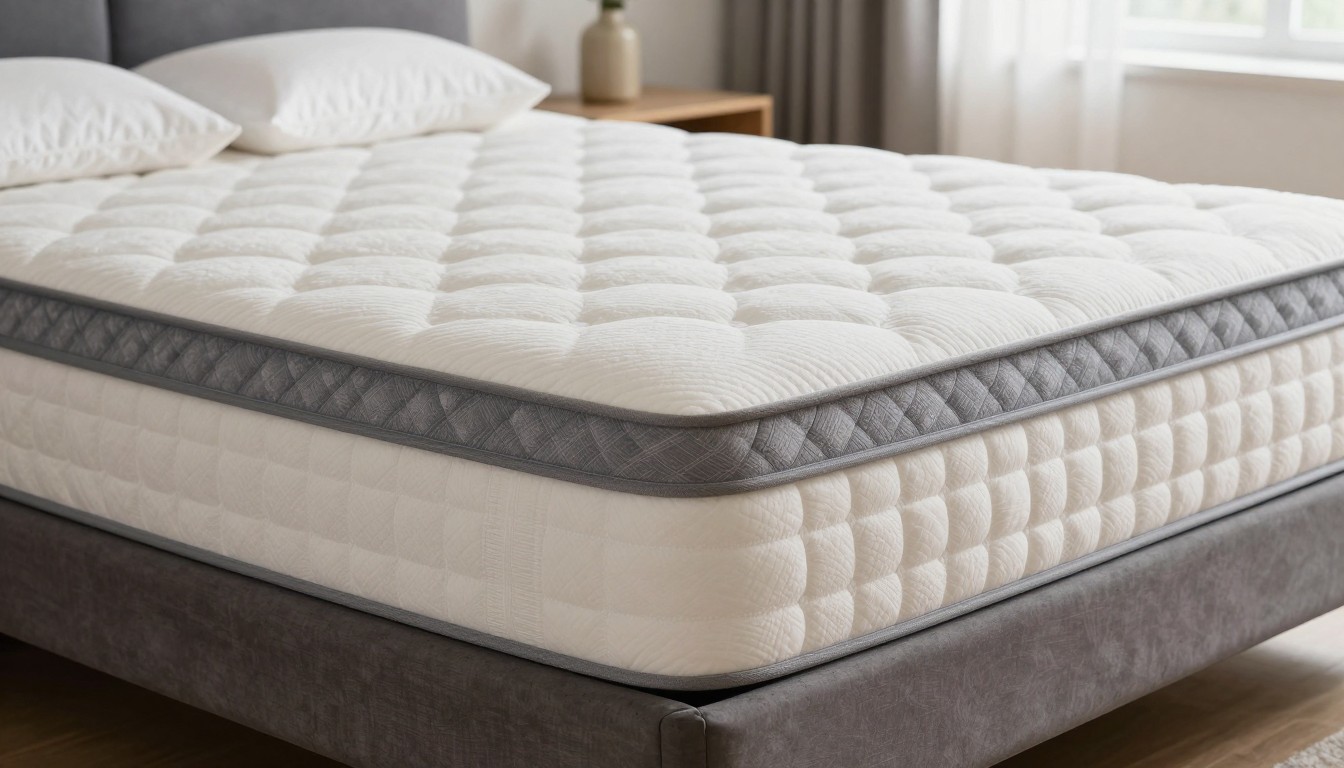
The best mattress for an obese person is usually a well-built hybrid, not the softest mattress in the showroom and not a vague “extra-support” promise. I’d start with a medium to medium-firm feel, substantial coils, dense foams, and edges that don’t feel like an afterthought.
Body weight changes the job a mattress has to do. More load reaches the comfort layers, the coil unit, and the perimeter every night. That makes construction details matter more than marketing language. If a brand won’t share useful specifications, I’d keep looking.
My top options for bigger bodies
A 15.5-inch profile gives Saatva HD more room for a substantial build than a thin, compressed bed, according to Saatva’s HD-versus-Titan comparison. That is why I’d consider it first for a shopper who wants a taller mattress and enough time to judge alignment at home: Saatva’s comparison says the brand provides a 365-night trial, and lists the mattress at $3,295. A long trial does not make a mattress right for everyone, but it does give you time to notice whether your hips sink too far or your lower back feels unsupported.
Puffy Lux is the option I’d reserve for someone who wants to scrutinize the comfort layers before deciding whether a softer-leaning surface suits their body. Sandman Sleep lists it at 12 inches and identifies a 1.5-inch layer in its detailed review, while Our Sleep Guide identifies a 2-inch layer. Those figures alone do not establish foam density, support capacity, or firmness, so I would ask Puffy for the full specification sheet before treating it as a heavy-duty choice. Puffy says its 365-night guarantee applies to the mattress.
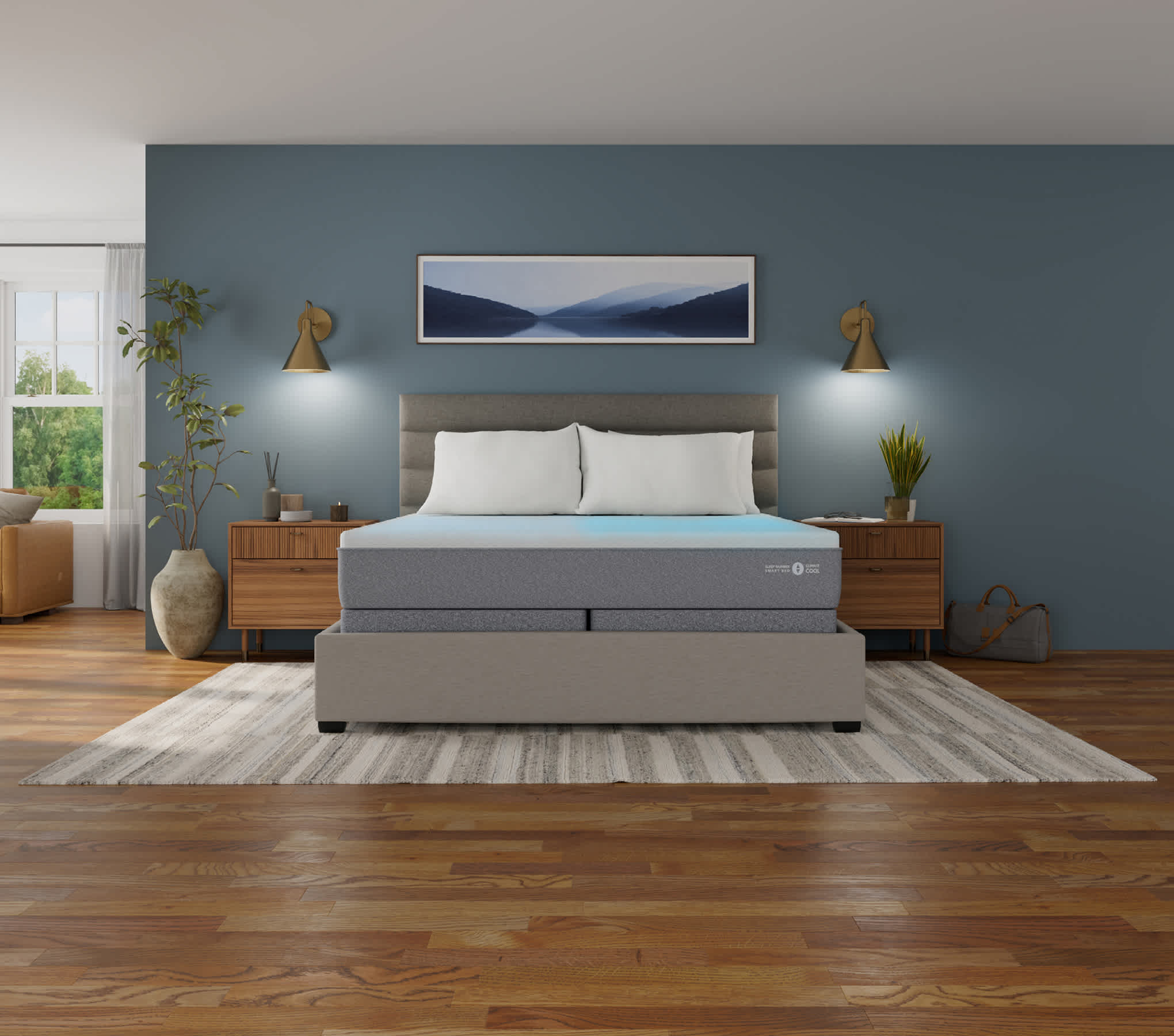
ClimateCool® is the budget-minded option only if its current listing, materials, and support details check out for your needs. Consumer Reports lists ClimateCool® at $800. Price is useful context, but it is not proof of durability under higher loads. Before buying, I’d get written answers on the mattress’s weight guidance, core construction, edge reinforcement, and foundation requirements.
The short version: A tall profile and a long trial can be useful, but neither replaces a clear materials sheet. For a heavier sleeper, I want to know what is carrying the load beneath the top layers.
| Mattress | Best fit | Verified detail | What I’d verify next |
|---|---|---|---|
| Saatva HD | Shoppers who want a tall profile and extended trial | 15.5 inches and a 365-night trial, according to Saatva’s HD-versus-Titan comparison | Layer materials, coil details, weight guidance, and foundation requirements |
| Puffy Lux | Shoppers willing to request fuller construction details | 12 inches and a 1.5-inch layer, according to Sandman Sleep; a 2-inch layer, according to Our Sleep Guide | Foam densities, support-core design, edge construction, and weight guidance |
| ClimateCool® | Price-conscious shoppers doing careful due diligence | $800, according to Consumer Reports | All construction details, trial terms, warranty terms, and weight guidance |
Why hybrids are usually the safer starting point
For bigger bodies, I generally favor a hybrid because it combines a coil core with comfort foam above it. The coil unit is doing the deeper support work, while the comfort layers handle pressure relief and surface feel. That division of labor is more promising than relying entirely on thick foam or on a basic innerspring with little cushioning.
A hybrid is not automatically durable. Coil gauge, coil layout, foam density, and edge reinforcement still decide whether the mattress has a fighting chance over time. I’d rather see plain, useful specifications than a mattress dressed up in phrases such as “premium support” or “advanced comfort.”
Lower coil-gauge numbers generally indicate thicker wire, so 13.5 gauge or lower is a worthwhile benchmark to ask about for heavy-duty support. I also want the manufacturer to explain whether the perimeter uses reinforced coils, firmer foam, or another deliberate edge-support design. Sitting, getting in and out of bed, and sleeping near the edge all put extra demand on that perimeter.
If you are comparing a mattress for a larger body with one for a much lighter sleeper, don’t assume the same feel will translate. A mattress can feel comfortably medium-firm to one person and much softer to another because the deeper layers are being compressed differently. For a lighter-weight comparison point, see our guide to mattresses for lightweight people.
My materials rule: Ask for the coil gauge, foam densities, edge construction, and stated weight guidance before you pay. If those answers stay fuzzy, the mattress is not transparent enough for me to recommend confidently.
What firmness and thickness can tell you
Many heavier sleepers land happiest around medium to medium-firm, roughly 6 to 7 on a 1-to-10 scale. That range can keep the body from dropping too deeply into the bed while leaving enough contour at the shoulders and hips. It is a starting point, not a universal prescription, because sleep position and personal sensitivity still matter.
Back sleepers often need a flatter, steadier surface through the lumbar area. Stomach sleepers usually need even more resistance against hip sink. Side sleepers have the hardest balancing act: they need enough give at the shoulder without letting the waist and hips sag downward. A medium-firm hybrid with thoughtfully layered comfort material is often the kind of design I’d investigate first.
Profile height matters because 12 to 14 inches can give designers more space for a meaningful comfort system, transition material, and support core. A taller mattress is not inherently better, but a very thin bed has less room to manage pressure and support under a higher load. Check the height alongside the actual layer breakdown, not instead of it.
Dense foam can bring useful contouring, yet it can also trap warmth if the cover and core do not encourage airflow. Breathable covers, gel-infused materials, and an open coil core can all be worth looking for. I would not treat cooling language as proof, though. Read the material description and make sure the structure supports the claim.
The durability details I’d inspect before ordering
Foam density is one of the clearest durability questions to ask. A useful benchmark is at least 1.8 PCF in comfort layers and 2.0 PCF or more in support layers. Those numbers do not guarantee years of perfect performance, but they give you something concrete to compare instead of guessing from a product photo.
Next, look at the base. Heavier use exposes weak transition and support layers quickly, especially where the hips rest. I want a manufacturer to state what the base is made of, how thick it is, and whether the coils or foam beneath the comfort layers are designed to resist deep compression.
Edge support belongs on the same checklist. A reinforced perimeter can make more of the sleep surface usable and can reduce the unstable feeling that makes getting out of bed harder. This is particularly relevant for couples, because two sleepers often use more of the mattress width and put more load near the sides.
Your foundation is part of the system. A sturdy, properly supported frame helps a mattress perform as designed, while inadequate slats or a weak base can undermine even a well-made mattress. Follow the manufacturer’s foundation instructions and ask whether your setup affects warranty coverage.
Durability checklist
- Request the per-sleeper or total weight guidance in writing.
- Ask for coil gauge and the edge-support construction.
- Confirm foam densities, especially the transition and support foams.
- Match the mattress with a foundation the manufacturer permits.
- Read the sagging threshold in the warranty before the trial period ends.
How to compare price, trials, and warranties
Queen-size hybrids aimed at stronger support commonly sit in the $1,000 to $2,500 range, while premium heavyweight-focused models often reach $2,000 to $3,000 or more. That range is broad because size, materials, retailer, and promotion timing all move the number. I’d use price as a filter after construction, not as a shortcut to quality.
An entry-level hybrid can be tempting, but the low price has to leave room for the materials you need: a robust core, meaningful edge support, and foams that are not merely decorative. Mid-range and premium options may offer a more substantial build, though you should still verify the specifications model by model.
A trial of 100 to 365 nights is worth prioritizing because support problems sometimes show up after the initial novelty wears off. Use that time deliberately. Pay attention to morning stiffness, whether your midsection seems to dip, how easy it is to change position, and whether the edge feels dependable.
On warranty terms, I look for at least 10 years and clear language around visible sagging. Coverage that names a sag threshold of more than 0.75 inches or 1 inch is easier to evaluate than a broad promise of quality. Read the exclusions too, especially requirements for a proper base and limits on normal softening.
How I narrowed this roundup
I gave priority to options with a verifiable detail a buyer can use, then I kept the advice centered on construction. A mattress for an obese person should make it easier to assess profile height, trial terms, price, and the information still worth requesting. The right choice is the one whose support story is specific enough to inspect.
I would not buy based on a firmness label alone. Firmness is subjective, and a label cannot tell you coil gauge, foam density, edge reinforcement, or weight guidance. Those details are the better way to separate a genuinely robust design from a mattress that simply uses heavy-sleeper language.
If your current mattress has lost support but you are not ready to replace it, a topper can alter surface feel without repairing a failing core. That distinction matters. See our heavy-person mattress-topper guide for the specific limits and considerations.
For more construction-focused comparison shopping, I’d also read our guide to mattresses for heavy people. Use both guides as checklists, then get the model-specific answers from the manufacturer before placing an order.
FAQ
What type of mattress is best for an obese person?
A hybrid is usually my first choice because coils provide the deeper support structure while foam layers manage surface pressure. The better question is whether the brand can document its coil design, foam densities, edge construction, and weight guidance.
Is a firm mattress always better for a heavier sleeper?
No. A mattress that is too firm can create pressure at the shoulders and hips, especially for side sleepers. Medium to medium-firm, around 6 to 7 on a 1-to-10 scale, is often a sensible place to start, then adjust for your position and comfort preference.
What foam density should I look for?
I would ask for at least 1.8 PCF in comfort layers and 2.0 PCF or more in support layers. Density is not the whole durability story, but it is a useful comparison point that helps you avoid making a decision from marketing language alone.
Why does edge support matter so much?
Strong edges make the outer portion of the mattress more usable and can make sitting or standing from the bed feel steadier. Look for a stated reinforced perimeter, whether that means stronger coils, firmer perimeter foam, or another clearly explained construction method.
How long should the trial and warranty be?
I’d favor a trial of at least 100 nights, with 365 nights offering more time to assess alignment and comfort. For the warranty, seek at least 10 years and read the stated sagging threshold, foundation requirements, and exclusions before you buy.
FINAL VERDICT
Of the 3 products compared for best mattress for obese person, the Saatva HD ranks first. The cards above show where each alternative fits; confirm current dimensions and terms on its product page.
Saatva HD