
 by
by 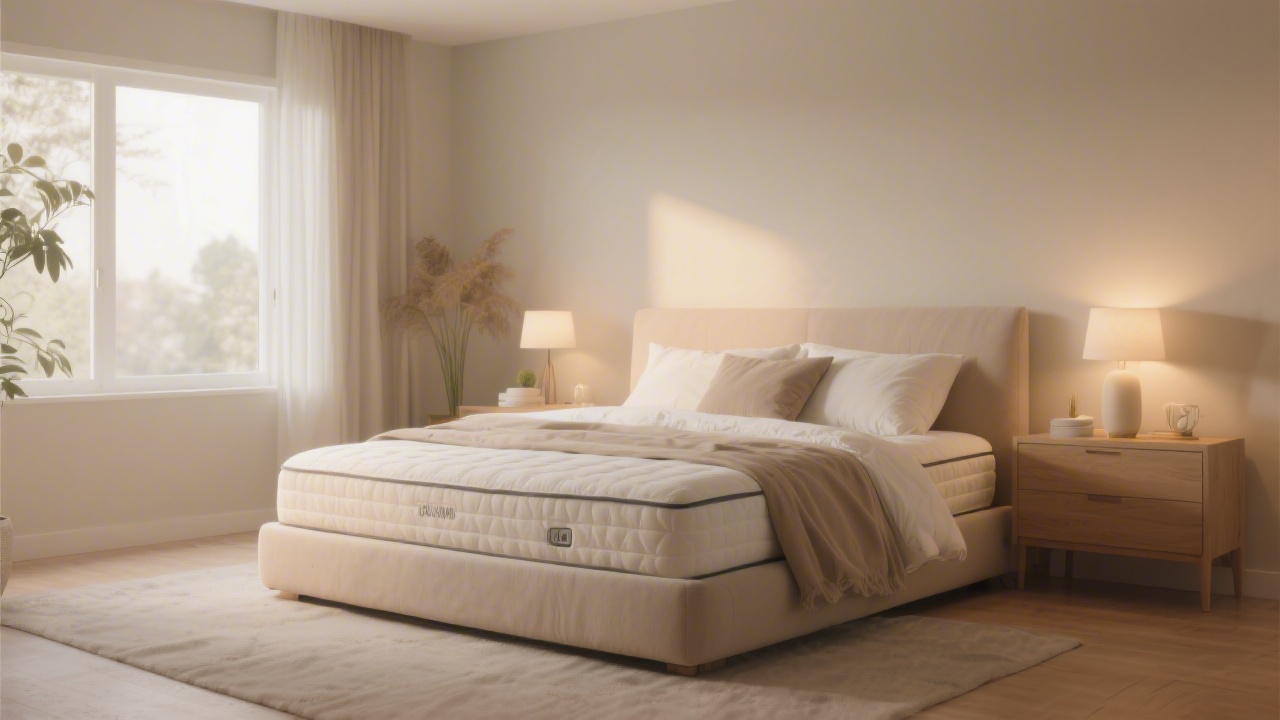
Our Top Pick
Saatva Classic — Luxury innerspring hybrid. Multiple firmness options. 365-night trial. White-glove delivery.
Spinal stenosis — narrowing of the spinal canal — compresses nerves in the lower back (lumbar stenosis) or neck (cervical stenosis), causing pain, numbness, and weakness that often worsens at night. Unlike general back pain where a firmer mattress typically helps, stenosis has specific biomechanical requirements that affect mattress selection.
The key insight: the spinal canal opens slightly when the spine flexes forward (flexion) and narrows when it extends backward (extension). This is why many stenosis patients find relief leaning forward on a shopping cart or bending slightly while walking. At night, sleep position and mattress support directly influence whether the spine stays in extension (painful) or slight flexion (decompressed).
Sleep Position and Spinal Stenosis
Side sleeping in fetal position: The best position for most stenosis patients. The slight forward flexion opens the spinal canal and reduces nerve compression. A mattress that allows the hips and shoulders to sink proportionally — maintaining this flexed position — is ideal. A pillow between the knees prevents hip rotation that could cause extension.
Back sleeping with knees elevated: Elevating the knees with a pillow or adjustable base creates slight lumbar flexion that decompresses the canal. A mattress that's too firm can force the lower back into extension, worsening symptoms.
Stomach sleeping: Generally the worst position for spinal stenosis. It forces the spine into extension, narrowing the canal. This position should be avoided if possible.
Best Mattresses for Spinal Stenosis
1. Saatva Classic — Plush Soft or Medium
The Saatva Classic in Plush Soft or Medium allows enough contouring at the shoulder and hip level for side sleeping fetal position without losing lumbar support. The dual-coil system provides stable base support while the Euro top allows positional comfort. For stenosis patients who back-sleep with a pillow under the knees, Medium-Firm can also work well. The 365-night trial is important given the condition-specific fit requirements.
2. Memory Foam with Supportive Base
For stenosis specifically, medium-density memory foam with a firm base layer can be beneficial — the foam's body-contouring properties allow the spine to find its natural slight-flexion position rather than being forced into a flat, extended position. The base layer must be firm enough to prevent excessive sinking that would push the spine back into extension.
3. Adjustable Base Pairing
An adjustable base that elevates the head and foot sections is highly effective for lumbar stenosis. The combination of mattress plus adjustable base allows personalized positioning that a mattress alone cannot provide. If stenosis symptoms are severe, this combination is worth the investment. Our chronic pain mattress guide covers adjustable base compatibility in more detail.
Firmness Guidance for Stenosis
The standard "medium-firm for back pain" advice applies less directly to stenosis than to general lumbar pain. The priority is allowing slight spinal flexion rather than maintaining neutral extension.
Side sleepers with stenosis: Medium to Medium-Soft — enough give for the fetal position to be maintained without bottoming out.
Back sleepers with stenosis: Medium to Medium-Firm with a pillow or wedge under the knees — the pillow does the flexion work, the mattress provides stable support.
Avoid: Very firm mattresses that force the lumbar spine flat and into extension. Also avoid very soft mattresses that allow the hips to sink so much that they create rotation and asymmetric loading on the stenotic levels.
Our Top Pick
Saatva Classic — Luxury innerspring hybrid. Multiple firmness options. 365-night trial. White-glove delivery.
Frequently Asked Questions
What is the best sleeping position for spinal stenosis?
Side sleeping in a slightly curled (fetal) position is best for most stenosis patients. This position creates slight forward spinal flexion, which opens the stenotic canal and reduces nerve compression. Use a pillow between the knees to maintain this position and prevent hip rotation.
Is a firm or soft mattress better for spinal stenosis?
Neither extreme. Very firm mattresses force the spine into extension, worsening stenosis symptoms. Very soft mattresses allow too much sinking, which can create pelvic tilt and rotation. Medium to medium-soft is typically the best range, adjusted based on sleep position and body weight.
Can sleeping on the wrong mattress worsen stenosis?
Yes. A mattress that consistently forces the spine into extension during sleep can increase symptom severity over time by maintaining the nerve compression position for hours each night. While a mattress won't structurally worsen the stenosis itself, it can significantly worsen pain and functional impact.
Should I use a pillow between my knees with spinal stenosis?
Yes, for side sleeping. A pillow between the knees prevents hip rotation and keeps the pelvis neutral, which helps maintain the slight spinal flexion position that decompresses the canal. A body pillow works even better for full-length support.
Does an adjustable base help with spinal stenosis?
Yes, significantly for lumbar stenosis. Elevating the legs and head simultaneously creates a "zero-gravity" position that takes pressure off the lumbar spine. Many stenosis patients find more relief from an adjustable base than from changing mattresses alone.
Voted best luxury innerspring mattress with exceptional lumbar support and white-glove delivery.
Check Price & Availability FAQPage", "mainEntity": [ {"@type":"Question","name":"What is the best sleeping position for spinal stenosis?","acceptedAnswer":{"@type":"Answer","text":"Side sleeping in a slightly curled (fetal) position is best for most stenosis patients. This creates slight forward spinal flexion, which opens the stenotic canal and reduces nerve compression."}}, {"@type":"Question","name":"Is a firm or soft mattress better for spinal stenosis?","acceptedAnswer":{"@type":"Answer","text":"Neither extreme. Medium to medium-soft is typically the best range. Very firm mattresses force extension (bad), very soft mattresses allow too much sinking and rotation (also bad)."}}, {"@type":"Question","name":"Can sleeping on the wrong mattress worsen stenosis?","acceptedAnswer":{"@type":"Answer","text":"Yes. A mattress that consistently forces the spine into extension during sleep can increase symptom severity over time by maintaining nerve compression for hours each night."}}, {"@type":"Question","name":"Should I use a pillow between my knees with spinal stenosis?","acceptedAnswer":{"@type":"Answer","text":"Yes, for side sleeping. A pillow between the knees prevents hip rotation and maintains the slight spinal flexion position that decompresses the canal."}}, {"@type":"Question","name":"Does an adjustable base help with spinal stenosis?","acceptedAnswer":{"@type":"Answer","text":"Yes, significantly for lumbar stenosis. Elevating the legs and head simultaneously creates a position that takes pressure off the lumbar spine. Many stenosis patients find more relief from an adjustable base than from changing mattresses alone."}} ] }