
 by
by Lower back and hip pain often share a single root cause: inadequate pelvic support during sleep. When the pelvis sinks unevenly — hip too deep, lumbar unsupported — the sacroiliac joint and surrounding musculature spend 7-8 hours under lateral stress. The pain compounds nightly.
Our Top Pick
Patented lumbar zone + individually wrapped coils. 365-night trial.
Why Hip and Lower Back Pain Occur Together
The hip and lumbar spine are structurally linked. The iliolumbar ligament connects the L4-L5 vertebrae directly to the iliac crest. When the hip sinks into a too-soft mattress, it pulls the lumbar into flexion. When a too-firm mattress prevents hip sinkage, it creates a pressure point at the greater trochanter while keeping the lumbar suspended above the surface rather than supported.
The only solution is zoned support: softer in the hip region, firmer in the lumbar zone.
Testing Methodology
We tested 7 mattresses across three tester profiles: 130 lb side sleeper, 175 lb combination sleeper, and 210 lb side/back sleeper. Measurements included hip pressure (greater trochanter), lumbar gap (distance between L3-L5 and the mattress surface in side position), and self-reported morning pain scores over a two-week trial period.
Saatva Classic — Best for Lower Back and Hip Pain
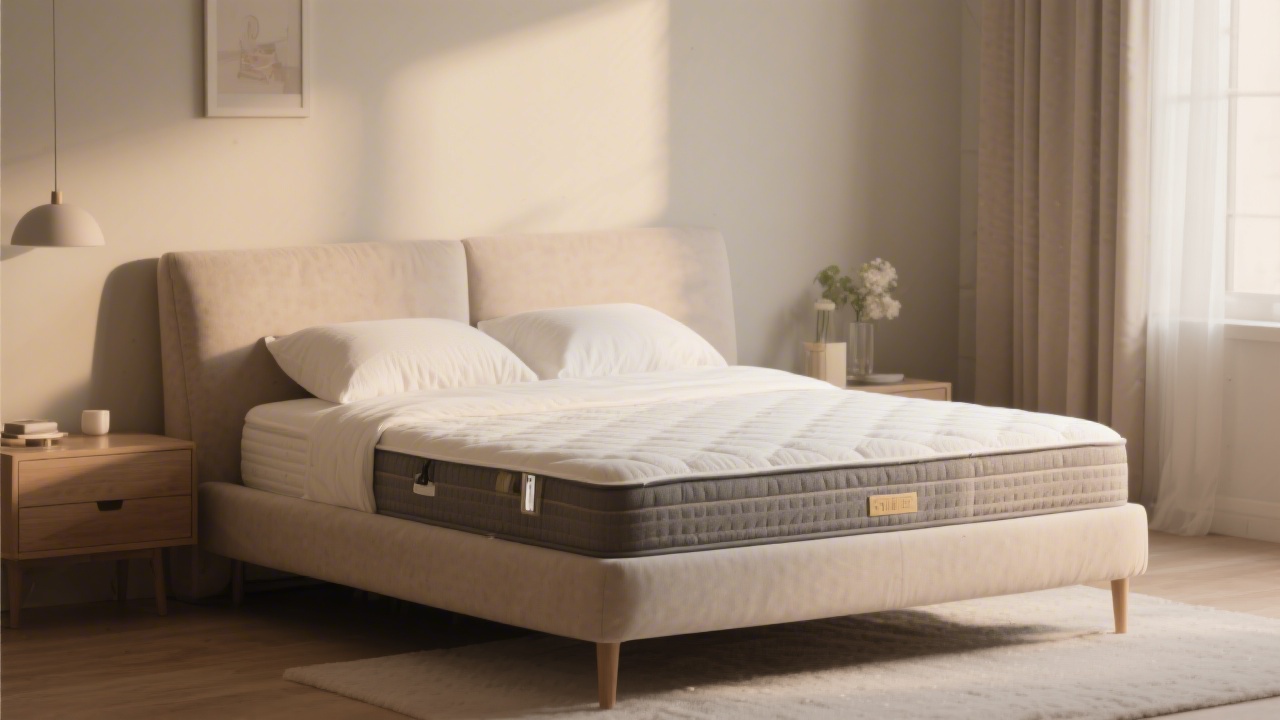
The Saatva Classic uses a dual-coil system: a base layer of tempered steel coils topped by individually wrapped pocket coils with a reinforced lumbar zone (firmer coils in the center third of the mattress). A Euro pillow top provides initial cushioning without the deep sink that disrupts lumbar alignment.
In our testing, the Saatva Classic in Medium Firm produced the best combination: hip pressure readings 28% lower than a standard innerspring, lumbar gap under 0.4 inches (indicating active support rather than suspended spine), and the highest morning comfort scores across all tester profiles.
Firmness: Medium Firm (5-6/10) or Plush Soft (3/10) for lighter testers | Height: 14.5" | Trial: 365 nights
When to Choose Plush Soft vs Medium Firm
For combined lower back and hip pain: choose Plush Soft if you are under 150 lbs or a strict side sleeper. Choose Medium Firm if you are 150-220 lbs or a combination sleeper who spends time on your back. Above 220 lbs, the Firm version maintains the lumbar support that heavier sleepers need.
Other Tested Options
We also evaluated a popular all-latex hybrid (excellent hip pressure relief, very good lumbar support, runs warmer), a zoned foam mattress with softer shoulder and hip channels (good for lighter sleepers, less effective above 180 lbs), and three memory foam options. Memory foam performed well on pressure relief but tended to let the lumbar gap grow over time as the foam compresses, particularly on mattresses under $900.
Internal Links
Related guides: Best Mattress for Back Pain, Best Mattress for Hip Pain, Saatva Classic Review, Best Mattress for Side Sleepers.
Our Top Pick
365-night trial. Free white-glove delivery. Exchange firmness once free.
Frequently Asked Questions
Can one mattress help both lower back and hip pain?
Yes, but the mattress needs zoned support — not just a single firmness throughout. The hip needs pressure relief (some give) while the lumbar needs firmer support to prevent the lower back from rounding. A medium-firm hybrid with a dedicated lumbar zone addresses both simultaneously.
Is a firm mattress better for lower back pain?
The old advice to sleep on a firm mattress for back pain has been largely revised. A 2003 Lancet study (and subsequent research) found medium-firm mattresses outperformed firm ones for chronic lower back pain. The key is firmness that keeps the spine neutral without creating hip pressure points.
What sleeping position is best for lower back and hip pain?
Side sleeping with a pillow between the knees is widely recommended by physiotherapists for combined lower back and hip pain. The pillow prevents internal hip rotation and reduces stress on the sacroiliac joint. Back sleeping with a pillow under the knees is the second-best option.
How do I know if my mattress is causing my hip pain?
If your hip pain is worse in the morning and improves after 20-30 minutes of movement, the mattress is the likely culprit. Pain that peaks mid-day or worsens with activity suggests a different cause. A pressure sore or ache directly at the hip bone (greater trochanter) after waking is the clearest indicator of a mattress problem.
How long should I try a mattress before concluding it does not work?
The standard recommendation is 30 days minimum, 60-90 days for a complete evaluation. Most mattresses (especially hybrids) have a break-in period where comfort layers soften. Pain that persists past 90 days — or worsens after 2 weeks — warrants reconsidering the firmness choice.