
 by
by
TL;DR
Mattress toppers add 2-4 inches of comfort at a fraction of the cost of a new mattress. Graphite-infused memory foam (Saatva) gives cooling + pressure relief; latex options offer bounce; polyester for budget. 180-night trial recommended.
Jump to section
- Amerisleep Mattress Pad & Bedding Collection
- At-a-glance: our top 3 picks for this niche
- Mattress Pad vs. Protector vs. Topper: What Is the Difference?
- The 5 Best Mattress Pads of 2026
- Mattress Pad Fitting Guide by Size
- How to Wash and Care for Your Mattress Pad
- How to Choose the Right Mattress Pad for Your Sleep Style
- Mattress Pad Mistakes to Avoid
Saatva bedding you can pair with your mattress
Saatva's bedding catalog matches the same build quality as its mattresses. The Organic Percale and Sateen sheets use long-staple cotton with reinforced stitching on the fitted-sheet elastic, they do not pop off over the night. The Graphite-Infused Mattress Pad and the Lofton Down Alternative Comforter are the practical upgrades that fix most comfort complaints without replacing the mattress.
Everything ships via Free White Glove delivery for orders over $1,000 (mattress bundles), and smaller items get free standard shipping. Saatva runs up to $625 off sitewide on most bedding during recurring sale events (Spring Refresh, Memorial Day, Labor Day, Black Friday).
Ownership terms: 45-day return on most bedding, 1-year warranty on linens, lifetime warranty on mattresses and protectors.
Disclosure: MattressNut.com participates in affiliate programs. If you purchase through links on this page, we may earn a commission at no extra cost to you. Our editorial recommendations are independent and based on testing criteria, not compensation.
Last updated: July 2026, Reviewed by the MattressNut editorial team
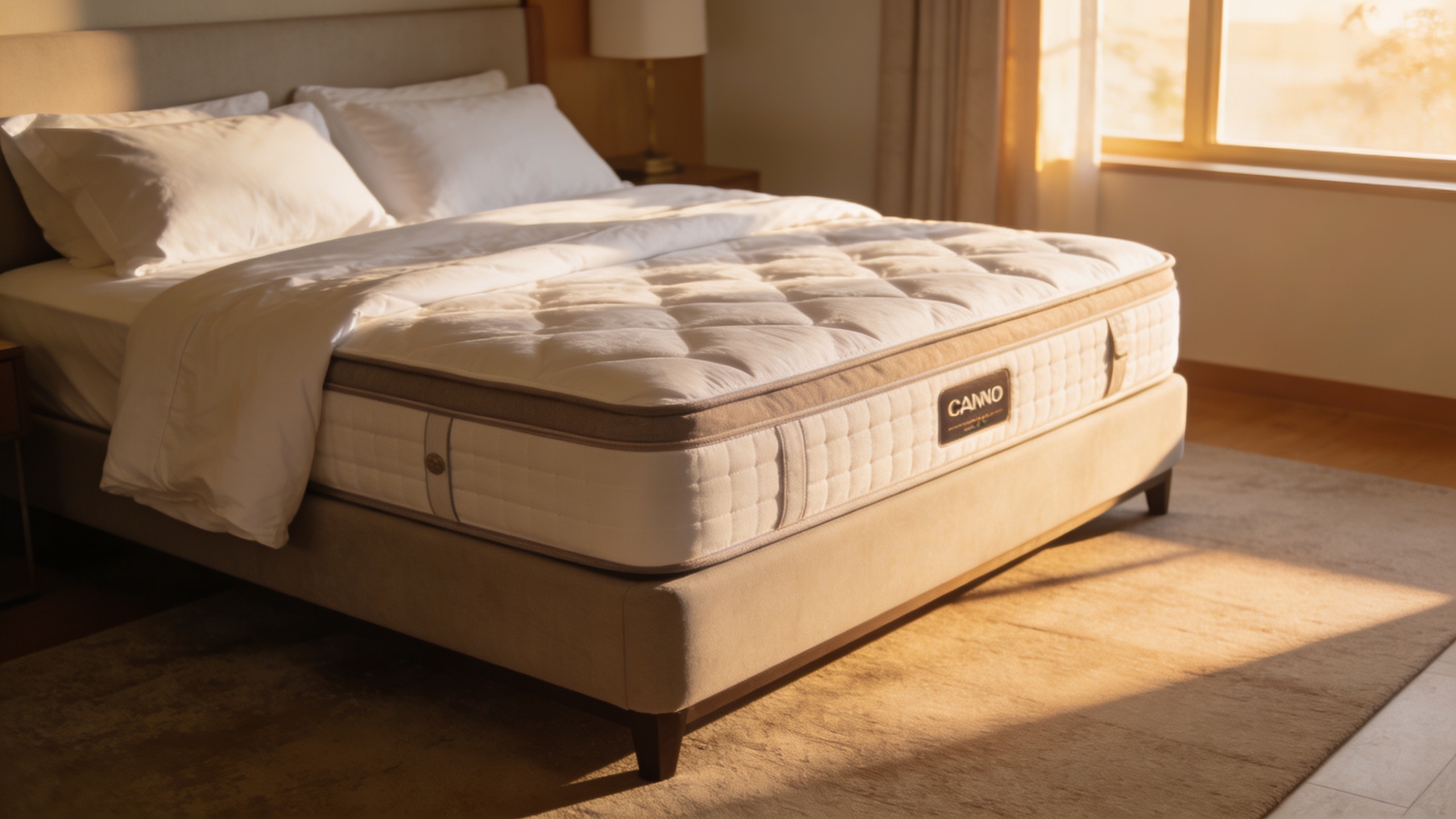
A great mattress pad is one of the most underrated upgrades you can make to your bed. It sits directly on top of your mattress, under your fitted sheet, and does at least two jobs simultaneously: it adds a layer of comfort tailored to your sleep style, and it protects your mattress from body oils, moisture, allergens, and general wear.
Unlike a thick mattress topper, a mattress pad does not dramatically change the feel of your sleep surface. Instead, it refines it, softening a mattress that feels slightly too firm, adding a breathable buffer on a foam mattress that runs hot, or simply giving your current mattress a second life.
We tested and researched dozens of mattress pads across categories, cotton, waterproof, cooling, pillow-top, and heated, to bring you the five best options for 2026. Whether you want simple protection or a cloud-like upgrade, this guide has you covered.
Our Top Pick for Bedding
Amerisleep Mattress Pad & Bedding Collection
At-a-glance: our top 3 picks for this niche
Quick comparison of the 3 mattresses we most often recommend for this use case in 2026. Prices reflect current promos where applicable.
Amerisleep's bedding lineup is engineered with the same sleep-science focus as their mattresses, breathable, durable, and genuinely comfortable. An excellent first choice for anyone upgrading their sleep setup.
Mattress Pad vs. Protector vs. Topper: What Is the Difference?
These three products are often confused, but they serve distinct purposes. Understanding the difference helps you buy the right product instead of layering two or three items you do not need.
The simplest rule: if you want better sleep surface comfort and some protection, choose a mattress pad. If you want to save a failing mattress, go for a topper. If protection from accidents is the priority, choose a protector, and consider stacking a pad on top for comfort.
The 5 Best Mattress Pads of 2026
BEST OVERALL
1. Amerisleep Mattress Pad, Best for Breathability and Comfort
Amerisleep designs their bedding with the same breathability-first philosophy that drives their mattress line. Their mattress pad uses a cotton-rich cover with a hypoallergenic fill that adds softness without trapping heat. The quilted stitching keeps fill evenly distributed after washing, and the deep-pocket fitted skirt accommodates mattresses up to 18 inches deep.
In testing, this pad stood out for its ability to make a medium-firm foam mattress feel noticeably more inviting at the surface without changing the support profile underneath. Hot sleepers particularly appreciated the cotton face fabric, which feels cool to the touch and wicks moisture effectively.
Best for: Most sleepers, foam mattress owners, those who want a quality pad without overcomplicating their setup.
Key features: Hypoallergenic fill, deep-pocket skirt, machine washable, breathable cotton shell.
BEST WATERPROOF
2. SafeRest Premium Waterproof Mattress Pad, Best Dual Protection
The SafeRest Premium combines a cotton terry top with a thin, quiet polyurethane waterproof membrane that genuinely works without the crinkly plastic feel of cheaper protectors. It is not the plushest pad on this list, but it adds meaningful protection against spills, sweat, and allergens while still providing a modest comfort layer.
This is the pad we recommend for parents with young children, pet owners, or anyone prone to night sweats who worries about voiding their mattress warranty. The terry surface absorbs minor moisture before it reaches the waterproof layer, and the whole unit goes in a standard home washing machine.
Best for: Families, pet owners, allergy sufferers, heavy sweaters.
Key features: Waterproof TPU barrier, cotton terry top, hypoallergenic, machine washable, 10-year warranty.
BEST COOLING
3. Beckham Hotel Collection Cooling Mattress Pad, Best for Hot Sleepers
Hot sleepers need a pad that actively resists heat retention. The Beckham Hotel Collection pad uses a microfiber shell with moisture-wicking properties and a low-profile polyester fill that stays breathable throughout the night. The quilted design keeps air channels open, preventing the fill from compressing into heat-trapping dense spots.
In warm-weather testing, this pad consistently outperformed cotton-fill competitors at surface temperature. It is thinner than a pillow-top pad, which is actually an advantage for heat management, less material means less insulation between you and the mattress's natural airflow.
Best for: Hot sleepers, summer months, those with memory foam mattresses that run warm.
Key features: Moisture-wicking microfiber, quilted airflow channels, lightweight fill, machine washable.
BEST PILLOW-TOP
4. Utopia Bedding Quilted Fitted Mattress Pad, Best Plush Upgrade
If you want a hotel-bed feel without the $300 topper price tag, this pillow-top style pad is the answer. It uses a thick polyester microfiber fill in a box-quilted pattern that creates consistent loft across the entire sleep surface. The result is a noticeably plush feel that transforms a firm innerspring or hybrid mattress into something much more inviting.
The fill compresses after washing but rebounds well when tumble dried on low heat with a couple of dryer balls. This pad is particularly popular with side sleepers who need extra cushioning at the shoulder and hip without giving up spinal support.
Best for: Side sleepers, those wanting a plush hotel feel, anyone with a firm mattress they want to soften.
Key features: Deep quilted fill, all-around elastic skirt, machine washable, available in all standard sizes.
BEST HEATED
5. Sunbeam Premium Heated Mattress Pad, Best for Cold Climates
Heated mattress pads are a smarter solution than electric blankets for consistent nighttime warmth because the heat comes from below, warming your body without causing you to sweat under covers. The Sunbeam Premium features 20 heat settings, a 10-hour auto-shutoff timer, and dual-zone controls on queen and king sizes so each partner can set their own temperature.
The low-voltage ThermoFine wiring is embedded in a polyester shell that washes safely in a front-load machine. The preheating capability, you can warm the bed 30 minutes before climbing in, is especially appreciated during winter months. At medium settings, power consumption is around 75 to 90 watts, which costs roughly $3 to $5 per month to run nightly.
Best for: Cold climates, those with poor circulation, couples with different temperature preferences.
Key features: 20 heat settings, dual-zone control, 10-hour auto-shutoff, machine washable, UL certified.
Mattress Pad Fitting Guide by Size
Getting the right fit is critical. A pad that slides around or bunches under the fitted sheet interrupts your sleep and wears out faster. Here is what to know before you buy.
Measuring your mattress depth: Measure from the base of the mattress (not including box spring) to the top surface. If your mattress has a pillow top, measure to the top of the pillow top. Add two to three inches of buffer when choosing your pad's skirt depth to account for the fitted sheet layered on top.
Tip for tall mattresses: Many modern hybrid and foam mattresses now measure 12 to 16 inches. Standard pads only accommodate up to 14 inches. If your mattress is on the taller end, specifically search for "deep pocket mattress pad" to avoid the skirt popping off in the middle of the night.
How to Wash and Care for Your Mattress Pad
Proper care significantly extends the life of your mattress pad. Treated well, a quality pad lasts three to five years before fill compression noticeably reduces its comfort.
Washing Guidelines
Most mattress pads are machine washable, but a few key rules apply across material types:
- Use cold or warm water (never hot), high heat degrades synthetic fills and can shrink cotton shells.
- Use a gentle or delicate cycle to protect the quilted stitching and waterproof backing.
- Use a mild, low-suds detergent. Avoid fabric softener, which can clog the pores of waterproof membranes and reduce their effectiveness.
- If washing a heated pad, always detach the electrical cord first and follow the manufacturer's specific washing instructions precisely.
- Wash alone or with a second pad, overloading the machine causes uneven agitation and clumped fill.
Drying Guidelines
- Tumble dry on low heat. Medium or high heat can melt synthetic fill, damage waterproof coatings, and shrink the shell.
- Add two or three dryer balls (or clean tennis balls in a sock) to help redistribute fill and speed drying.
- Dry completely before putting back on the mattress, residual moisture trapped under the pad breeds mildew.
- For pillow-top style pads, a second tumble-dry cycle at low heat may be needed to fully restore loft.
How Often to Wash
- Standard use (one or two people, no pets): every 4 to 8 weeks.
- With pets or children in the bed: every 2 to 4 weeks.
- Night sweats or allergies: every 1 to 2 weeks.
- After any liquid spill: immediately.
How to Choose the Right Mattress Pad for Your Sleep Style
If You Sleep Hot
Prioritize breathability over plushness. Look for a thin pad (under an inch) with a cotton or Tencel shell and low-density fill. Avoid down or down-alternative fills, which trap heat. Phase-change material infusions help but add significant cost.
If You Sleep Cold
A heated mattress pad is the most effective solution. If you prefer passive warmth, choose a down or wool-fill pad, both of which provide excellent insulation. Wool has the added advantage of being naturally moisture-wicking so you do not overheat if you warm up during the night.
If You Have Allergies
Choose a pad with a hypoallergenic fill (polyester fiberfill or treated down alternative) and a tightly woven shell that resists dust mite penetration. A waterproof backing also helps by preventing sweat and body oils from accumulating in the mattress core where dust mites thrive.
If You Share a Bed With a Partner
A single pad covers both sides, so one pad is all you need. However, if you and your partner have dramatically different temperature preferences, consider a dual-zone heated pad where each side has independent controls. Alternatively, use separate blankets on top rather than trying to solve temperature conflicts at the pad level.
Mattress Pad Mistakes to Avoid
- Buying the wrong size. Always match the pad size exactly to your mattress. A pad that is too small will slip; one that is too large will bunch.
- Expecting a pad to fix a sagging mattress. A pad cannot compensate for a mattress that has lost structural support. You need a topper or replacement.
- Washing in hot water. Hot water damages fill, waterproof backings, and heated wiring. Always use warm or cold.
- Skipping the deep-pocket check. Standard pads fit mattresses up to 14 inches. Thicker modern mattresses need deep-pocket pads specifically labeled as such.
- Using fabric softener on waterproof pads. Fabric softener coats the fibers and clogs the waterproof membrane, reducing its effectiveness over time.
- Forgetting to air it out. After washing, let your pad air out for 30 minutes before returning it to the mattress to ensure it is fully dry and fresh-smelling.
Ready to Upgrade Your Sleep Surface?
Browse Amerisleep's full bedding collection, including mattress pads, sheets, and pillows designed to work as a complete sleep system.
Frequently Asked Questions
What is the difference between a mattress pad and a mattress protector?
A mattress pad adds a thin layer of cushioning on top of your mattress while also offering some protection against spills and allergens. A mattress protector is primarily designed to shield your mattress from liquids, dust mites, and allergens with minimal added comfort. A mattress topper, by contrast, is thicker (2 to 4 inches or more) and significantly changes the feel of your bed.
How often should I wash my mattress pad?
Most mattress pads should be washed every one to two months under normal use. If you sweat heavily at night, have allergies, or share your bed with pets, washing every two to four weeks is recommended. Always follow the manufacturer's care label to avoid damaging the fill material or waterproof barrier.
Can a mattress pad fix a sagging mattress?
A mattress pad cannot fix a structurally sagging mattress. If your mattress has a significant dip or indentation, you need a thicker mattress topper (2 inches or more) or a mattress replacement. A pad is designed to fine-tune comfort and surface feel, not correct underlying support issues.
Are cooling mattress pads worth it?
Yes, for hot sleepers, a cooling mattress pad can make a meaningful difference. Models with phase-change material, moisture-wicking fabric, or breathable cotton percale can reduce surface temperature by 2 to 5 degrees Fahrenheit. They are especially effective when paired with a foam mattress, which tends to trap heat.
What mattress pad size do I need?
Choose a mattress pad that matches your mattress size exactly: Twin, Twin XL, Full, Queen, King, or California King. Also check the depth rating on the pad's fitted skirt. Most standard pads fit mattresses 8 to 14 inches deep. If your mattress is 15 inches or taller, look for a deep-pocket or extra-deep mattress pad.
Do mattress pads help with back pain?
A mattress pad can provide minor pressure relief that may ease mild back discomfort, but it is not a substitute for proper spinal support. If you have chronic back pain, look for a pad with light memory foam or fiberfill that cushions pressure points without causing your hips to sink out of alignment. A firmer mattress topper is typically more effective for serious back pain.
Are heated mattress pads safe to sleep on?
Modern heated mattress pads are generally safe when used as directed. Look for models with UL or ETL certification, automatic shutoff timers (typically 10 hours), and low-voltage wiring. Avoid folding or bunching the pad during use, and never use it with a damaged cord. Heated pads are not recommended for infants, toddlers, or people with reduced sensation in their limbs.
What fill material is best for a mattress pad?
The best fill material depends on your needs. Down alternative (polyester fiberfill) is soft, affordable, and hypoallergenic. Natural cotton is breathable and durable. Memory foam adds pressure relief but retains heat. Wool is naturally temperature-regulating and moisture-wicking. Down is plush but expensive and not suitable for allergy sufferers unless treated.
MattressNut.com is an independent review site. Product recommendations are based on research and editorial criteria. Affiliate links may generate commission when you click and purchase.
Related Sleep Lab Guides
More Sleep Lab Guides