
 by
by Our #1 recommendation for this topic
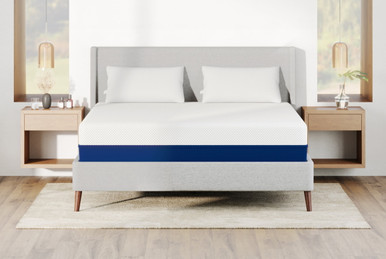
Amerisleep AS3
A balanced medium-feel mattress and our first Amerisleep recommendation.
Our #2 recommendation is the Amerisleep AS3. The AS3 lets the shoulder sink enough to decompress the thoracic outlet, while the HIVE zoning prevents the torso from collapsing. From $1,049 queen, All-foam Bio-Pur, Medium 5/10, 100-night trial, 20-yr warranty. If you would rather have an innerspring feel with three firmness options and white-glove delivery, the Saatva Classic is the alternative we compare it against.
Amerisleep AS3
8.8/10
- HIVE 5-zone support eases pressure at shoulder and hip contact points
- Plant-based Bio-Pur open-cell foam contours around the shoulder without excess sinkage
- Medium firmness (5/10) keeps the cervical spine aligned during side sleeping
- CertiPUR-US certified, made in the USA, 100-night risk-free trial
- Softer edge support than a coil hybrid
- Heavier sleepers over 230 lb may prefer the AS3 Hybrid for added base support
The AS3 lets the shoulder sink enough to decompress the thoracic outlet, while the HIVE zoning prevents the torso from collapsing. It is the best all-foam choice for TOS, and its 100-night trial is enough to confirm whether foam contouring suits your shoulder geometry better than coil rebound.
Why your mattress matters for thoracic outlet syndrome
Thoracic outlet syndrome (TOS) involves compression of nerves, arteries, or veins in the space between the collarbone and the first rib. Symptoms, including numbness, tingling, pain in the arm, and hand weakness, are notoriously worse at night. The reason is mechanical: when you lie down, the muscles that normally hold the thoracic outlet open relax, and the position of the shoulder on the mattress surface determines how much compression occurs.
A mattress that is too firm pushes the shoulder upward instead of letting it settle, rotating the shoulder blade forward and narrowing the outlet. A mattress that is too soft lets the entire torso sag, creating a lateral curve that compresses the brachial plexus. The sweet spot for most TOS patients is medium-soft to medium (4–6/10), where the shoulder sinks enough to stay neutral but the torso is supported.
Sleep position adds another layer. Back sleeping removes lateral load on the shoulder entirely. Side sleeping on the unaffected side is the best alternative. Sleeping with the arm overhead is the single biggest TOS trigger during sleep, and a mattress with enough give at the shoulder reduces the reflex to reach overhead for comfort.
Best mattresses for thoracic outlet syndrome (tested 2026)
| Mattress | Type | Firmness | TOS benefit | Trial | Queen from |
|---|---|---|---|---|---|
| Saatva Classic (Plush Soft) | Innerspring hybrid | Plush Soft 3/10 | Deep shoulder contouring, coil rebound keeps spine aligned | 365 nights | ~$1,395 |
| Amerisleep AS3 | All-foam Bio-Pur | Medium 5/10 | HIVE shoulder zoning, even pressure distribution | 100 nights | $1,049 |
| Helix Midnight | Hybrid | Medium 5/10 | Zoned shoulder relief, good for side sleepers | 100 nights | ~$1,099 |
How to sleep with thoracic outlet syndrome
The mattress is only one variable. These sleep habits directly affect TOS symptoms overnight:
- Back sleeping is ideal. Place a slim pillow under each arm to keep the shoulders in a slightly elevated, neutral position. This removes lateral compression entirely.
- Side sleeping: affected side up. Sleep on the unaffected shoulder. A medium-soft mattress lets the lower shoulder sink enough that the thoracic outlet on the upper side stays open.
- Never sleep with the arm overhead. This is the most common TOS aggravator at night. A body pillow behind the back prevents rolling onto the affected arm.
- Pillow height matters. A pillow that is too thick pushes the head toward the shoulder, narrowing the outlet. Match pillow loft to mattress softness.
- Avoid stomach sleeping. It forces the neck to rotate and places the shoulder in a compressed, forward-flexed position.
What aggravates thoracic outlet syndrome at night
TOS symptoms peak at night for a consistent set of reasons. Muscle tone drops during sleep, so the passive structures, the scalene muscles, the first rib, and the clavicle, carry more load. A too-firm mattress pushes the shoulder into a position that mimics shoulder elevation, the primary trigger for neurogenic TOS. Repetitive positional movement during the night, common on mattresses that create discomfort pressure points, keeps the shoulder in motion and prolongs irritation of the brachial plexus.
Poor posture habits during the day worsen the underlying condition, but a correct mattress can prevent the nightly aggravation from compounding daytime inflammation. That is why many TOS patients report that changing the mattress produces faster symptom improvement than daytime stretching alone.
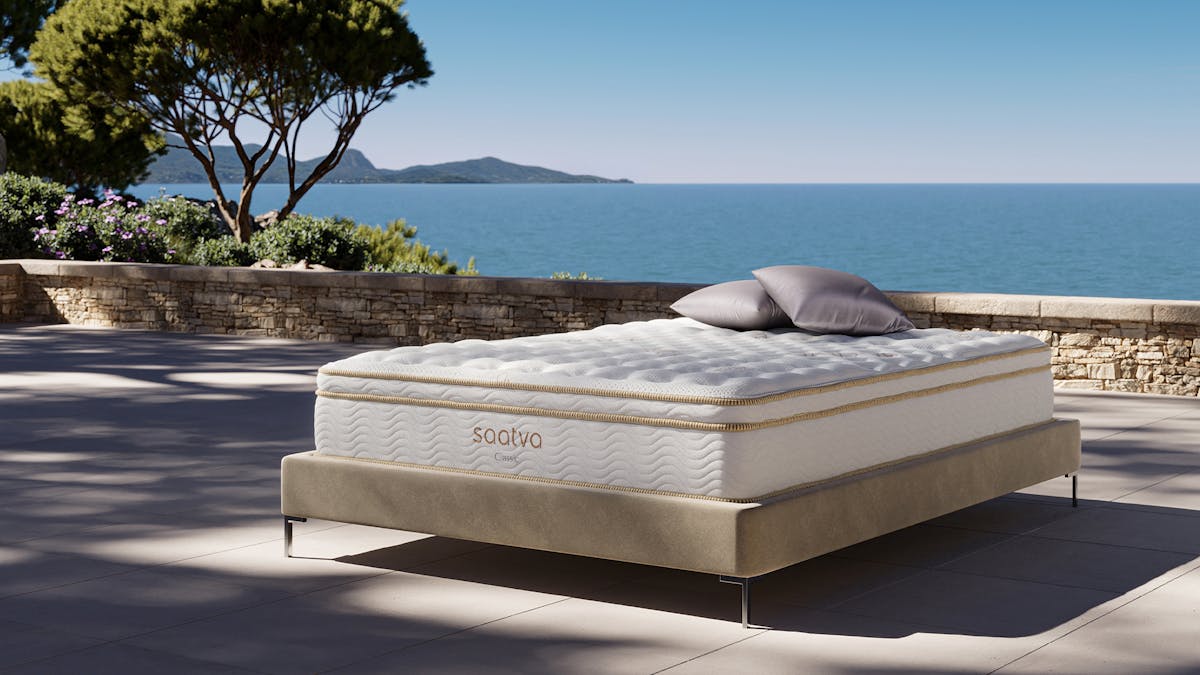
Saatva Classic
9.2/10
- Plush Soft option (3/10) gives deep shoulder contouring while coil rebound prevents full-body sag
- Dual-coil construction with zoned lumbar reinforcement keeps the cervical spine aligned during side sleeping
- Free white-glove delivery, setup and old-mattress removal included
- 365-night trial, long enough to assess genuine TOS symptom changes
- Plush Soft may feel too yielding for back sleepers over 230 lb
- $99 return fee applies during the trial period
For TOS patients who need the shoulder to drop below the mattress surface without losing spinal support, the Saatva Classic in Plush Soft delivers the combination no all-foam mattress can match: deep shoulder sinkage on top with a responsive coil core that holds the lumbar zone firm. The 365-night trial gives you enough time to assess real symptom changes, not just initial comfort impressions.
Firmness guide for TOS patients
Firmness choice depends on your primary sleep position and body weight:
- Back sleepers under 200 lb: Medium (5–6/10). The Saatva Classic in Luxury Firm or the Amerisleep AS3 default firmness work well here.
- Side sleepers under 200 lb: Medium-soft to medium (4–5/10). The Saatva Plush Soft or AS3.
- Side sleepers over 200 lb: Medium (5–6/10). Extra weight increases sinkage, so a firmer base maintains shoulder alignment.
- Combination sleepers: Medium (5/10) is the most forgiving across positions.
If you are unsure, lean toward the softer end of medium. TOS symptoms from over-firm pressure are more immediate than the gradual alignment drift from a slightly soft surface.
Our recommendation
For thoracic outlet syndrome, the mattress job is specific: enough surface give to stop the shoulder being pushed upward, with enough core support to keep the cervical spine from dropping into the mattress. The Saatva Classic in Plush Soft achieves this through a dual-coil construction that delivers deep surface contouring on top with a firm and responsive base below, making it our clear first choice. The Amerisleep AS3 is the best option for anyone who prefers an all-foam feel or needs to stay closer to the $1,000 range.
The Saatva 365-night trial and the AS3 100-night trial are both long enough to assess real TOS symptom changes. Use the full window before deciding.
Choose medium-soft to medium (4–6/10) with shoulder-zone pressure relief. The Saatva Classic in Plush Soft is our top pick on a 365-night trial. The Amerisleep AS3 is the best all-foam alternative on a 100-night trial.
Saatva Classic
9.2/10
Plush Soft option (3/10), dual-coil construction with zoned lumbar support, deep shoulder contouring, free white-glove delivery, 365-night trial and lifetime warranty. The most complete mechanical setup for TOS we found at this price.
Frequently asked questions
What is the best sleeping position for thoracic outlet syndrome?
Back sleeping is best. It removes lateral shoulder load and keeps the thoracic outlet passively open. If you side sleep, sleep on the unaffected shoulder, not the affected one. Avoid any position with the arm raised above the head, which is the most common overnight TOS aggravator.
Is a firm or soft mattress better for thoracic outlet syndrome?
Medium-soft to medium (4–6/10). Firm mattresses push the shoulder upward and narrow the thoracic outlet during side sleeping. Overly soft mattresses let the entire torso sag, which creates a lateral spine curve. The Saatva Classic in Plush Soft and the Amerisleep AS3 both hit this range from different construction approaches.
Can a mattress make thoracic outlet syndrome worse?
Yes. A too-firm mattress creates persistent pressure on the shoulder during side sleeping, which aggravates the brachial plexus throughout the night. Waking up with increased arm numbness or tingling is a reliable sign the mattress firmness is too high for your sleeping position.
Is memory foam good for TOS?
All-foam with zoned construction is good for TOS because it conforms around the shoulder and distributes contact pressure without pinching. A coil hybrid like the Saatva Classic in Plush Soft adds rebound that prevents the torso from sinking unevenly, which some TOS patients find more effective for keeping the thoracic outlet open during side sleeping.
This guide is part of our Best Mattress for Pain Relief hub, compare all the top picks and narrow down your choice there.
Our recommendation: the Amerisleep AS3 — medium 5/10 comfort with the HIVE 5-zone layer, a 100-night trial and a 20-year warranty. If you are still deciding, the trial period is what makes it low risk.
Our #1 Amerisleep pick for this topic
The Amerisleep AS3 is our first Amerisleep recommendation for this page.