
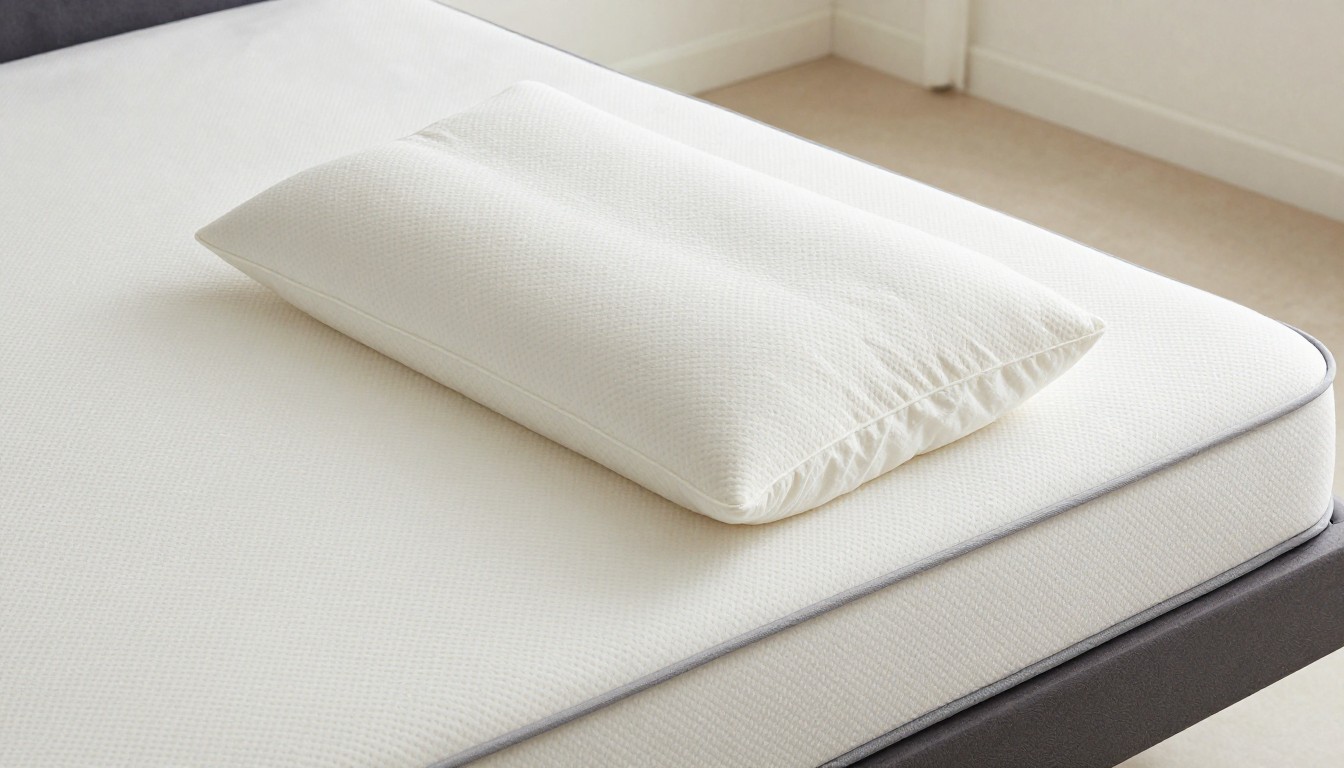
 by
by Quick answer: My conditional recommendation is the Saatva Pillow for shoppers whose confirmed configuration matches one of its listed measurements. It isn’t an overall winner; warranty-focused and size-focused buyers have different evidence to weigh.
- Saatva measurements: saatva-mattress.com lists 4-inch, 5-inch, 6-inch, and 7-inch figures for the Saatva Pillow.
- LatexLuxe warranty: amerisleep.com lists a 5-year warranty for the LatexLuxe Pillow.
- Evercool size and price: rest.com lists the Evercool® Cooling Pillow at 26 inches by 15.8 inches by 3 inches and $199.
Updated July 2026 · Reviewed for accuracy
This is a fit problem before it’s a brand problem. A zero-gravity position changes the relationship between your mattress, raised torso, neck, and head, so a pillow that feels right on a flat bed may not feel right after the base moves. The cited product pages don’t establish firmness, fill, cooling performance, or pain relief, so I won’t assign those qualities.
Why Pillow Fit Changes in a Zero-Gravity Position
Raise the upper section of an adjustable bed and the mattress supports your torso at a different angle. Your pillow then has a different space to fill between the mattress and the back of your head. That makes compressed height more useful than a pillow’s fluffy, untouched appearance.
A pillow that holds your head too far forward can push your chin toward your chest. One that collapses too deeply can let your head tip backward. I’d look for the middle position where your head feels supported without obvious forward or backward tilting.
Mattress compression matters too. Your shoulder and upper back may sink deeply into a softer surface or remain closer to the top of a firmer one. That difference changes how much pillow thickness you need, even if the adjustable base stays in the same position.
A practical fit check
- Move the bed into the zero-gravity position you actually use before judging the pillow.
- Lie in your normal spot rather than checking fit while sitting upright.
- Judge the pillow after your head has compressed it.
- Notice whether your chin is being pushed down or your head is falling backward.
- Recheck the fit if you change the base position or mattress.
The label on a pillow can’t answer those fit questions for you. If you’re still deciding which pillow style suits an adjustable setup, my broader guide to pillows for zero-gravity beds explains the category without limiting the discussion to back sleeping.
How These Three Pillow Options Compare
The documented buying signals are quite different. One listing provides several inch-based figures, another establishes a warranty period, and the third supplies external dimensions plus a listed price. Those facts support distinct use cases, but they don’t support an overall ranking.
| Pillow | Best fit for | Published fact | What still needs confirmation |
|---|---|---|---|
| Saatva Pillow | A measurement-led shopper willing to confirm which listed figure applies to the chosen configuration | saatva-mattress.com lists 4-inch, 5-inch, 6-inch, and 7-inch figures. | Meaning of each figure, compressed height, firmness, materials, and exact configuration |
| LatexLuxe Pillow | A warranty-led shopper who gives contractual coverage more weight than undocumented comfort claims | amerisleep.com lists a 5-year warranty. | Dimensions, construction, firmness, compressed height, price, and warranty terms |
| Evercool® Cooling Pillow | A size- and budget-led shopper who can decide from an external footprint and stated price | rest.com lists 26 inches by 15.8 inches by 3 inches and $199. | Compressed height, firmness, materials, warranty, and independently documented cooling performance |
I wouldn’t read more certainty into this table than the facts allow. A warranty doesn’t establish comfort, external dimensions don’t prove support, and a list of measurements isn’t useful until you know what each measurement describes.
The Nut’s take: Start with the unknown most likely to stop the purchase. That may be fit, physical size, warranty coverage, or price. Then verify the missing construction details before treating any option as suitable for your bed.
Saatva Pillow: What the Listed Measurements Tell Us
The range shown on saatva-mattress.com runs from 4 inches through 7 inches for the Saatva Pillow, but the cited facts don’t identify what each figure represents. I wouldn’t assume those measurements are all selectable lofts, finished heights, or versions of the same construction without direct confirmation.
The useful part is that you have concrete measurement questions to ask. Match the applicable figure against the pillow you already use in your preferred zero-gravity position, but compare compressed fit rather than measuring an untouched pillow standing on a table.
What the published figures can and can’t establish
- They can establish: the source associates several inch-based measurements with the pillow.
- They can’t establish: which measurement belongs to which component or configuration.
- They can’t establish: firmness, fill composition, compression, cooling, or durability.
- They can’t establish: whether your head will remain comfortably positioned on your mattress and base.
I’d also confirm whether the pillow has a fixed core, removable material, or another form of height adjustment. Those construction differences affect how a stated dimension translates into real support. A lofty pillow that compresses readily may position your head differently from a denser design with the same uncompressed height.
If you alternate between back and side sleeping, don’t optimize only for the zero-gravity back position. Side sleeping normally creates a different space between the head and mattress, so compare the same fit questions in both positions. My back-and-side sleeper pillow guide covers that compromise in more detail.
LatexLuxe Pillow: What the Warranty Does and Doesn’t Say
amerisleep.com publishes a 5-year warranty for the LatexLuxe Pillow. That is the only supported product-specific decision point here, and the duration alone doesn’t establish the pillow’s loft, firmness, dimensions, compressed feel, or suitability for a raised adjustable bed.
A warranty is a contract, not a comfort guarantee. Before giving it much weight, I’d check which defects qualify, whether compression or changes in feel are covered, what proof of purchase is required, and whether transport costs or other conditions fall on the owner.
Warranty questions worth resolving
- Which faults are treated as manufacturing defects?
- Are changes in shape or height covered?
- Are there care, foundation, or cleaning requirements?
- Does a replacement restart the coverage period?
- Who handles any return or replacement costs?
I also wouldn’t infer the internal material just from the product name. A name isn’t a layer breakdown. For a construction-led decision, you still need the fill composition, core design, cover material, finished dimensions, and an explanation of whether the height can be adjusted.
The warranty period is useful if contractual coverage is your main filter, but it doesn’t settle the zero-gravity fit question. Compare the pillow in your actual elevated posture within whatever return conditions apply, and keep comfort expectations separate from defect coverage.
Evercool® Cooling Pillow: What Size and Price Tell Us
rest.com lists the Evercool® Cooling Pillow at 26 inches by 15.8 inches by 3 inches and $199. Those are the most directly actionable size and budget facts in this comparison, although they don’t reveal how much the pillow compresses beneath a sleeper’s head.
The external footprint can help you check pillowcase compatibility, available bed space, and whether the listed profile is in the range you want to investigate. It still isn’t a substitute for compressed height. Fill behavior determines whether the head remains near the listed profile or settles much closer to the mattress.
Firm facts versus open questions
- Documented by rest.com: external dimensions and listed price.
- Not established by those facts: fill material, firmness, adjustability, and compressed height.
- Not established by the product name: comparative cooling performance or overnight temperature change.
- Still worth confirming: warranty coverage, return conditions, care requirements, and pillowcase fit.
I wouldn’t infer cooling performance from the trademarked name. To support that claim properly, I’d want a disclosed cover and fill construction or clearly described third-party temperature evidence. Neither is established by the facts cited here.
The listed price is still useful because it lets you decide whether further investigation makes sense for your budget. Just compare the complete terms, not the price alone. A lower or higher cost doesn’t tell you how the pillow will position your head after the adjustable base moves.
How I Compared Them and How to Check Your Fit
I limited this comparison to measurement clarity, external dimensions, the stated warranty period, and listed price. I didn’t award points for a product name or assign undocumented scores for cooling, support, pressure relief, motion control, edge support, or durability. This is an evidence-bound buying comparison, not a hands-on comfort test.
For fit, set up the bed before evaluating the pillow. Your flat-bed impression can mislead you because the upper-body angle has changed. Use the mattress, base setting, and sleeping posture you expect to keep overnight.
My zero-gravity pillow checklist
- Put the adjustable base in your normal zero-gravity position.
- Settle into your usual back-sleeping spot and allow the pillow to compress.
- Check whether your chin is being forced toward your chest.
- Notice whether your head tips backward or your neck feels unsupported.
- Confirm that the pillow stays positioned when you make ordinary movements.
- Repeat the check in any other base position you regularly use.
Construction should be the next filter. Ask for the exact fill, whether there is a solid core or loose material, whether any layers are removable, and how the stated height is measured. Also confirm cover care, return conditions, warranty exclusions, and the dimensions of the configuration you plan to order.
Don’t treat a pillow as a medical treatment. If lower-back pain is driving the purchase, the adjustable-base position and overall mattress support deserve attention alongside the pillow. This sleep-position guide for lower-back pain provides useful positioning context, while persistent or worsening symptoms call for qualified medical advice.
My verdict: The right choice is the pillow whose documented facts address your biggest uncertainty, followed by direct confirmation of the missing fit and construction details. The published records don’t support a universal winner.
ONE OPTION WORTH COMPARING
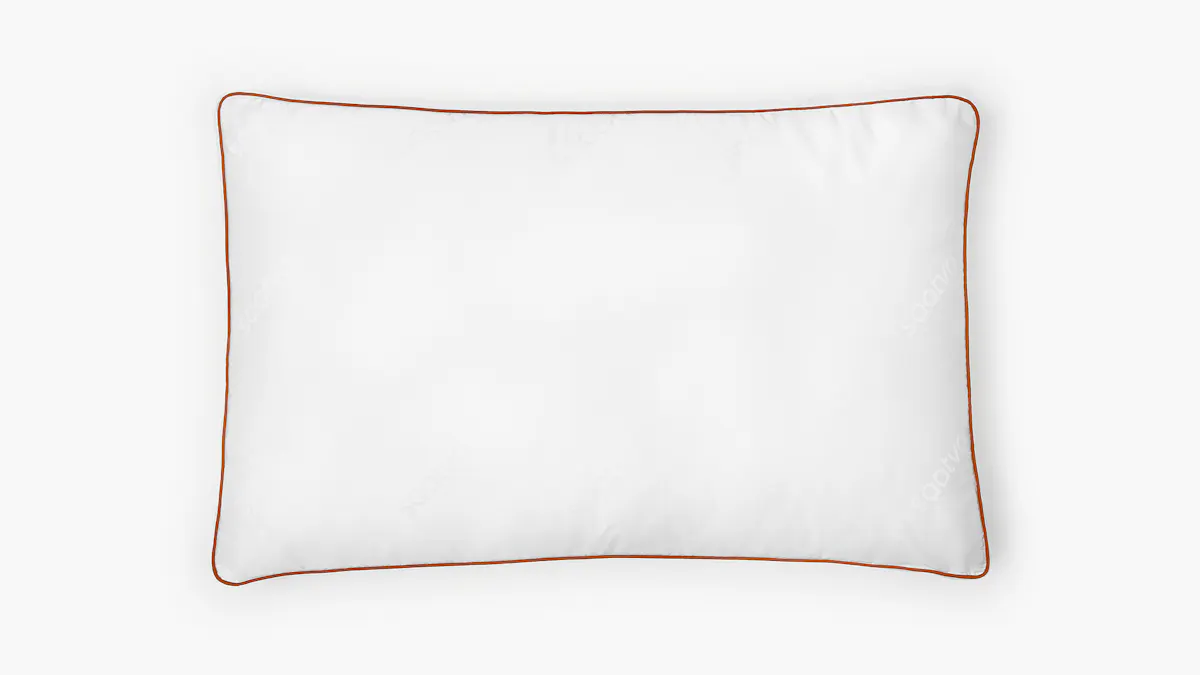
Shopping as well as reading? Here is one current option worth comparing: the Saatva Pillow. Check today’s price, sizing and return terms on the official product page before you order.
Saatva Pillow
- Shredded natural latex core, per saatva.com
- 45-day free returns
- Machine-washable organic cotton cover
FAQ
What pillow height is best for back sleeping in zero gravity?
There isn’t a universal height that fits every sleeper, mattress, and adjustable-base position. The useful measurement is the pillow’s compressed height while you’re lying in your normal setting, with your head supported without obvious forward or backward tilting.
How can I tell if my pillow is too high?
A pillow may be too high if it pushes your chin noticeably toward your chest or makes the back of your neck feel crowded. Recheck after the fill has compressed because the pillow’s initial appearance may not reflect its sleeping height.
Can I use a regular pillow on a zero-gravity bed?
Yes, provided it fits your body and remains comfortable after the base is raised. A special label isn’t proof of better compatibility, so judge the pillow by compressed fit, stability, and construction instead.
Keep the variables separate: Bed angle changes posture, mattress compression changes the space beneath you, and pillow construction controls how the fill responds. Evaluate the complete setup rather than blaming or crediting the pillow alone.
Does a cooling product name prove that a pillow sleeps cool?
No. A product name doesn’t establish cover performance, airflow, heat transfer, or overnight temperature results. Look for disclosed construction details or clearly attributed testing before treating cooling as a deciding advantage.
Should warranty length decide which pillow I buy?
Warranty length can matter if defect coverage is a priority, but it doesn’t predict comfort or zero-gravity fit. Read the coverage definitions and exclusions, then evaluate height, compression, construction, dimensions, and return conditions separately.