
 by
by Quick answer: Mascara stays on your lashes overnight and may flake or transfer as you move. I’d remove it gently with a suitable eye-makeup remover before bed.
- The mascara coating doesn’t disappear while you sleep.
- Contact with bedding can move residue onto your skin or pillowcase.
- Gentle removal is preferable to pulling or rubbing at dried mascara.
Updated July 2026 · Reviewed for accuracy
If you accidentally sleep with mascara on, don’t panic and don’t start scrubbing. The immediate issue is usually practical: dried product on your lashes, loose residue around the eye area, and possibly a marked pillowcase.
I wouldn’t claim that one forgotten removal has a guaranteed health outcome. Mascara formulas, application amounts, bedding contact, and individual sensitivity all differ, so the sensible response is careful cleanup and attention to how your eyes feel.
What actually happens to mascara while you sleep?
Mascara is a cosmetic coating placed directly on the lashes. If you go to bed without removing it, that coating remains there until moisture, friction, or a cleanser breaks it down.
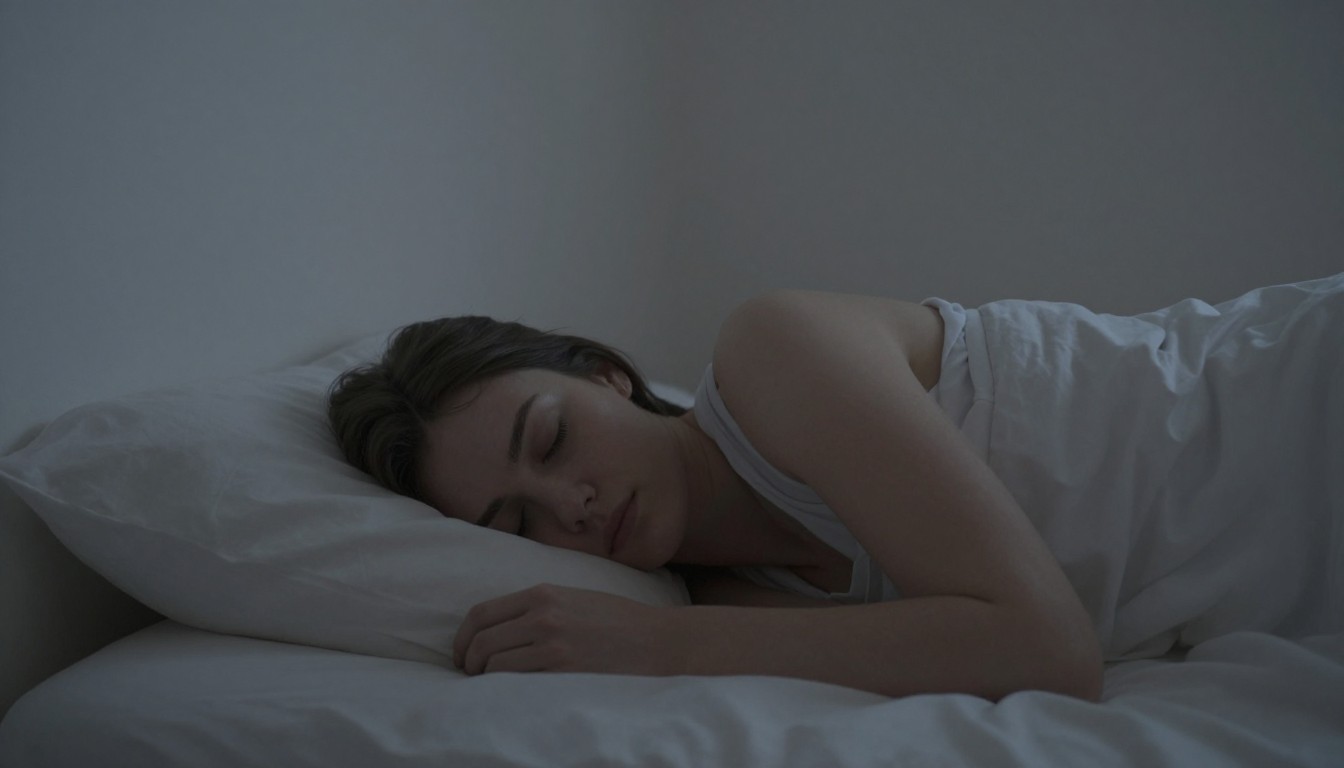
Sleep adds movement and contact. Your lashes may brush against skin, a pillowcase, or other bedding as your head changes position. That contact can leave the mascara looking smudged, pressed together, or flaky by morning, although the exact result depends on the formula and how heavily it was applied.
The product may also feel less flexible after sitting on the lashes overnight. That doesn’t prove damage has occurred, but it does make hurried picking or rubbing a poor cleanup method. Pulling at clumped lashes adds force where patience and a compatible remover would do the job more gently.
My take: The honest answer is less dramatic than many warnings online. Mascara can remain, dry, transfer, or flake. A specific medical outcome can’t be assumed from the fact that you slept in it.
WebMD’s general article “What Happens When You Sleep?” discusses how sleep affects the body, but it doesn’t provide a mascara-specific finding. It would therefore be a stretch to use that source as proof that overnight mascara inevitably causes a particular eye problem.
That distinction matters. A cosmetic mess is visible and easy to identify. A health diagnosis requires appropriate evidence and, when symptoms warrant it, qualified professional assessment.
Why the morning result varies so much
Pillow contact is the main overnight variable you can understand without making medical assumptions. A back sleeper whose lashes barely touch the bedding may see a different result from someone whose face presses into a pillow for part of the night.
The mascara itself matters too. Formulas aren’t identical, and the directions printed by one manufacturer shouldn’t automatically be applied to another. A product designed to resist moisture may need a different removal approach from one intended to rinse away more readily.
Application also changes the cleanup. A light coating leaves less material on the lashes than a heavier application. Adding other eye cosmetics can further complicate the morning residue because the products may mix rather than lift away together.
| What you notice | What it may mean practically | Reasonable next step |
|---|---|---|
| Mascara on the pillowcase | The coating transferred during contact with the bedding. | Follow the pillowcase care label rather than using an improvised cleaner. |
| Lashes look clumped | The dried coating may be holding some lashes together. | Soften and remove the product without pulling at the lashes. |
| Loose flakes around the eye area | Some of the coating may have broken away during sleep. | Avoid rubbing and use the product label’s removal guidance. |
| Ongoing discomfort | This has moved beyond an ordinary cosmetic cleanup question. | Stop applying eye cosmetics and ask a qualified eye-care professional for advice. |
The table isn’t a diagnostic tool. It simply separates visible cosmetic residue from a situation that deserves individual attention.
How to remove mascara after sleeping in it
The first useful move is to leave the dried mascara alone until you’re ready to remove it properly. Picking at individual flakes or trying to pull apart coated lashes can turn a straightforward cleanup into unnecessary tugging.
Start with clean hands and read the mascara’s own removal directions. Use an eye-makeup remover or cleansing product that the label identifies as compatible, especially if the mascara was marketed as resistant to water or long wear.
Keep the eyelid closed while working around the lashes. Let the remover loosen the coating, then wipe gently rather than scrubbing back and forth. If visible mascara remains, repeat the label-approved process patiently instead of increasing pressure.
A sensible morning reset
- Wash your hands before touching the eye area.
- Check the mascara label for its intended removal method.
- Use a suitable remover with the eyelid closed.
- Lift away softened residue without pulling on the lashes.
- Clean marked bedding according to its fabric-care instructions.
Don’t reach for a household solvent or a viral cleaning hack simply because it cuts through pigment elsewhere. A product that works on fabric, furniture, or another cosmetic isn’t automatically suitable around the eyes.
If your eye area feels normal once the makeup is gone, no further cosmetic troubleshooting may be necessary. If something still feels wrong, stop experimenting with more products and contact an eye-care professional who can assess the situation directly.
I’d also avoid immediately applying a fresh layer over residue you haven’t fully removed. New mascara can hide what remains, making it harder to tell whether the lashes are actually clean.
How to avoid falling asleep in mascara again
The easiest prevention point is earlier than bedtime. If mascara removal is always the final task after you’re already exhausted, move it to the point when you change clothes, brush your teeth, or finish using the bathroom for the evening.
Keep the correct remover where you’ll actually see it. The aim isn’t to build an elaborate beauty ritual. It’s to remove the one step that makes skipping cleanup feel easier than doing it.
A visual cue can help if the problem is simple forgetfulness. Place the remover beside another item you use every evening, provided it can be stored there safely and in line with its label. Avoid decanting products into unmarked containers because you may lose the directions and ingredient information.
Make the routine easier, not longer
Remove eye makeup before fatigue takes over, keep the compatible cleanser accessible, and follow the label. A dependable cue is more useful than relying on willpower at the end of a tiring night.
If late-night scrolling or an irregular routine is the real reason you’re falling asleep before getting ready for bed, mascara may only be the visible symptom of a broader habit. Our explanation of what junk sleep means covers the difference between simply being in bed and maintaining a more deliberate sleep routine.
Travel needs a little planning too. Bring the remover intended for the mascara you’re packing rather than assuming soap or whatever is available at your destination will work the same way. Keep every cosmetic in its labeled container so its directions remain clear.
If you repeatedly forget, simplify the decision before the evening starts. Either schedule removal earlier or skip mascara on days when you already expect to fall asleep quickly. That’s a practical choice, not a judgment about anyone’s beauty routine.
What this tells you about your eyes, sleep, and bedding
Mascara residue and sleep quality are separate questions. A stained pillowcase shows that pigment transferred; it doesn’t reveal how restorative your sleep was or establish that your mattress caused the problem.
The reverse is also true. A night of apparently comfortable sleep doesn’t tell you that leaving every eye cosmetic on overnight is suitable for you. Comfort, visible residue, and product compatibility are different observations.
Keep bedding concerns in proportion. Wash a marked pillowcase according to its care label, but don’t assume a cosmetic mark means the mattress underneath has a defect. Questions about a newly unpacked bed are covered separately in our guide to what happens if you sleep on a mattress too soon.
The useful dividing line: Visible mascara calls for careful removal. Persistent discomfort calls for professional advice. Neither situation benefits from dramatic assumptions or aggressive scrubbing.
I wouldn’t use a single forgotten night to predict a long-term outcome. I also wouldn’t present sleeping in mascara as a good routine. Removing the coating before bed is the cleaner, simpler choice because it reduces overnight residue and avoids a more involved morning cleanup.
FAQ
Is it bad to sleep with mascara on once?
No universal outcome can be promised from one occurrence. You may wake with dried mascara, flakes, clumped-looking lashes, or residue on your skin and pillow, so remove it gently and pay attention to how the eye area feels.
Will sleeping in mascara make my eyelashes fall out?
Finding mascara on your pillow or seeing a loose lash doesn’t establish a cause by itself. Don’t pull at coated lashes, and seek qualified advice if you notice a persistent change that concerns you.
What should I do if mascara gets into my eye overnight?
Stop applying cosmetics and follow the product label’s safety guidance. If discomfort continues or anything feels wrong beyond ordinary makeup residue, contact a qualified eye-care professional rather than testing more removal products.
Is water-resistant mascara different to remove the next morning?
Formulas can have different removal directions, so don’t assume the same cleanser works equally well for every mascara. Read the manufacturer’s label and use a compatible eye-makeup remover without scrubbing.
Can overnight mascara permanently stain a pillowcase?
Transfer can leave a visible mark, but the result depends on the mascara and the fabric. Follow the pillowcase care label and avoid applying an unapproved household cleaner around any bedding that may later contact your face.