
 by
by Quick answer: I recommend putting the Saatva Pillow on your comparison list, not treating it as a universal winner. Body shape and sleep position matter more than a “for guys” label.
- Saatva-mattress.com lists 4-inch, 5-inch, 6-inch, and 7-inch specifications for the Saatva Pillow.
- Amerisleep’s LatexLuxe product page states a 5-year warranty.
- Rest’s product page lists $199 and measurements of 26 inches, 15.8 inches, and 3 inches for the Evercool® Cooling Pillow.
Updated July 2026 · Reviewed for accuracy
VERIFIED COMPARISON
For best pillow for guys, compare the Saatva Pillow with the other verified options below using documented dimensions, ownership terms and fit factors.
3 VERIFIED OPTIONS COMPARED
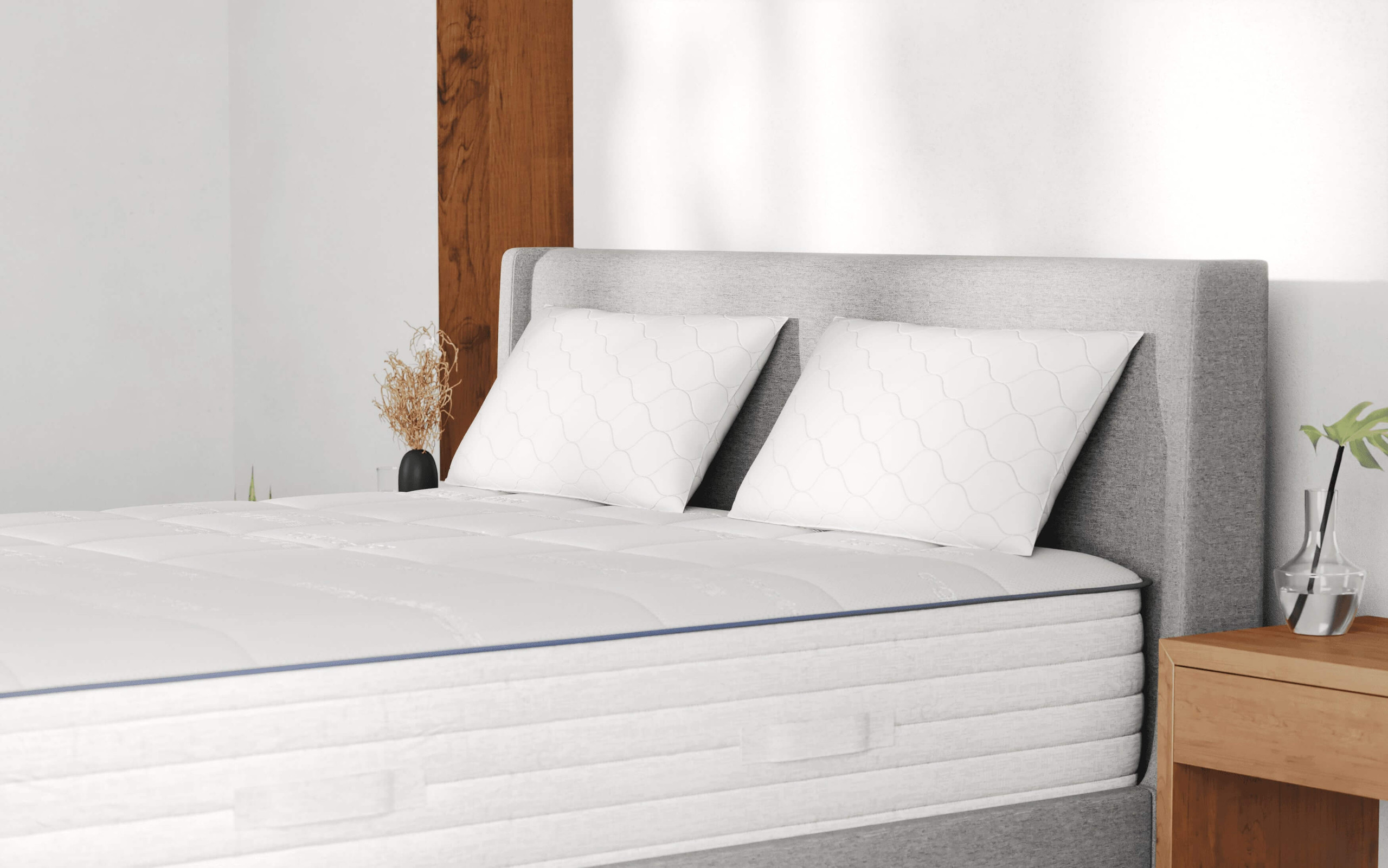
Saatva Pillow
- Product Published detail What remains unclear Saatva Pillow Saatva-mattress.com lists 4-inch, 5-inch, 6-inch, and 7-inch specifications.
- One of 3 products compared with bound source facts
- Order direct from the brand — current price, trial and warranty terms are on the official product page
3 verified options compared
The label “for guys” doesn’t tell me enough about whether a pillow will fit. Wirecutter’s 2026 pillow guide says the right choice depends on body shape and sleep position. That’s the useful lens for comparing these unranked candidates.
Why “for guys” is the wrong fit test
Wirecutter’s 2026 guide organizes six recommendations by down, down alternative, and memory foam, but it says body shape and sleep position determine which pillow is right for an individual. It doesn’t identify one construction as the answer for every man.
I agree with that approach. Two guys can share a height and still need different pillows because shoulder width, head position, sleep posture, and mattress compression change the space beneath the neck. A gender label can’t account for those differences.
The basic job is straightforward: the pillow should occupy the gap between your head and the mattress without pushing your head noticeably upward or letting it fall toward the bed. That gap is usually larger during side sleeping than back or stomach sleeping. The mattress matters too because a shoulder sinking into a softer surface changes the gap the pillow must fill.
The Nut’s fit rule: Start with your dominant sleep position, then account for body shape and mattress compression. Treat “men’s pillow” language as packaging, not a specification.
A useful pillow listing should disclose enough construction information to judge that fit. I want to see the finished loft, fill type, firmness or compression behavior, dimensions, care instructions, and applicable warranty terms. Missing fields don’t automatically make a pillow poor, but they do make the purchase harder to evaluate.
Product details compared without invented rankings
The published details are uneven. The first candidate has several inch specifications, the second has a warranty term, and the last has a listed price plus measurements. That prevents an honest specification-for-specification winner.
| Product | Published detail | What remains unclear |
|---|---|---|
| Saatva Pillow | Saatva-mattress.com lists 4-inch, 5-inch, 6-inch, and 7-inch specifications. | The bare figures do not explain how each measurement maps to a configuration or selection. |
| LatexLuxe Pillow | Amerisleep’s LatexLuxe product page states a 5-year warranty. | The cited details do not establish its loft, size, firmness, price, or care requirements. |
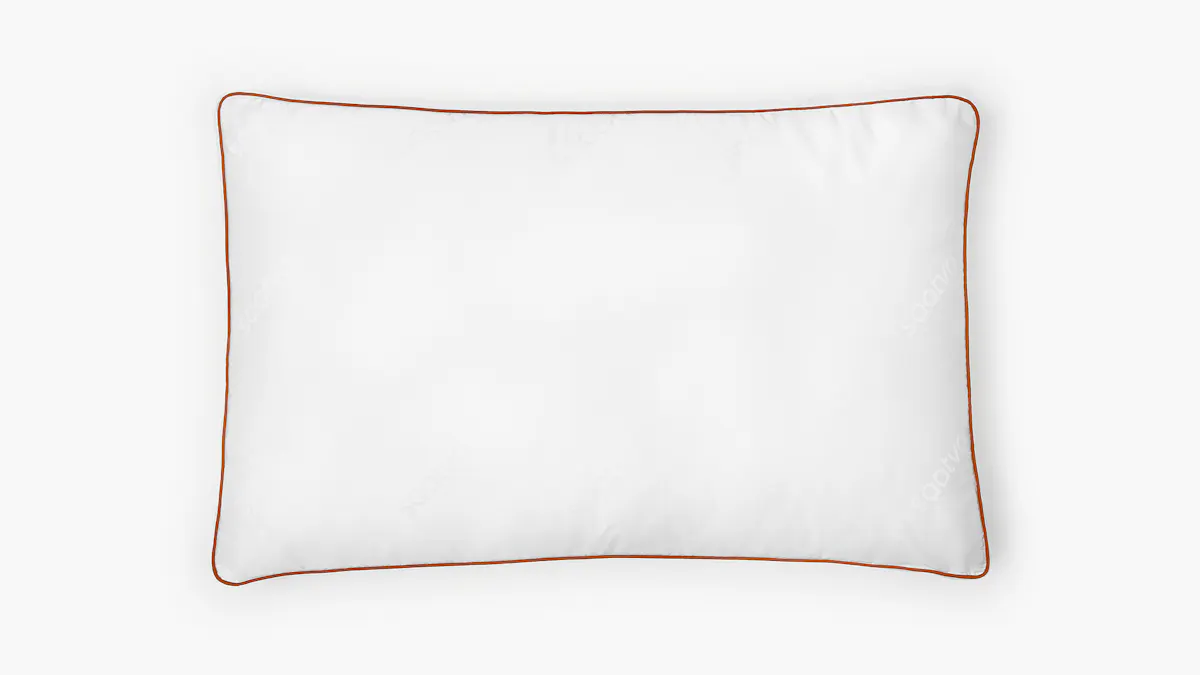
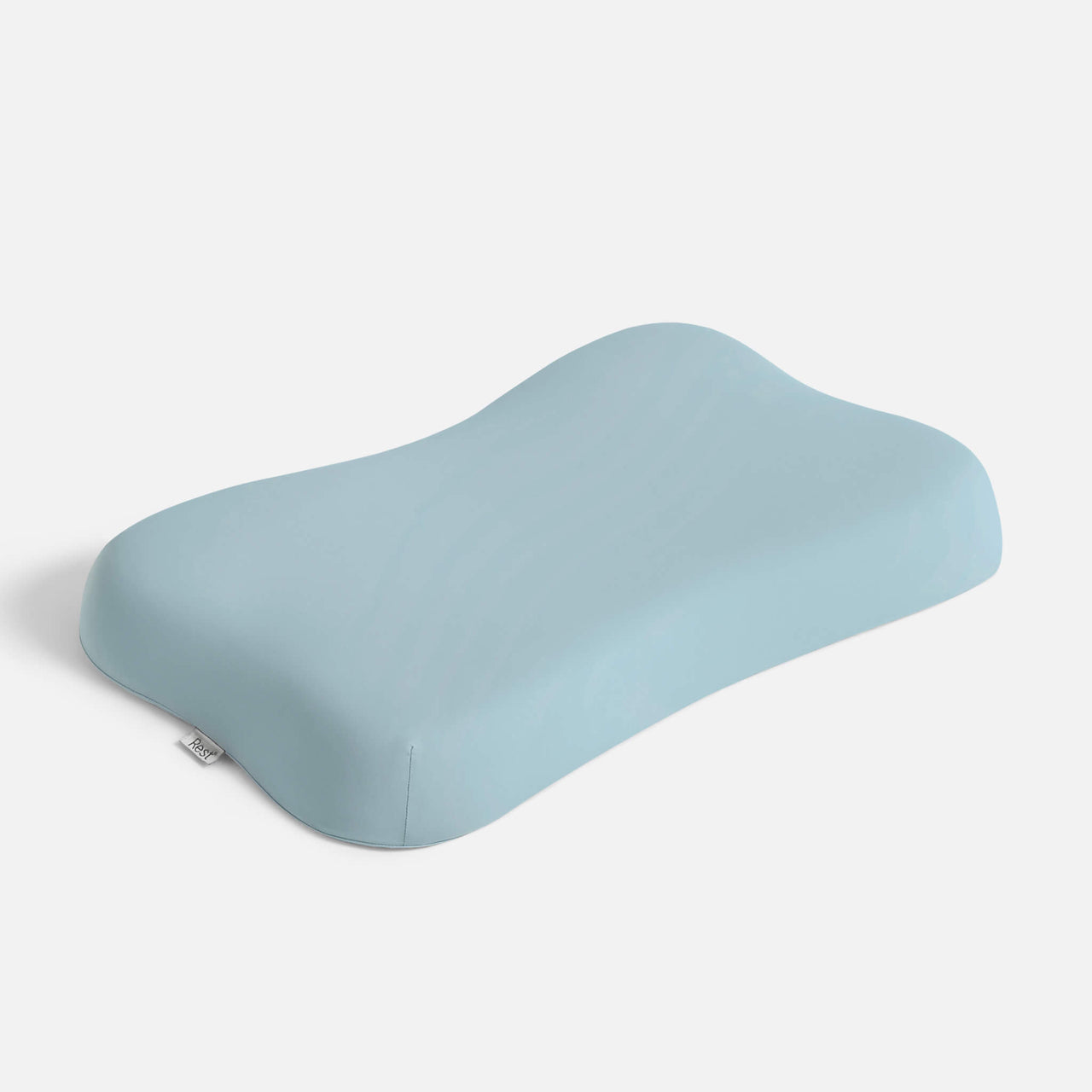
| Evercool® Cooling Pillow | Rest’s product page lists $199 and measurements of 26 inches, 15.8 inches, and 3 inches. | Those figures do not establish fill, firmness, warranty coverage, or thermal performance. |
Saatva Pillow
For the Saatva Pillow, the clearest use case is a shopper who wants several published inch figures to investigate before choosing. Saatva-mattress.com lists 4-inch, 5-inch, 6-inch, and 7-inch specifications, but the page details cited here do not establish whether those are separate loft choices, dimensions tied to variants, or something else. I’d confirm exactly what each figure represents before using it to judge neck position.
LatexLuxe Pillow
The LatexLuxe Pillow has the strongest documented case for someone placing warranty length high on the checklist. Amerisleep’s product page states a 5-year warranty, but that term says nothing by itself about loft or comfort. I’d read what the warranty covers, what it excludes, and how a claim works while separately confirming the missing construction and fit details.
Evercool® Cooling Pillow
The Evercool® Cooling Pillow is easiest to screen for a buyer with firm space and budget limits. Rest’s product page lists $199 and three measurements of 26 inches, 15.8 inches, and 3 inches, although I’d confirm which figure represents each dimension. The word “Cooling” in the name isn’t proof of thermal performance, so I wouldn’t infer temperature regulation without disclosed materials or a relevant published test.
Questions to settle before paying:
- Which measurement is the finished loft under no load?
- Is the loft fixed, adjustable, or tied to a particular configuration?
- What fill and internal construction create the stated feel?
- What can be washed, and what must be spot-cleaned?
- What do the warranty and return terms actually cover?
Match the pillow to your actual sleep position
Wirecutter identifies body shape and sleep position as central pillow-fit factors. I’d therefore choose a posture target before comparing product names, cooling language, or warranty length.
Side sleepers
Side sleeping leaves a space between the ear and mattress created largely by the shoulder. The pillow needs to occupy that space without pushing the head toward the ceiling. A broader shoulder or less-compressible mattress can increase the required support, while deeper shoulder sink can reduce it.
Back sleepers
A back sleeper generally needs enough material to support the head and the natural space behind the neck without forcing the chin sharply toward the chest. Look at the whole upper-body position rather than chasing the tallest listed number. A pillow that compresses substantially may also feel lower in use than its unloaded measurement suggests.
Stomach sleepers
Stomach sleeping already turns the head to one side, so excess height can add another angle. Start by checking whether the pillow lifts your face noticeably away from the mattress. For a more focused breakdown, see my stomach-sleeper pillow guide.
A simple alignment check: Lie in your normal position and have someone view your head from the side or behind. A clear upward or downward tilt means the pillow height deserves another look.
Combination sleepers
Combination sleepers face a compromise because the ideal gap changes with position. Prioritize the posture in which you spend most of the night, then consider whether the pillow’s fill can be redistributed or its loft altered. None of the cited product details confirms adjustability, so that question needs direct verification.
A regular bed pillow also isn’t a substitute for deliberate upper-body elevation. If elevation is the main requirement, treat that as a separate product category and use the wedge-pillow guide for acid reflux rather than trying to stack ordinary pillows.
Construction, cooling, and durability questions that matter
Sleepopolis says its pillow evaluations consider comfort, support, construction, care, and overall value. Wirecutter also separates recommendations by fill type. Those are better shopping fields than gender because they address how the pillow is built and how it behaves.
The named product pages do not provide comparable answers across all those fields. I would use the following checklist to close the gaps instead of filling them with assumptions.
- Construction: Identify the fill, internal chambers, removable components, and shell material. A product name alone doesn’t reveal its layer design.
- Feel and loft: Ask for finished loft and compression guidance. Unloaded height doesn’t fully describe where your head will rest.
- Cooling: Look for disclosed materials and a clear explanation of how thermal claims were assessed. None of the cited product facts supplies a verified thermal result.
- Movement and noise: Ask whether the fill shifts or requires frequent redistribution. No cited detail establishes noise or shape retention for these candidates.
- Edge shape: Check whether the perimeter is reinforced, tapered, or identical to the center. That can matter if you sleep near the edge of the pillow.
- Care and durability: Read the cleaning instructions and inspect whether the cover is removable. Also check what the warranty defines as a covered defect.
- Value: Compare usable construction details, care requirements, and policy protection alongside price. A price without those fields isn’t a complete value case.
I pay particular attention to how a pillow is expected to hold its shape. Permanent compression, badly displaced fill, split seams, or a damaged closure can change support even when the pillow still looks serviceable from across the room. The cited pages do not provide comparable durability findings, so I can’t rank these candidates by expected lifespan.
A warranty helps only within its written terms. It should not be treated as proof that a pillow will feel comfortable for a particular sleeper or remain unchanged for the full warranty period. Comfort, construction durability, and contractual coverage are separate questions.
How I chose the comparison criteria
Wirecutter puts body shape and sleep position at the center of pillow selection. Sleepopolis names support, construction, care, and value among its evaluation fields, while Sleep Foundation’s 2026 guide focuses on the factors that matter in pillow shopping. I used those published criteria as a practical framework.
Product-specific statements are limited to details attached to the named pages. I didn’t turn missing specifications into features, infer cooling from a product name, or borrow another publication’s rankings. This is an evidence-led buying comparison, not a claim of first-hand or laboratory testing.
What carried weight:
- Relevance to body shape and sleep position
- Measurements, prices, or policies tied to a named source
- Clear separation between a published fact and an unanswered question
- Enough construction detail to judge support, care, cooling, and value
The result remains unranked because the pages disclose different categories of information. Choosing a universal winner from mismatched fields would imply knowledge about feel and performance that the cited details do not establish.
My verdict: fit beats a gender label
The product pages disclose inch specifications for one candidate, a warranty term for another, and price plus measurements for the last. That’s enough to identify conditional use cases, but not enough to crown one pillow for every guy.
My verdict: Measure the support problem before shopping the solution. Use your dominant sleep position and body-to-mattress gap first, then verify loft, fill, firmness, care, and policy details. The best pillow for a guy is the one that fits that specific sleeper.
FAQ
Is there really one best pillow for all guys?
No. Wirecutter’s 2026 guide says the right pillow depends on body shape and sleep position, and those factors vary between individuals. A men’s label is too broad to establish fit.
How do I know whether a pillow has the right loft?
Lie in your normal position and look for an obvious upward or downward head angle. The useful loft is the one that fills your body-to-mattress gap after the pillow compresses, not necessarily the largest unloaded measurement on a product page.
Should my pillow match my mattress?
Tom’s Guide frames pillow choice alongside the sleeper’s mattress needs. That makes mechanical sense because deeper shoulder or torso sink changes the space beneath the head and neck, so a pillow cannot be judged entirely apart from the sleeping surface.
Keep the order straight: Sleep position first, mattress compression second, pillow construction third. Product labels come after fit.
Does “cooling” in a pillow name prove that it sleeps cooler?
No. A name is not a thermal test result. Look for disclosed materials, a relevant assessment method, and conditions that explain the claim before expecting a temperature difference.
Does a longer warranty mean a pillow will last longer?
Not necessarily. A warranty describes contractual coverage under specified terms; it does not establish comfort, suitable loft, or expected service life. Read the exclusions and covered-defect language before using warranty length as a tiebreaker.
COMPARISON TAKEAWAY
Use the documented measurements, ownership terms and fit factors above to choose among these 3 options for best pillow for guys.
Saatva Pillow