
 by
by Quick answer: Saatva Organic Cotton Sheets are my starting recommendation for shoppers who want a natural-fiber option, while the bamboo sets suit people who prefer that fabric category.
- The product catalog identifies Saatva Organic Cotton Sheets as its leading sheet-set recommendation.
- The catalog identifies Bamboo Sheets as a bamboo-sheet option.
- The catalog identifies Amerisleep Bamboo Sheets Set as a bamboo-sheet set.
Updated July 2026 · Reviewed for accuracy
OUR VERDICT
For best sheets that don't pill, the Saatva Organic Cotton Sheets is the pick we’d order first — every product below has real strengths, and the full comparison shows exactly why this one comes out on top.
OUR #1 PICK OF 3 COMPARED
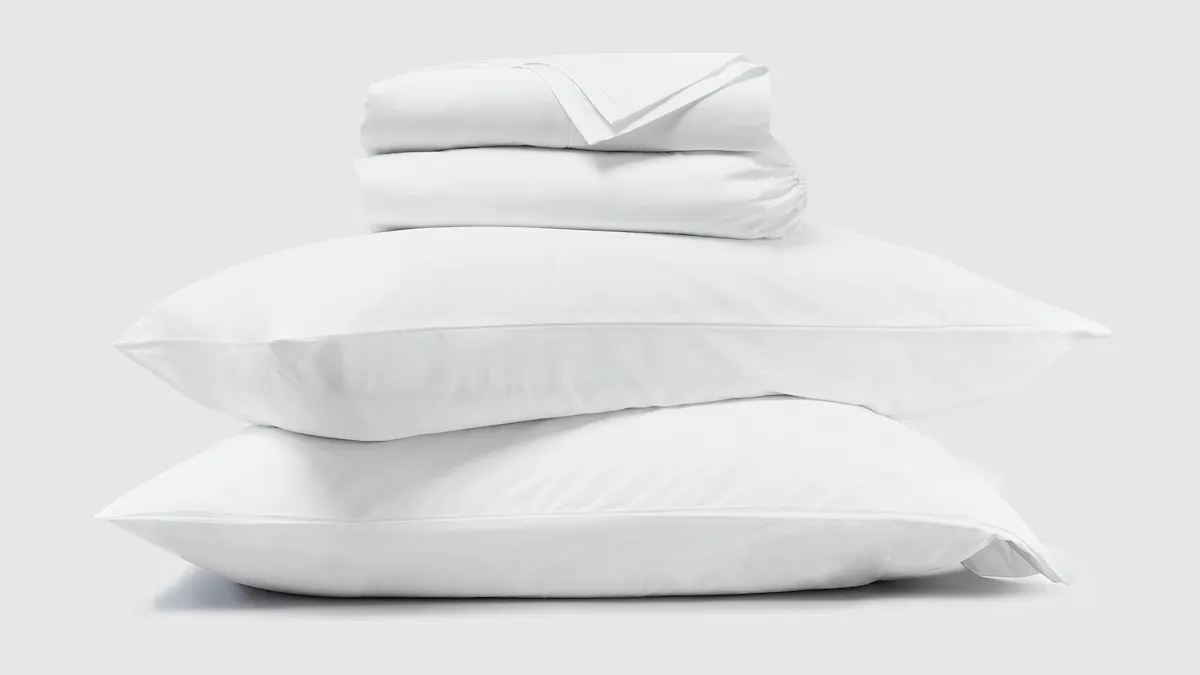
Saatva Organic Cotton Sheets
- My lead choice here is Saatva Organic Cotton Sheets because the catalog positions it as the primary recommendation and cotton gives shoppers a natural-fiber route.
- Our #1 pick of the 3 products compared on this page
- Order direct from the brand — current price, trial and warranty terms are on the official product page
Our top 3 picks compared
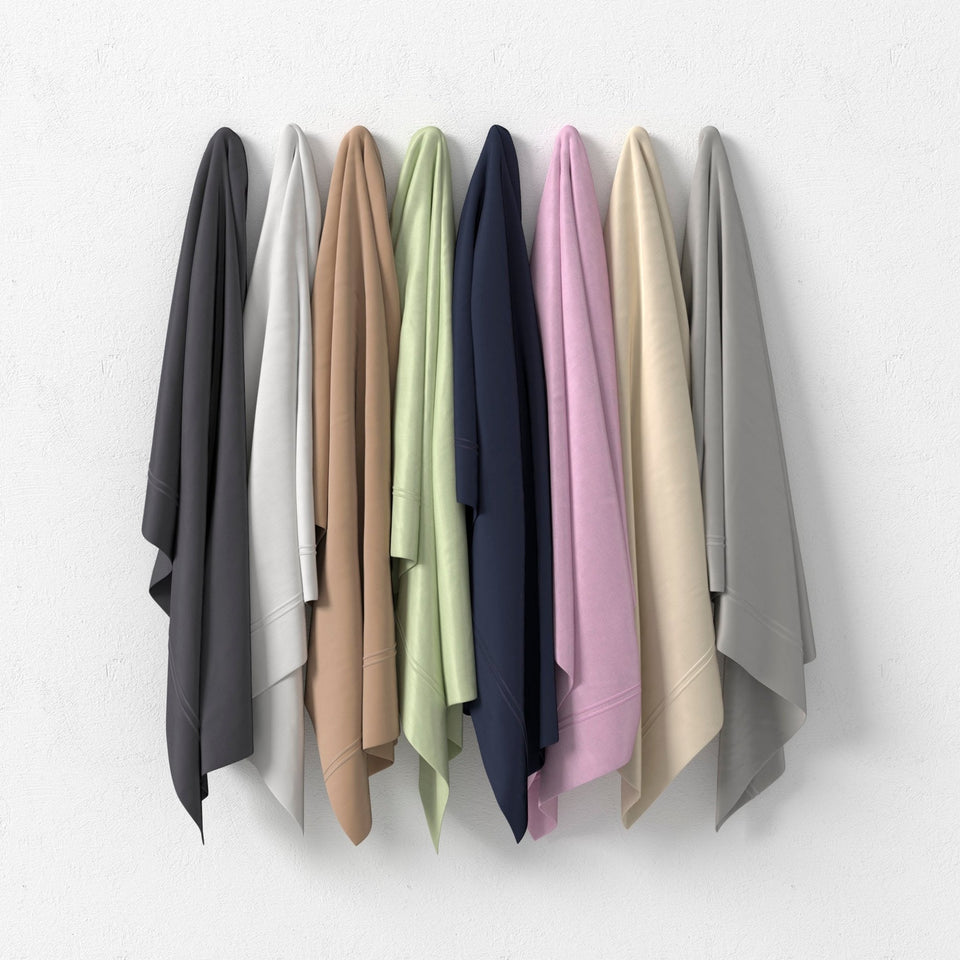
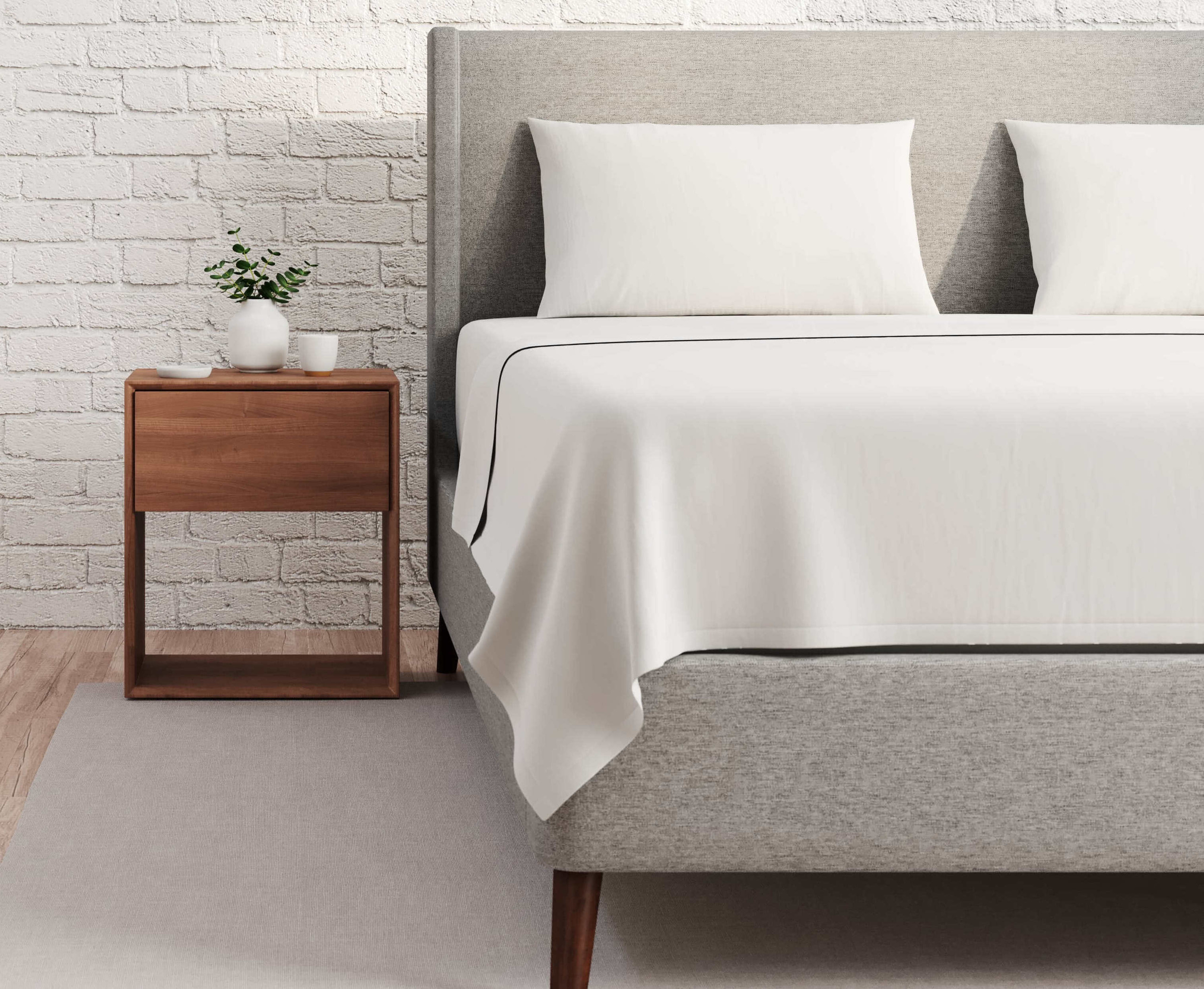
Pilling is a fabric failure, not a harmless cosmetic quirk. Those little balls form when loose or broken fibers work free, tangle, and stay attached to the surface. I’d begin with fiber length and weave, then narrow the choice to the feel you actually want to sleep on.
My lead choice here is Saatva Organic Cotton Sheets because the catalog positions it as the primary recommendation and cotton gives shoppers a natural-fiber route. Bamboo Sheets and Amerisleep Bamboo Sheets Set are the alternatives for buyers specifically seeking bamboo sheets. None of those labels alone guarantees a pill-free bed, so care and realistic expectations still matter.
Why sheets pill in the first place
Pilling starts with friction. Your body moving in bed, a rough wash cycle, abrasive fabrics in the same load, and high dryer heat can all put stress on yarns. Once short or weakened fibers loosen, they can knot into visible pills rather than falling away.
Long-staple cotton is worth seeking because longer fibers create fewer exposed ends than shorter fibers. The bedding guidance in the cited industry roundups points to long-staple cotton, including Egyptian and Pima varieties, as a material category associated with better resistance to pilling. That is a useful construction signal, not a promise that every cotton sheet will wear identically.
Percale also deserves attention. The cited bedding roundups describe percale as a crisp weave that tends to resist pilling better than looser constructions, largely because a tidy, tightly woven surface has less opportunity for fibers to snag and gather. Sateen can feel smoother at first touch, but its structure may be more prone to pilling in some cases, according to the same guidance.
The Nut’s take: Don’t shop by thread count alone. A clean, well-made weave and sound fiber quality tell me far more about likely surface wear than a large number printed on a package.
A tightly woven synthetic can resist pilling well, too. The cited bedding guidance identifies tightly woven microfiber and dense synthetic blends as practical choices for surface durability. The tradeoff is feel and breathability: a sheet can be resilient against pills without feeling remotely like cotton or bamboo.
If thread count is the only spec a listing emphasizes, pause. It doesn’t disclose staple length, yarn quality, finishing, or whether the fabric has been built to handle repeated washing. For a clearer way to read that label, see what thread count is best for sheets.
Saatva Organic Cotton Sheets, best natural-fiber starting point
Saatva Organic Cotton Sheets are the catalog’s leading recommendation in this lineup. I’d put them first for shoppers who want an organic-cotton sheet set and would rather avoid choosing bamboo simply because it is marketed as soft.
The product name establishes the material direction, organic cotton, but it does not by itself establish a weave, staple length, finish, pocket depth, or pilling guarantee. I would check the current official listing before buying for the exact construction and care directions. That restraint matters: pilling resistance depends on the yarn and weave details, not the word “organic” alone.
Cotton makes sense for people who prioritize a more traditional sheet feel and who run warm enough to care about breathability. The cited bedding guidance recommends breathable cotton percale or linen for hot sleepers rather than dense synthetics. Whether this particular set is the right fit depends on the details the manufacturer currently publishes.
- Best for: shoppers who want the catalog’s primary recommendation in an organic-cotton category.
- Why it belongs here: cotton is a natural-fiber route, and careful fabric construction is central to reducing surface wear.
- Check before ordering: the current official material details, weave description, fitted-sheet fit, and care label.
My practical advice is simple: wash new cotton sheets as directed, keep rough items out of the same load, and use restrained heat. That doesn’t turn a poorly made sheet into a durable one, but it avoids adding unnecessary abrasion to a fabric you want to keep smooth.
Bamboo Sheets, best for shoppers set on bamboo
Bamboo Sheets are the second catalog option, and the catalog specifically identifies them as bamboo sheets. That makes them the direct choice for someone who already knows they prefer the bamboo category over cotton.
“Bamboo” is not a complete durability description. It tells you the product category, not the yarn quality, weave density, blend details, or finishing process. Those construction details are what I’d inspect on the current manufacturer listing before deciding whether the fabric is likely to hold its surface well.
The cited bedding guidance says fiber consistency matters. A set made from a single fiber type, or a blend deliberately made for durability with a tight weave, gives a shopper a more useful clue than broad marketing language. That is especially relevant with bamboo sheets because softness claims can crowd out the details that matter for long-term wear.
A bamboo option can be sensible if its hand feel is your priority, but don’t confuse soft with immune to pilling. Softer fabrics can still develop pills if their yarns are weak, if the weave is loose, or if laundry habits create too much friction. Read the care instructions and follow them closely.
What I’d check on a bamboo listing: the exact fiber content, whether it is a blend, the weave description, the care instructions, and the current return terms. Those details make a much better durability case than a generic softness claim.
For hot sleepers, breathable construction remains the bigger question. The cited bedding guidance favors breathable fibers and lighter weaves for people sensitive to heat. Bamboo as a category does not settle that question without the specific fabric construction behind it.
Amerisleep Bamboo Sheets Set, another bamboo-set route
Amerisleep Bamboo Sheets Set is the third catalog pick, identified there as a bamboo sheets set. I see it as the alternative for shoppers comparing bamboo sets rather than deciding between a bamboo sheet and a cotton sheet.
It should be judged on the same fundamentals as any other pilling-conscious purchase: disclosed fiber content, an understandable weave, a clear care label, and a retailer policy you have read rather than assumed. The name confirms the bamboo category, but it does not support extra claims about feel, finish, durability, or temperature performance.
This is where comparison discipline pays off. If two bamboo sets both appeal to you, use the current official product pages to compare the details that actually affect wear. Favor a listing that clearly explains its materials and laundry requirements. Vague promises about luxury or softness won’t tell you whether the surface will remain tidy after regular use.
I would also consider your existing bedding. If you use a rough blanket, abrasive bedspread, or towels in the same wash load, even a promising sheet fabric gets more opportunities to rub and fuzz. A sheet set is only one part of the wear equation.
How the three options compare
The catalog gives one cotton option and two bamboo options. That means the useful divide is material preference, not unsupported claims that one is objectively more durable than the others. Here is the cleanest way I’d frame the choice.
| Sheet set | Catalog note | Best fit | What to verify |
|---|---|---|---|
| Saatva Organic Cotton Sheets | Leading catalog recommendation | A shopper seeking organic cotton | Current weave, construction, care, and fit details |
| Bamboo Sheets | Bamboo sheets | A buyer specifically drawn to bamboo fabric | Fiber content, blend information, weave, and care |
| Amerisleep Bamboo Sheets Set | Bamboo sheets set | A shopper comparing bamboo-set alternatives | Current materials, wash guidance, and return policy |
For a natural-fiber starting point, I’d begin with the cotton option. For a bamboo preference, compare the two bamboo sets based on their current official specifications rather than assumptions. That is the honest way to shop a category where pilling resistance is influenced by construction that may not be fully conveyed in a product name.
There is also no need to chase wrinkle resistance at the expense of surface durability. Some finishes can change the hand feel and maintenance profile of a sheet. If smooth-looking bedding matters as much as avoiding pills, read my guide to the best wrinkle-free sheets alongside the care label.
How I’d choose sheets that stay smoother longer
Start with the fiber. The cited bedding guidance favors long-staple cotton for reduced pilling potential and recognizes tightly woven microfiber as a durable budget-oriented category. Linen can also be a good option for shoppers who want a breathable natural fiber and accept a more textured look.
Then inspect the weave. Percale is the obvious construction to look for if a crisp hand and pilling resistance are your priorities, according to the cited bedding roundups. A dense, well-explained weave gives you a better reason to expect durability than a vague “premium” label.
After that, match the fabric to your sleep temperature. The cited guidance recommends breathable cotton percale or linen for hot sleepers, while heavier breathable weaves may work for cooler sleepers. I would not select a dense synthetic just because it may resist pills if you already know you sleep hot.
My shopping order: fiber and weave first, care instructions next, then the feel you want. That sequence keeps the decision grounded in construction instead of a package claim.
Finally, make the sheet work with your mattress. A fitted sheet that is poorly matched to your mattress can shift and create extra rubbing. Check the current fit guidance from the manufacturer, especially if you use a thick mattress, topper, or adjustable base. Shoppers with adjustable beds may also find these sheets for Tempur-Pedic adjustable beds useful for fit-focused context.
Care habits that help prevent pilling
Low-friction laundry is the simplest protection you control. Follow the sheet maker’s instructions, avoid high heat, and skip harsh detergents, as the cited bedding guidance recommends. Those choices reduce the stress that loosens fibers and starts the pill-forming process.
Wash sheets with sheets whenever practical. Zippers, rough towels, heavy garments, and abrasive fabrics can rub against the surface during a cycle. Turning pillowcases inside out can also reduce direct abrasion on the face fabric, particularly if you notice early fuzzing around seams.
Don’t overload the washer or dryer. Crowded loads increase rubbing and can leave detergent behind, while aggressive drying can add heat stress. Let the care label lead, because each fabric construction may have its own limits.
Replace a sheet only after looking at the whole system. A pilled surface may point to the sheet’s construction, but it can also reflect an abrasive duvet cover, a rough blanket, a washing habit, or a mattress surface that creates more drag than you realized. Fixing those factors helps the next set last better.
My verdict on sheets that don’t pill
Saatva Organic Cotton Sheets are where I’d start if you want the catalog’s primary organic-cotton recommendation. Cotton gives you a natural-fiber direction, and the right construction can be a sensible answer for shoppers trying to avoid a fuzzy, worn-looking bed.
If bamboo is the feel you want, Bamboo Sheets and Amerisleep Bamboo Sheets Set are the two catalog alternatives to compare. Neither should be chosen on the product name alone. Read the current material and care details, then select the set whose construction is explained clearly enough to earn your confidence.
My bottom line is blunt: no honest seller can promise that a sheet will never pill. Buy for a sound fiber-and-weave story, keep friction and heat under control, and you’ll give yourself the best chance of a smoother bed for longer.
FAQ
What type of sheets are least likely to pill?
The cited bedding guidance points to long-staple cotton, linen, tightly woven microfiber, and dense synthetic blends as categories that can resist pilling well. Construction still matters, so look for a clear weave description and care instructions.
Does a higher thread count prevent pilling?
Not by itself. Thread count does not tell you enough about staple length, yarn quality, or weave structure to predict surface wear. A well-made, tightly woven fabric is a more useful sign.
Are percale sheets better than sateen for pilling?
The cited bedding guidance describes percale as crisper and generally more resistant to pilling than looser weaves. Sateen may feel softer, but it can pill more in some cases depending on its construction and care.
Can bamboo sheets pill?
Yes. Bamboo is a fabric category, not a guarantee against pilling. Check the current fiber content, weave details, and washing instructions for the particular set you are considering.
How do I stop my sheets from pilling after washing?
Follow the manufacturer’s care instructions, avoid harsh detergent and high heat, and reduce abrasion by keeping rough laundry out of the same load. Those habits cannot reverse existing pills, but they can reduce the wear that creates new ones.
FINAL VERDICT
Of the 3 products compared for best sheets that don't pill, the Saatva Organic Cotton Sheets ranks first. The cards above show where each alternative fits; confirm current dimensions and terms on its product page.
Saatva Organic Cotton Sheets