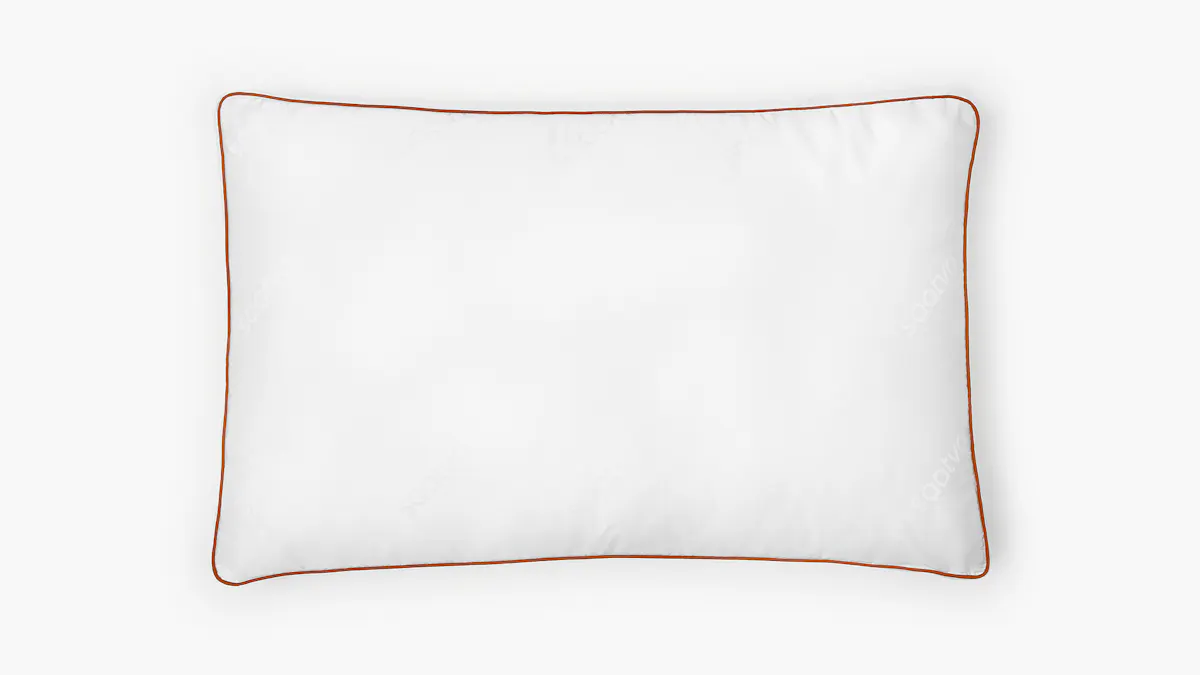
 by
by Quick answer: The Casper Down Pillow looks best for sleepers who want a plush, shapeable down feel. I’d skip it if you need reliably firm neck support or have unresolved down-allergy concerns.
- Casper describes it as a down-filled pillow with a multi-chamber construction.
- The official product information positions the feel as plush and moldable.
- Casper’s product page is the place to confirm current fill details, care instructions, availability, and price.
Updated July 2026 · Reviewed for accuracy
The Casper Down Pillow product page points to a simple proposition: real down, a soft hand, and a chambered build meant to keep the pillow from feeling like one loose sack of fill. That can be lovely for the right sleeper. It can also be a poor match if your neck needs a pillow that holds a fixed, firmer shape.
My verdict is measured. This is a premium-feeling down pillow for people who value moldability more than precision support. Before buying, I’d verify the current fill breakdown and care label directly with Casper, then decide whether the softness is actually suited to your sleep position.
What the Casper Down Pillow Is Trying to Do
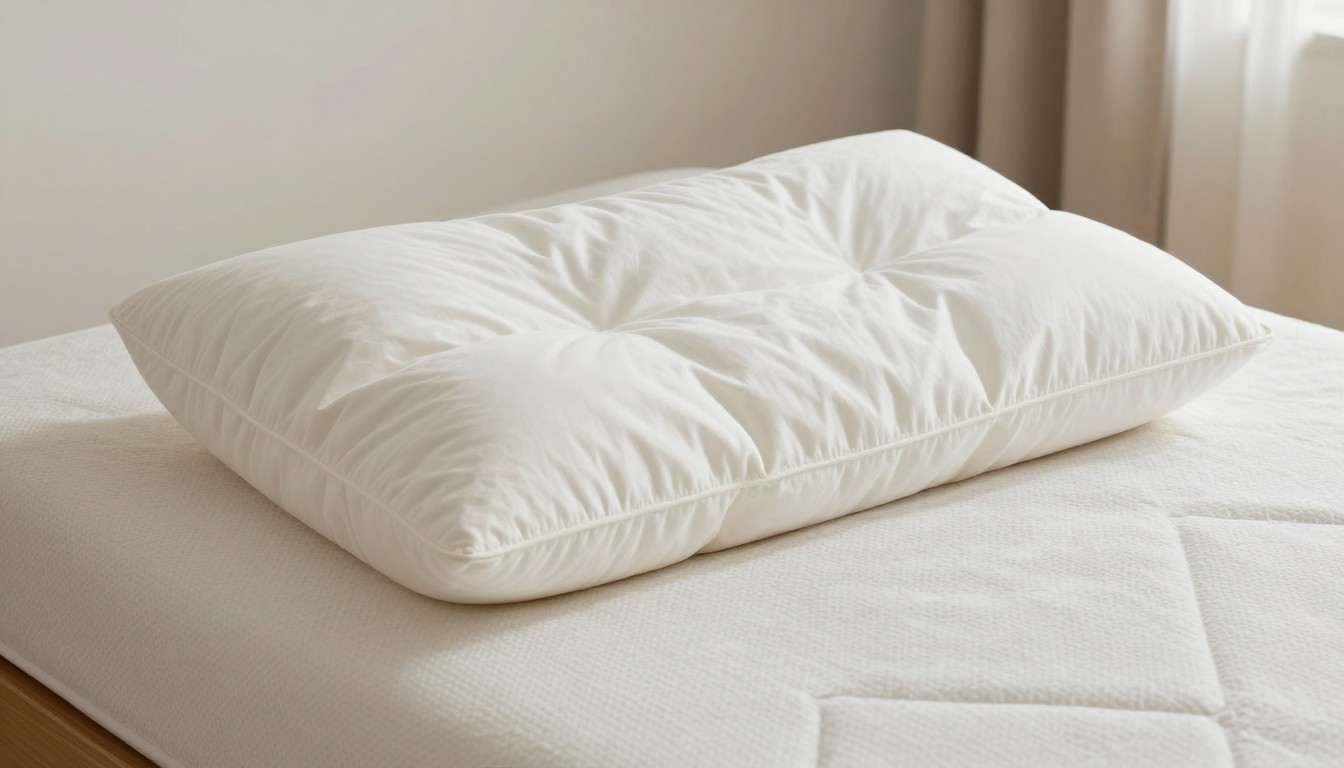
A multi-chamber pillow is the central detail here. Casper describes the Down Pillow as using separate chambers to balance a soft outer feel with a more supportive center, rather than relying on a single uniform pocket of down.
That construction matters because down moves. It compresses under the head, shifts when you change position, and responds to how you fluff it. A chambered layout is a sensible answer to that behavior. The outer portions can preserve the plushness people expect from down, while the inner area is intended to give the pillow more structure, according to Casper’s product description.
I’d treat “supportive” carefully with any down pillow. Support from down is not the same as support from dense foam or a structured latex core. Down can cradle the head beautifully, but it is inherently easy to compress. The benefit is adjustability. The trade-off is that the shape you make at bedtime may not be the shape you have later in the night.
The construction read: Casper’s chambered approach should make more sense for sleepers who like to scrunch, fold, or redistribute a pillow. It makes less sense for anyone who wants a fixed loft with very little maintenance.
The product is presented as a down pillow, with a cotton or percale-style cover commonly associated with the line in Casper’s product information. I like that pairing in principle. Natural down supplies the compressible, moldable feel; a tightly woven cotton cover can give the surface a cleaner, less slick feel than a synthetic shell. Still, the exact cover and fill details can change by version or retailer, so the current Casper listing should be the deciding source.
Feel Matters More Than Marketing Here
“Plush” is not a vague word in this category. With down, plush usually means the pillow yields quickly, lets the head settle in, and can be reshaped by hand. Casper positions this pillow that way on its product page, and that is the characteristic I would focus on most.
For stomach sleepers, that soft, compressible behavior may be the appeal. A pillow that packs down can reduce the feeling of the head being pushed too high above the mattress. Whether it works for an individual sleeper still depends on body proportions and how much fill remains beneath the head, but the general use case fits the material.
Back sleepers are more conditional. If you like a low, soft cradle and are willing to fluff the pillow, down can feel relaxed and natural. If your head tends to sink too far or your neck prefers a stable ledge, this type of construction may become frustrating. I would not buy a plush down pillow expecting it to behave like a firm cervical pillow.
Side sleepers have the narrowest margin for error. The shoulder creates more space between the mattress and the head, so many side sleepers need a pillow that stays tall and resistant under pressure. Casper’s chamber design may help the Down Pillow resist total collapse compared with a simple loose-fill pillow, according to its product description. But down remains down. A sleeper who needs steady height should confirm the current loft and fill information, then be honest about how much reshaping they tolerate.
Position shortcut:
- Stomach sleepers: potentially a good fit if you want a low, squashable surface.
- Back sleepers: potentially suitable if you enjoy soft cradle rather than firm hold.
- Side sleepers: proceed carefully, especially if you need consistent height through the night.
That is the honest dividing line. Plenty of people love down precisely because it does not dictate one posture. Others find that freedom turns into nightly adjustment. Neither reaction is wrong. It is a materials preference, not a universal quality score.
Comparing options? The Saatva Pillow is the pick we keep coming back to — see the final verdict ↓
Down Fill Brings Real Strengths and Real Trade-Offs
Duck down is the key material Casper highlights for this pillow. Down clusters are valued because they trap air and compress easily, which is why the finished pillow can feel soft without feeling stiff, according to Casper’s product materials information.
The upside is tactile. Down tends to have a more fluid, less springy response than shredded foam, fiberfill, or solid foam. You can bunch it under the neck, flatten it for reading, or pull it outward for a broader surface. For sleepers who want the pillow to participate in how they settle down, that flexibility is the whole point.
The downside is upkeep. A down pillow may lose apparent loft as the fill settles, and it generally benefits from regular fluffing. Casper’s current care guidance should control here, especially before any wash. If you need help with the basics, my guide on how to wash down pillows explains why following the label and drying thoroughly matters.
Allergy concerns deserve the same practical approach. Casper’s own labeling is the source to check for any hypoallergenic language or material-specific details. A person with known sensitivities should not assume that a premium down pillow will be comfortable for them merely because it has a cotton cover. An encasing may help some sleepers manage exposure, but individual reactions differ, so this is not a purchase to make casually.
There is also a terminology trap worth avoiding. Down and feathers are not interchangeable in how they feel. Down clusters are generally softer and more compressible, while feather content can add structure but may create a firmer, more noticeable feel. For a clearer material breakdown, see my guide to goose and feather down pillows.
What to Verify on the Live Casper Product Page
The most useful part of a product page is not the lifestyle photography. It is the specification panel. For the Casper Down Pillow, I would check the exact fill composition first, because it tells you more about expected feel than any broad “luxury” language does.
Next, check the current size options and the care instructions. Retail listings can sometimes show older copy, different bundles, or version-specific details, while Casper’s own live listing is the better reference for the current product. If a retailer and the official page conflict, I would trust the manufacturer’s current description for construction and care, then use the retailer only to compare stock or current pricing.
| Check | Why it changes the buying decision |
|---|---|
| Current fill details | The down and feather balance affects softness, resilience, and how often you may need to fluff it. |
| Chamber description | This is Casper’s main construction feature, so confirm what the current version says about inner and outer sections. |
| Care label | Down can be washable, but the exact washing and drying method should follow the manufacturer’s instructions. |
| Current return terms | Policies can change, so confirm the live Casper terms before treating the purchase as low-risk. |
| Live price | Casper Down Pillow pricing can move with promotions, bundles, and retailer inventory. |
I would also read verified owner reviews with a narrow question in mind: do buyers mention that the pillow stays supportive enough after regular use? Reviews cannot tell you how your neck will respond, but they can reveal recurring complaints about flattening, escaping fill, or care difficulties. Focus on specific experience reports, not star averages.
Where the Casper Down Pillow Fits, and Where It Doesn’t
The best match is a sleeper who wants a traditional down feel and accepts the hands-on nature of the material. You should like softness, not merely tolerate it. You should also be comfortable giving the pillow a quick fluff when it settles.
I can see the appeal for combination sleepers who change position and like to pull a pillow into place. The multi-chamber concept Casper describes is better suited to that person than a rigid, single-shape pillow. It offers a soft surface with some attempt at internal organization, which is a more thoughtful construction than a plain fill bag.
I would skip it if your main goal is strong, repeatable neck support. That is especially true for larger-framed side sleepers and anyone who already knows they dislike pillows that compress under the head. The problem would not be poor quality. It would be a mismatch between a plush down material and a need for structural resistance.
Buy it if: you want moldable down softness, enjoy reshaping your pillow, and have confirmed the current material and care details on Casper’s official page.
Skip it if: you need a consistently firm feel, are highly sensitive to down, or do not want routine fluffing to be part of pillow ownership.
If you are comparing Casper’s approach with another pillow style, construction should lead the decision. My Saatva Pillow versus Casper comparison is useful for seeing how different pillow builds can target comfort in different ways. The Saatva Pillow is the alternative I’d consider if you want a more deliberately structured option while still avoiding the rigid feel of a solid foam block.
My Verdict on the Casper Down Pillow Product Page
Casper gives the right broad message here: this is a plush, moldable down pillow with chambered construction, not a firm-support pillow pretending to be soft. Per Casper’s product description, the design is meant to combine a cushioned outer feel with more support at the center. That is a credible goal for down.
My hesitation is also the point. A down pillow is not a set-it-and-forget-it material. It asks you to accept compression, occasional reshaping, and a softer definition of support. If that sounds comfortable rather than inconvenient, the Casper Down Pillow deserves a close look.
Check the current Casper listing before ordering, particularly the fill disclosure, care instructions, return terms, and live price. Those details are more useful than a generic promise of premium comfort. For sleepers who need greater shape stability, I would lean toward a structured alternative instead of trying to make a plush down pillow do a job it was never built to do.
FAQ
Is the Casper Down Pillow good for side sleepers?
It may suit side sleepers who like a very soft, adjustable pillow, but it is not the obvious choice for anyone needing stable height. Casper describes a multi-chamber build intended to balance plushness and support, yet down will still compress more readily than firmer pillow materials.
What is inside the Casper Down Pillow?
Casper identifies down as the core fill material and describes a multi-chamber construction on its product information. Check the current Casper product page for the exact fill composition, since product details and versions can change.
Can you wash the Casper Down Pillow?
Casper’s current care instructions should be your authority for washing and drying this pillow. Down products often need careful drying to restore loft and avoid trapped moisture, which is why I would never substitute general advice for the label.
Does a down pillow stay fluffy?
Down can settle with use, so it may need regular fluffing to restore its loft. Casper’s chambered design is intended to provide a more balanced feel than loose fill alone, according to its product description, but it does not remove the normal maintenance needs of down.
Is the Casper Down Pillow suitable for allergies?
That depends on the sleeper and the exact current product labeling. Review Casper’s material information for any hypoallergenic details, and consider a protective encasing if that fits your needs. Anyone with known down sensitivity should be especially cautious.
FINAL VERDICT
Before you settle: if casper down pillow product page is what brought you here, the Saatva Pillow is the value pick on this page — check its current price, trial and return terms on the official product page. Confirm current price, dimensions and terms on the official product page before ordering.
OUR CATEGORY-MATCHED PICK
Saatva Pillow
- Shredded natural latex core, per saatva.com
- 45-day free returns
- Machine-washable organic cotton cover