
 by
by Quick answer: The best time to purchase a mattress is during a clear sale window, after you’ve settled on the feel and budget you need. I’d start with Saatva Classic if its listed price and profile fit.
- Mattress Stuff says mattress sale periods can advertise savings of 20–50%.
- Sleep Sage says its pricing guide identifies possible savings of 30–60% during stronger buying periods.
- Savings Grove identifies late July through August as a notable shopping window tied to bedroom and dorm promotions.
Updated July 2026 · Reviewed for accuracy
OUR VERDICT
For best time to purchase mattress, the Saatva Classic is the pick we’d order first — every product below has real strengths, and the full comparison shows exactly why this one comes out on top.
OUR #1 PICK OF 3 COMPARED · UP TO $625 OFF
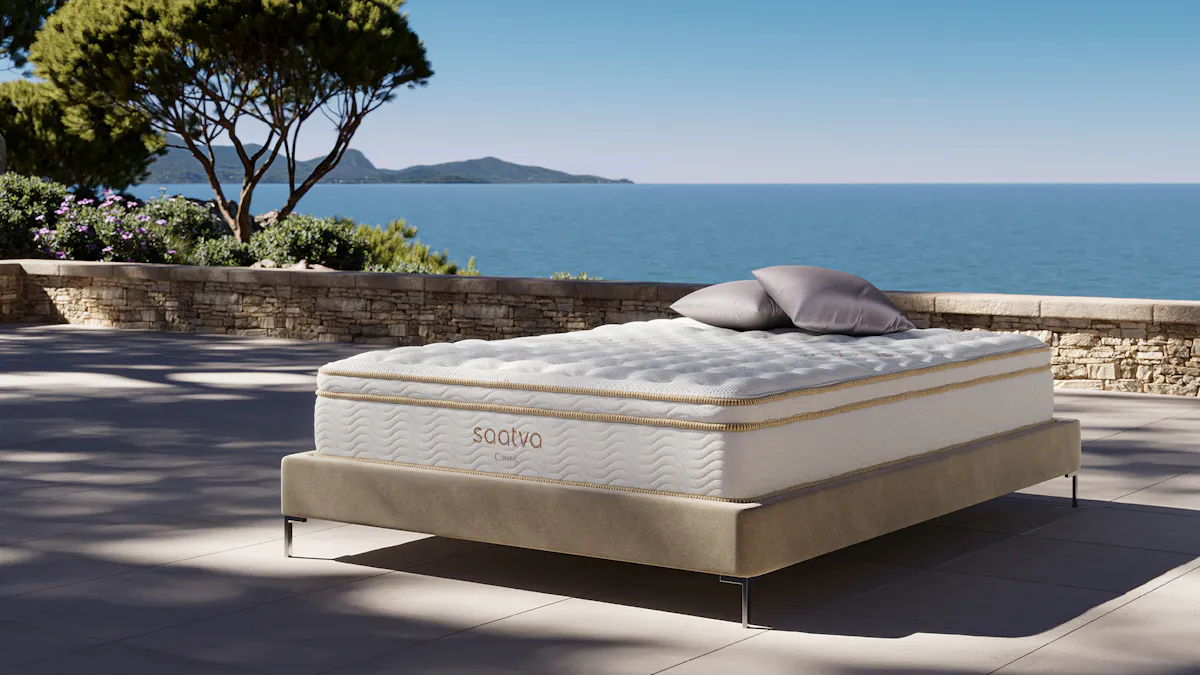
Saatva Classic
- Puffy’s guarantee page states a 365-night trial for Puffy, while Saatva’s warranty page lists an 11.5-inch height for Saatva Classic.
- Our #1 pick of the 3 products compared on this page
- Order direct from the brand — current price, trial and warranty terms are on the official product page
Our top 3 picks compared

The calendar matters, but a mattress that doesn’t suit you is never a bargain. My view is simple: shop a major sale period, compare the final checkout price, and make the mattress itself earn the purchase.
You’ll see plenty of loud percentages around holiday weekends. Ignore the noise until you know what you need from the bed, how long you can wait for delivery, and whether the published policy gives you enough room to decide.
Major holiday sales are the clearest place to start
Mattress Stuff’s 2026 sales calendar says advertised discounts can run from 20–50%, which is why I’d put established sale events at the top of the shopping calendar. A visible event gives you a useful baseline: you can compare today’s final price with the price offered before and after the promotion.
Sleep Sage’s month-by-month guide says its pricing data points to potential savings of 30–60% in stronger buying windows. That range is broad, and it should be treated as a signal to compare offers, not as a promise that every model will fall by the same amount.
The Nut’s take: A holiday label isn’t proof of value. I care about the final price of the exact size and configuration I want, plus the trial and warranty terms that remain after checkout.
For most shoppers, the large national sale periods are useful because several retailers are competing for attention at once. That gives you more comparable pricing, more time to read the fine print, and less reason to accept the first “ending soon” message in your inbox.
Don’t Pay Full’s sales guide also frames mattress shopping around recurring monthly and holiday sale periods. I’d use those recurring windows to build a short list before buying, rather than assuming one specific weekend is the only chance to get a fair deal.
Late summer can work if your timeline is flexible
Late July through August is a window worth watching. Savings Grove’s 2026 guide says retailers can bundle sleep offers with dorm and bedroom furniture promotions during that period, creating another reason to compare mattress prices beyond the headline holiday calendar.
This timing can be especially practical if you aren’t replacing a broken-down bed overnight. You can watch a few sellers, decide which construction and comfort direction make sense for you, then wait for a price that holds up against the rest of the market.
I wouldn’t delay a necessary replacement solely to chase a calendar event. If your current mattress is disrupting sleep or support, the better move may be to buy a suitable model under terms you understand. A discount only helps if it doesn’t force a rushed decision.
What to compare before you wait:
- The exact size, because headline prices may not apply across every size.
- The final checkout total, rather than a crossed-out reference price.
- The trial and warranty language published by the brand.
- Your delivery deadline and whether you can comfortably keep shopping.
For a wider buying checklist, my guide to when to buy a mattress is useful alongside a live price comparison. Timing gets you into the right part of the market. Careful comparison is what keeps the purchase sensible.
Price is only useful after you define the mattress
An 11.5-inch profile and a low price are not interchangeable measures of value. They describe two different things, and neither tells me whether the surface feel, construction approach, or purchase terms suit the person sleeping on it.
I start with the kind of mattress experience I’m trying to buy. Some people want a more substantial profile. Others put more weight on a long home trial. Still others have a fixed budget and need a firm ceiling before they even begin comparing features.
That’s why I’d avoid shopping by discount percentage alone. A larger percentage attached to an unsuitable mattress is still wasted money. A smaller discount on a model that matches your needs, delivered within your timeline and covered by a policy you’ve read, can be the better purchase.
The most productive question isn’t “What month has the biggest sale?” It’s “What would make me comfortable buying this mattress today?” Once you can answer that, every sale becomes easier to judge.
Three mattresses to watch during a sale window
The choices below serve different shopping priorities. I’m keeping the comparison narrow because a buying-timing guide should help you judge the offer in front of you, not bury you under an endless product list.
| Mattress | Best for | Verified detail to check |
|---|---|---|
| Saatva Classic | Shoppers who want to compare a published profile with a reported price | 11.5 inches per Saatva’s warranty page; $2,139 according to NCOA’s review |
| Puffy Lux | Shoppers who put substantial weight on a long trial | 365-night trial per Puffy; 12-inch measurement reported by Sandman Sleep |
| ClimateCool® | Budget-led shoppers comparing a published reference price | $800 according to Consumer Reports |
Saatva Classic is the one I’d inspect when a sale has made you focus on the final price but you still want a published physical detail to compare. Saatva’s warranty page lists an 11.5-inch height, while NCOA’s Saatva mattress review lists a $2,139 price. Those are not a complete comfort profile, but they are concrete details to verify against the offer you see.
Puffy Lux makes more sense for a shopper who wants time to make a decision at home. Puffy’s guarantee page states a 365-night trial. Sandman Sleep’s detailed review reports a 12-inch measurement and also reports 1.5-inch and 2-inch measurements, so I’d confirm the current product page and the exact configuration before treating any sale as comparable.
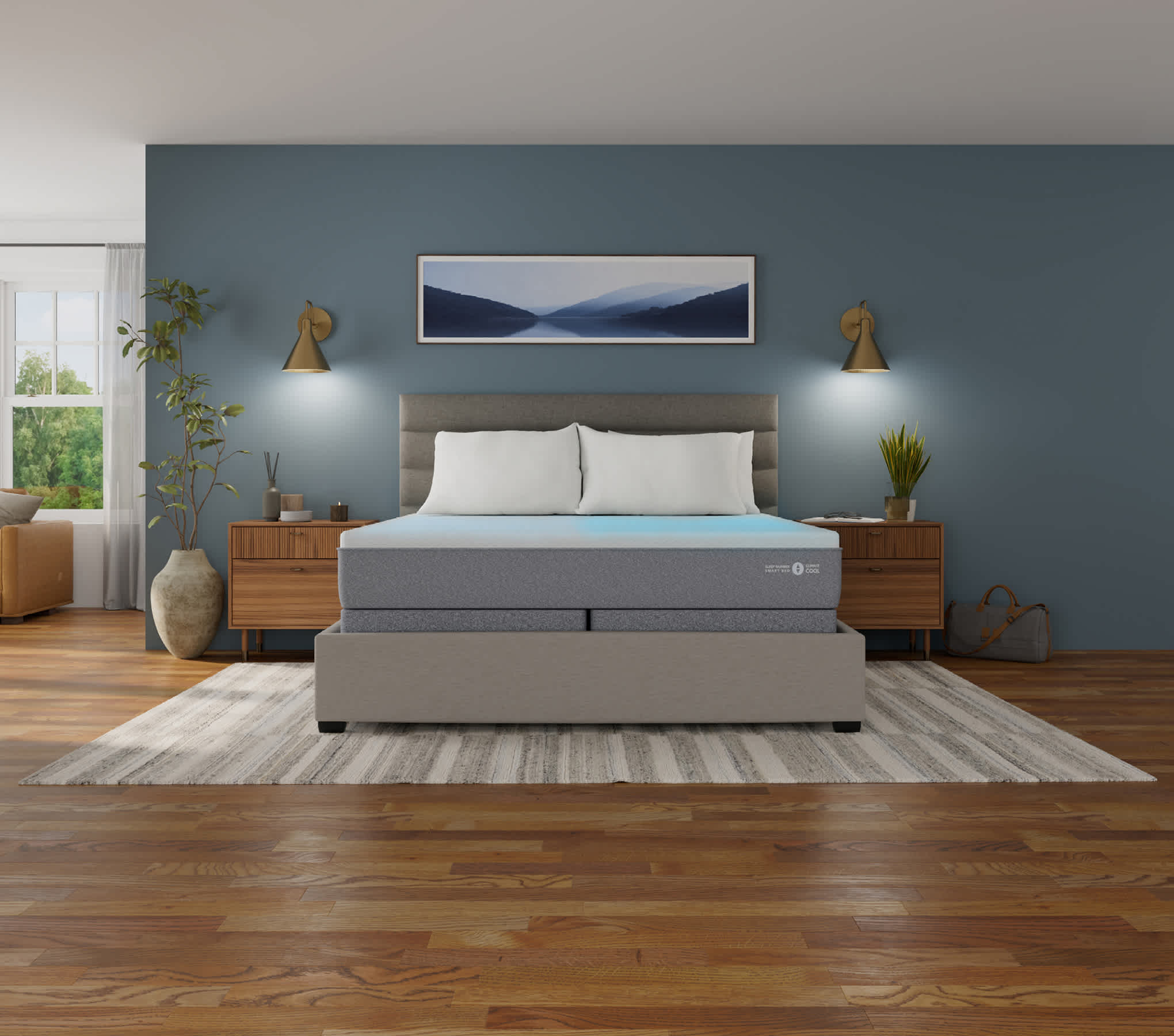
ClimateCool® belongs in a more budget-led comparison. Consumer Reports lists an $800 price for the model. With only that verified figure in hand, I’d use it as a price reference and read the current brand terms carefully before drawing larger conclusions about the mattress.
A disciplined sale rule: Compare like with like. Same mattress, same size, same terms, same delivery situation. If one of those changes, the apparent saving may not be comparable.
How I’d judge a mattress deal before paying
The first number I check is the final price for the size I actually need. A starting price can be useful, but it is not the number leaving your bank account. The final total is the number that belongs in your comparison notes.
Next, I read the trial language. A long trial doesn’t tell me how a mattress will feel, but it does tell me there is a published period for evaluating the purchase. Puffy states a 365-night trial on its guarantee page, and that is a meaningful practical detail for a buyer deciding whether timing pressure is real.
Then I look at the specific construction information the seller publishes. Height alone isn’t a verdict on durability or comfort. Still, published dimensions are useful for checking whether two listings refer to the same version of a mattress and whether a sale price is attached to the product you meant to buy.
Finally, I read the warranty page rather than relying on a banner or search snippet. Saatva’s warranty page is the source for the 11.5-inch figure cited above. That kind of direct documentation is where I’d go to confirm basic product details before the checkout page gets my attention.
If you are still deciding what kind of bed suits your needs, start with my guide to what makes a mattress the best fit. It’s easier to time a purchase once the mattress category itself is clear.
Don’t let a promotion rush the decision
A sale deadline is useful information, not an instruction. The timing guides from Mattress Stuff, Sleep Sage, Savings Grove, Don’t Pay Full, and Sleep Max all describe recurring opportunities to shop mattress discounts. That recurring pattern is precisely why I don’t treat one promotion as the last reasonable chance to buy.
Sleep Max’s buying guide notes that mattress prices are not fixed. I take that as a reason to compare the offer in front of me with other current offers, not as permission to assume every reference price is inflated or every sale is artificial.
Be wary of extras that complicate the comparison. If an offer bundles accessories, separate the mattress price from the value you personally place on the extras. The right bundle for one household may be clutter for another.
My bottom line on urgency: Buy because the mattress, price, and terms make sense together. Don’t buy because a countdown clock has done a good job of making you uncomfortable.
Where you shop also affects how easy it is to compare policies and final pricing. My guide on where to buy a mattress can help you think through that part before a sale event arrives.
My verdict on the best time to purchase a mattress
The best time to purchase a mattress is any recurring sale period that gives you room to compare the exact model, final price, and published terms without rushing. Major holiday events are a strong starting point, and late July through August can be worth watching according to Savings Grove.
I’d use the 20–50% range cited by Mattress Stuff and the 30–60% range cited by Sleep Sage as prompts to shop carefully, not as savings targets you are owed. The right deal is the one you can explain in plain English after the banner disappears.
Start with your needs, set a firm budget, and check the current offer only after the mattress has earned a place on your short list. That approach is calmer, more practical, and far less likely to leave you regretting a “deal” a week later.
FAQ
What month is the best time to purchase a mattress?
There isn’t one guaranteed best month. Mattress Stuff and Sleep Sage both describe recurring sales periods across the year, while Savings Grove specifically flags late July through August as a window connected with dorm and bedroom promotions.
I’d watch major sale events first, then compare the final price and terms with offers available before and after the event. The calendar gets your attention; the actual listing earns your money.
Should I wait for a holiday mattress sale?
Wait if your current mattress is still workable and you need time to compare options. Mattress Stuff’s guide says sale periods can advertise savings of 20–50%, so a holiday event can give you a useful price benchmark.
Don’t wait if delaying a needed replacement would make your situation worse. A suitable mattress with clear terms can be a sound purchase outside a major sale period.
How much can I save on a mattress sale?
Mattress Stuff says mattress sale periods can advertise savings of 20–50%. Sleep Sage says its pricing guide identifies possible savings of 30–60% during stronger buying windows.
Those are source-reported ranges, not a guarantee for every mattress or size. Compare the final price on the mattress you want rather than trying to force a particular percentage.
Is a mattress sale price always a good deal?
No. A sale price is only useful if it applies to the exact model, size, and terms you want. Sleep Max notes that mattress prices are not fixed, which is a good reason to compare current offers carefully.
Read the product details and policy pages before paying. I’d rather buy a sensible mattress at a clear price than chase a larger percentage on a poor fit.
What should I check before buying a mattress on sale?
Check the final price, the exact size, the published trial terms, the warranty language, and the listed product details. Puffy’s guarantee page states a 365-night trial for Puffy, while Saatva’s warranty page lists an 11.5-inch height for Saatva Classic.
Those details do not replace your own comfort preferences, but they help you verify what you are comparing. A good sale decision is specific, not speculative.
FINAL VERDICT
Of the 3 products compared for best time to purchase mattress, the Saatva Classic ranks first. The cards above show where each alternative fits; confirm current dimensions and terms on its product page.
Saatva Classic