
 by
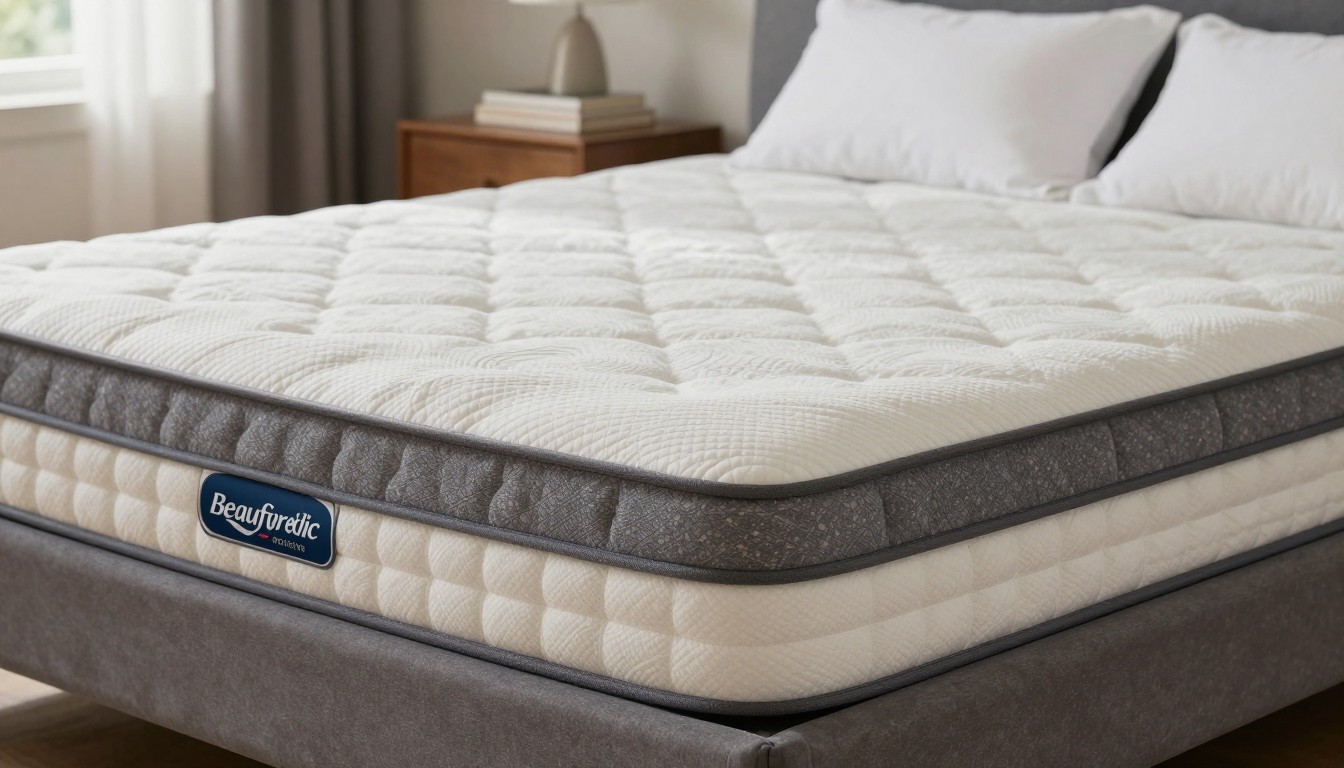
by Quick answer: ComforPedic Loft from Beautyrest may suit a shopper who wants slow foam contouring, but I’d only consider it after confirming the exact listing, since the name covers notably different mattress and topper configurations.
- Retailer listings describe both mattresses and toppers under the ComforPedic Loft name.
- Descriptions commonly focus on gel memory foam, comfort foam, and a foam support core.
- Availability, construction details, and policies can differ by retailer and specific model.
Updated July 2026 · Reviewed for accuracy
My verdict is simple: ComforPedic Loft from Beautyrest is not one mattress with one dependable spec sheet. It is a name used across foam mattresses, toppers, and retailer-specific configurations. That can work in your favor if you find the exact feel and build you want. It can also make a quick purchase a bad bet.
I’d treat this as a listing-by-listing decision, not a blind Beautyrest buy. The foam-focused design points toward pressure relief and motion isolation, but the details that decide comfort, support, and value must come from the exact product page in front of you.
What the ComforPedic Loft Name Actually Covers
The biggest detail is also the easiest to miss: “ComforPedic Loft” has appeared on more than one kind of sleep product. Bed Bath & Beyond listings have used the name for foam toppers as well as mattresses, while retailer descriptions from Wayfair and Belk show that available versions can vary by configuration and market.
That means a review for a ComforPedic Loft topper may tell you very little about a full ComforPedic Loft mattress. A topper changes the first surface your body meets. A mattress also has to provide the underlying support that keeps the comfort layers from feeling overly soft or unstable over time.
I would not assume that a familiar product name guarantees matching materials, cover fabrics, or base construction. Retailer inventory changes, promotions change, and older listings can remain visible long after a particular configuration is hard to find. Read the title, product type, and full feature list before comparing feedback.
The Nut’s buying note: Match reviews to the exact item. A comment about a plush foam topper is not evidence that a full foam mattress will feel or perform the same way.
The name does still tell us something useful. According to retailer descriptions referenced for this line, ComforPedic Loft products generally lean on memory foam, including gel-infused memory foam in some versions, to create close body contouring. That is a recognizable foam comfort approach. It is just not a complete construction description.
For broader context on the parent brand’s changing lineup, see this Simmons Beautyrest review. Beautyrest products can differ widely in design, so the label alone should never be the end of your research.
Foam Construction Is the Main Story Here
Gel memory foam is the material feature that shows up most consistently in retailer descriptions for ComforPedic Loft. Bed Bath & Beyond and other retailer listings describe versions with gel memory foam layers, comfort foam, and a denser foam base intended to provide support beneath the softer surface.
That layered approach makes sense on paper. Memory foam is meant to compress under concentrated weight, which can spread pressure across a broader area. Comfort foam can change how quickly you meet that memory foam and whether the surface feels more cushioned or more direct. The support core matters because it carries the job once the upper foams have compressed.
My concern is not that this is foam. Foam can be a very good material for a quiet, close-fitting sleep surface. My concern is missing context. The public descriptions summarized for this product family do not establish one universal layer stack, one universal foam quality level, or one universal cover design. Those are the details that separate a comfortable foam bed from one that simply sounds comfortable online.
| What to verify | Why it matters | What retailer listings suggest |
|---|---|---|
| Product type | A topper changes surface feel, while a mattress must provide the full support system. | ComforPedic Loft has appeared as both a topper and a mattress. |
| Comfort layers | These layers shape contouring, pressure relief, and how deeply you sink in. | Gel memory foam and additional comfort foam are common themes in retailer descriptions. |
| Support core | The base helps determine whether the bed stays steady beneath softer foams. | Some descriptions refer to a foam support base or dense foam foundation. |
| Cover | The cover affects the first touch, breathability, and how much loft you feel. | Some versions are described with fiber-filled or cooling-oriented covers. |
I’d pay special attention to the support core if you are shopping for a full mattress. Soft surface foam can feel appealing in a showroom or during a brief sit on the edge. The deeper question is whether the listed build gives you enough steady support for your body shape and preferred sleep position. The retailer page should answer that more clearly than the product name does.
A cover can also change the character of foam more than shoppers expect. A fiber-filled cover may add a softer, loftier first impression. A cooling-focused cover may be designed to make the surface feel less warm initially. Neither feature tells you everything about temperature regulation through the night, but both can affect the feel you notice first.
Expect Contouring, Not a Buoyant Surface
Memory foam’s signature is its slow, close response. Retailer descriptions for ComforPedic Loft emphasize body contouring and pressure relief, so I would expect a surface that lets you settle in rather than one that quickly springs you back into position.
That sensation can be excellent for people who want less sharp pressure at the shoulders and hips. It can be less appealing if you move frequently, prefer an easy-on, easy-off feel, or dislike the sensation of sleeping in a contour. Comfort preference is personal, but the material behavior is not mysterious: memory foam tends to hug more than responsive foam or coils.
Motion isolation is another likely advantage of the all-foam approach. Retailer descriptions for the line mention reduced motion transfer, and foam usually limits the spread of movement better than a more spring-driven construction. For partners with different schedules, that can matter. Still, it does not answer whether the exact model has the right firmness or enough support for both sleepers.
Who may like this feel: sleepers seeking close contouring, a quieter surface, and the pressure-relieving character associated with memory foam.
Who should pause: sleepers who dislike slow response, change positions often, or need more proof about the support system beneath the comfort layers.
Cooling needs a similarly level-headed reading. Gel-infused foam and cooling-oriented covers are commonly used to address the warmth that some sleepers associate with traditional memory foam. According to the retailer descriptions summarized for ComforPedic Loft, some versions use those features. I would see them as a design effort, not a promise that every version will sleep cool for every person.
Your room temperature, bedding, body heat, and the exact cover all influence the outcome. Foam still has less open internal space than an innerspring build. If sleeping hot is your main concern, look for a retailer listing that explains the cover and comfort layers clearly instead of relying on “gel” in the product title.
Shopping This Line Takes More Care Than Most
The practical risk here is version confusion. Bed Bath & Beyond, Wayfair, Belk, and other home-furnishings retailers have carried ComforPedic Loft products, but availability can vary by retailer, region, promotion, and inventory. A photo, price, or review from one seller may not apply neatly to another seller’s listing.
I’d compare at least two current retailer pages before deciding. Look past the hero image and check whether you are viewing a topper, a mattress, or a set paired with a base. Then compare the named foams, the stated support component, the cover description, and the return terms from that specific retailer.
Be careful with broad phrases such as “premium foam” or “cooling comfort.” They may be useful shorthand, but they do not replace a layer-by-layer description. The more specific the listing is about materials and construction, the easier it is to judge whether the product fits your needs.
Current pricing deserves the same discipline. Retailer pricing can move with sales and inventory, and the range of ComforPedic Loft products is broad because toppers and full mattresses are fundamentally different purchases. Check the current price on the retailer page, then compare it with a similar construction, not merely another item carrying the same name.
Before you buy: confirm the exact model name, whether it is a topper or mattress, the support base, the cover, foundation compatibility, and the seller’s return and warranty terms.
Foundation compatibility is worth confirming before delivery. The research summary notes that buyers should check compatibility with a platform bed, foundation, or adjustable base, along with any policy implications. This is not paperwork for paperwork’s sake. Foam needs a stable, properly supported surface, and the retailer or manufacturer terms for the exact model should spell out acceptable setups.
For readers focused on loft in the broader bedding sense, mattress height is only one part of the sleep setup. Pillow loft matters too. A low-loft pillow review can help clarify why a pillow that fits one sleep position can feel wrong in another, even on a supportive mattress.
Durability and Value Depend on the Exact Build
A dense support base is the construction feature I would want explained most clearly. Retailer descriptions for some ComforPedic Loft versions refer to a dense foam support foundation, but the available summary does not establish that every version uses the same core. That distinction matters because the base carries most of the long-term structural work in an all-foam mattress.
Comfort foam also changes over time differently from the support material beneath it. The top layers take the repeated compression from shoulders, hips, and knees. A deeper comfort package may feel more cushioning at first, but it also makes the quality of the foam and the design of the base more relevant to long-term satisfaction.
I would not make a sweeping durability claim from the ComforPedic Loft name alone. The research summary specifically notes that durability and user experience can vary by model and base pairing. That is the right expectation. Assess the product you are considering, not an umbrella label that has been used for several kinds of foam products.
Value follows the same logic. A well-described version with a clear material breakdown and a return policy you understand can be easier to evaluate than a cheaper listing with vague construction. A lower current price is only meaningful if the product type, thickness category, and support design match what you are comparing it against.
If you are only trying to soften a mattress that already has sound support, a ComforPedic Loft topper could make more sense than replacing the whole bed. If your current mattress lacks support, a topper may only mask the problem for a while. Retailer listings should make the product category unmistakable, and that is the first fact I’d verify.
My Verdict on ComforPedic Loft From Beautyrest
ComforPedic Loft from Beautyrest looks most promising for a shopper who specifically wants the contouring, quietness, and pressure-relieving character associated with gel memory foam. The design themes described by Bed Bath & Beyond, Wayfair, Belk, and similar retailers are sensible. The issue is not the concept. It is the lack of one stable configuration behind the name.
I would buy only after the listing answers the construction questions cleanly. You should know whether you are getting a topper or a mattress, what the comfort layers are, what supports them, how the cover is made, and what the retailer will do if the feel is wrong. If those answers are vague, I’d keep shopping.
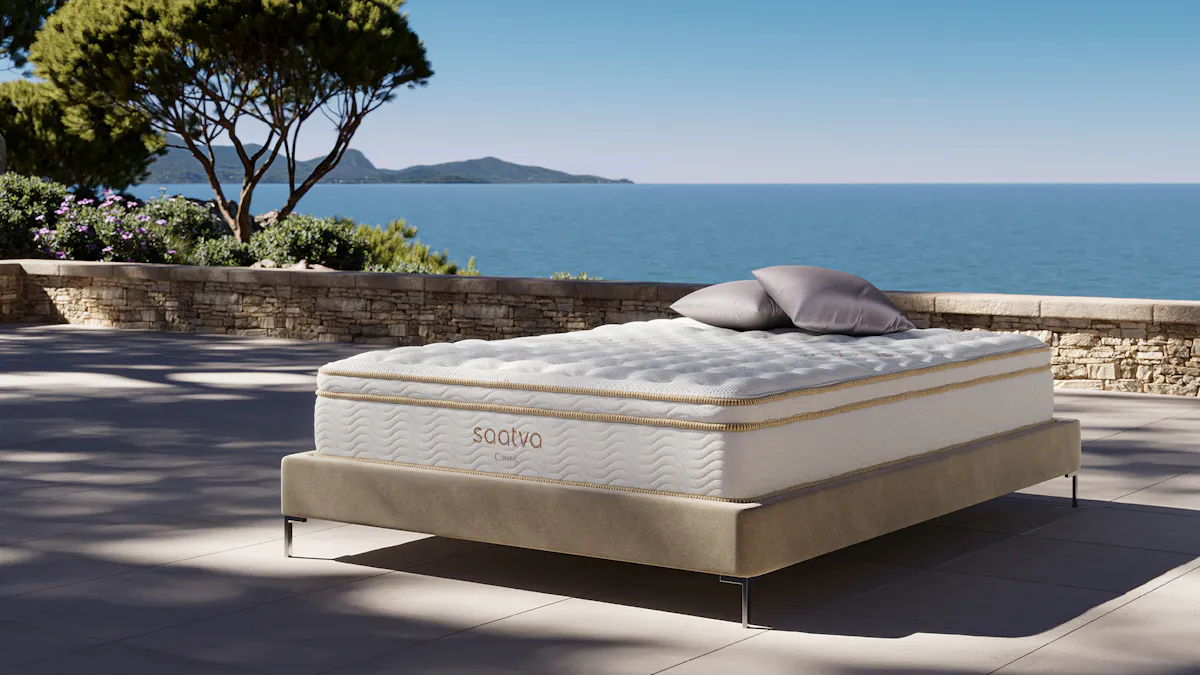
For someone who wants a more clearly defined luxury mattress alternative, Saatva Classic is worth considering. Per the manufacturer, it offers flexible financing, is handcrafted in the USA, and comes with a generous sleep trial and lifetime warranty. That clearer policy framework may suit shoppers who do not want to decode retailer-specific foam listings.
My final take: treat ComforPedic Loft as a potentially comfortable foam option, not a single product you can judge from a generic review. Verify the exact model first. That one step will tell you more than the name ever can.
ONE VERIFIED ALTERNATIVE
The product discussed above remains the subject of this page. If it is not the right fit, compare the Saatva Classic as one separate alternative; it is not a replacement for the review itself. Confirm current price, dimensions and terms on the official product page before ordering.
Saatva Classic
- 365-night home trial and lifetime warranty, per saatva.com
- Handcrafted in the USA, free white-glove delivery
- Flexible financing available
FAQ
Is ComforPedic Loft from Beautyrest a mattress or a topper?
It can be either. According to retailer listings from Bed Bath & Beyond and other sellers, the ComforPedic Loft name has been used for both foam toppers and full mattresses. Confirm the product category before relying on reviews or comparing prices.
What materials are commonly used in ComforPedic Loft products?
Retailer descriptions commonly mention gel memory foam, additional comfort foam, and a foam support base. Some versions also describe a fiber-filled or cooling-oriented cover, but materials can differ by specific listing.
Does ComforPedic Loft sleep cool?
Some retailer listings describe gel-infused foam or cooling-focused cover features. Those materials may help address the warmth often associated with memory foam, but the exact result depends on the specific model, sleep environment, bedding, and sleeper.
Is ComforPedic Loft good for couples?
It may suit couples who value reduced motion transfer. Retailer descriptions for the line mention motion isolation, which is a common strength of foam-based construction. Both partners should still consider the exact model’s feel and support design.
What should I check before buying a ComforPedic Loft product?
Confirm the exact product type, materials, support base, cover, compatibility with your bed setup, and the retailer’s return and warranty terms. Compare current listings from more than one seller, since availability and product details can vary.