
 by
by Quick answer: Buy a breathable duvet insert with a warmth level that matches how you use air-conditioning, then add a removable cover. I’d prioritize clear fill, care, construction, and size labels over vague “luxury” wording.
- Kapas lists duvet and quilt inserts in down, cotton, and microfiber.
- TANGS Singapore’s assortment spans bamboo, silk, organic, natural, microfibre, and synthetic options.
- IKEA presents polyester quilts across different warmth ratings and sizes.
Updated July 2026 · Reviewed for accuracy
If you want to buy a duvet in Singapore, choose for your actual bedroom rather than the most impressive material name. The right insert depends on how cool the room stays, the weight you enjoy, and the care you’re prepared to do. I’d reject any listing that leaves the filling, shell, warmth level, or finished size unclear.
Start with the room, not the fill label
A bedroom kept cool throughout the night needs a different insert from a room where the fan or air-conditioning runs only occasionally. Start by deciding how much warmth you really want. A hot sleeper in a warm room should be cautious with thick, heavily filled options, while someone who sleeps under strong air-conditioning may prefer more insulation and a fuller feel.
Make sure you’re buying an insert in the first place. A duvet is the filled layer that provides warmth, while a duvet cover is the removable outer layer. My guide to what a duvet is explains that distinction in more detail.
Retailer terminology isn’t always consistent. Kapas Living groups duvets with blankets, comforters, and quilts, while ModernHome says shoppers encounter different fillings, thickness levels, and designs. That makes the written construction details more useful than the category name alone.
My climate-first filter
- Warm room or hot sleeper: begin with the lighter warmth option and a shell described as breathable.
- Cool air-conditioned room: consider a warmer insert, but avoid assuming that thicker always means better.
- Changing nighttime conditions: favor an insert that’s easy to remove, store, and pair with a lighter layer.
- Different preferences in the same bed: separate inserts may be more practical than forcing both sleepers into the same warmth level.
I also separate warmth from softness. A plush surface can feel pleasant without being the right thermal choice. Decide how warm and heavy the insert should feel before comparing fabric finishes or decorative language.
Choose the filling by feel and upkeep
Down, cotton, and microfiber all appear in Kapas’s Singapore duvet range. TANGS Singapore broadens the field with bamboo, silk, organic, natural, microfibre, and synthetic options. That variety is useful, but a material word can describe the filling, the outer shell, or only part of a blend.
I want the listing to identify the shell and fill separately. “Cotton duvet,” for example, isn’t precise enough if it never says whether the cotton is outside, inside, or both. The same caution applies to bamboo, silk, TENCEL, and alternative-down wording.
| Material category | What the Singapore ranges show | What I’d verify |
|---|---|---|
| Down | Kapas lists down among its duvet and quilt-insert choices. | The exact fill declaration, compartment construction, care method, and whether the shell material is named. |
| Cotton | Kapas includes cotton options in its Singapore collection. | Whether cotton refers to the fill, shell, or complete construction, plus how the finished insert should be cleaned. |
| Microfiber or polyester | Kapas lists microfiber, while IKEA sorts polyester quilts by warmth rating and size. | The warmth category, fill distribution, wash instructions, and drying requirements. |
| Bamboo, silk, or natural options | TANGS lists bamboo, silk, organic, and natural choices; Kapas Living also describes bedding made with bamboo and TENCEL. | Which component contains the named material and whether any blend is fully disclosed. |
For down, I’d focus on how the fill is held in place rather than chasing a grand material description. For cotton, microfiber, or polyester, I’d put greater weight on the finished feel, warmth category, and care label. No material name can rescue an insert that’s too warm for the room or impractical to clean.
Be wary of labels that promise a down-like experience without explaining the actual filling. “Alternative down” describes an intended style, not a precise material. The product page should still tell you what’s inside.
The Nut’s take: A complete material label is more valuable than a premium-sounding headline. If the seller won’t clearly identify both the shell and the fill, I’d move on.
Read the construction before the marketing
Two inserts carrying the same fill label can behave differently because the shell, stitching, and internal compartments control how that fill moves. Construction tells me whether the duvet has a sensible chance of staying evenly filled through normal use.
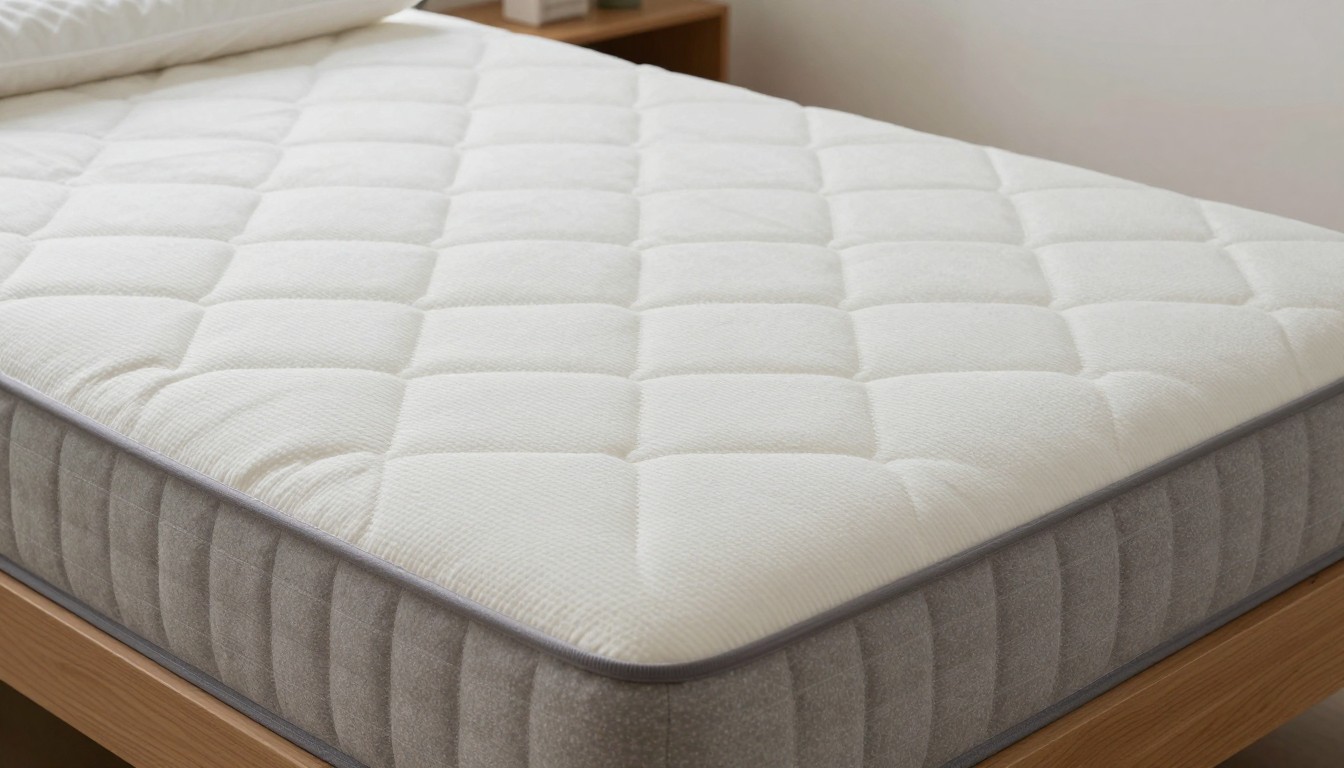
Look at the stitching pattern in the product photographs. Defined boxes or channels divide the fill across the sleeping surface, while an insert with little visible control may allow more movement. I’d also inspect the perimeter seams and any attachment loops shown for securing a cover.
Construction details worth finding
- A separate description for the outer shell and internal filling.
- Visible compartments or channels that manage fill distribution.
- Finished seams with no unexplained openings in the listing images.
- Corner or edge attachments if you plan to fasten the insert inside a cover.
- A care label that addresses the complete insert, not merely its fabric shell.
The cover deserves attention too. It should fit closely enough to limit bunching without crushing the insert. If the terms are getting muddled, my explanation of what goes inside a duvet cover separates the insert from the outer bedding.
I wouldn’t assume that more stitching is automatically better. Dense stitch lines can create a flatter feel, while larger compartments may produce more loft but require the fill to remain well distributed. The useful question is whether the construction supports the feel you want.
Quick check: If a listing spends more space describing “hotel” comfort than showing the shell, fill, stitching, and care instructions, it hasn’t given you enough construction information.
Get warmth, weight, and size right
IKEA sorts its polyester quilts across different warmth ratings and sizes. That’s the right way to think about the category: warmth is a separate buying decision, not something you should guess solely from whether the fill is natural or synthetic.
Use the seller’s warmth scale as a relative comparison within that range. If your air-conditioning setting or nighttime routine changes, don’t treat the warmest label as the quality choice. A lighter insert that you use comfortably is better value than a plush, warm model that spends most nights folded away.
Weight is also personal. Some sleepers like a noticeable layer resting over them, while others want as little pressure as possible. Product descriptions often blur physical weight with thermal warmth, so look for separate explanations instead of assuming those qualities always move together.
Match the duvet to your routine
- If cooling runs throughout the night, compare the warmer categories that still suit your preferred weight.
- If cooling stops after bedtime, begin with a lighter category that won’t become uncomfortable later.
- If you rarely cool the room, prioritize breathable construction and avoid unnecessary bulk.
- If your preferences change often, a lighter duvet plus a separate removable layer gives you more control.
For sizing, compare the insert’s stated width and length with both the bed and the intended cover. A shared bed-size label isn’t enough because the finished measurements can differ between sellers and product ranges. Decide whether you want a neat edge or generous overhang, then verify the actual variant before ordering.
Amazon Singapore tells shoppers that price and other details may vary by size and colour. I’d apply that warning across online bedding: review the specifications again after selecting the exact variant, then check the live price rather than relying on the category-page preview.
Where to buy a duvet in Singapore
Shopee Singapore promotes duvet listings, sale offers, payment through its platform, and Shopee Guarantee. That can make the marketplace useful for comparing options, but the guarantee doesn’t fill gaps in a vague product description. Read its current terms and judge each seller’s material, size, care, and return information separately.
Specialist and department-store ranges can make material comparisons easier. Kapas lists down, cotton, and microfiber inserts, while TANGS presents a broader mix that includes bamboo, silk, natural, microfibre, and synthetic choices. IKEA takes a more structured route with polyester quilts separated by warmth and size.
| Shopping channel | Useful for | Main check before buying |
|---|---|---|
| Marketplace | Comparing a broad spread of listings and checking current offers. | Seller identity, exact variant, complete material disclosure, and current platform terms. |
| Specialist bedding retailer | Filtering among clearly separated fill categories such as those shown by Kapas. | Whether the selected item matches your warmth, weight, and cleaning preferences. |
| Department store | Comparing a varied material assortment like the range listed by TANGS Singapore. | Whether the featured material is the shell, fill, or part of a blend. |
| Furniture retailer | Shopping by an established warmth-and-size system, as IKEA does with polyester quilts. | The warmth category and care method for the exact selected variant. |
Online, save a copy of the specification page and inspect the final basket before paying. Confirm that the selected option hasn’t changed the filling, warmth, colour, or size. Similar thumbnail images can hide meaningful variant differences.
In a physical shop, handle the display sample if the retailer permits it, but still read the packaged item’s label. A sample can reveal surface feel and weight; it can’t replace the written fill and care information for the unit you’ll take home.
Marketplace caution: Don’t let a temporary offer decide the material or warmth level. Compare the live price only after confirming the exact insert, and read the current payment, return, and guarantee terms on the retailer’s own page.
My buying checklist and final verdict
An exact fill declaration and a usable care label tell me more than “hotel luxury” or “premium comfort.” Before buying, I’d want every practical field below answered on the listing, packaging, or manufacturer’s current page.
- Product type: Is it a filled duvet insert, a cover, or a bundled set?
- Fill: Is the internal material named without vague alternative wording?
- Shell: Is the outer fabric disclosed separately?
- Warmth: Which category suits the way the bedroom is cooled?
- Construction: How is the fill divided and held across the insert?
- Fit: Do the stated measurements match the intended bed and cover?
- Care: Can you realistically follow the washing and drying instructions?
- Variant: Are the specifications still correct after choosing the desired option?
- Policies: Have you checked the seller’s current delivery, return, and guarantee terms?
- Live cost: Does the current price make sense only after all those details match?
My verdict is simple: buy for climate control, construction, and care before choosing a fashionable filling. For many hot sleepers, that means starting with a lighter, clearly labelled insert and adding warmth only if the room demands it. Strong air-conditioning may justify a fuller option, but the material name alone can’t make that decision.
Skip any listing that obscures whether it sells an insert or a cover, mixes shell and fill terminology, or withholds the care method. A duvet should solve a comfort problem, not create a guessing exercise.
ONE OPTION WORTH COMPARING
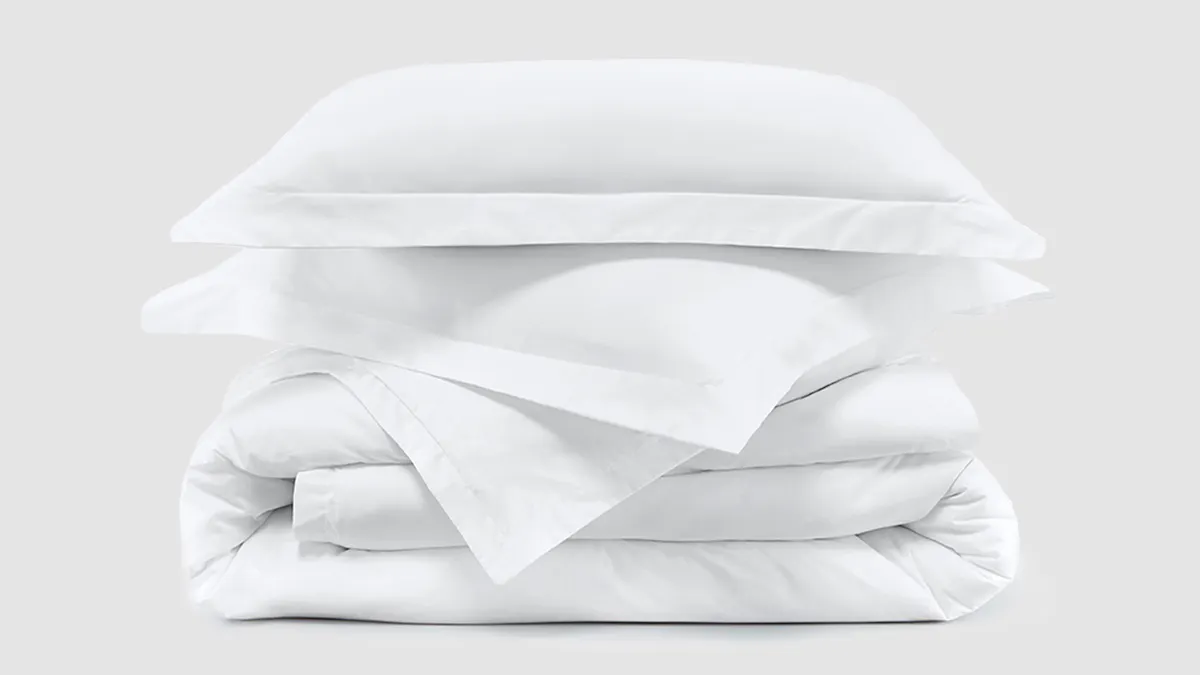
Shopping as well as reading? Here is one current option worth comparing: the Saatva Percale Duvet. Check today’s price, sizing and return terms on the official product page before you order.
Saatva Percale Duvet
- See the product page for full specs and current pricing
FAQ
The most common buying errors come from confusing the insert with its cover or treating material and warmth as the same choice. These answers keep those decisions separate.
What duvet should a hot sleeper buy in Singapore?
Start with a lighter warmth classification and a clearly identified shell and fill, especially if the room stays warm or cooling is limited. No material label guarantees a cool result, so check the complete construction and avoid unnecessary bulk.
Is a duvet the same as a quilt or comforter?
Retailer language overlaps, as shown by Kapas Living grouping duvets, blankets, comforters, and quilts in the same bedding collection. Focus on whether the item is filled, whether it needs a removable cover, and how the seller defines that specific product.
Do I need a separate duvet cover?
A removable cover lets you change the outer fabric and wash it separately from the filled insert, provided both items’ care labels allow the intended routine. This guide to what a duvet cover is explains its role and fit.
Is down better than a synthetic duvet?
Neither is automatically better for every room or sleeper. Kapas lists both down and microfiber choices, while IKEA offers polyester across different warmth levels, so compare construction, feel, care, and warmth within the exact range you’re considering.
Can I use a duvet cover without buying an insert?
You can use the cover as a light standalone layer if that feel suits you, although it won’t behave like a filled duvet. My guide to using a duvet cover without an insert covers the practical tradeoffs.