
 by
by Yes, a mattress can be too firm. When the surface won't let your shoulders and hips sink, you get pressure points, a lumbar gap, and disrupted sleep. Side sleepers and lighter people (under roughly 130 lb) feel this most. The Saatva Classic in Plush Soft (coil-on-coil hybrid, 365-night trial) is our #1 pick for people transitioning off a too-firm bed, with three firmness options so you can dial in the right feel at purchase; the Amerisleep AS3 (Medium 5/10, HIVE 5-zone) is the best all-foam alternative.
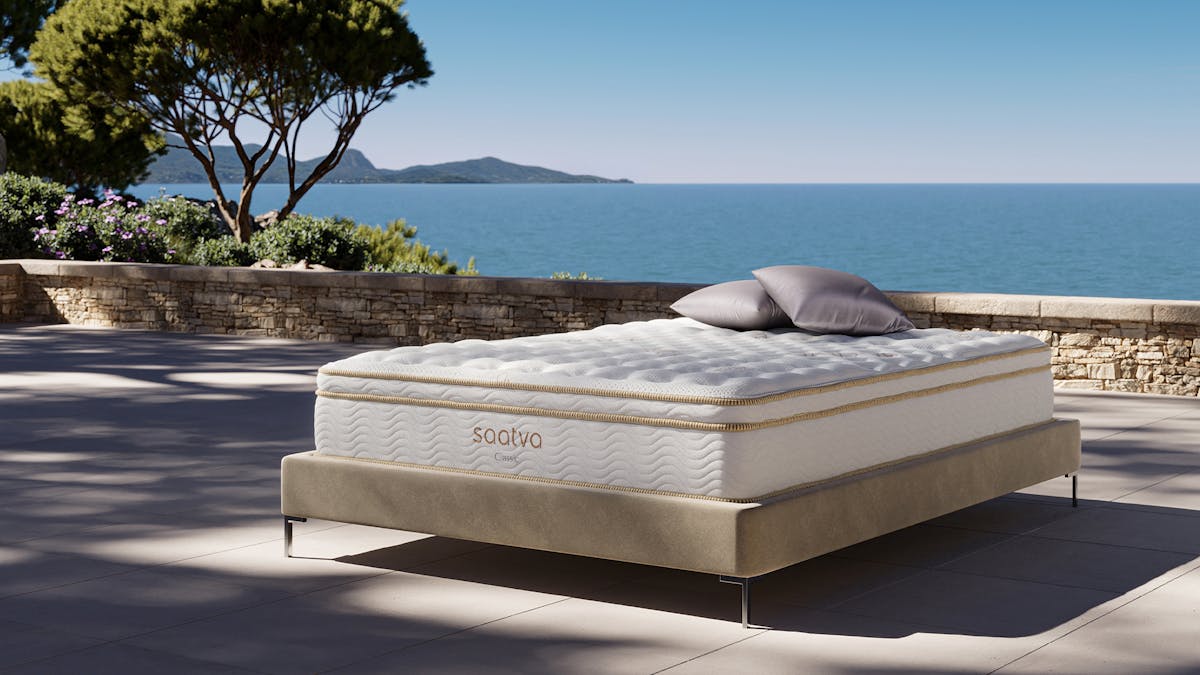
Saatva Classic
9.2/10
- Three firmness choices (Plush Soft, Luxury Firm, Firm) so you pick the softer feel upfront, no guessing
- Zoned lumbar coil layer keeps the spine supported even in the Plush Soft build
- 365-night trial, the longest in the industry, giving real time to confirm the fit
- Free white-glove delivery, setup, and old-mattress removal included
- Dual-coil construction with a Euro pillow top for genuine pressure relief
- Ships flat, not compressed, heavier than bed-in-a-box alternatives
- $99 return fee during the trial period
If you've confirmed your current mattress is too firm, the Saatva Classic in Plush Soft is the most direct fix: you specify the softer feel at purchase, the zoned lumbar coil keeps your spine from sagging, and 365 nights is enough runway to confirm the match without pressure. The best coil hybrid for anyone moving off an overly hard bed.
Can a Mattress Be Too Firm?
Yes, a mattress can be too firm, and firmer is not automatically better for your back. When the surface is too hard, your shoulders and hips can't compress into it. Instead of sinking slightly and keeping your spine horizontal, those contact points bear concentrated pressure while the lumbar curve hangs unsupported in midair. That combination produces pressure-point soreness, morning stiffness, and disrupted sleep.
What counts as "too firm" depends on your body weight and sleep position, not a universal firmness number. The same mattress that suits a 220 lb stomach sleeper perfectly may be punishing for a 120 lb side sleeper.
Signs a Mattress Is Too Firm for You
Most people notice the problem within the first few nights, though some symptoms take longer to connect back to the mattress.
- Soreness at the shoulders and hips. These are your widest points as a side sleeper. When the mattress won't give, they absorb all of your body weight against a hard surface.
- Numbness or tingling in the arm. Side sleepers on too-firm mattresses often lose circulation in a shoulder that can't settle into the surface, and that travels down the arm.
- Back pain that starts during sleep. A gap between the lower back and the mattress means your lumbar muscles work all night rather than rest. You wake stiff, and the pain eases after you move around, a reliable indicator the bed is the cause.
- Feeling perched on top rather than cradled. A mattress that fits your body wraps slightly around it. One that's too firm leaves you resting on the surface rather than settling into it.
- Tossing and turning through the night. Pressure points wake you just enough to shift position repeatedly, even if you don't fully come to consciousness.
If arm numbness is a primary symptom, our guide on whether a mattress can cause numbness covers that in detail.
Who Feels It Most
Two groups are much more likely to find a mattress too firm:
Side sleepers. Lying on your side puts the shoulder and hip at the main contact points. Enough give at those two spots keeps your spine horizontal; without it, the spine bows upward or the shoulder is forced out of alignment.
Lighter-weight sleepers (under roughly 130 lb). Mattress firmness is partly a function of compression. A lighter person doesn't generate enough downward force to compress a medium or firm mattress to the same depth a heavier person would. A mattress rated "medium" by the manufacturer is often medium for an average-weight adult; it can feel quite firm to a lighter-framed person.
Back sleepers and stomach sleepers, especially those over 200 lb, generally need more firmness for spinal support. For them, the "too firm" threshold sits much higher, or may not exist at all with most consumer mattresses.
How to Fix a Too-Firm Mattress
Add a mattress topper
A 2 to 3-inch memory foam or latex topper is the fastest way to soften a too-firm mattress without replacing it. This is also useful as a diagnostic step: if the topper resolves the soreness, you've confirmed firmness is the problem rather than something else. Memory foam contours more closely to pressure points; latex provides a slightly springier feel with more rebound.
Give it the break-in window
New mattresses, particularly those with foam layers, soften slightly over the first two to four weeks of use. If you've had the mattress fewer than three weeks, sleep on it consistently before deciding it's the wrong firmness. This does not mean waiting out significant pain; if every morning brings real discomfort, act sooner.
Exchange for the right firmness
Most mattress brands offer trial periods for this reason. If a topper helps but the mattress still feels wrong, that's strong evidence you need a softer model, not a patch. When choosing a replacement, body weight and sleep position are the two most reliable guides.
The Saatva Classic in Plush Soft is the strongest replacement option because you can specify the softer feel at purchase rather than hoping a single-firmness bed lands right. On a 365-night trial with lifetime warranty, it's the lowest-risk fix for a confirmed too-firm problem. See our full Saatva Classic review for how those three firmness choices compare in practice.
Mattress Firmness by Body Weight and Sleep Position
| Body weight | Side sleeper | Back sleeper | Stomach sleeper |
|---|---|---|---|
| Under 130 lb | Soft to Medium (3 to 5/10) | Medium (5/10) | Medium (5/10) |
| 130 to 230 lb | Medium (5/10) | Medium-Firm (6/10) | Medium-Firm (6 to 7/10) |
| Over 230 lb | Medium-Firm (6/10) | Firm (7 to 8/10) | Firm (7 to 8/10) |
These are starting points, not rules; a trial period is what confirms the fit.
Amerisleep AS3
9.0/10
- Medium 5/10 feel relieves pressure at hips and shoulders without losing lumbar support
- HIVE 5-zone layer adapts firmness by body zone, softer under shoulders, firmer under the lumbar
- Plant-based Bio-Pur foam runs cooler than standard memory foam
- CertiPUR-US certified, made in the USA, 20-year warranty
- Softer edges than a coil hybrid
- Sleepers over 230 lb may prefer the firmer AS5 Hybrid for more support
The AS3's medium feel is a solid antidote to a too-firm mattress, it contours enough to eliminate pressure points at the hips and shoulders while the HIVE zoning keeps the lumbar from sagging. Best choice for side sleepers and anyone 130 to 230 lb who prefers an all-foam feel over innerspring.
Frequently Asked Questions
Can a too-firm mattress cause back pain?
Yes. When a mattress is too hard, the lumbar curve doesn't get contact or support; there's a gap between your lower back and the surface. The muscles around the spine stay slightly active all night compensating, and you wake stiff. The pain usually improves after moving around for an hour, which is a reliable sign it's sleep-related rather than an underlying injury. For persistent or severe back pain, see a doctor rather than relying on a mattress change alone.
How do I know if my mattress is too firm or if I need a different sleep position?
Try sleeping on your back for a few nights if you're a side sleeper. If the soreness drops significantly, mattress firmness is likely the culprit for side sleeping specifically. If back-sleeping also causes discomfort, the mattress may be too hard across positions. A 2-inch topper test is another quick check: improvement within a night or two points to firmness.
Is a firm mattress bad for side sleepers?
Not categorically, but side sleepers generally need more surface give than back or stomach sleepers. A mattress rated medium-firm may feel genuinely firm to a lighter-framed side sleeper. Heavier side sleepers compress the surface more and may do fine on a medium-firm. The pressure-point test is simple: if you wake with sore hips and shoulders after a week or more, the surface isn't accommodating those contact points.
Can a firm mattress hurt your hips?
Yes. The hip is the widest point of the body for side sleepers, and on a too-firm surface it acts as the primary load-bearing contact. Over hours of sleep, the sustained pressure can produce soreness, bruising-like aches, or bursitis flare-ups in people already prone to hip irritation. A softer comfort layer, whether from a topper or a mattress with a plush top, distributes that load across a larger surface area.
What firmness should I choose if my current mattress is too firm?
One level softer than what you have is a reasonable starting point. For side sleepers under 130 lb, soft or medium-soft tends to work. For side sleepers between 130 to 180 lb, medium is usually right. For back or combination sleepers in that same range, medium to medium-firm. Stomach sleepers generally need medium-firm or firmer regardless of weight. A trial period is what lets you confirm.
Will a too-firm mattress get softer over time?
Slightly. Foam layers compress a bit during the first few weeks as the cells break in, and a new spring mattress loosens marginally too. The change is real but modest; a mattress that's noticeably too firm won't become medium-soft with time. If the mattress is still within its trial window and causing daily discomfort, pursuing an exchange is more productive than waiting.
A mattress can be too firm, and the consequences go beyond minor discomfort: pressure points at the hips and shoulders, a lumbar gap, numbness, and broken sleep are all real symptoms. Side sleepers and lighter-weight people hit this problem most often. Confirm firmness is the cause with a topper test, then pursue a softer model on a long trial. The Saatva Classic in Plush Soft (365-night trial, three firmness choices) is our top pick; the Amerisleep AS3 (Medium 5/10, 100-night trial) is the best all-foam alternative.
Related: best mattress for side sleepers | best mattress for back pain
This guide is part of our Mattress Buying Guide hub, compare all the top picks and narrow down your choice there.