

 by
by 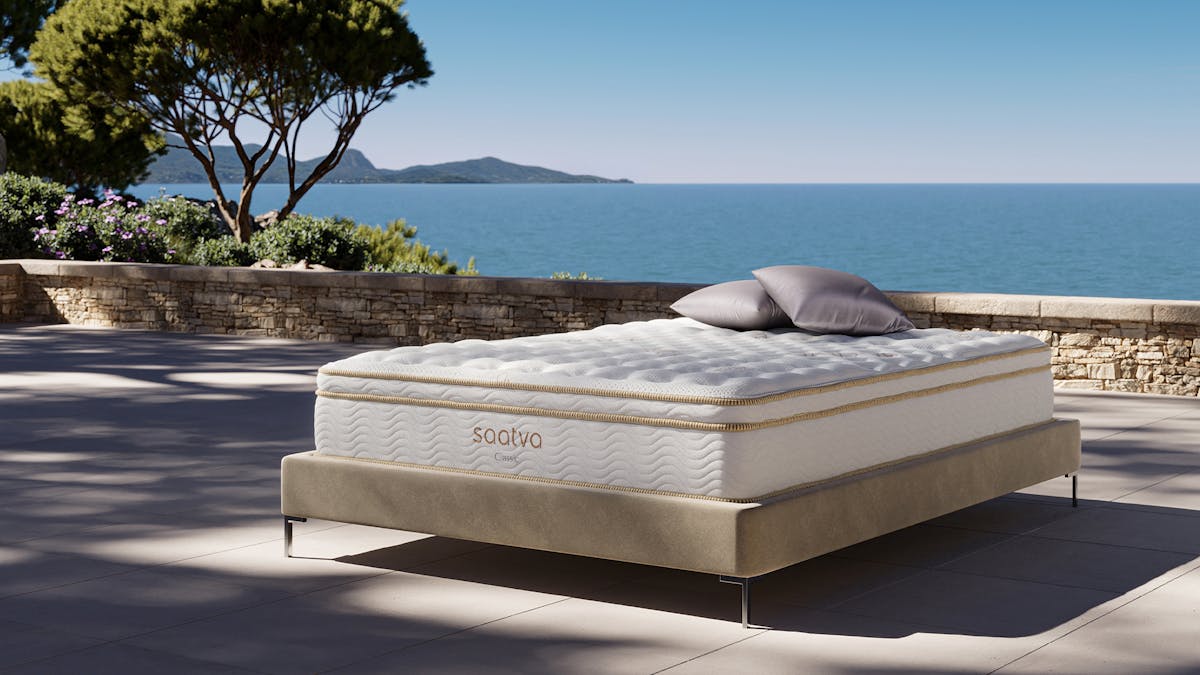
My verdict: The Casper mattress warranty offers useful protection against specific construction and material defects, but it is not insurance against normal wear, stains, accidental damage, changing comfort preferences, or problems caused by inadequate support. According to the Casper policy summarized on this page, the standard coverage is a 10-year limited warranty for the original purchaser, and a visible indentation must be greater than one inch to meet the stated depth requirement.
The fine print matters more than the headline term. I would keep the original receipt, photograph both the mattress and its foundation, and read the warranty supplied with the exact model before starting a claim. According to the warranty information provided with the order, some sale and clearance mattresses may have different coverage from standard products.
From a construction standpoint, Casper sells foam and hybrid mattresses containing several foam layers and, in hybrid models, a coil support unit. A change in feel does not automatically show that one of those components is defective. The warranty review focuses on the condition of the materials, the measurable nature of the problem, and how the mattress was supported and handled.
If warranty duration is central to your decision, the Saatva Classic is the alternative I would consider. According to Saatva’s offer presented in the source material, it includes a 365-night trial, lifetime warranty, and free white-glove delivery, with pricing starting from $1,095.
Check the Saatva Classic price
We earn a commission if you make a purchase through our links, at no extra cost to you. Read our full disclosure.
Casper Mattress Warranty at a Glance
- Standard duration: According to the Casper warranty information supplied for this page, coverage lasts 10 years from the original purchase date.
- Eligible owner: The published policy limits coverage to the original purchaser who can provide proof of purchase.
- Indentation threshold: Casper’s supplied terms identify a visible indentation greater than one inch as potentially covered, provided an improper or unsupportive base did not cause it.
- Foam defects: The policy includes qualifying cracking or splitting that occurs despite normal use and proper handling.
- Cover defects: Manufacturing faults involving the mattress-cover zipper or its assembly may qualify.
- Coverage type: The supplied policy describes standard replacement coverage as non-prorated, subject to claim review and the applicable exclusions.
- Major exclusions: Comfort preference, ordinary softening, misuse, stains, physical damage, unauthorized resale, and commercial use outside the relevant program are excluded under the summarized terms.
The warranty is separate from Casper’s sleep trial. The trial addresses an eligible customer’s initial decision to keep or return the mattress. The warranty addresses qualifying defects. That distinction determines which process to use and what evidence Casper may request.
Who Qualifies for Casper Warranty Coverage?
According to the supplied Casper terms, a mattress purchased from Casper Sleep Inc. or an authorized Casper dealer within the United States may qualify. The claimant must be the original purchaser and must present the original receipt or comparable proof of purchase.
The original-owner requirement is important if you are considering a secondhand Casper mattress. Under the policy summarized here, the warranty does not transfer to a later owner, even if the bed looks barely used. A mattress from an unauthorized reseller can also be excluded regardless of where it was originally manufactured.
Some defects in the mattress cover may qualify, but this does not extend coverage to every mark, tear, or zipper problem. Casper separates faults in manufacturing or assembly from damage that happens after delivery.

According to the warranty information supplied with the source article, certain sale and clearance mattresses carry a 5-year warranty rather than the standard 10-year term. Check the receipt and warranty document attached to the specific order because those records establish which coverage period applies.
Casper’s separate 10-year warranty and return-policy overview can help you distinguish a defect claim from a trial return.
What the Casper Mattress Warranty Covers
The useful question is not merely how long the Casper mattress warranty lasts. It is what the written policy treats as a defect. Based on the Casper terms supplied for this article, the covered categories center on identifiable problems with the mattress structure, foam, or cover assembly.
Visible Indentations Greater Than One Inch
According to Casper’s supplied warranty terms, an unloaded, visible indentation greater than one inch may qualify if the mattress has been used on a suitable frame or foundation. A shallow body impression, a temporary compression mark, or an area that simply feels softer may not meet that definition.
The mattress must be evaluated without a person or object pressing on it. Foam compressing beneath a sleeper is normal material behavior. The relevant defect is a lasting depression that remains when the surface is unloaded and satisfies Casper’s stated measurement standard.
Support underneath the bed is part of this assessment. Casper may deny an indentation claim if the dip resulted from broad gaps, damaged slats, a bowed base, or another inadequate support condition. If you are assessing a visible mattress indentation, photograph the depression and the complete support system before making changes.
A straight edge placed across the mattress can provide a consistent reference point. The image should show the full span of the straight edge and a measuring tool at the deepest part of the unloaded depression. Avoid pressing the tool into the cover or foam, since that can make the dip appear deeper than it is.
Cracking or Splitting Foam
The Casper policy summarized here can cover a flaw that causes foam to crack or split despite normal use and proper handling. That is materially different from gradual softening. A split is a physical break in the foam structure, while softening is a change in response that can develop as the cellular material goes through repeated compression cycles.
Clear photographs should show the location and extent of the suspected break. I would not cut the cover or open the mattress to inspect concealed layers. Altering the product may create new damage and make it harder to determine whether the original problem met the warranty definition.
Foam can also be damaged by folding, dragging, storing the mattress incorrectly, or forcing it through a tight space. Casper’s reviewers may consider handling history when deciding whether a crack reflects a manufacturing fault or damage that occurred after delivery.
Manufacturing Defects in the Cover
A manufacturing defect involving the mattress-cover zipper or its assembly may qualify under the supplied terms. This category is narrower than general cover damage. A spill, cut, burn, pet-related tear, or problem caused by improper removal is not the same as defective workmanship.
Photograph the entire cover as well as the affected seam, zipper, or attachment point. That broader context can help show that the problem is localized and is not part of more extensive accidental damage.
What the Casper Warranty Does Not Cover
Casper’s limited warranty does not cover every issue that can make a mattress less comfortable or less attractive. According to the exclusions supplied with the source article, the following conditions fall outside ordinary defect coverage:
- Normal softening that does not satisfy the written definition of a covered loss of support or pressure relief.
- A change in the owner’s preferred firmness or comfort.
- Minor firmness variations between mattresses or changes that do not amount to a covered defect.
- Burns, cuts, spills, stains, tears, and other physical damage.
- Damage associated with misuse, neglect, environmental conditions, or improper handling.
- Indentation or sagging caused by an unsuitable frame, foundation, or support surface.
- Commercial use in a hotel, store, rental property, or similar operation unless the purchaser qualifies under Casper’s Trade Customer provisions.
- Replacement of undamaged components when only one part of a Casper sleep system is defective.
- Products purchased from unauthorized resellers.
- Mattresses labeled “as-is,” “preconditioned,” “reconditioned,” “used,” “comfort return,” “returned,” or “previously owned.”
Stains need particular attention. According to the warranty summary supplied for this page, any stain can void coverage, and Casper recommends using a mattress protector. A protector does not expand the policy, but it can keep surface contamination from complicating the inspection of an unrelated internal defect.
Normal wear and comfort preference cause plenty of confusion. Foam may become more flexible as it is used, and the sleeper’s needs can change. Neither development necessarily indicates cracked foam, faulty cover construction, or a lasting indentation that exceeds the written threshold.
Odor, perceived temperature, edge feel, and motion response can also affect satisfaction without showing that the mattress has a covered manufacturing problem. A warranty claim is strongest when it identifies the specific material or structural failure rather than relying only on a general loss of comfort.
Why the Foundation Can Decide a Claim
A foam or hybrid mattress needs consistent support across its underside. Broad unsupported areas let the mattress bow into gaps, concentrate stress in the foam, and allow a hybrid coil unit to flex differently from its intended design.
According to the warranty summary supplied for this page, Casper requires a flat, solid support surface. For a slatted frame, the same summary states that the slats must be within 4 inches of each other. Check the current order-specific terms and measure the actual gaps beneath the mattress rather than relying on the frame’s product description.
A proper mattress foundation or bed frame should distribute weight consistently without leaving large unsupported sections. If the frame uses a center rail or center legs, verify that the pieces are secure and remain in firm contact with the floor.
For a heavier mattress or a bed shared by two sleepers, a sturdy mattress-supporting frame can help limit unwanted flexing and uneven loading. It cannot make every future impression warrantable, but it helps maintain the support conditions required by the policy.
If you notice sagging or a loss of support, inspect the base before concluding that the mattress materials have failed. Loose fasteners, bowed slats, bent rails, or missing center legs can create a low area that looks and feels like mattress sagging.
I would photograph the bare frame from above and below, including each support leg and the mattress-contact surface. If slats are used, include a clear measurement of their spacing. This evidence addresses a common cause of disputed indentation claims.
Is the Casper Mattress Warranty Prorated?
According to the Casper coverage summary supplied for this page, the standard mattress warranty is non-prorated. In plain English, the stated coverage does not lose a preset share of its value with each passing year during the applicable warranty period.
Non-prorated coverage should not be confused with unconditional replacement. Casper still evaluates whether the reported condition satisfies its defect definition, whether the mattress had suitable support, whether the claimant is eligible, and whether an exclusion applies.
The remedy may also focus on the defective mattress or component rather than every item in a sleep system. Read the written policy attached to the specific purchase for the controlling remedy, costs, responsibilities, and claim procedure.
How to File a Casper Mattress Warranty Claim
A well-documented claim gives Casper something concrete to evaluate. Keep the mattress and foundation available for inspection or additional photographs unless the company instructs you to move or dispose of them.
- Find the proof of purchase. Locate the original receipt, order confirmation, or comparable record showing the purchaser, seller, product, and purchase date.
- Read the order-specific warranty. Confirm the model, seller, applicable duration, and exclusions, particularly if the mattress was sold as a sale or clearance item.
- Photograph the complete mattress. Take wide images of its overall condition before adding close views of the suspected defect.
- Measure a lasting indentation. Place a straight edge across the unloaded surface and show a measuring tool at the deepest point. According to the supplied Casper policy, the stated threshold is greater than one inch.
- Document the foundation. Photograph the frame, slats, center supports, support legs, and gaps between slats.
- Describe the material failure. Explain whether the concern is a lasting dip, split foam, or a defect in the cover assembly, and note where it appears.
- Submit the requested evidence. Use Casper’s warranty contact channel and provide the purchase information, photographs, and measurements requested.
- Keep copies. Save the receipt, claim submission, images, correspondence, and case details until the review is complete.
You can begin through Casper’s warranty contact page. The original source article lists +1 888-498-0003 as Casper’s contact number for mattress and furniture issues.
According to the original source article, claim processing typically takes 5–10 business days. That is a general estimate rather than a fixed completion promise, since timing can vary with the evidence requested and the complexity of the review.
Mattress registration may make order records easier to retrieve, but the central documentation remains proof of the original purchase and evidence of a qualifying defect. If Casper asks for more images, measurements, labels, or foundation details, supply them before removing components or disposing of the product.
Keep descriptions factual and specific. “The bed is uncomfortable” gives a reviewer little to assess, while a description of the visible location, unloaded condition, measurement method, and supporting base addresses the actual warranty criteria.
What Can Void the Casper Warranty?
A mattress may show visible damage and still fall outside the warranty if the condition resulted from an excluded cause. The main avoidable risks in the supplied terms are improper support, stains, physical damage, unauthorized resale, and missing purchase documentation.
According to the Casper terms summarized on this page, these situations can put coverage at risk:
- The claimant is not the original purchaser.
- The mattress was purchased from an unauthorized reseller.
- The product was sold as used, returned, reconditioned, or under another non-new designation listed in the policy.
- The mattress was used commercially without applicable Trade Customer status.
- The foundation or frame did not meet the stated support requirements.
- The mattress or cover was burned, cut, spilled on, stained, torn, or otherwise physically damaged.
- The claimed issue is ordinary softening, minor variation, or a change in personal comfort preference.
- The claim seeks replacement of components that are not defective.
I would leave law labels and other identifying tags attached while a claim is pending. The supplied exclusions refer to labels identifying mattresses that were not sold as new, and Casper may need product information from the labels during its review.
A protector is sensible, but it does not excuse an unsuitable foundation or improper handling. Each claim condition stands on its own, so a spotless cover does not establish that a dip is a manufacturing defect.
Casper’s Sleep Trial Is Not the Warranty
According to the source article, Casper offers a 100-night home trial and asks customers to try the mattress for at least 30 days before returning it. The same source describes eligible trial returns as receiving a full refund, with mattress removal arranged by the company.
The trial concerns comfort and the initial decision to keep an eligible purchase. The warranty begins from the purchase date and concerns defined defects. Because those periods can overlap, contact Casper before choosing a trial return or defect claim if both might apply.
Return rules can also depend on the seller. A mattress purchased through a dealer may follow that dealer’s return process even when Casper supplies the manufacturer’s defect warranty. Review the seller’s paperwork before assuming that Casper’s direct-purchase trial applies.
A successful trial return does not require the same defect evidence as a warranty claim. Conversely, deciding that a bed feels too firm or too soft does not by itself establish a warrantable material failure.
How Casper Compares With the Saatva Classic
If long-term policy duration is unusually important to you, the Saatva Classic is the alternative I would compare. Its coil-on-coil construction and Euro pillow top differ substantially from Casper’s foam and hybrid designs, so this is also a comparison between different support systems rather than warranty language alone.

According to the Saatva offer included in the source material, the Saatva Classic comes with a 365-night trial, free white-glove delivery, and a lifetime warranty. Those manufacturer policies still contain definitions and exclusions, so lifetime coverage should not be read as protection against stains, accidental damage, or every change in comfort.
The original source article characterizes Saatva’s communication and claim system as straightforward. I would still make a buying decision from the written policy in force on the purchase date. Owner eligibility, indentation definitions, foundation requirements, covered materials, and available remedies matter more than the headline duration.
Compare Casper with the Saatva Classic
According to the manufacturer offers presented in the source article, Saatva’s 365-day trial is longer than Casper’s stated 100-night trial. Our Saatva mattress warranty and return-policy guide explains how the Saatva trial differs from warranty coverage.

Review the Saatva Classic warranty option
From my materials-first perspective, the better policy is the one that matches the product you actually want and whose support requirements you can meet. A longer term has limited practical value if the mattress design, firmness, or foundation rules are a poor fit for your setup.
Casper Warranty Compared With Other Policies
Indentation thresholds are useful comparison points because they turn a vague report of sagging into a measurable criterion. According to the Casper terms supplied for this page, its threshold is a visible depression greater than one inch.
For another manufacturer policy using a 1-inch threshold, see the Siena mattress warranty. You can also compare ownership rules, remedies, and exclusions in the Nectar mattress warranty.
According to the Saatva warranty offer described in the source article, the Saatva Classic warranty offer uses the same 1-inch threshold referenced there, but states coverage for the life of the mattress rather than Casper’s standard 10-year period.
Check the current Saatva Classic offer
Do not compare duration in isolation. Look at the definition of a defect, who owns the coverage, required support, exclusions for stains or damage, and what the manufacturer may do after approving a claim.
Related Mattress Guides
- Cooling mattresses for warmer sleepers
- Our Saatva mattress review for 2026
- How to tell when a mattress needs replacing
- Signs an aging mattress is affecting sleep
Casper Mattress Warranty FAQs
How long is the Casper mattress warranty?
According to the Casper policy summary supplied for this page, the standard term is 10 years from purchase. The same source describes certain sale and clearance mattresses as having a 5-year warranty, so the receipt and order-specific terms should be checked for the applicable duration.
How deep must a Casper mattress indentation be?
According to the supplied Casper terms, the visible indentation must be greater than one inch. It must not result from an unsuitable frame or foundation, and Casper may request photographs showing the unloaded mattress, measurement method, and support system.
Does the warranty cover normal wear and tear?
No. According to the exclusions summarized here, ordinary softening, minor firmness variation, and personal comfort preference are not covered defects. The policy instead focuses on qualifying manufacturing, material, or assembly failures.
Does a stain void the Casper warranty?
According to the warranty summary in the source article, any stain can void coverage. A mattress protector can help preserve a clean inspection surface, but it does not change the policy or make an otherwise excluded problem eligible.
Can a secondhand owner use the warranty?
No. The supplied Casper terms restrict coverage to the original purchaser and require proof of purchase. They also list mattresses sold as used, returned, reconditioned, or previously owned among the excluded product conditions.
Do I have to register my Casper mattress?
Registration may make ownership records easier to locate, but the claimant still needs the original purchase evidence and documentation of the alleged defect. Keep the receipt even if the mattress has been registered.
Is the sleep trial included within the warranty period?
The programs are separate. According to the source article, warranty coverage begins from the purchase date, while the trial addresses the initial comfort decision. Because the periods can overlap, ask Casper how a defect claim could affect trial eligibility before filing.
What happens if only one component is defective?
Casper may address only the affected component. According to the supplied exclusions, non-defective parts of a Casper sleep system do not have to be replaced solely because another component qualifies for warranty service.
Is Casper’s warranty better than a lifetime warranty?
Duration alone cannot answer that. According to the supplied policy, Casper’s standard term is 10 years, its indentation requirement is greater than one inch, and its coverage is described as non-prorated. A lifetime policy lasts longer on paper, but its defect definitions, owner requirements, exclusions, foundation rules, and remedies still control actual claims.
Can Casper deny a claim because of the bed frame?
Yes, if inadequate support caused or contributed to the reported damage. According to the supplied Casper warranty summary, the mattress needs a flat, solid support surface, and slats must be within 4 inches of each other. The exact order-specific policy should be checked before filing.
What evidence should I send with a claim?
Start with proof of purchase, full-mattress photographs, close views of the suspected defect, and images of the complete foundation. For an indentation claim, include an unloaded measurement that clearly shows the straight edge and the deepest point.
My Final Take on the Casper Mattress Warranty
The Casper mattress warranty is most useful for a clear, documentable construction problem, such as a qualifying permanent indentation, foam that cracks or splits under normal use, or a manufacturing fault in the cover assembly. It is far less useful for gradual softening, a change in firmness preference, accidental damage, or sagging linked to inadequate support.
My practical advice is simple: retain the receipt, keep the mattress clean, use a foundation that meets the written requirements, and document both the defect and the base beneath it. Those records help Casper evaluate the claim and make it easier to separate a genuine material failure from ordinary wear or a support problem.